ACC News Brief
Climate Science Northwest Territories and northwestern Ontario, Canada
Study finds warming doubled the odds of Canada's extreme fire weather
What happened
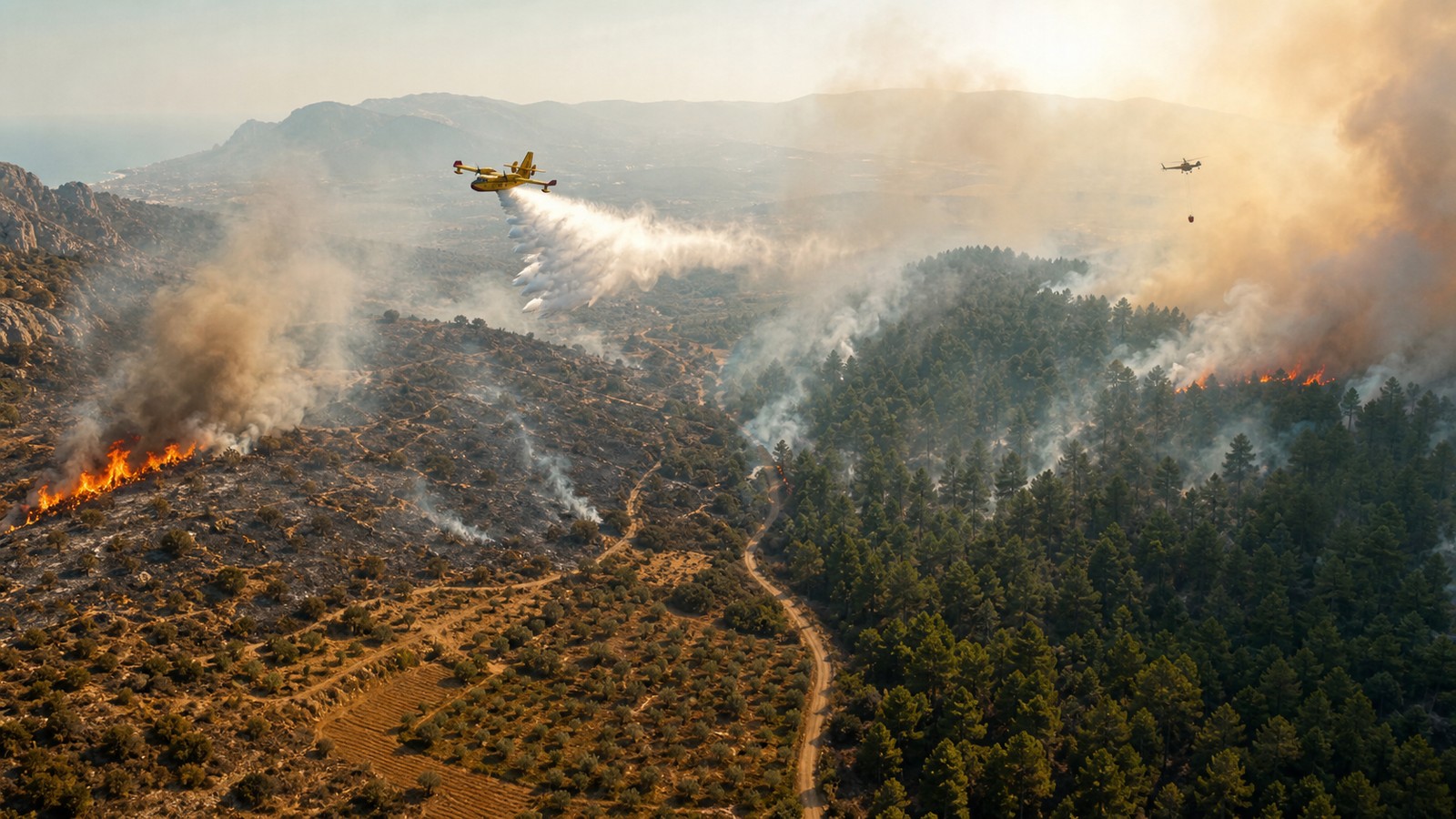
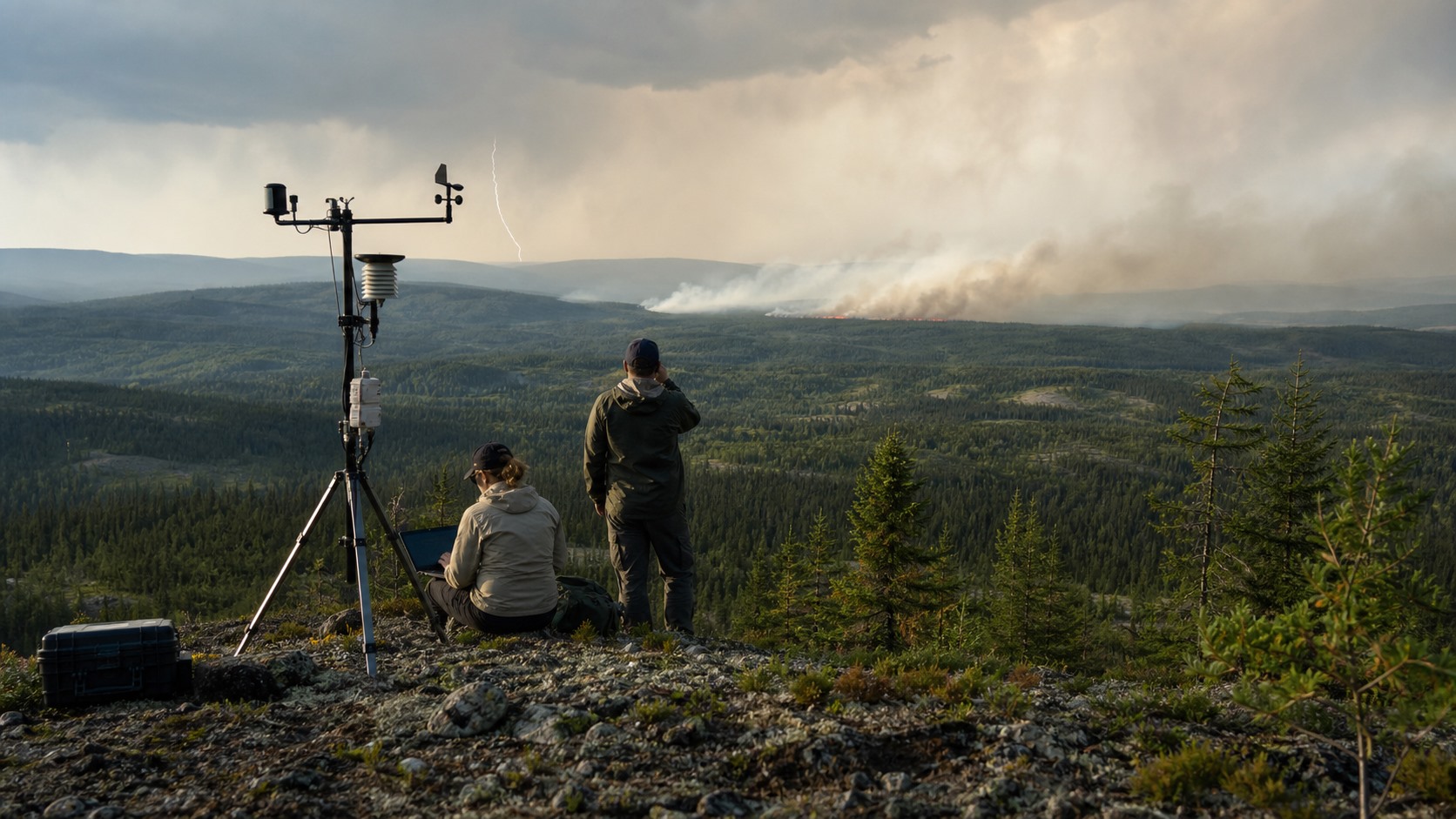
A World Weather Attribution rapid analysis found that human-caused warming roughly doubled the likelihood of the hot, dry, windy conditions that helped fuel major fires in the Northwest Territories and northwestern Ontario. Associated Press reporting notes that the analysis combines heat, rainfall, humidity, and wind observations and has not yet completed peer review.
Why it matters
Fire ignition, land management, and emergency response all affect outcomes, but climate conditions shape how readily vegetation burns and how difficult a fire becomes to control. Attribution studies help separate those roles and show how a warmer atmosphere changes the baseline risk communities must prepare for.
What to watch
- Peer review and any methodological revisions to the rapid attribution findings.
- How Canadian agencies incorporate changing fire weather into prevention and evacuation planning.
- Whether future seasons show similar combinations of heat, low humidity, wind, and rainfall deficits.
Sources & evidence
- Climate change contributed to big Canada fires, study says as Trump blames mismanagementAssociated Press report published by Phys.org on August 6, 2026, covering a World Weather Attribution rapid analysis and its not-yet-peer-reviewed status.
Continue learning with ACC
Explore ACC's climate science guide