ACC News Brief
Climate Science Global atmosphere
Wildfire smoke could slow methane removal through atmospheric chemistry
What happened
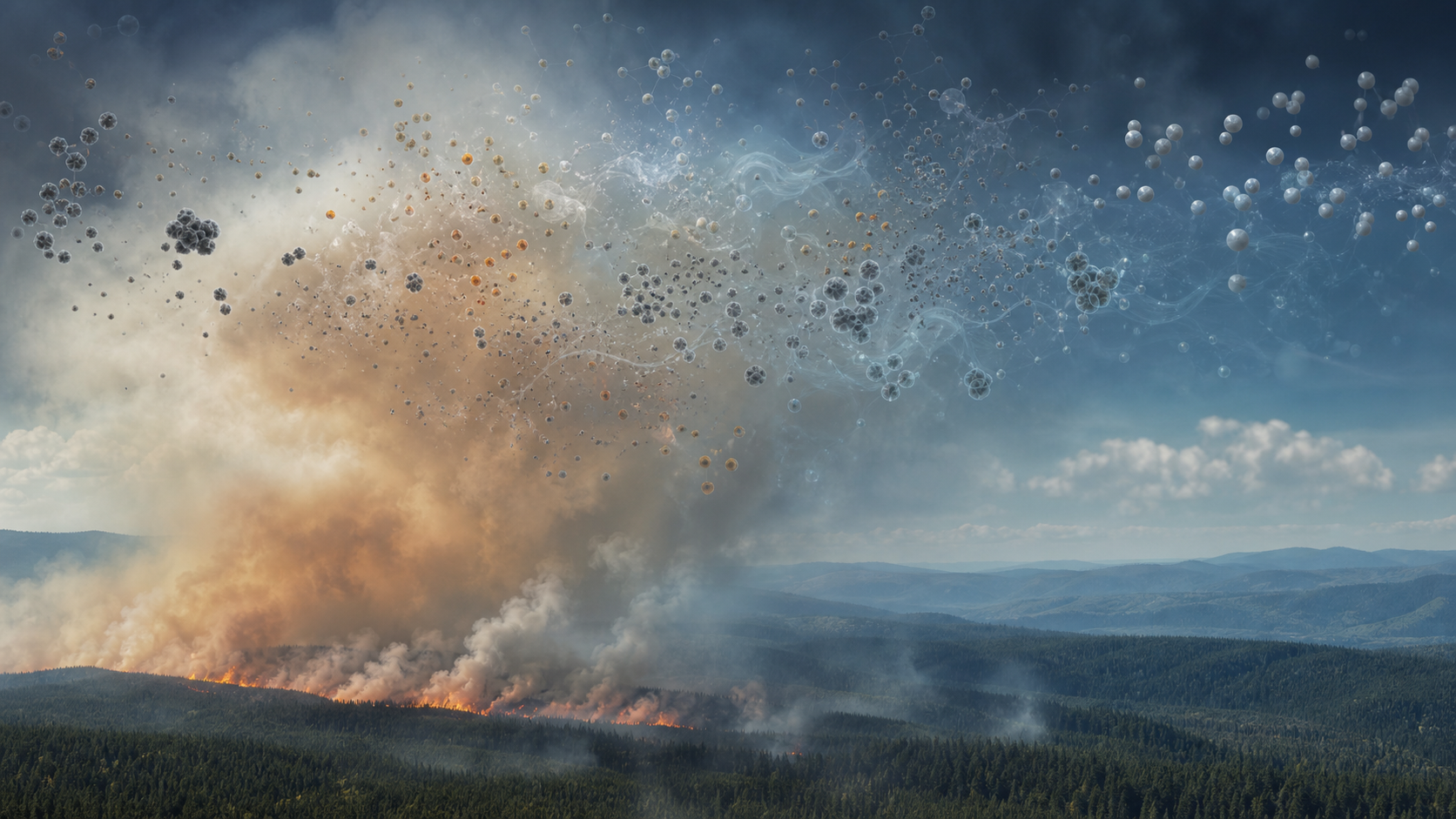
A coupled fire and atmospheric-chemistry study estimates that intensifying forest fires could change the oxidants that remove methane from the atmosphere. Under the study's intermediate-emissions pathway, the modeled chemistry added about 125 teragrams to the atmospheric methane burden by the 2050s beyond methane emitted directly by the fires.
Why it matters
Forest fires may amplify warming not only through direct greenhouse-gas emissions and lost vegetation, but also by changing how quickly methane is removed from the air. The result is a modeled projection rather than an observed global trend, and it depends on uncertain future fire emissions, smoke chemistry, climate pathways, and methane sources.
What to watch
- Atmospheric observations after major fire seasons that can test the modeled changes in methane-removing oxidants.
- Improved fire-emissions inventories, smoke-chemistry measurements, methane-source estimates, and independent multi-model comparisons.
Sources & evidence
- Climate feedback of forest fires amplified by atmospheric chemistryPeer-reviewed Article in Nature Geoscience 19, published February 19, 2026. The researchers coupled fire-climate and atmospheric-chemistry models and used sensitivity and uncertainty analyses. The methane burden and radiative effects are MODELED / ESTIMATED projections, not direct observations, and remain sensitive to future fire activity, emissions factors, chemical responses, and the selected climate pathway.
Continue learning with ACC
Explore ACC's changing climate guide