ACC News Brief
Climate Science High-latitude Northern Hemisphere
Warming outpaces a key microbial check on freshwater methane
What happened
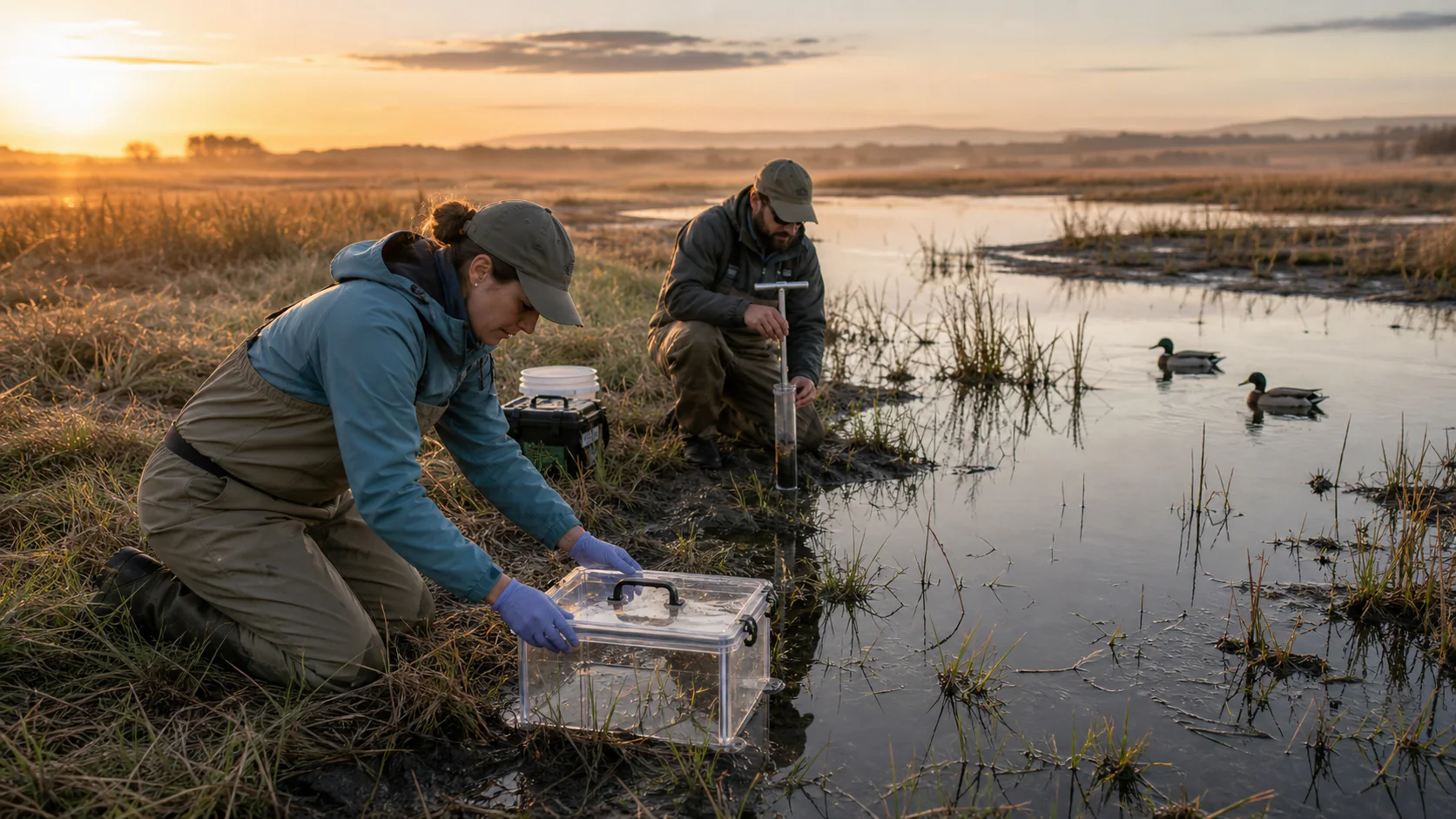
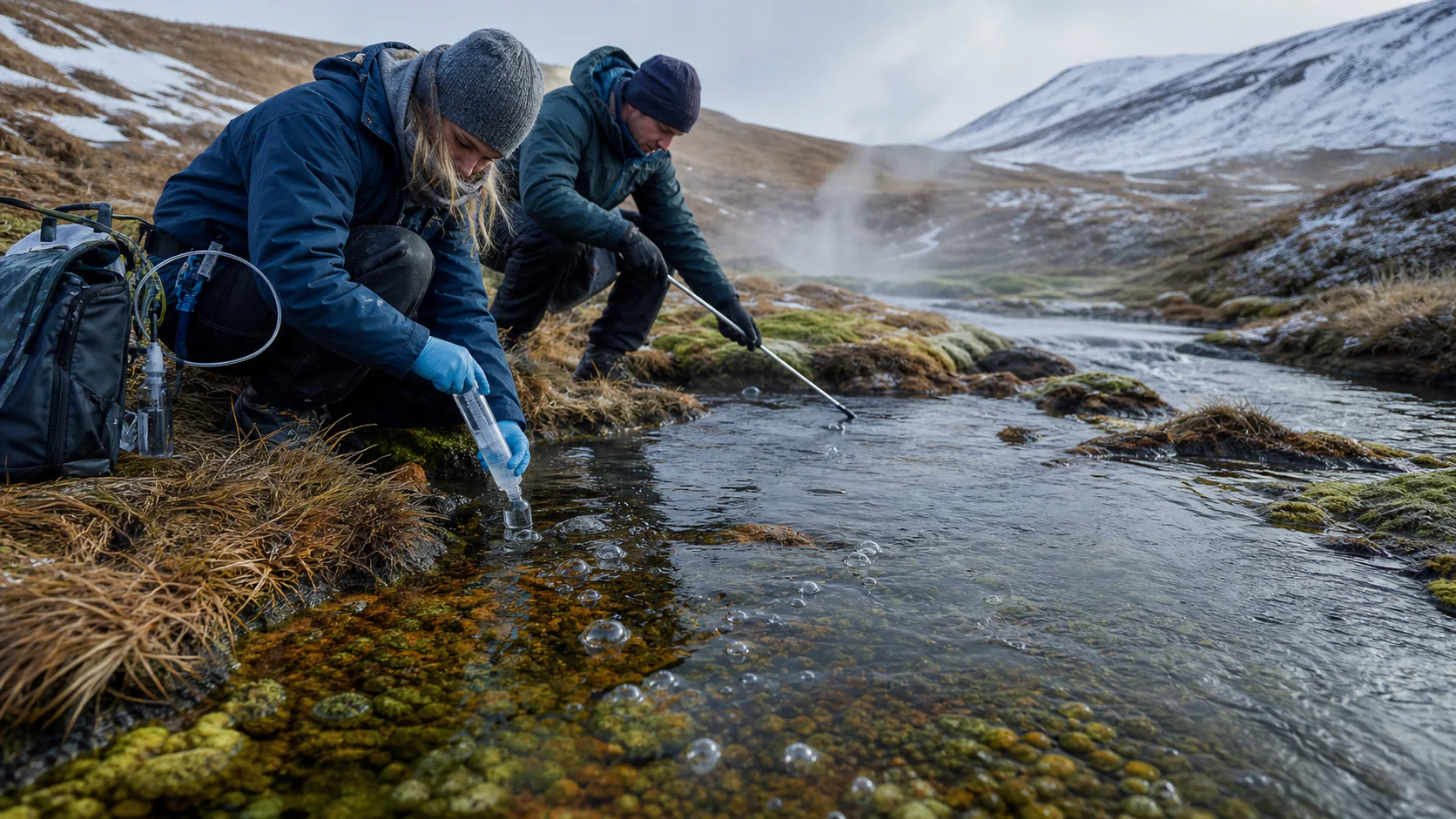
A peer-reviewed natural experiment across geothermally warmed streams in five northern regions found that methane production became more efficient as temperatures rose. Methane oxidation activity also increased, but its process-level efficiency did not; the streambed filter remained about 75 percent in the colder and warmer groups while emissions rose. The global implication is conditional because the study did not sample every freshwater system.
Why it matters
If the same constraint appears broadly in wetlands, lakes, rivers, and reservoirs, warming could strengthen a natural methane feedback. That possibility adds urgency to cutting controllable fossil methane and improving freshwater greenhouse-gas monitoring.
What to watch
- Replication in low-latitude waters, wetlands, lakes, and reservoirs and integration of the measured response into methane budgets.
- Whether nutrient, oxygen, hydrology, or restoration management can reduce emissions without creating new ecological harm.
Sources & evidence
- A fixed methane filter maximizes freshwater emissions under warmingPeer-reviewed open-access natural experiment, Nature Climate Change, DOI 10.1038/s41558-026-02649-2, published June 5, 2026.
- Methanogen sequencing dataNCBI BioProject record cited by the paper for the study's raw methanogen sequencing data.
Continue learning with ACC
Explore ACC's climate science guide