ACC News Brief
Solar Laboratory research in China
Kesterite solar cells crossed 15 percent certified efficiency in the lab
What happened
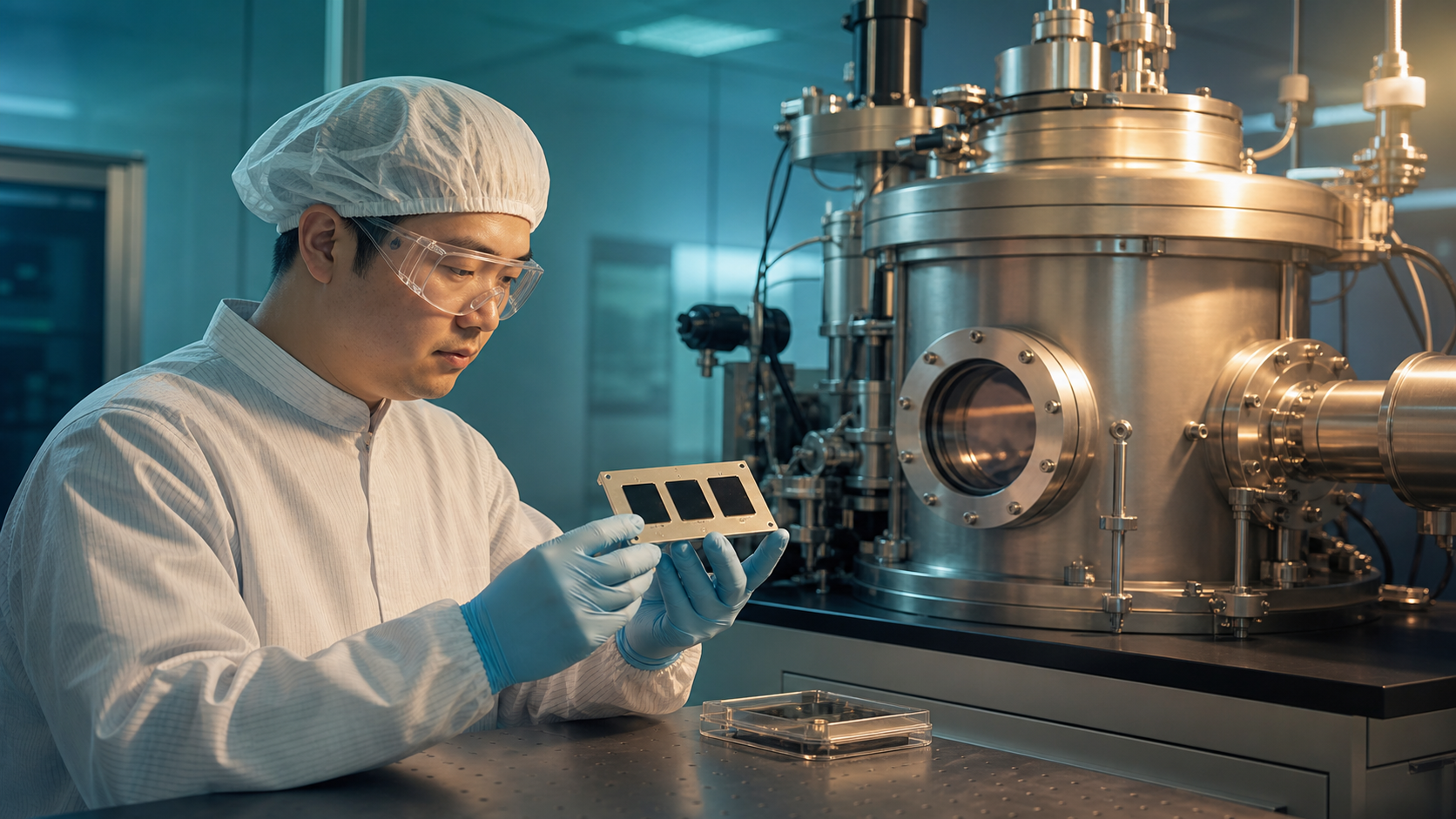
Researchers used a lithium-tin-sulfide interphase to slow and better balance zinc and tin movement while forming CZTSSe thin films. The champion laboratory cell reached 15.45 percent efficiency and was independently certified at 15.04 percent, with an open-circuit voltage of 602 millivolts.
Why it matters
The result advances a thin-film solar absorber based on copper, zinc, tin, sulfur, and selenium. It remains a small research cell: module-scale performance, outdoor durability, manufacturing yield, cost, and lifecycle impacts were not demonstrated.
What to watch
- Larger-area modules, independent outdoor testing, and production reproducibility at useful manufacturing yields.
- Full cost, material-sourcing, durability, and end-of-life assessments.
Sources & evidence
- Regulating grain growth via Li2SnS3 interphase in kesterite solar cells with certified efficiencies exceeding 15%Peer-reviewed Article, Nature Energy (2026), published February 25, 2026. The certified result is for a laboratory cell, not a commercial module, production line, or deployed project.
- Kesterite solar-cell research reportChinese Academy of Sciences institutional explanation of the reported interphase method and certified cell result.
Continue learning with ACC
Explore ACC's renewable energy and grid guide