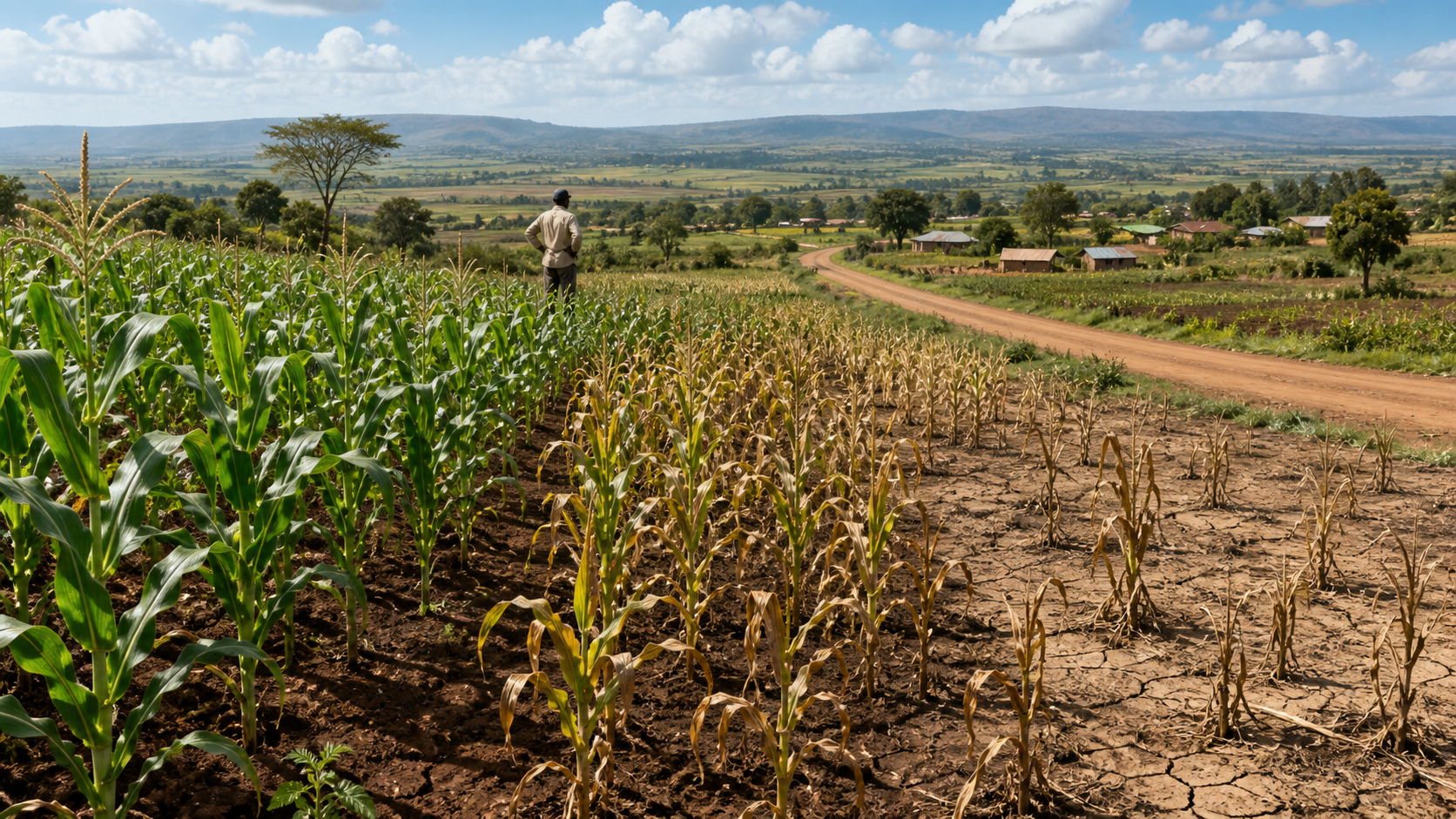
ACC News Brief
Resilience & Adaptation Global
Adaptation capacity may lower climate stress at heritage sites
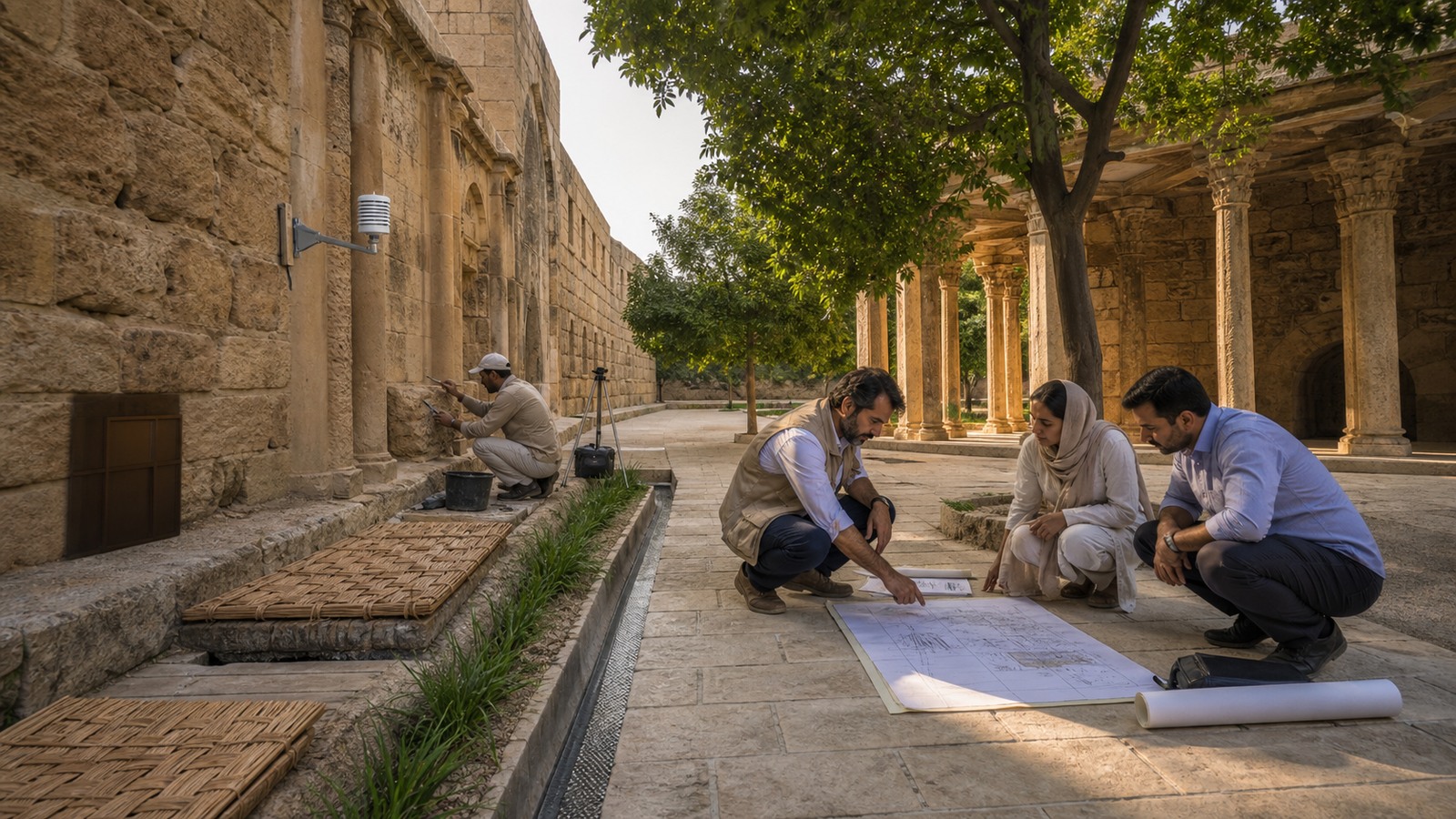
What happened
A peer-reviewed study linked modeled heat-and-humidity stress at 938 cultural and mixed World Heritage properties with national development indicators from 1995 to 2020. Its interpretable machine-learning framework found that health, social protection, labor participation, and governance were among the domains most consistently associated with lower predicted external climate stress. The metric is a screening proxy for the risk environment, not a measurement of actual damage or proof that one policy causes protection.
Why it matters
Climate resilience is strengthened by more than repairs to individual monuments. Public health, capable institutions, social protection, and local expertise can give communities more capacity to anticipate hazards and maintain the places they value.
What to watch
- Site-level validation that compares the screening framework with measured material deterioration and local conservation records.
- Adaptation finance that supports community-led maintenance and preventive conservation in lower-resource countries.
Sources & evidence
- National development pathways shape climate stress at cultural world heritage sites globallyOpen-access, peer-reviewed npj Heritage Science article, DOI 10.1038/s40494-026-02529-0, published April 16, 2026. The Global Heritage Adaptation Portfolio Framework is a macro-scale screening model based on climate exposure thresholds and development indicators.
Continue learning with ACC
Explore ACC's practical climate-solutions pathways