
ACC News Brief
Solar Europe
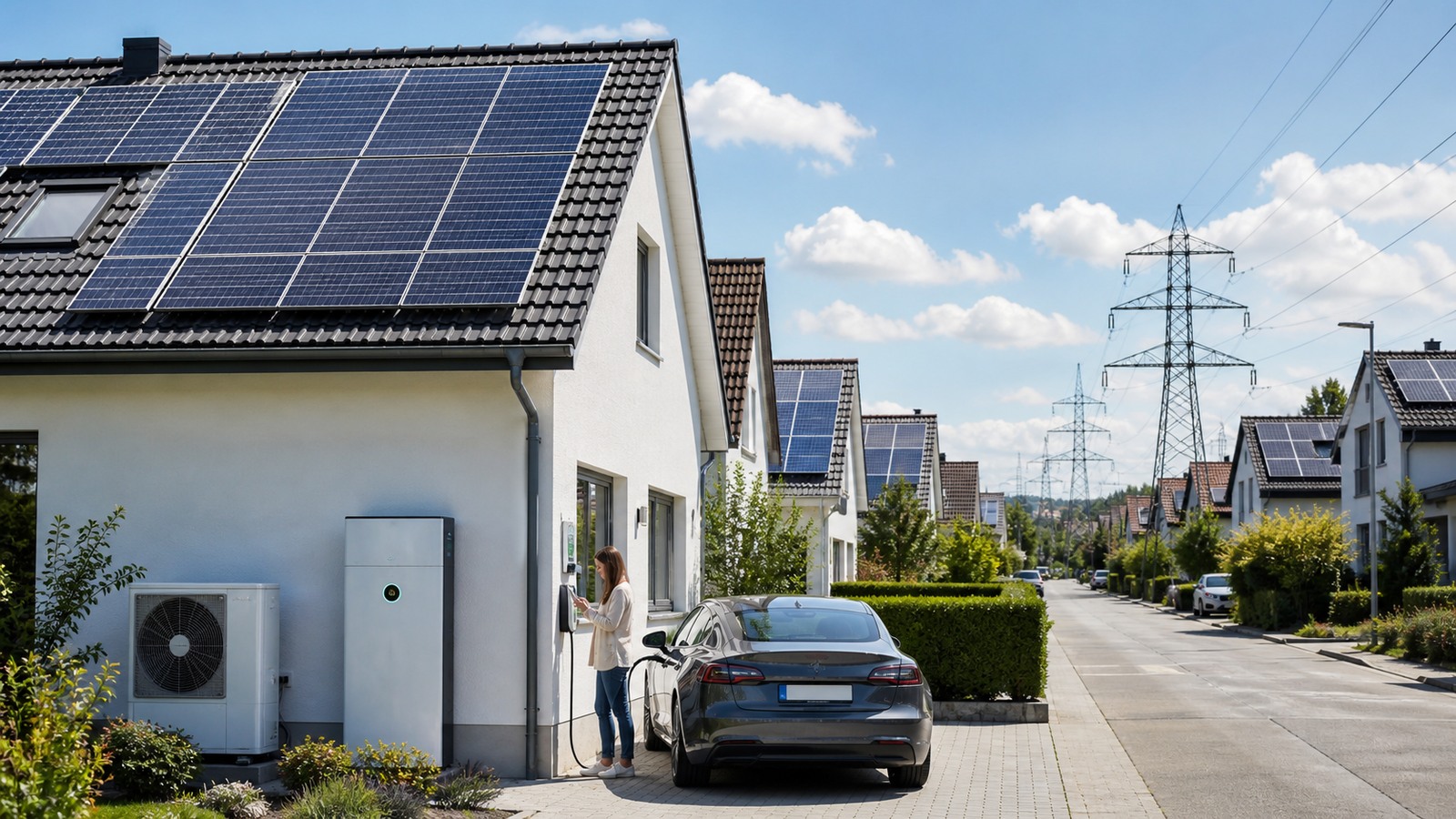
Smarter timing can keep rooftop solar's rebound from straining grids
What happened
A peer-reviewed Nature Energy study added empirically observed increases in household electricity use after rooftop-solar adoption to an open-source model of Europe's power, heat, transport, and hydrogen systems. The modeled cost and investment effects depended heavily on when extra electricity was used: demand aligned with sunny hours was easier to serve than demand shifted into the evening. The results support load-shifting incentives and continued efficiency alongside rooftop solar, but they are scenario results rather than observed system-wide outcomes.
Why it matters
Rooftop solar remains a powerful climate tool, and this work shows how to make it work even better. Flexible charging, smart appliances, storage, and efficiency can move electricity use toward abundant solar hours, limiting grid costs and making the benefits fairer for households without panels.
What to watch
- Real-world trials of time-varying rates, automated load shifting, and storage that measure household savings and system benefits.
- Consumer protections so renters and lower-income households do not carry costs created by poorly aligned incentives.
Sources & evidence
- Implications of the solar rebound effect for the European energy transitionOpen-access, peer-reviewed Nature Energy article, DOI 10.1038/s41560-026-02031-8, published April 14, 2026. It uses empirically derived rebound ranges in an open-source European energy-system model; results are scenarios, not direct forecasts.
Continue learning with ACC
Explore ACC's renewable energy and grid guide