ACC News Brief
Solar China
Smarter solar siting could protect farms and ecosystems in China
What happened
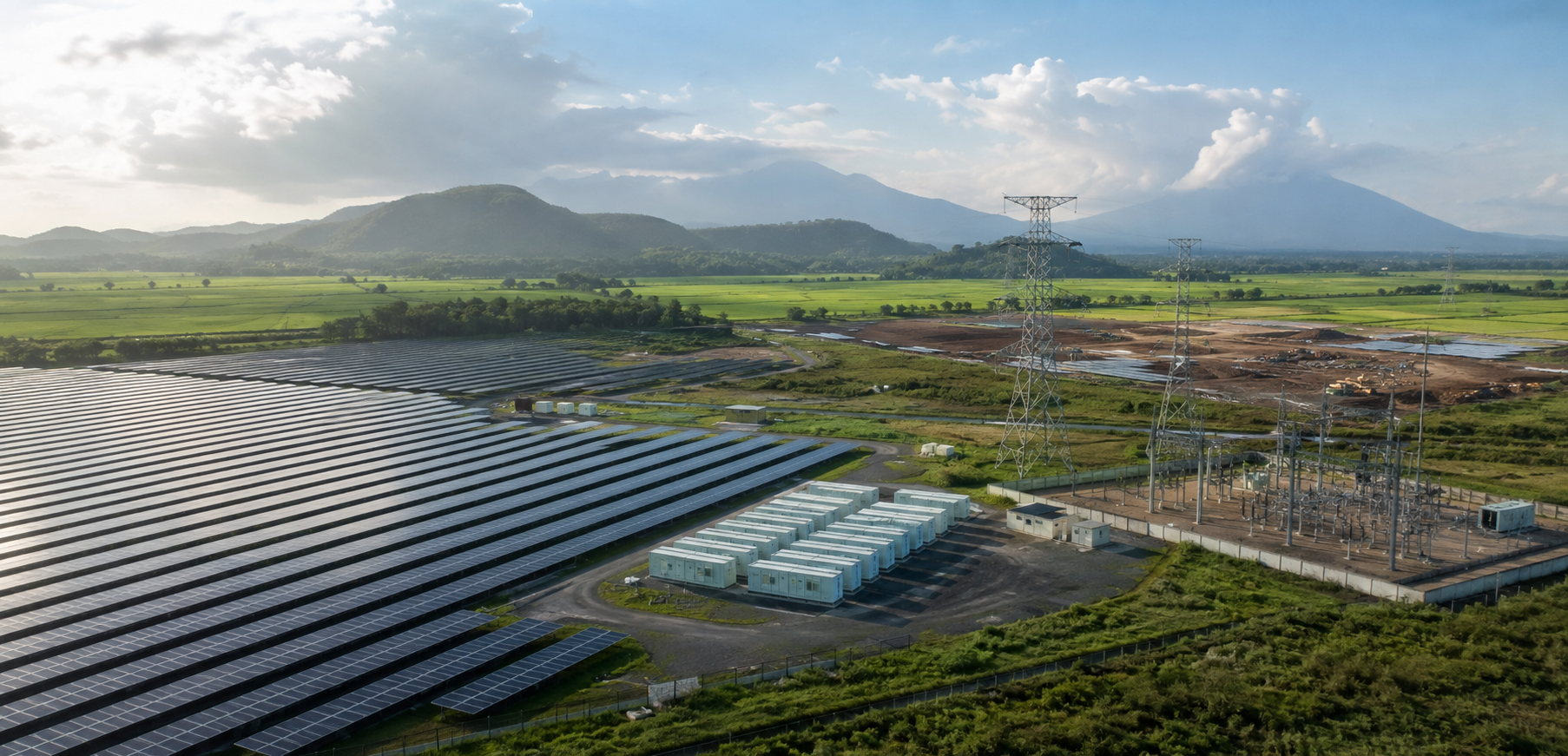
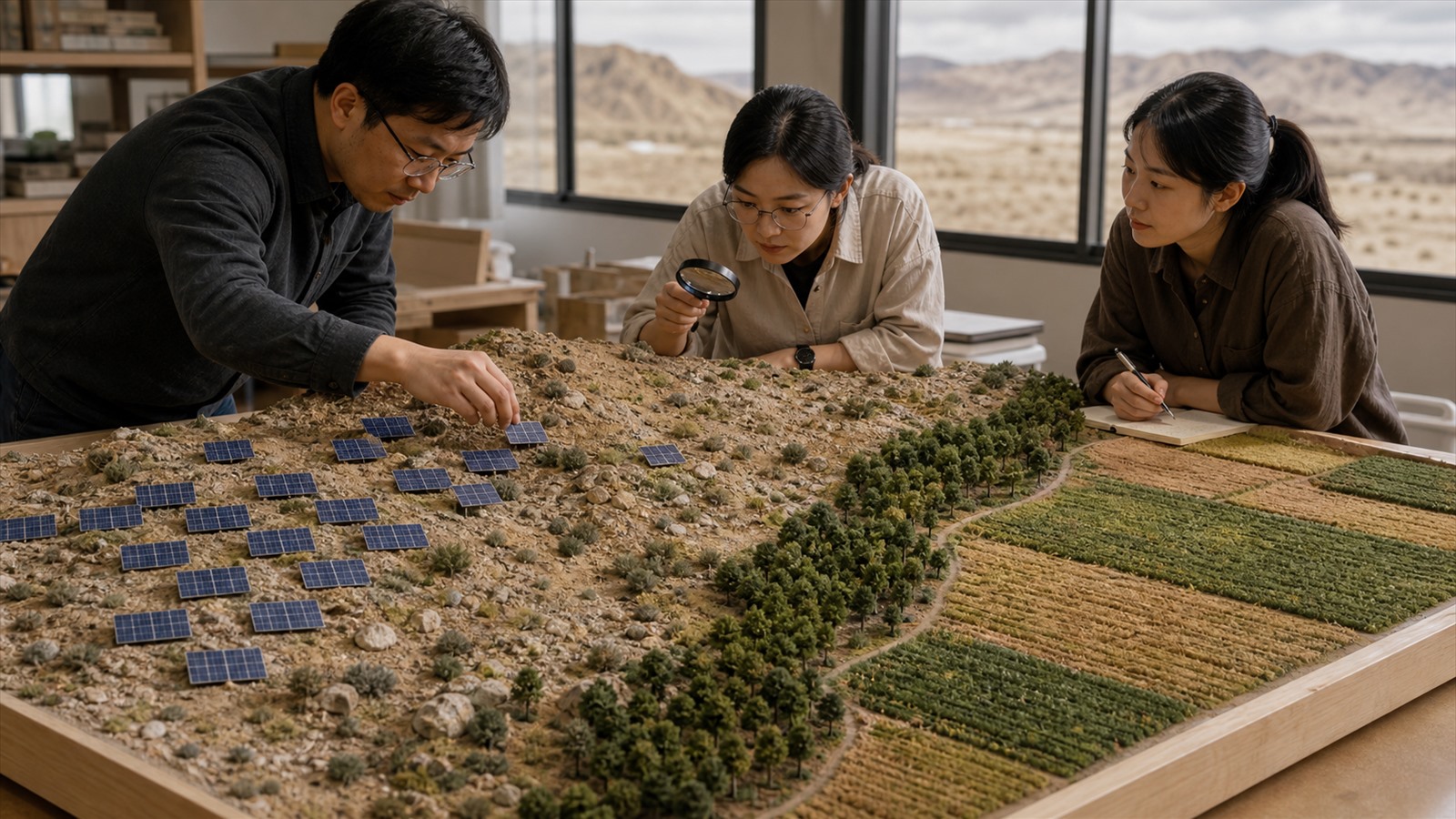
A spatial-planning study identified about 1.58 million square kilometers of Chinese marginal land as potentially suitable for solar development, including 0.40 million square kilometers ranked as high priority. Under the modeled pathways, using only 0.3% to 0.9% of the suitable area could meet projected 2050 photovoltaic land needs while avoiding some conversion of cropland, grassland, and woodland. This is a national suitability model released as an unedited early-access manuscript, not a site approval or proof that land described as marginal is ecologically or socially empty.
Why it matters
Rapid solar growth does not have to create unnecessary conflict with food production or intact ecosystems. Careful siting can preserve more productive and carbon-rich land while directing projects toward locations that pass local environmental and community review.
What to watch
- Field validation of ecology, grazing, water, land tenure, cultural use, transmission access, and community priorities before any location is selected.
- Whether Chinese planning and project approvals measure avoided land conversion and enforce protections rather than treating every mapped marginal area as available.
Sources & evidence
- Photovoltaic deployment on suitable marginal land in China enables energy and sustainability co-benefitsCommunications Earth & Environment research article, DOI 10.1038/s43247-026-03448-5, published April 22, 2026. It integrates suitability constraints with spatial optimization; Nature labels the current page an unedited early-access manuscript, and modeled suitability does not replace site-level ecological, tenure, or engineering review.
- Data underlying the marginal-land photovoltaic suitability studyZenodo research dataset cited by the journal article, DOI 10.5281/zenodo.18453691.
Continue learning with ACC
Explore ACC's renewable energy and grid guide