ACC News Brief
Public Health Western Kenya
Kenya interviews trace how climate shocks can disrupt HIV care and nutrition
What happened
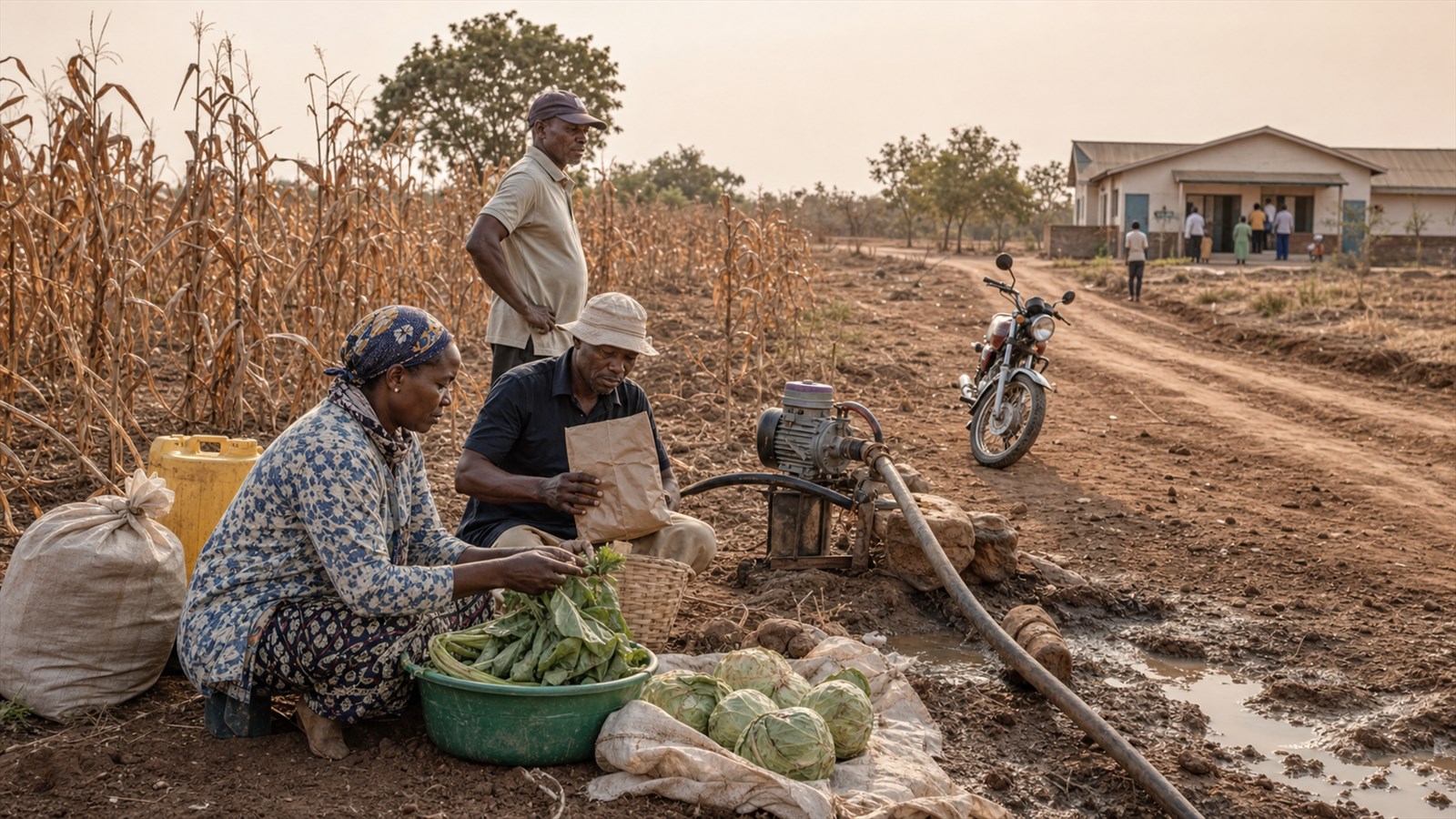
Researchers interviewed 40 adults living with HIV who were smallholder farmers with moderate-to-severe food insecurity in rural western Kenya. Participants described five connected pathways from severe weather to health risk: lower farm yields and income, food insecurity and undernutrition, missed care or medication, infections, and displacement. Agriculture and income were central links across the accounts. This qualitative study documents participants' perceptions and experiences; it did not test the clinical trial intervention or attribute individual events and health outcomes directly to climate change.
Why it matters
Reliable treatment depends on more than medicine supply. Food, income, passable roads, stable housing, and functioning clinics can all be climate-sensitive, so adaptation and HIV programs need to coordinate rather than operate in separate systems.
What to watch
- Programs that connect climate-resilient livelihoods, nutrition support, decentralized medicine access, transport continuity, and clinic emergency planning.
- Larger longitudinal studies that measure health and treatment outcomes across documented weather shocks while protecting patient privacy and avoiding overgeneralization.
Sources & evidence
- Pathways between climate change and HIV health in rural Kenya: a qualitative analysisOpen-access Scientific Reports qualitative study published May 8, 2026, DOI 10.1038/s41598-026-52085-7. It uses interviews with 40 participants and does not evaluate the linked clinical trial intervention.
Continue learning with ACC
Explore ACC's climate resilience guide