ACC News Brief
Climate Science Coastal and estuarine ecosystems
Saltier waters can preserve microbial growth while eroding diversity
What happened
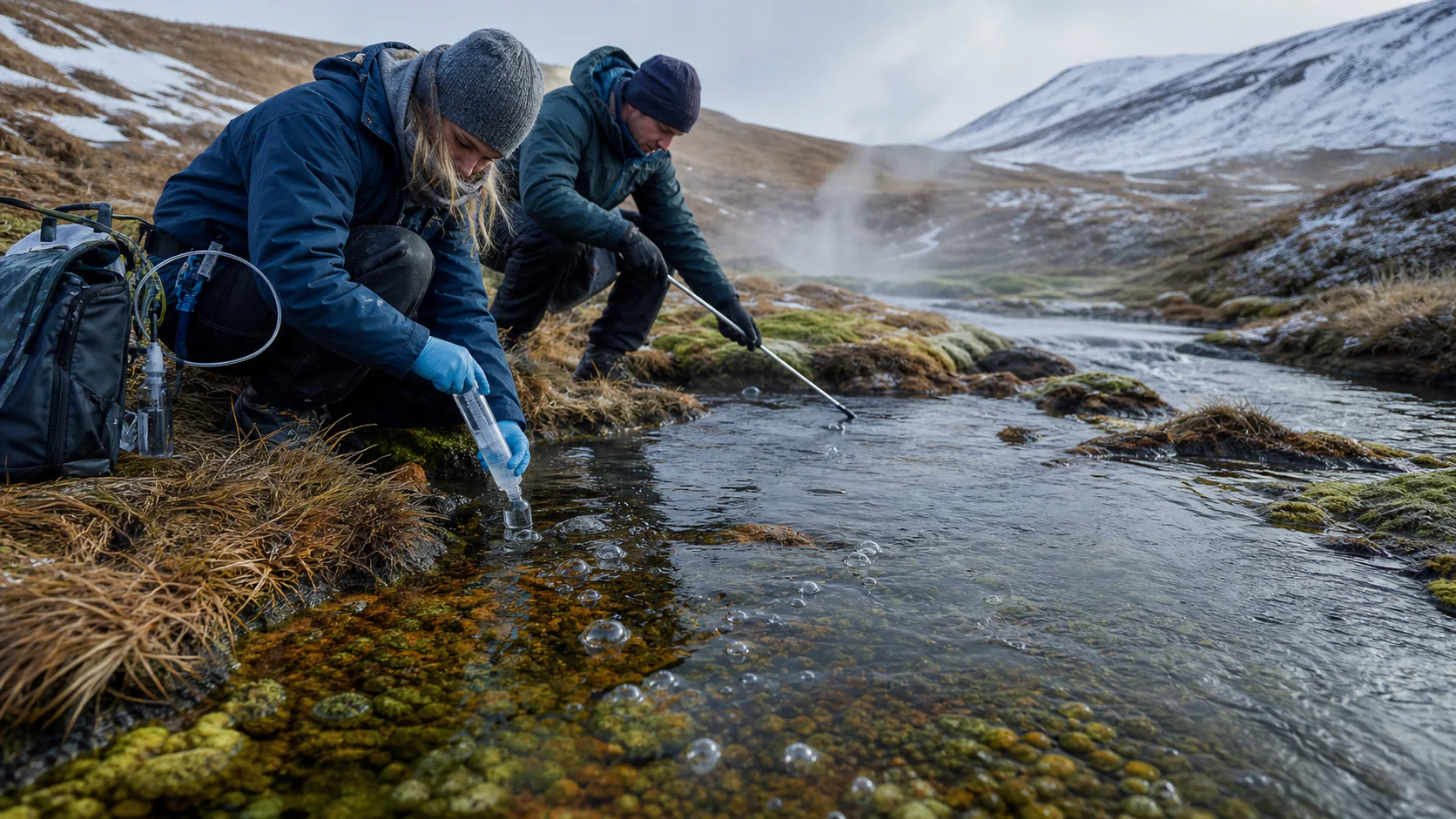
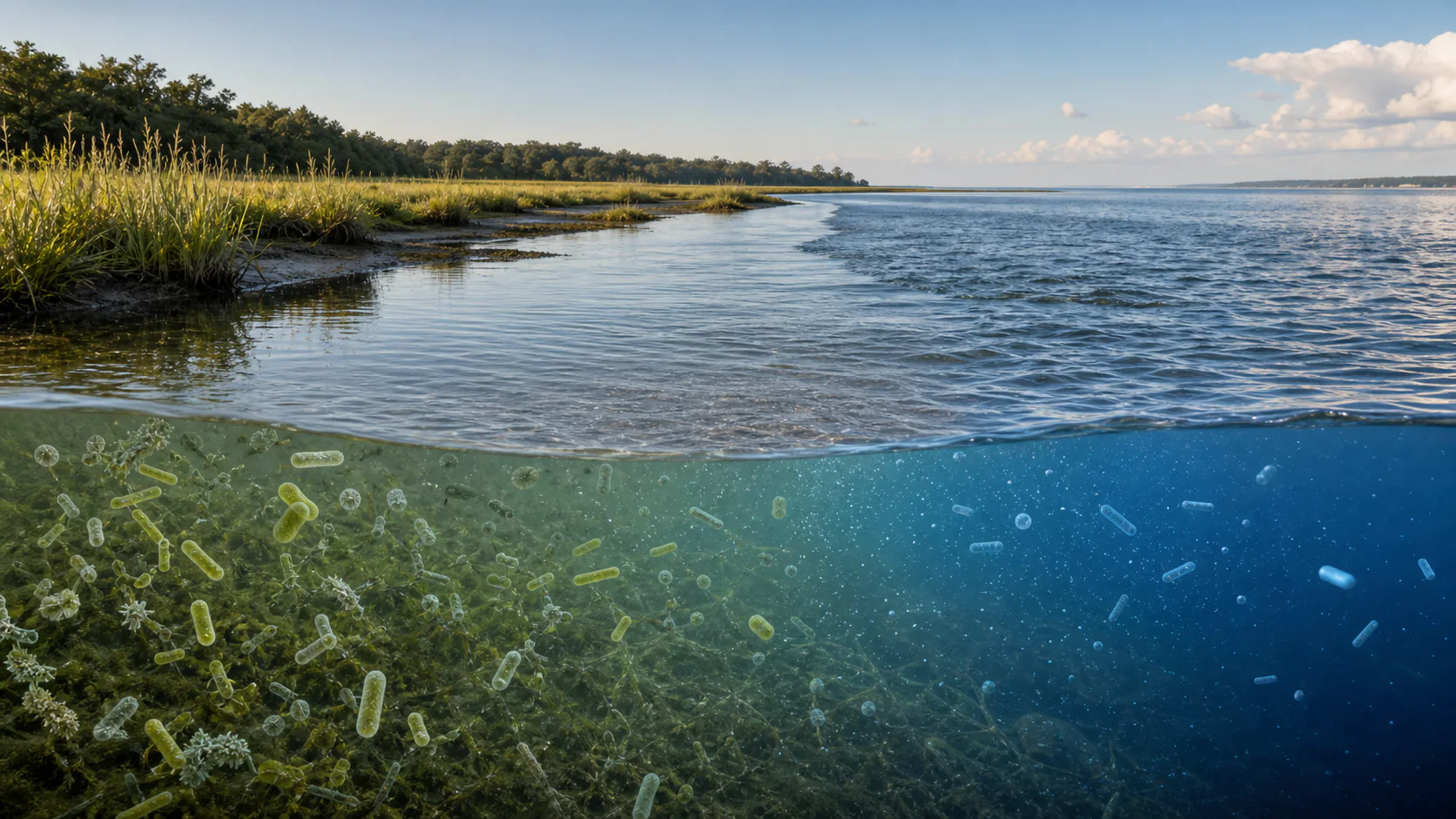
A Nature Microbiology study propagated natural aquatic communities at multiple salinities, measured performance curves for more than 80 bacterial isolates, and checked the pattern against estuarine datasets. As salinity rose, communities shifted toward faster-growing species; overall community growth proved more robust than individual species' growth even as richness and diversity declined.
Why it matters
That buffering matters because sea-level rise and changing precipitation are disrupting salinity gradients. Stable total growth does not mean an unchanged ecosystem: losing diversity can alter resilience and the specific carbon, nutrient, and disease-control functions that microbes perform.
What to watch
- Field monitoring where sea-level rise and salt intrusion are changing freshwater and estuarine habitats.
- Whether the faster-growing species that become dominant preserve the same ecosystem functions.
- Whether lower diversity leaves microbial communities more vulnerable to heat, pollutants, or other stresses.
Sources & evidence
- Nature Microbiology: Predictable shifts in microbial species composition lead to community-wide robustness to environmental stressOpen-access research article published July 17, 2026; DOI 10.1038/s41564-026-02422-3.
- MIT research summary: How an influx of salt may affect microbial ecosystemsPlain-language research summary provided by the Massachusetts Institute of Technology.
Continue learning with ACC
Explore ACC's climate science guide