
ACC News Brief
Clean Energy New York and Canada
New York-Canada transmission supported the grid during July heat
What happened
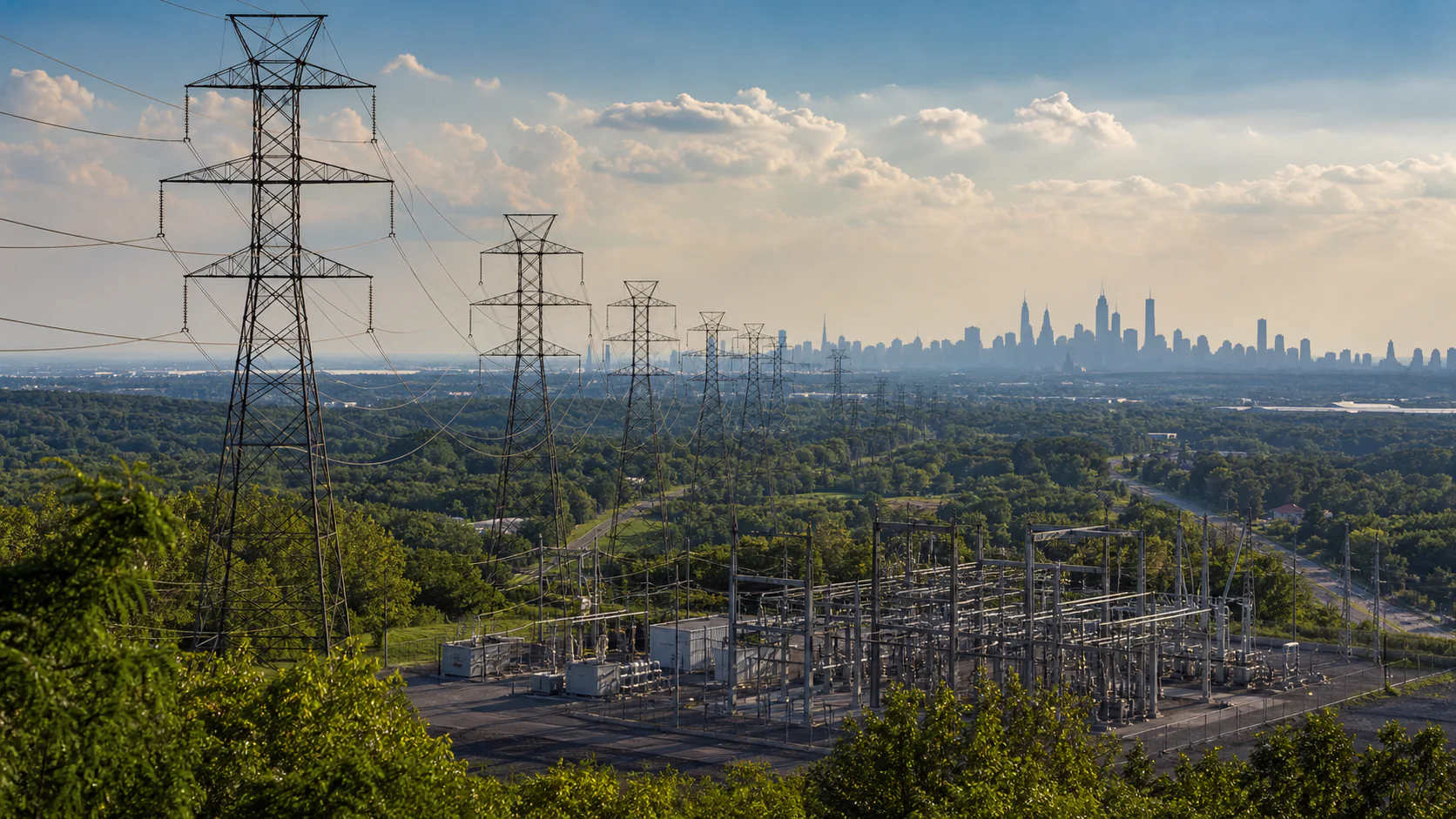
The U.S. Energy Information Administration reported that New York imported 52 gigawatthours of electricity from Canada on July 3, the highest daily trade between the two areas since January 2025, as a heat wave pushed New York's peak load to 31,097 megawatts on July 2. Canadian imports supplied 9% of New York demand on July 3, and EIA said the new 1,250-megawatt Champlain Hudson Power Express was fully used that day. The line also experienced outages in June and July, while drought can constrain Canadian hydropower, so this was a useful resilience test rather than proof of uninterrupted supply.
Why it matters
Regional transmission can connect cities to additional low-carbon electricity and help balance the grid when heat drives demand higher. The same evidence shows why planners need redundancy: reliability depends on the line staying available, adequate hydropower conditions, and continued investment in the wider grid.
What to watch
- CHPE repair performance and availability through the rest of the summer peak-demand period.
- Hourly import volumes, congestion, prices, and the generation mix used when the line is unavailable.
- Hydropower conditions in Canada and whether drought limits exports during future heat events.
Sources & evidence
- New York imports more electricity from Canada after high-voltage transmission line opensU.S. Energy Information Administration in-brief analysis published July 20, 2026, using EIA Hourly Electric Grid Monitor data.
Continue learning with ACC
Explore ACC's renewable energy and grid guide