ACC News Brief
Climate Science Western United States
Global warming is turning western snow droughts into a recurring risk
What happened
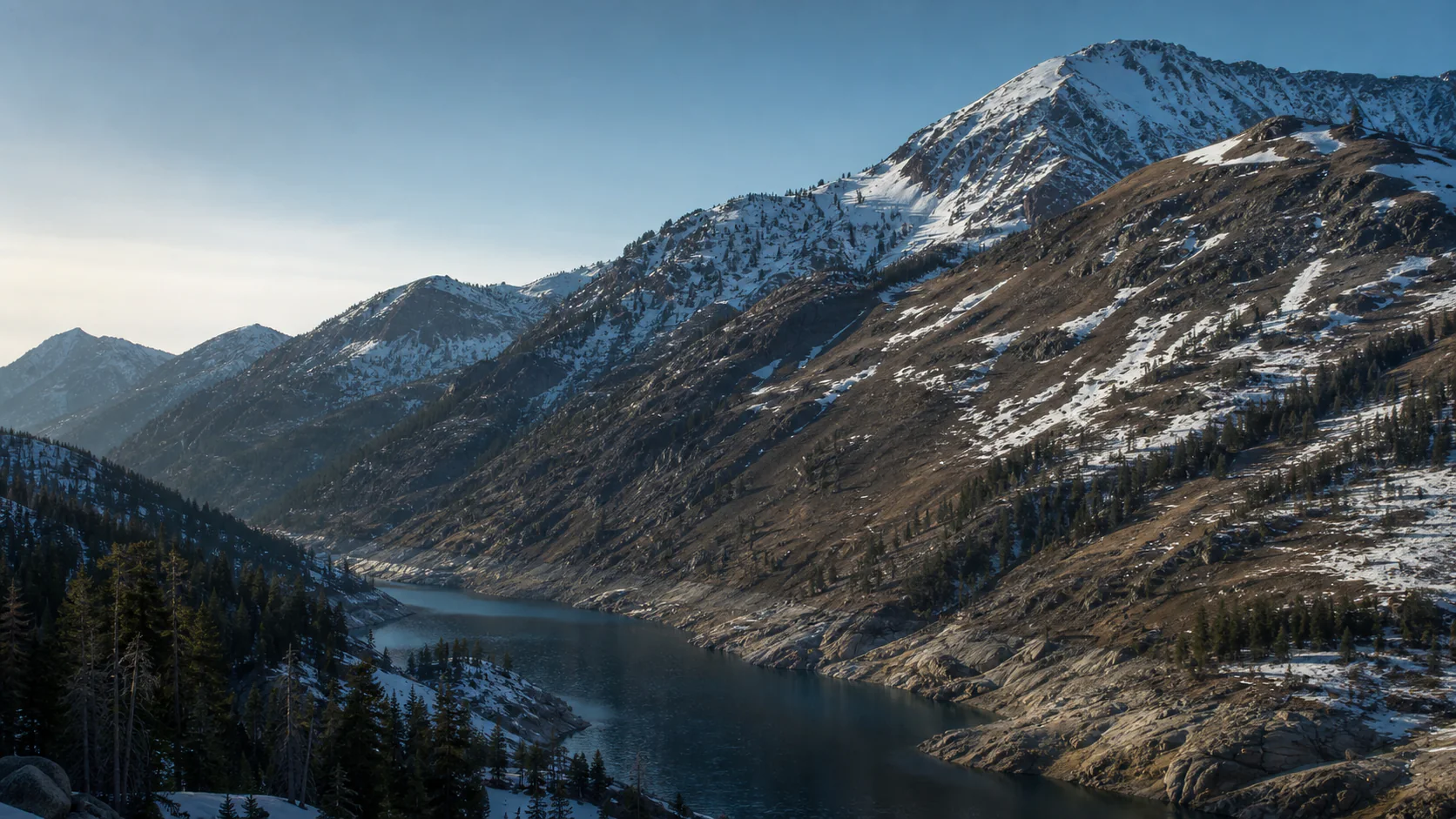
Inside Climate News reported on a new Proceedings of the National Academy of Sciences attribution study finding that human-caused warming made the 2025-2026 western U.S. snow drought far more likely. The report says the event affected much of the mountain West, disrupting water supplies, reservoirs, recreation, and wildfire risk. ACC treats this as a water-planning story: the key issue is not only low snow, but whether managers can adapt to snowpack behaving less like a reliable seasonal reservoir.
Why it matters
Snowpack is a slow-release water system for farms, towns, hydropower, ecosystems, and wildfire resilience. When warming shifts winter storage away from snow, communities can face spring runoff timing problems, summer water stress, and larger fire risk even when total precipitation does not disappear.
What to watch
- Whether western water agencies update drought planning around warmer winters, not only low precipitation.
- How reservoir operations, irrigation allocations, and forest-risk outlooks respond after the 2025-2026 snow drought.
- Future attribution work that separates warming-driven snow loss from natural year-to-year storm variability.
Sources & evidence
- Global warming is turning western snow droughts into a recurring riskInside Climate News article by Bob Berwyn published July 22, 2026, describing a PNAS attribution study of the 2025-2026 western U.S. snow drought.
Continue learning with ACC
Explore ACC's climate science evidence guide