ACC News Brief
Climate Science Antarctica and Global Coasts
Antarctic ice models may offer decades of sea-level planning time
What happened
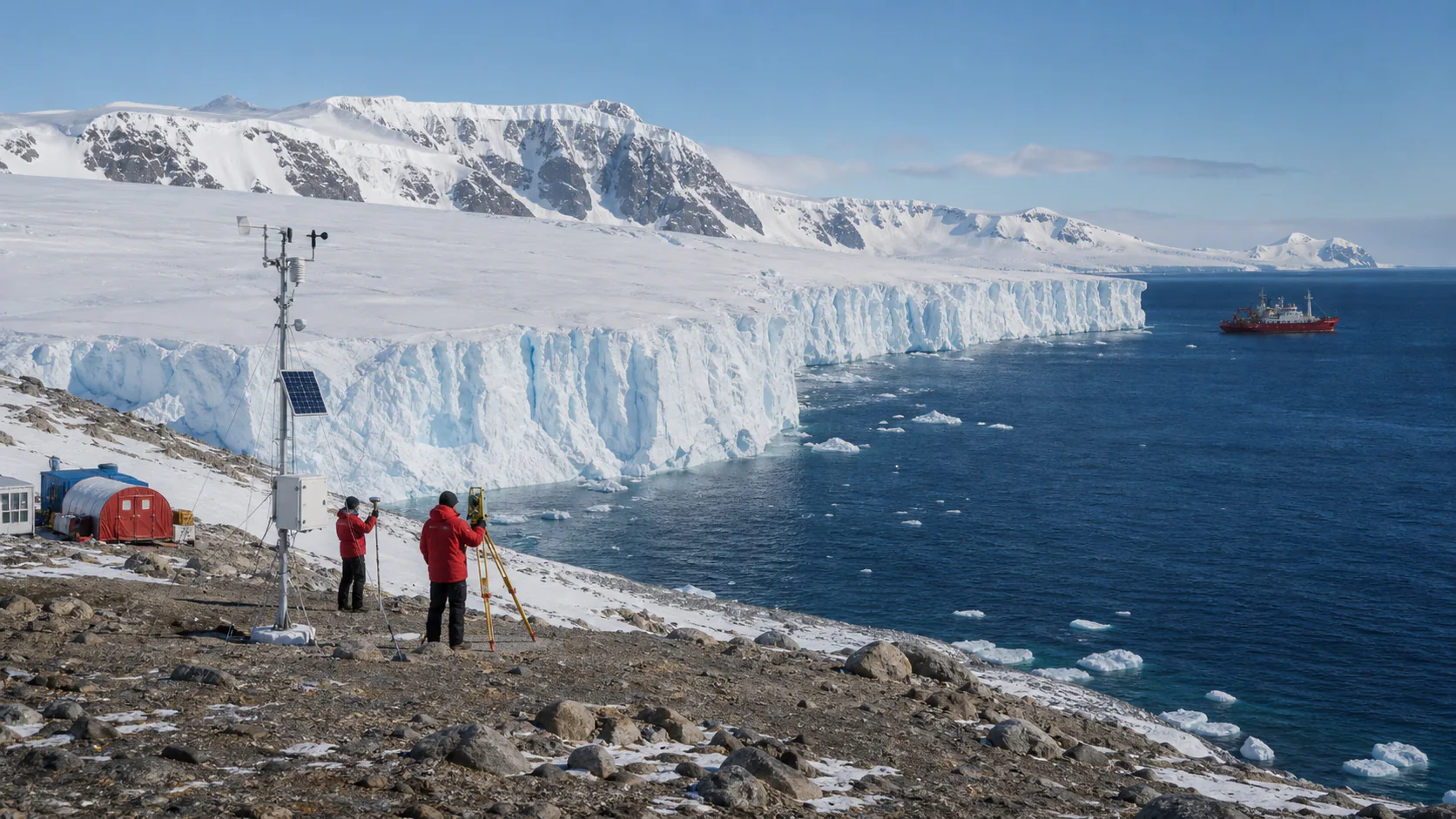
Monash University researchers report in Nature that Antarctica's contribution to sea-level rise can remain strongly predictable to mid-century when models reproduce present-day ice loss. The ScienceDaily summary says this could provide a roughly 30- to 50-year window for coastal planning, while predictability declines later as unstable retreat and feedbacks grow more important. The result is about the useful horizon of calibrated models, not evidence that long-term sea-level risk is smaller.
Why it matters
Coastal defenses, land-use rules, drainage, insurance, and relocation decisions often require decades of lead time. A clearer near-term planning range can improve investment choices even while governments prepare for wider uncertainty later in the century.
What to watch
- Whether other ice-sheet models reproduce the study's predictability horizon and uncertainty ranges.
- How quickly new satellite and field observations improve estimates of present-day Antarctic ice loss.
- Whether coastal plans use near-term confidence without locking communities into designs that fail under higher long-term sea levels.
Sources & evidence
- Antarctica may give the world decades to prepare for rising seasScienceDaily summary dated July 23, 2026, based on Monash University research published in Nature.
- Nature study on Antarctic sea-level predictabilityPeer-reviewed Nature research cited by the university summary.
Continue learning with ACC
Explore ACC's climate science evidence guide