ACC News Brief
Sustainable Living Global
Heat experts share practical, low-energy ways to cool people and homes

What happened
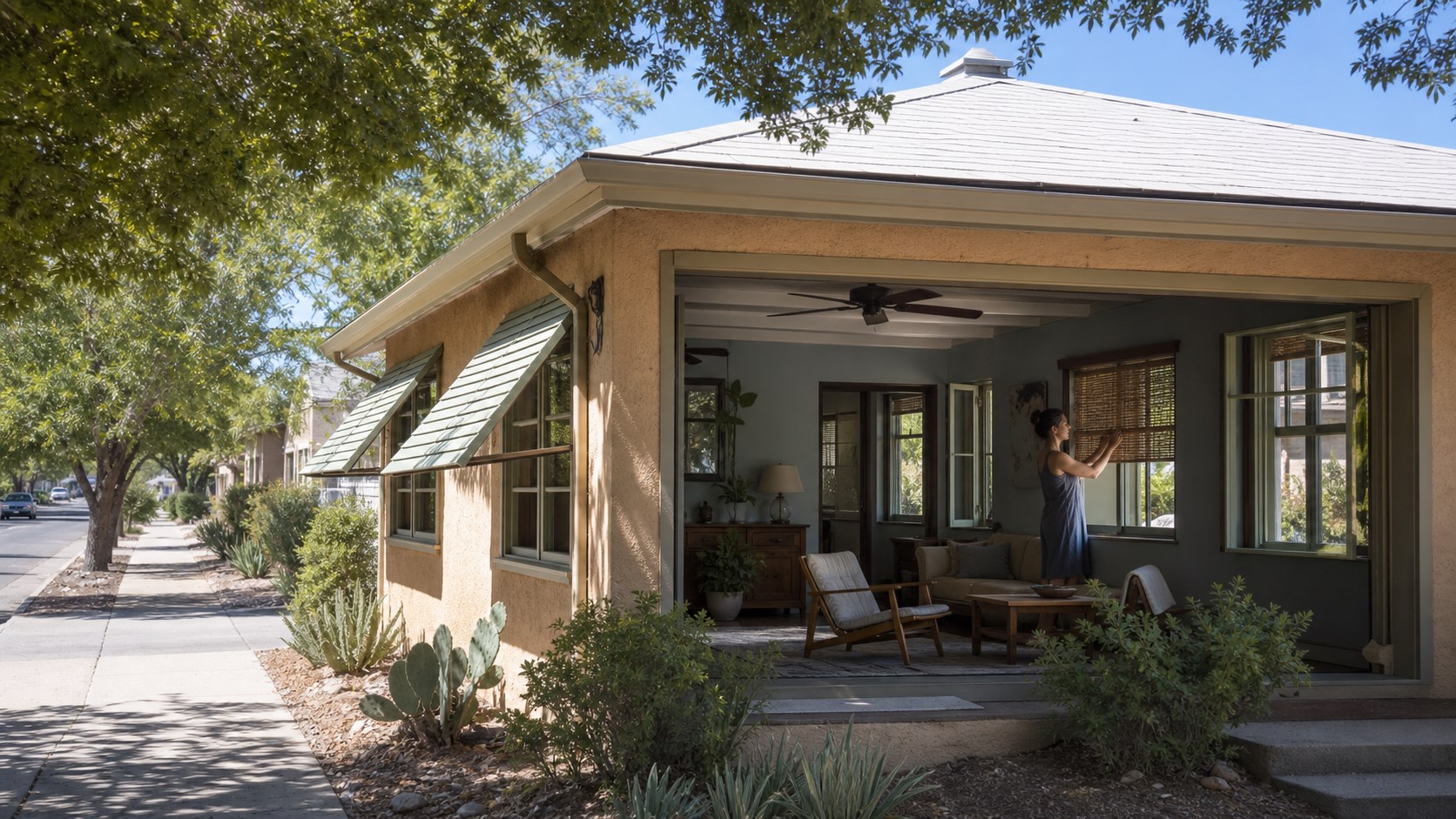
People who live and work in some of the world's hottest places shared practical heat-safety lessons with The Guardian. Recommendations included drinking water steadily, wetting skin or clothing for evaporative cooling, using cool damp cloths or ice towels, moving strenuous activity out of peak hours, wearing loose protective clothing, creating shade, closing shutters during the hottest part of the day, and opening homes when outdoor air is cooler.
Why it matters
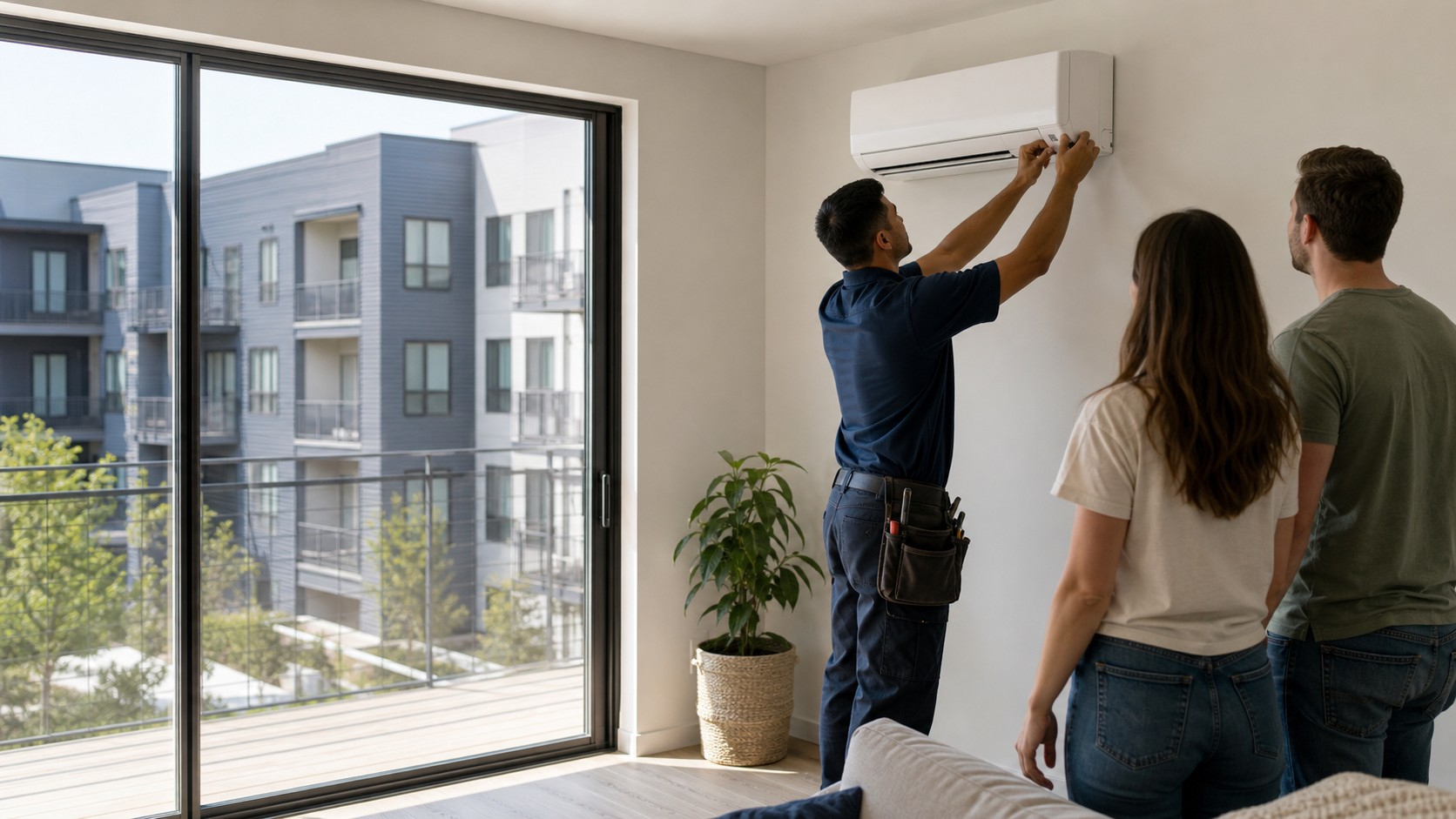
Extreme heat protection cannot depend only on expensive air conditioning. Low-energy cooling, safer schedules, shade, ventilation, hydration, and neighborhood check-ins can reduce risk and energy demand, especially for renters and households with limited access to mechanical cooling. Severe symptoms still require prompt medical attention.
What to watch
- Local heat alerts and public-health guidance, especially for older adults, children, workers, and people with medical risks.
- Indoor temperatures and whether windows should be opened or closed based on outdoor conditions and air quality.
- Community investment in trees, shade, cool public spaces, worker protections, and efficient home cooling.
Sources & evidence
- How to keep cool in a heatwave: 25 tips from the people who know bestThe Guardian feature published July 26, 2026, gathering heat-safety and low-energy cooling practices from health experts and people working in very hot climates.
Continue learning with ACC
Explore ACC's sustainable living guide