ACC News Brief
Sustainable Living United Kingdom
Egg study exposes a climate, land-use, and animal-welfare tradeoff
What happened
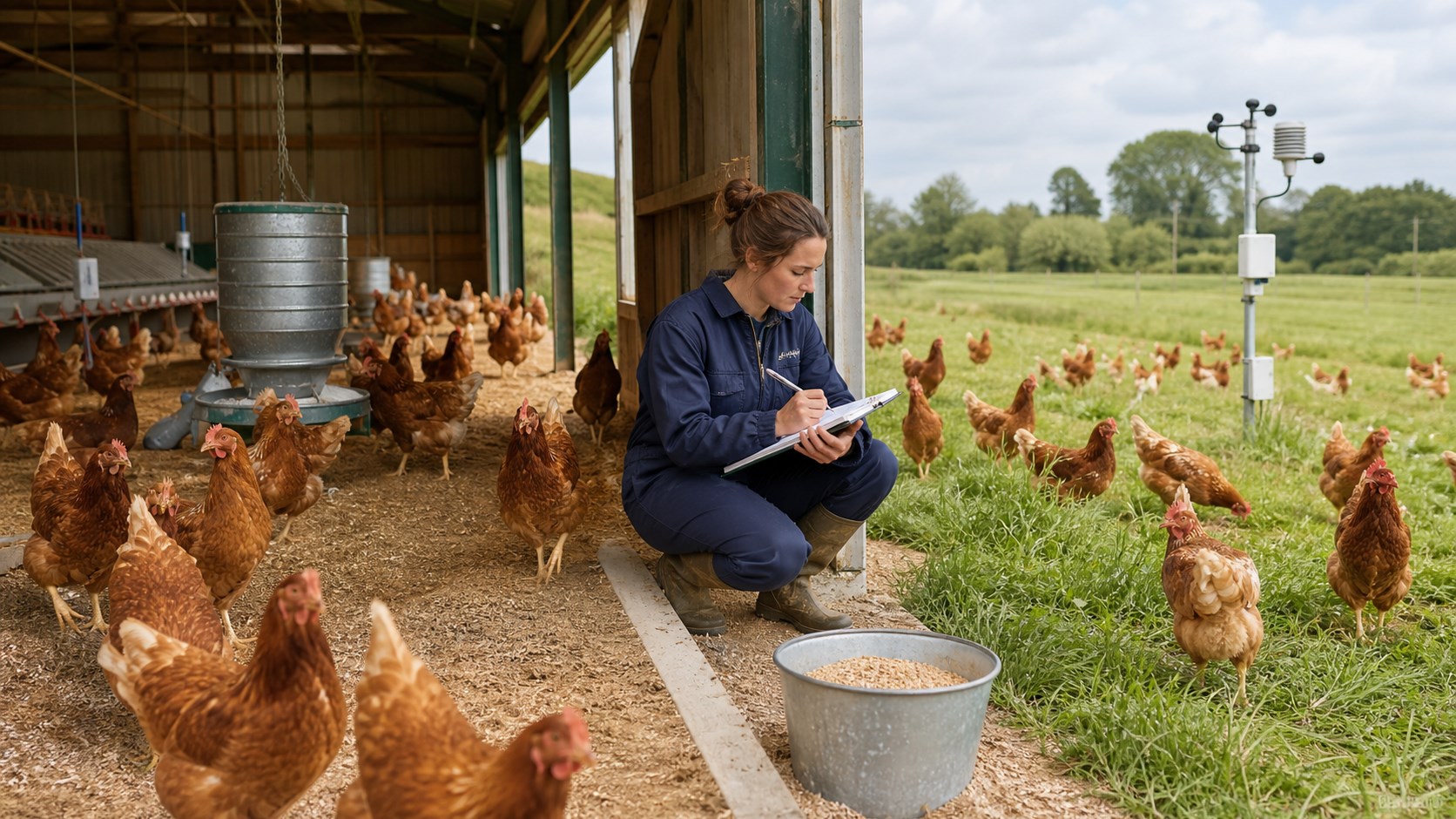
A UK modeling study found that switching all egg production to organic free-range systems would roughly double estimated greenhouse-gas emissions compared with an all-caged system, while also increasing modeled land use, acidification, and eutrophication. The authors and outside experts stress that the analysis used 2009-2010 farm data and did not capture every impact, including pesticide use or on-farm biodiversity.
Why it matters
Food choices can involve real tradeoffs between emissions efficiency, land use, pollution, animal welfare, and biodiversity. Honest sustainability guidance should show those dimensions together instead of turning one metric or label into a complete answer.
What to watch
- Newer farm data that reflect changes in feed, housing, energy use, and flock health.
- Broader comparisons that include biodiversity, pesticides, soil, water, and welfare.
- Whether producers reduce feed and energy impacts without compromising animal well-being.
Sources & evidence
- Organic eggs have worse impact on climate than eggs from caged chickensGuardian environment report published July 29, 2026, covering a Royal Society Open Science study and its limitations.
Continue learning with ACC
Explore ACC's Sustainable Living Guide