ACC News Brief
Resilience United States
Flash droughts hit U.S. maize harder through atmospheric aridity
What happened
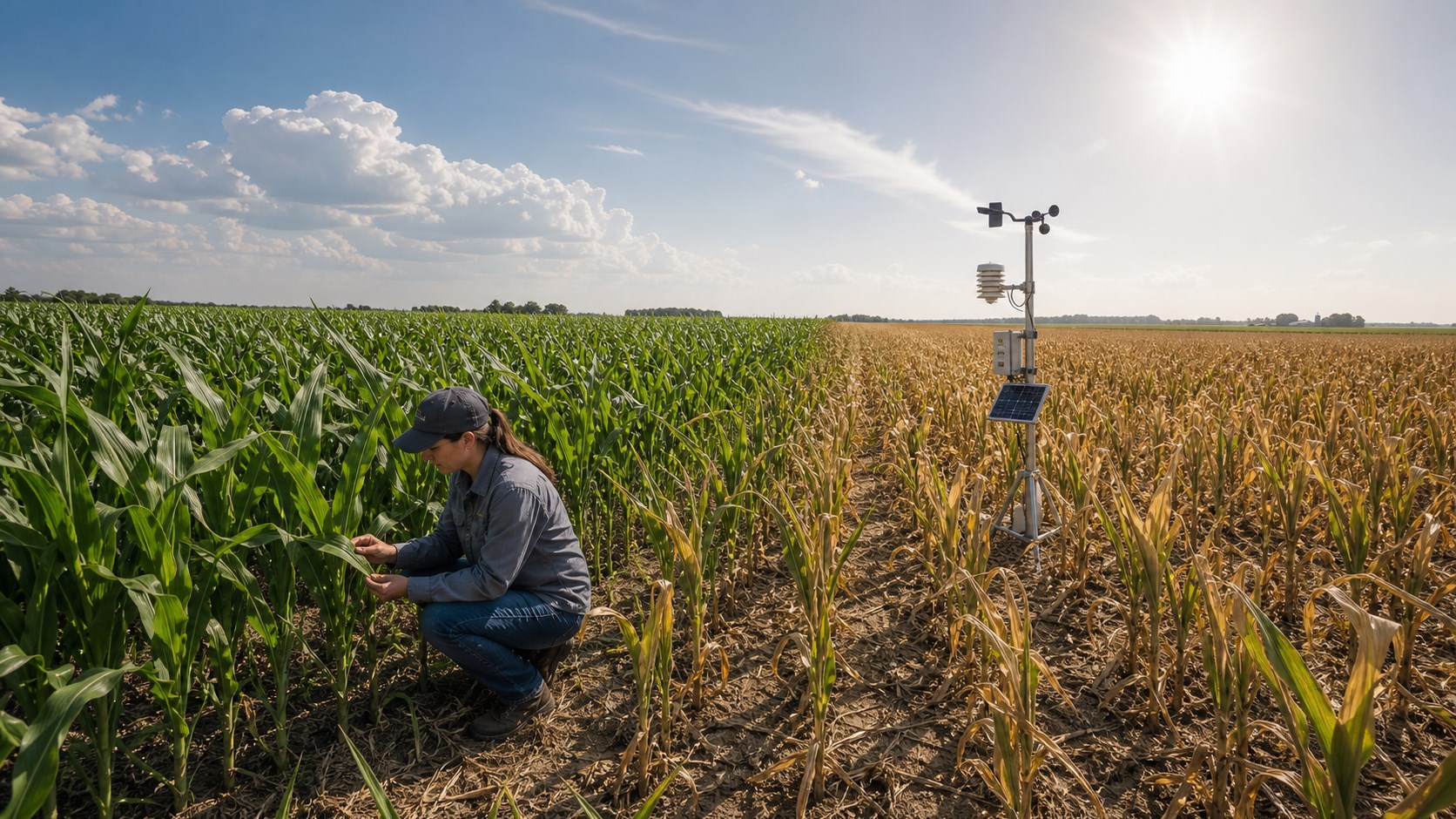
A U.S. analysis combining long-term yield records, crop-development observations, and reanalysis data found that rapid-onset flash droughts can cause larger maize losses than slower droughts. The study points to intensified atmospheric aridity during sensitive growth stages as a central reason the fast-developing events are especially damaging.
Why it matters
Flash drought can outrun seasonal planning because soil and air dry quickly while crops are developing. Monitoring atmospheric demand as well as rainfall and soil moisture can improve warnings, irrigation decisions, crop insurance, and breeding priorities.
What to watch
- Whether operational crop-warning systems add atmospheric aridity and crop-stage indicators.
- How irrigation access, soil health, and crop varieties change regional vulnerability.
- Whether projected flash-drought changes are incorporated into farm finance and insurance.
Sources & evidence
- Flash droughts amplify maize yield losses through intensified atmospheric aridityOpen-access Communications Earth & Environment research article published July 29, 2026.
Continue learning with ACC
Explore ACC's climate resilience guide