ACC News Brief
Resilience Greater Boston, Massachusetts
Cool-roof tools target heat trapped in Boston's older homes
What happened
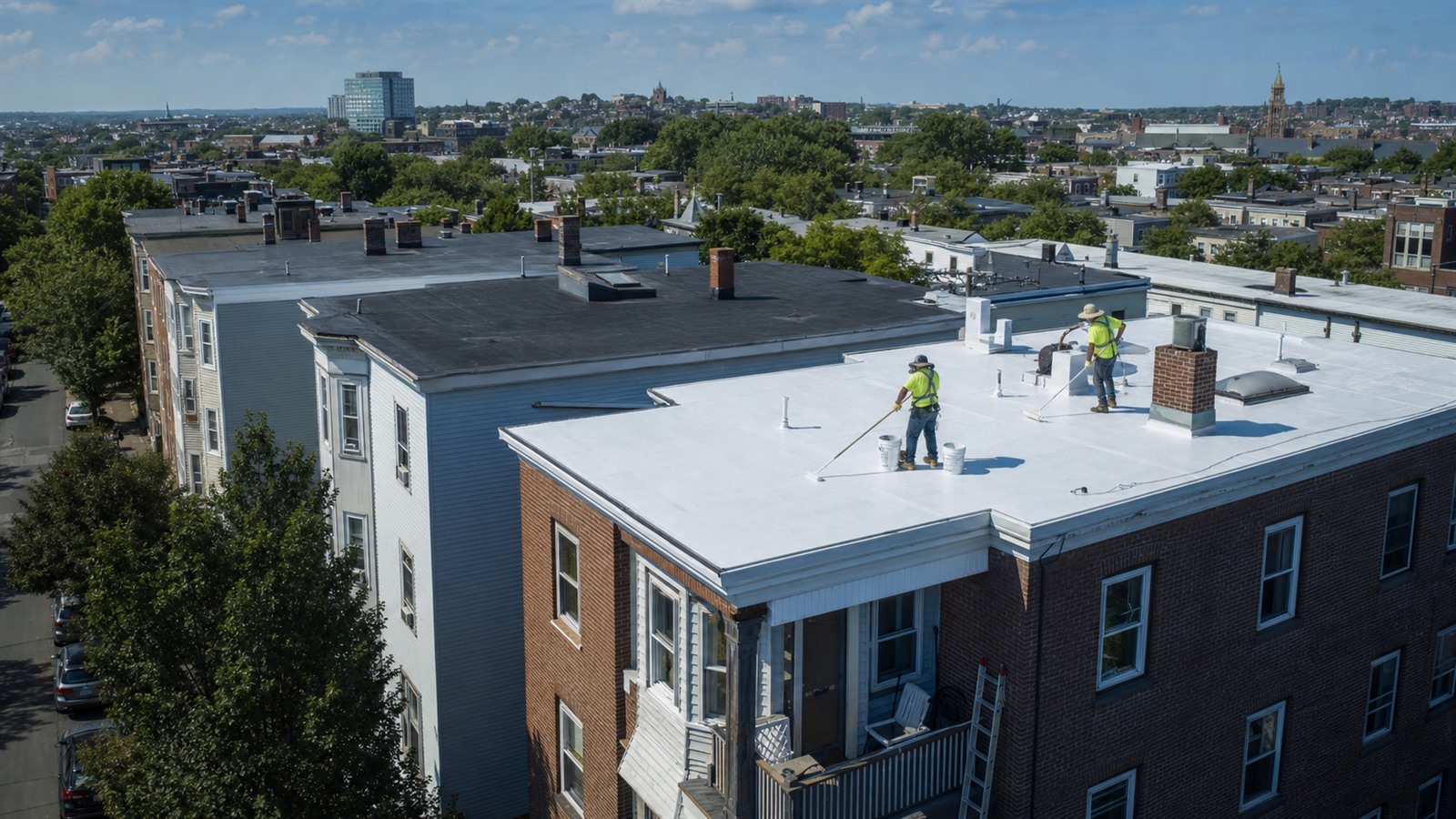
Many Boston-area homes were designed to retain winter heat, leaving residents vulnerable as summers become hotter. The Metropolitan Area Planning Council released an online assessment and regional map to identify roofs suited for reflective coatings or materials that absorb less solar heat.
Why it matters
Cool roofs can lower indoor heat exposure, reduce air-conditioning demand, and help cool surrounding neighborhoods. Targeting tools are especially useful where older buildings, limited ventilation, high energy costs, and unequal access to cooling overlap.
What to watch
- Whether cities and building owners use the map to prioritize the hottest and most vulnerable areas.
- Funding and tenant protections that make retrofits available beyond affluent property owners.
- Measured changes in indoor temperature, electricity use, and neighborhood heat after installation.
Sources & evidence
- Boston homes were built for winter. That's becoming a problem.Yale Climate Connections report published August 3, 2026, featuring the Metropolitan Area Planning Council's cool-roof assessment and map.
Continue learning with ACC
Explore ACC's climate resilience guide