ACC News Brief
Resilience Tokyo, Japan
Modeled rooftop rainwater systems could cool cities more efficiently
What happened
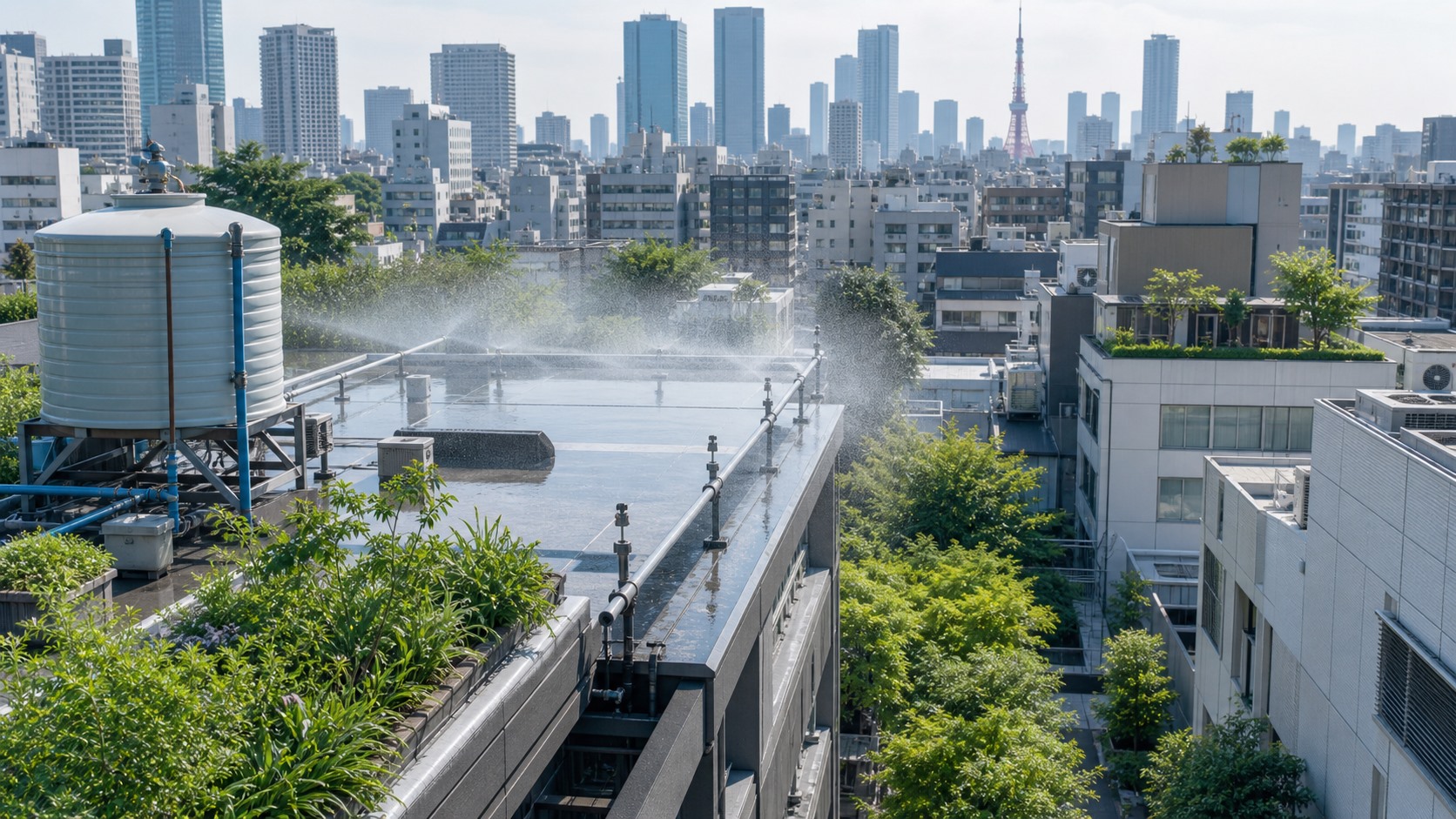
University of Manchester researchers modeled rooftop rainwater capture and timed sprinkling across Tokyo and found that operating strategy mattered more than simply installing larger tanks. The modeled system reduced air-conditioning demand, moderated urban heat, and cut heat-wave days while also retaining some stormwater runoff.
Why it matters
Cities need adaptation measures that address heat, energy use, and heavy rainfall together. Using stored rainwater on roofs could offer multiple benefits, but the findings are modeled results and need practical pilots, maintenance plans, and water-quality safeguards before broad deployment.
What to watch
- Field trials that compare modeled cooling and energy savings with real buildings.
- How timing controls perform under different roof types, climates, and water restrictions.
- Costs, maintenance, mosquito control, and stormwater benefits at neighborhood scale.
Sources & evidence
- Harvesting rainwater on rooftops could help cities stay coolUniversity of Manchester report published by Phys.org on August 5, 2026, describing a Tokyo modeling study of rainwater storage, timed roof sprinkling, heat, energy, and runoff.
- Earth's Future studyPeer-reviewed study underlying the modeled rooftop rainwater and urban-cooling results.
Continue learning with ACC
Explore ACC's climate resilience guide