ACC News Brief
Clean Energy Global
Organic solar cell reaches 20.92% efficiency in an early-stage lab result
What happened
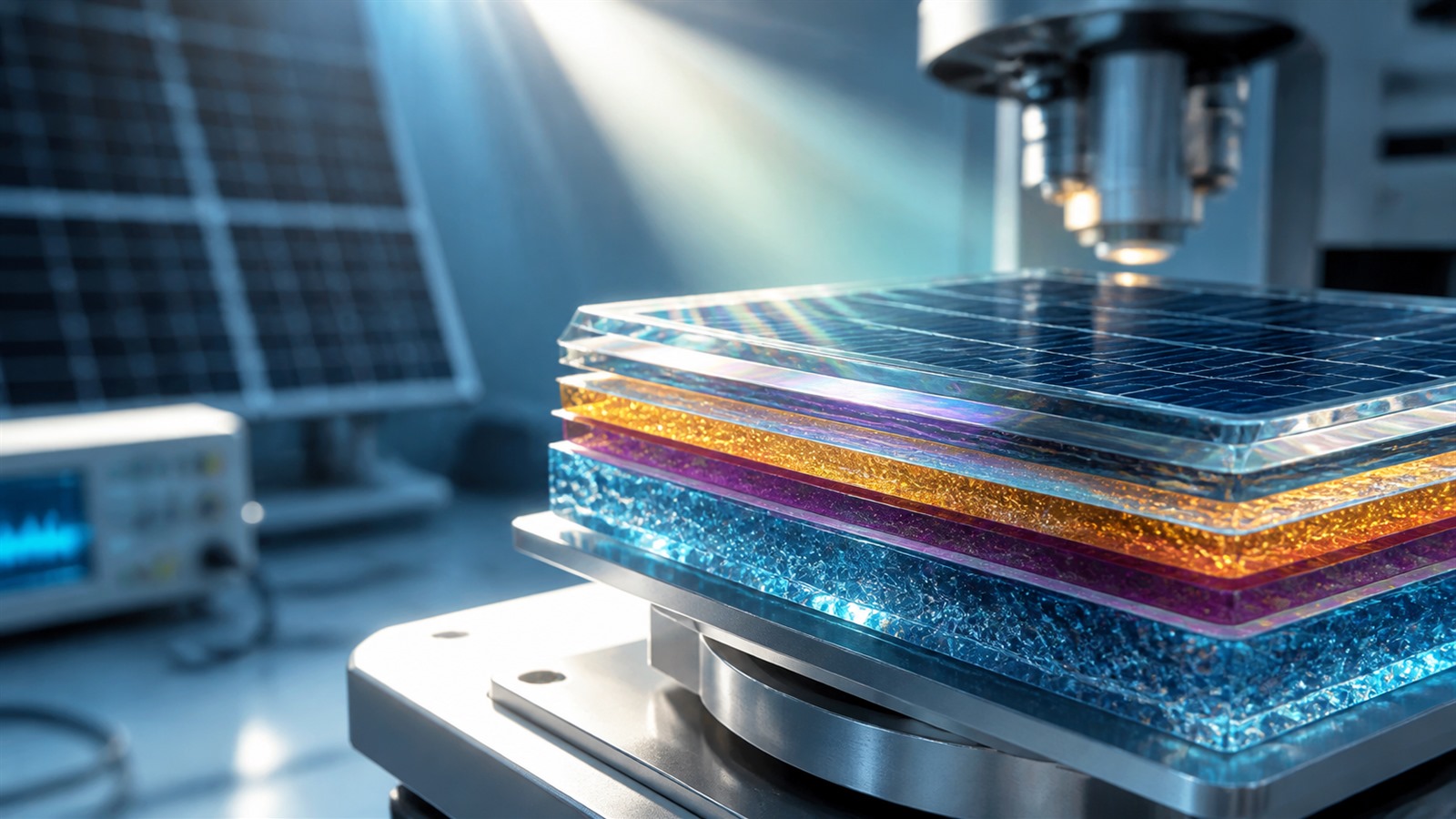
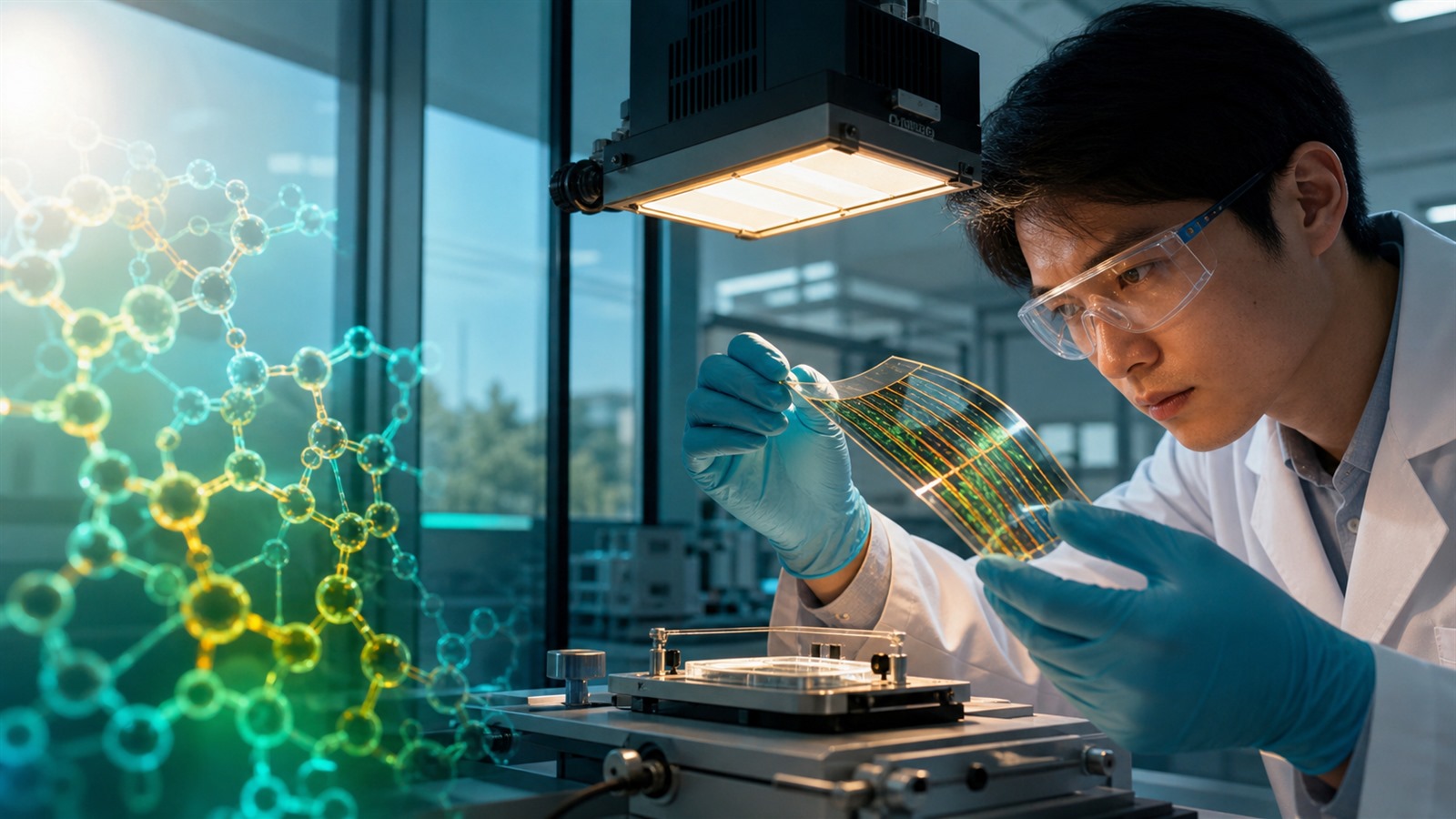
Researchers report that chlorobenzene side-chain modifications produced ordered molecular packing in new electron acceptors. A binary organic solar cell reached 20.0% power-conversion efficiency, while a ternary device reached 20.92% with an 82.93% fill factor.
Why it matters
Organic photovoltaics can be lightweight, flexible, and compatible with surfaces that are difficult for conventional panels. Higher laboratory efficiency is useful progress, but it is not the same as a certified commercial module or durable field performance.
What to watch
- Independent efficiency certification and replication by other laboratories.
- Operating lifetime, heat and moisture stability, scalable manufacturing, and material or solvent impacts.
- The final edited paper; Nature Communications identifies the current article as an unedited early-access manuscript.
Sources & evidence
- Achieving Near 21% Efficiency Organic Solar Cells through Controlled Packing of Fused-Ring Electron AcceptorsNature Communications research article published August 15, 2026, reporting binary and ternary laboratory device results.
Continue learning with ACC
Explore ACC's renewable electricity and grid guide