ACC News Brief
Clean Transport Asia-Europe corridor
Shipping study supports a phased shift from biofuels to electrofuels
What happened
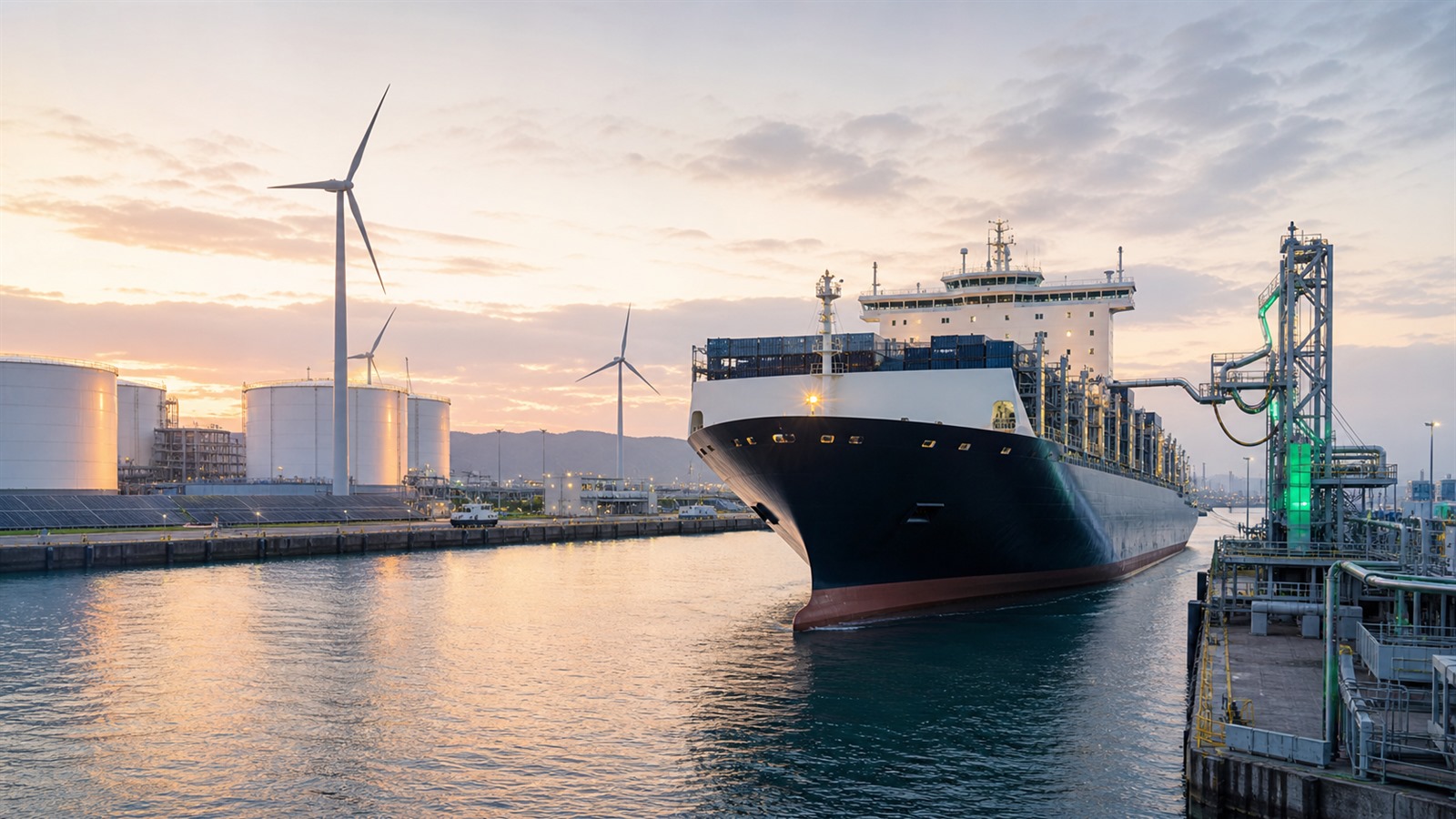
A policy brief comparing 13 marine fuels finds that biofuels could deliver modeled near-term greenhouse-gas reductions of 31% to 47% along the Asia-Europe shipping corridor. Electrofuels become more competitive after 2040 as clean electricity expands and policy requirements tighten.
Why it matters
International shipping still relies overwhelmingly on fossil fuel, while ships and fuel infrastructure last for decades. A phased strategy could avoid waiting for one perfect fuel, but benefits depend on sustainable feedstocks, genuinely low-carbon electricity, lifecycle accounting, and stable international rules.
What to watch
- Whether the International Maritime Organization framework produces durable investment signals.
- Sustainable biofuel supply that does not shift pressure onto food, forests, or biodiversity.
- Ports, vessels, renewable power, and fuel-production infrastructure needed for later electrofuel scale-up.
Sources & evidence
- Phased fuel transition for low-carbon shippingNature Sustainability policy brief published August 18, 2026, based on lifecycle, energy, policy, and cost modeling through 2050.
Continue learning with ACC
Explore ACC's alternative fuels guide