
ACC News Brief
Climate Resilience Global
Proposed pilot tool — methodology is not final
UNEP proposes a nine-indicator drought-resilience self-assessment
What happened
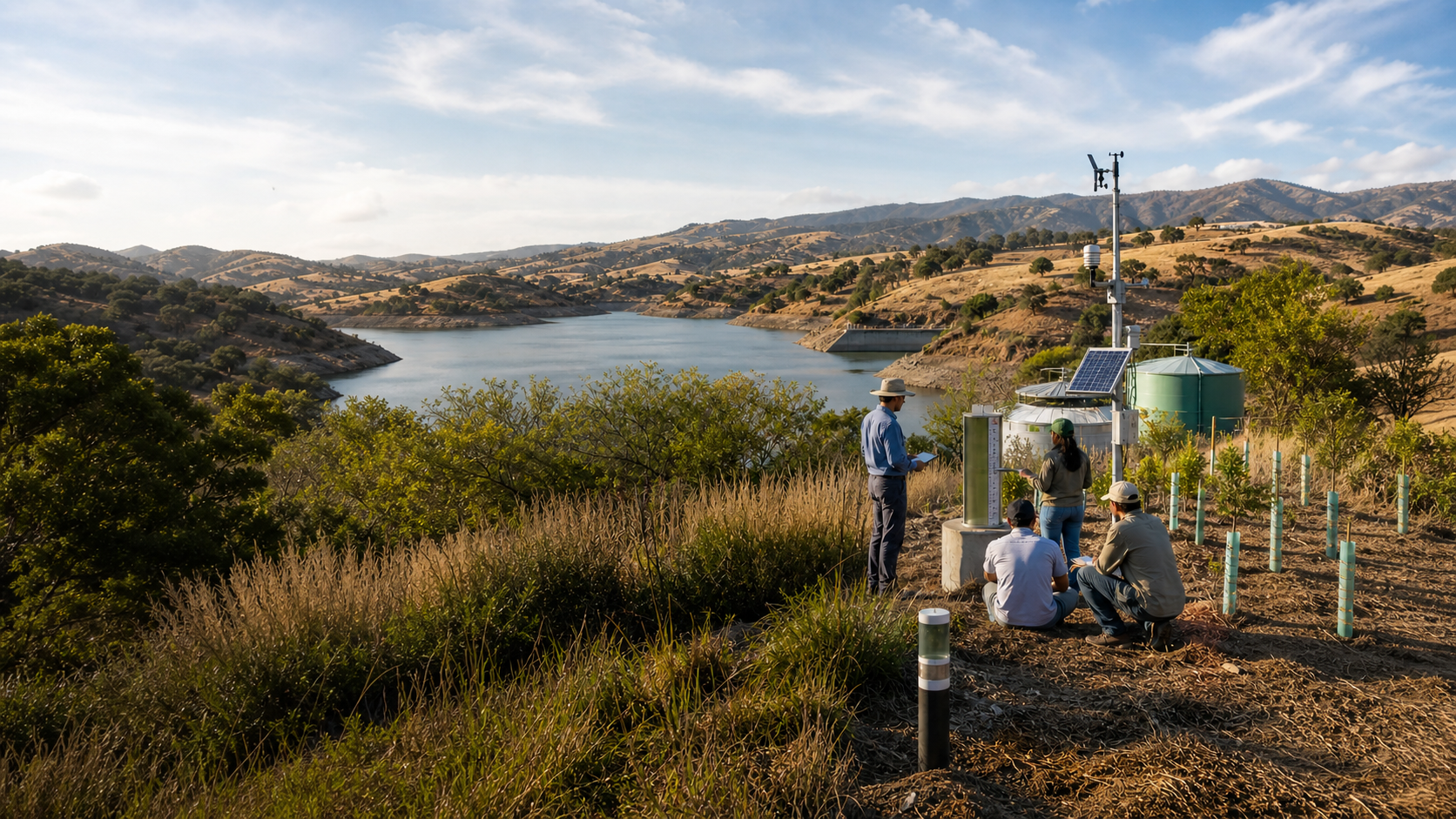
A new UNEP report proposes a Drought Resilience Capacity Index that would help countries assess whether their institutions can anticipate, prepare for, and adapt to drought. The draft framework uses nine linked indicators and is designed to build on existing data and environmental reporting. UNEP says the methodology is a technical starting point, not a finished global standard, and still needs country pilots, consultation, and refinement.
ACC context
Hazard monitoring answers questions such as where drought is developing. A capacity index asks a different question: whether governance, finance, plans, information systems, and long-term adaptation are ready before a crisis. A comparable score could help identify gaps, but it would not by itself prove that communities or ecosystems are safer.
Why it matters
Drought can cascade through water supplies, food production, ecosystems, public health, energy, and livelihoods. A concise assessment could help governments identify weak links before an emergency, provided the indicators use reliable data, reflect local conditions and inequality, and lead to funded action rather than reporting alone.
What to watch
- Which countries or basins join pilots and how the methodology changes after consultation.
- Whether scores can be reproduced with existing data without hiding missing or low-quality information.
- Independent testing against real preparedness and impact outcomes, including distributional and gender effects.
- Whether any intergovernmental body formally adopts or incorporates the framework into reporting after refinement.
Sources & evidence
- UNEP report repository record for Built for Drought ResilienceAugust 2026 report record for DOI 10.59117/20.500.11822/49799. Status boundary: the proposed index is a technical starting point requiring pilots, consultation, and refinement.
- UNEP stable handle for the drought-resilience reportStable repository handle for Built for Drought Resilience: Proposing a Global Drought Resilience Capacity Index.
- UNEP direct report PDFPrimary report text describing the Anticipate, Prepare, and Adapt functions, nine indicators, and the limitations of the proposed methodology.
- UNEP Executive Director speech at the report launchReport-launch speech delivered in Ulaanbaatar and published August 25, 2026; it calls for a pilot approach rather than claiming an adopted global standard.
Continue learning with ACC
Explore climate resilience, adaptation, justice, and community action