ACC News Brief
Wildfires European Union and WHO European Region
Official-source synthesis - burned-area totals cover fires over 30 hectares and may be refined
Europe widens wildfire planning beyond its traditional fire zones
What happened
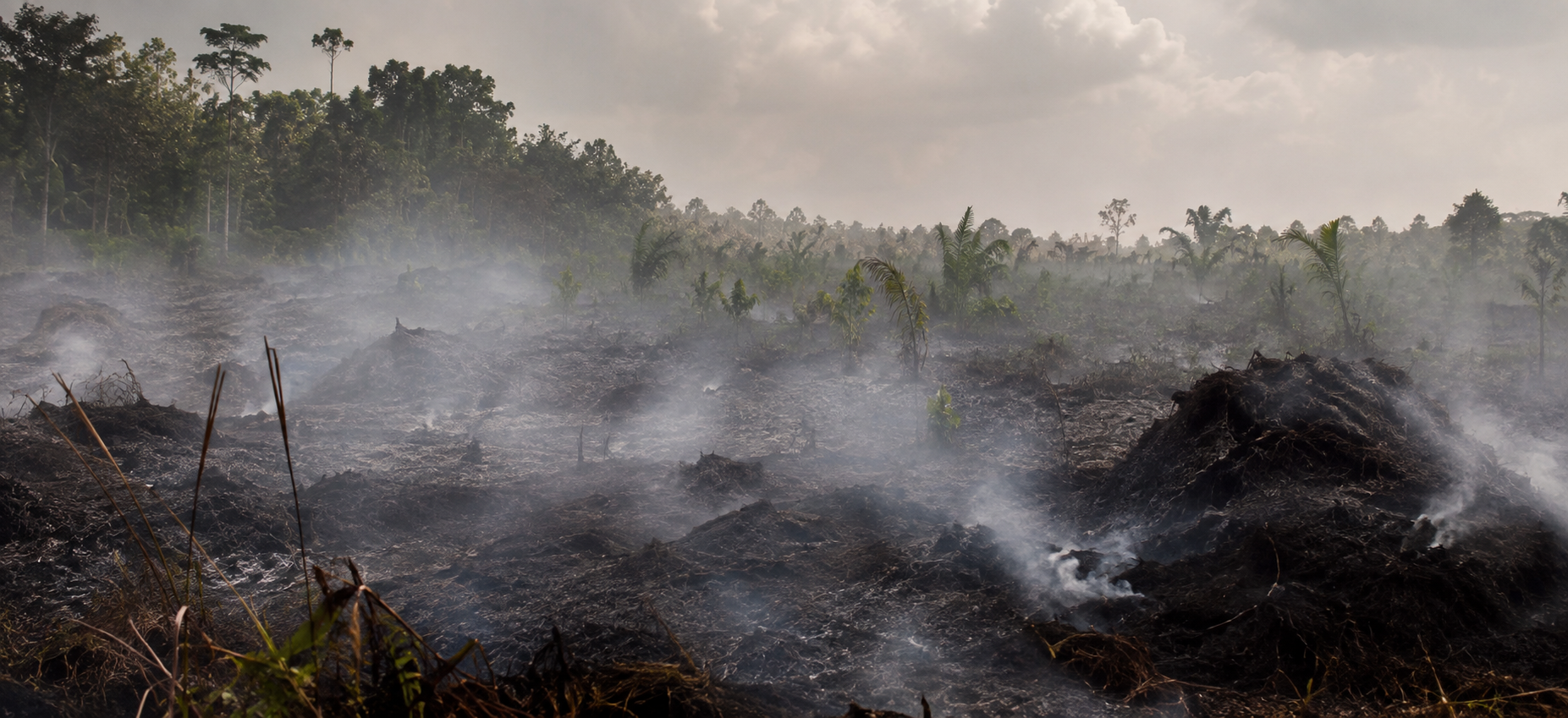
JRC/EFFIS reported 647,882 hectares burned in European Union countries through September 3, below 994,706 hectares by the same point in record-setting 2025. The comparable weekly cumulative figure through August 26 was about twice the 20-year average. WHO Europe highlights concern in historically cooler or wetter parts of western and northern Europe, including a Scottish peat fire that required more than 500 firefighters and took over a month before crews stood down.
ACC context
Most European wildfires are ignited by people. Climate conditions affect fire behavior but do not prove the cause of a specific ignition. The preparedness framing is long-term, not a claim of uniformly high current danger across Europe.
Why it matters
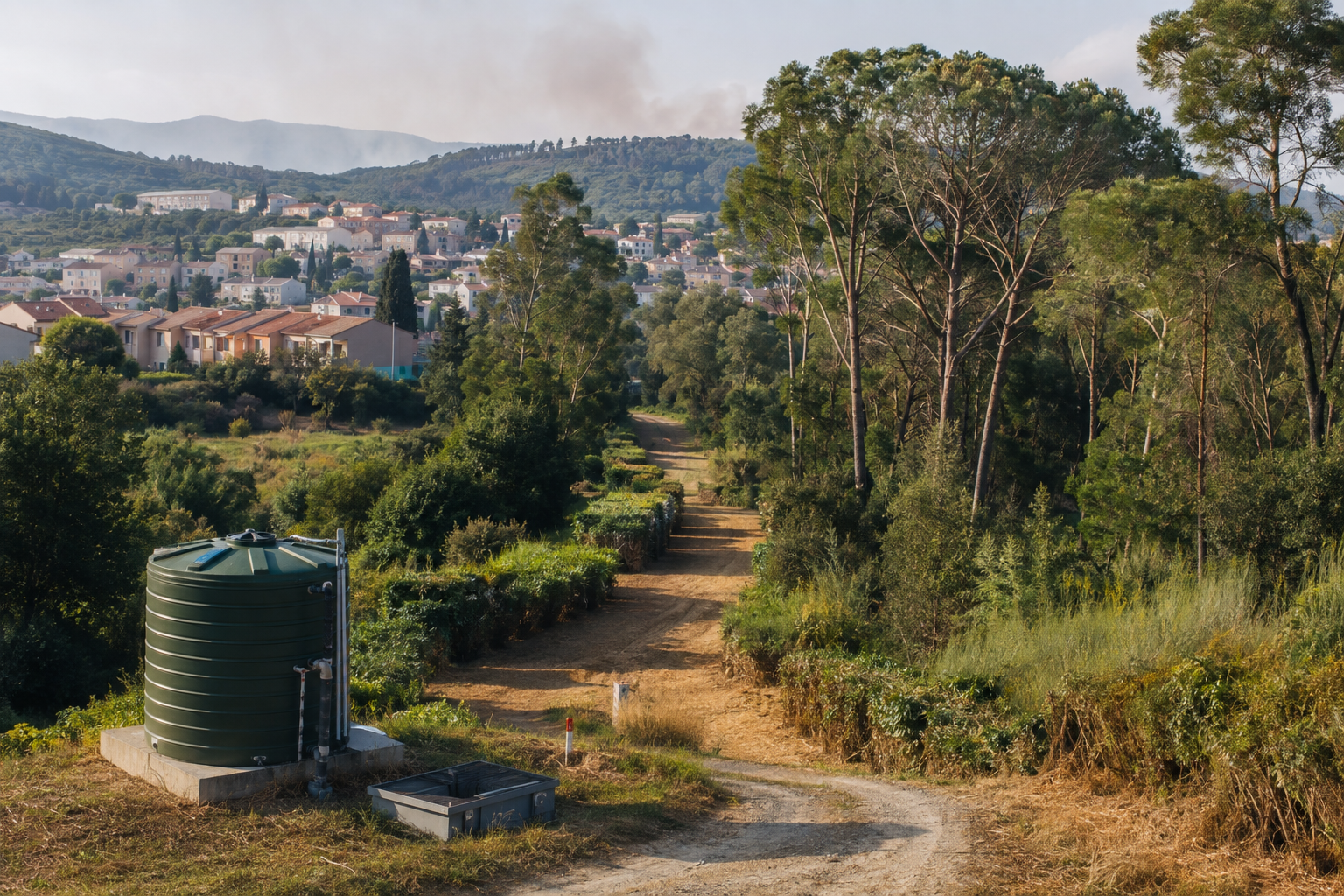
Warmer, drier conditions associated with climate change can increase fire spread, speed, and intensity even where landscapes do not resemble the Mediterranean. WHO frames wildfire as a public-health, land-management, and climate-adaptation issue, not only an emergency-response problem.
What to watch
- EFFIS burned-area revisions and fire-danger outlooks as the season continues.
- Preparedness in historically cooler and wetter regions, including peatland and community protection.
- Measured public-health and loss outcomes rather than workshop counts alone.
Sources & evidence
- As the climate warms, the threat of wildfires is spreadingWHO Regional Office for Europe article published September 2, 2026, on preparedness beyond traditional fire zones.
- Current wildfire situation in EuropeEuropean Commission Joint Research Centre and EFFIS current-season burned-area and fire-danger information, rechecked September 4.
Continue learning with ACC
Explore wildfire preparedness, public health, and climate resilience