Map sun and shade
Notice where morning sun, afternoon sun, and deep shade land in different seasons.
- Mark sunny areas for food crops.
- Use partial shade for herbs, seating, or soil protection.
- Plan trees so mature size does not cause future problems.
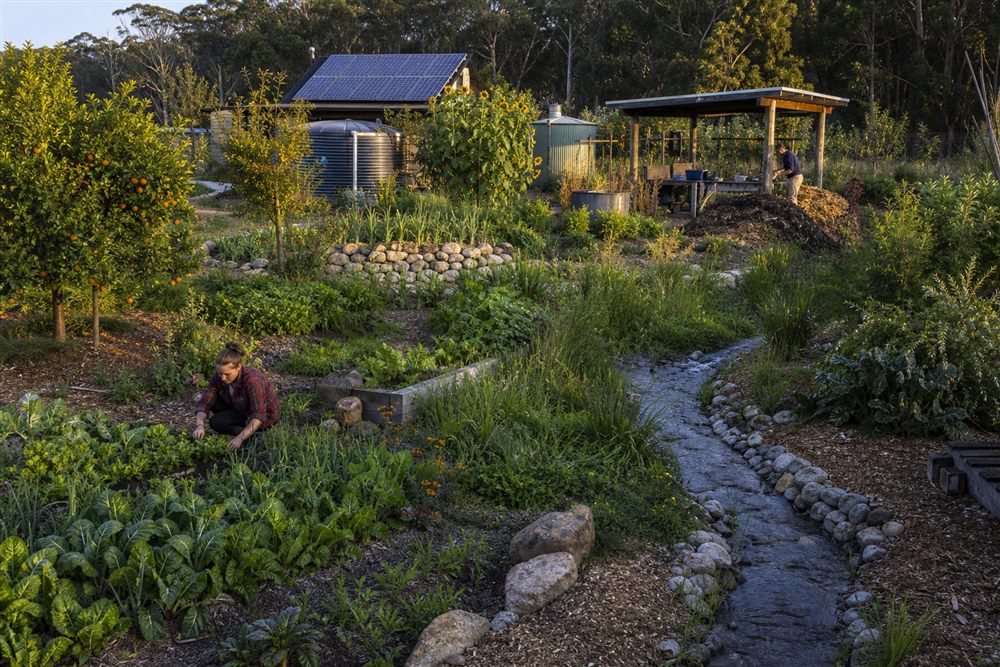

The final section connects the systems established earlier: food, gardens, compost, soil, water, habitat, energy, access, and long-term care. Use observation and a measured site plan to make the parts support one another.
Use this chapter to plan soil, water, plants, shade, food, and long-term land care.
Good garden and permaculture work starts with observation. Watch sun, shade, water movement, soil, wind, access, wildlife, and maintenance needs before buying plants or building beds.
Notice where morning sun, afternoon sun, and deep shade land in different seasons.
Look for runoff, puddles, roof discharge, dry spots, erosion, and places where water could be slowed safely.
Healthy soil is built through compost, mulch, roots, organic matter, and reduced disturbance.
The best project is one that can actually be maintained. Start close to the house and keep the first version manageable.
Each project should solve a real problem: food scraps, bare soil, heat, runoff, pollinator habitat, or food production. Start with one and let it teach the next move.
| Project | Start small | Why it helps | Keep in mind |
|---|---|---|---|
| Compost station | Use a bin, tumbler, pile, or local compost service that fits the home. | Keeps food and yard scraps useful instead of sending everything away. | Balance greens and browns, manage moisture, and avoid problem foods if using a backyard system. |
| Mulched bed | Convert one small area of bare soil into covered soil. | Protects soil, reduces weeds, holds moisture, and prepares for planting. | Keep mulch away from building siding and tree trunks. |
| Herb or pollinator strip | Use a walkway edge, patio container, or border. | Adds food, beauty, habitat, and useful insects in a small space. | Choose plants suited to local climate and avoid invasive species. |
| Rain garden or runoff area | Begin by observing water before digging or redirecting flow. | Can slow runoff and support plants that tolerate wet and dry conditions. | Check local rules, soil drainage, utilities, slopes, and foundation distance. |
| Shade tree plan | Research one right tree for one right place. | Can cool outdoor space and reduce heat stress over time. | Plan for mature height, roots, utilities, sidewalks, buildings, and water needs. |
| Food forest corner | Start with one fruit tree or shrub, then add layers slowly. | Builds food, habitat, mulch cycles, and long-term resilience. | Use local knowledge, soil testing, and maintenance planning before expanding. |
Animals may contribute to vegetation management, food production, and nutrient cycling, but only when the site can support their welfare, daily care, and environmental limits.
| Animal system | Possible role | Care and land boundary |
|---|---|---|
| Chickens | Short-term insect and weed pressure in protected mobile systems. | Complete feed, water, shelter, predator protection, dust bathing, and frequent moves before soil or vegetation is damaged. |
| Pigs | Controlled vegetation clearing and rooting where soil disturbance is intentional. | Strong fencing, shelter, cooling, balanced feed, and exclusion from waterways, wetlands, saturated soil, and vulnerable trees. |
| Sheep and goats | Targeted grazing or browsing matched to the plant and season. | Predator, parasite, hoof, fencing, and grooming plans; sheep may require regular shearing. |
| Cattle and silvopasture | Managed grazing in deliberately integrated tree, forage, and livestock systems. | Adequate land, forage recovery, water, handling capacity, tree protection, and prevention of compaction, bare soil, erosion, and runoff. |
Keep the boundary clear: animals are living dependents, not equipment. Check local zoning and livestock rules, use species-specific biosecurity and veterinary guidance, manage manure nutrients, and keep raw manure away from harvest-ready food.
The goal is a system that becomes easier to care for over time. Each layer should support the others.
Compost, mulch, cover crops, and reduced bare ground create the foundation for everything else.
Slow, spread, store, and use water carefully where it is safe and appropriate to do so.
Choose plants that fit the place, provide food or habitat, and can be maintained long term.
Make paths, labels, harvest routines, seating, shared food, and community learning part of the design.