
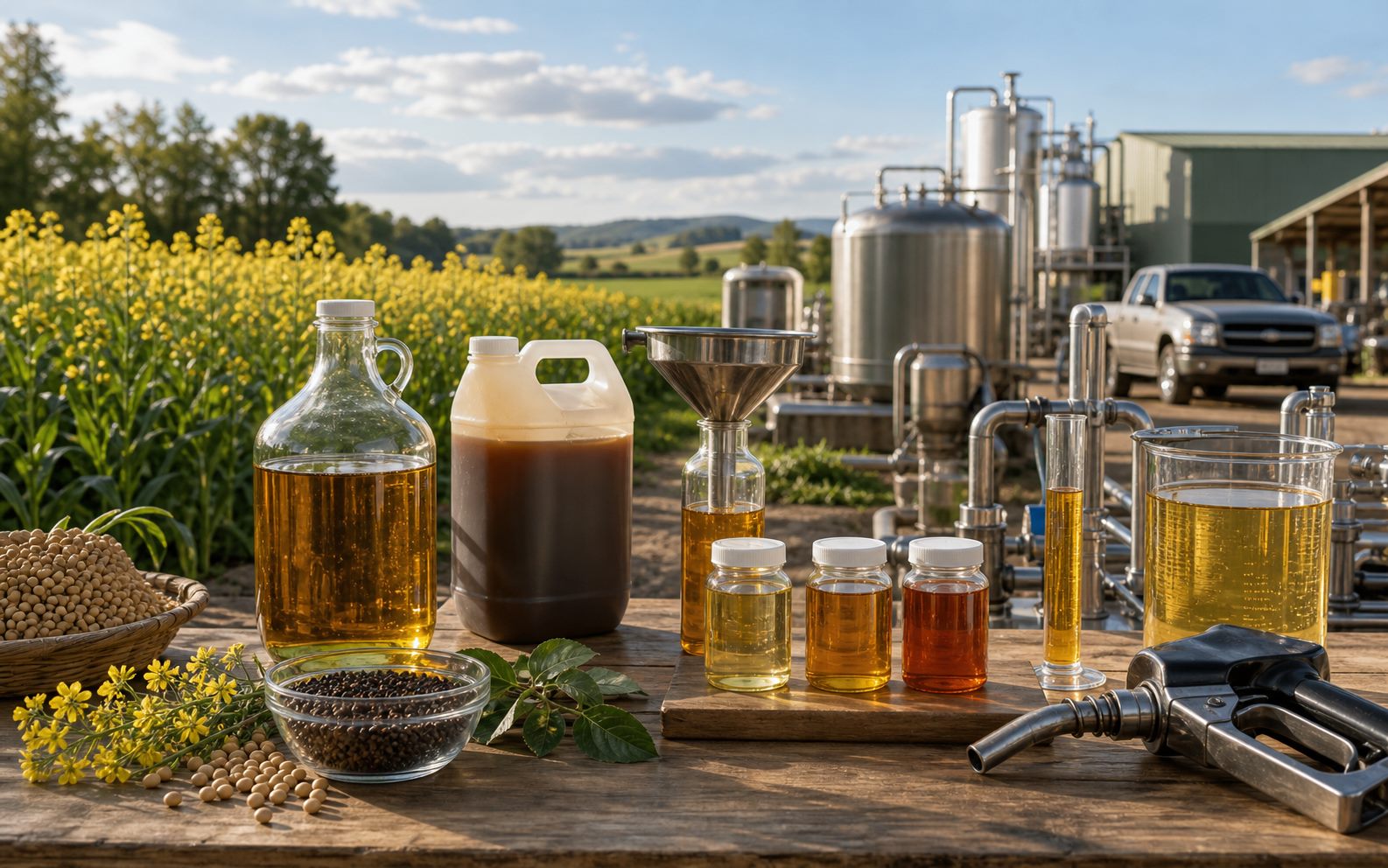
Biodiesel and other lower-emission fuels can be useful, but their value depends on how they are made, what feedstocks they use, where they are used, and how their full lifecycle compares with realistic alternatives. Sustainable fuels are best understood as one part of a broader transition, not a universal replacement for every fossil fuel.
 Alternative fuels
What biodiesel is, and what it is not
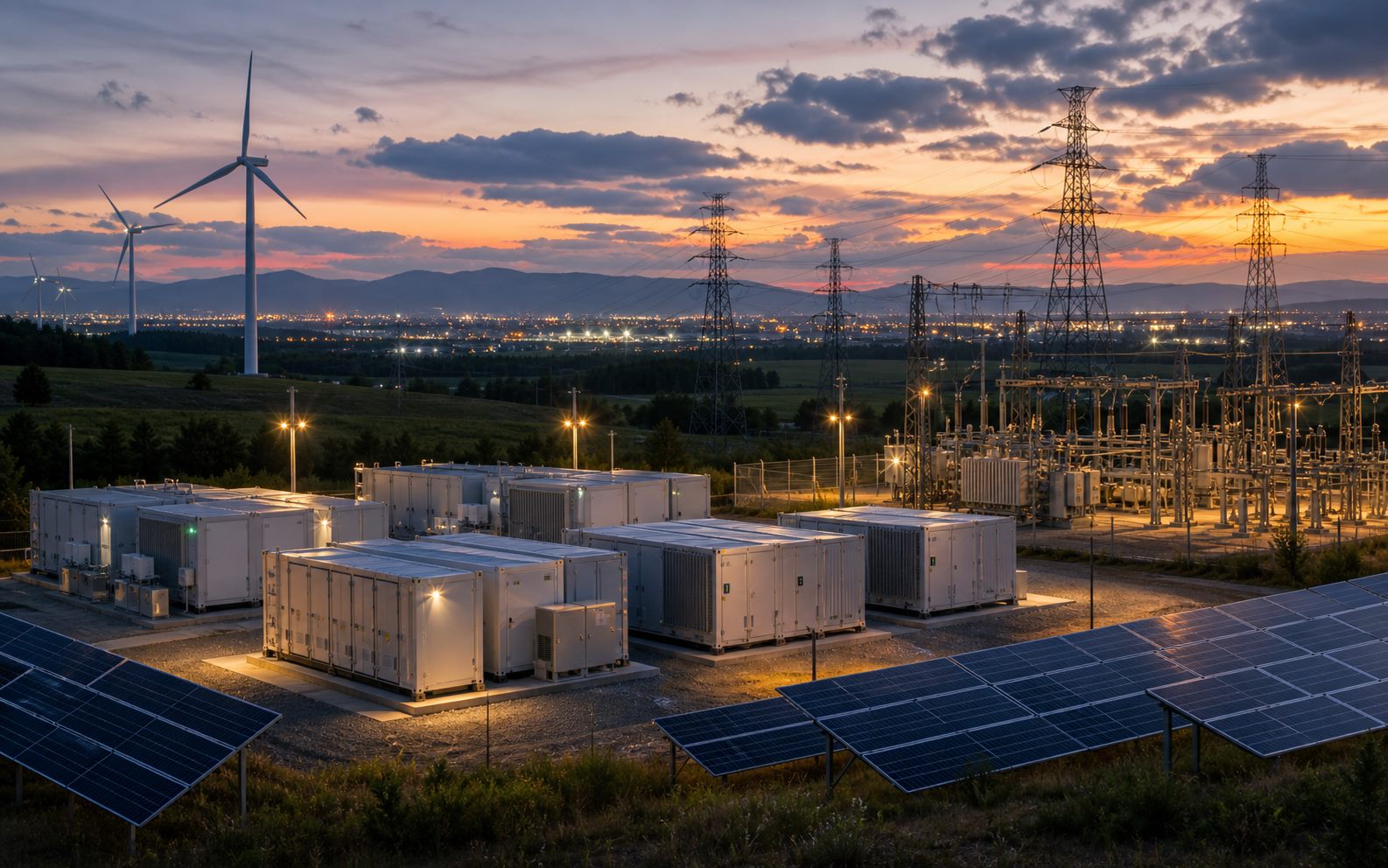
Biodiesel is commonly produced through a chemical process called transesterification, using fats or oils to produce fatty-acid methyl esters. It is different from raw vegetable oil, petroleum diesel, and renewable diesel. Those fuels can overlap in feedstocks, but they are made differently and behave differently in engines and fuel systems.
 Biodiesel
Feedstocks matter
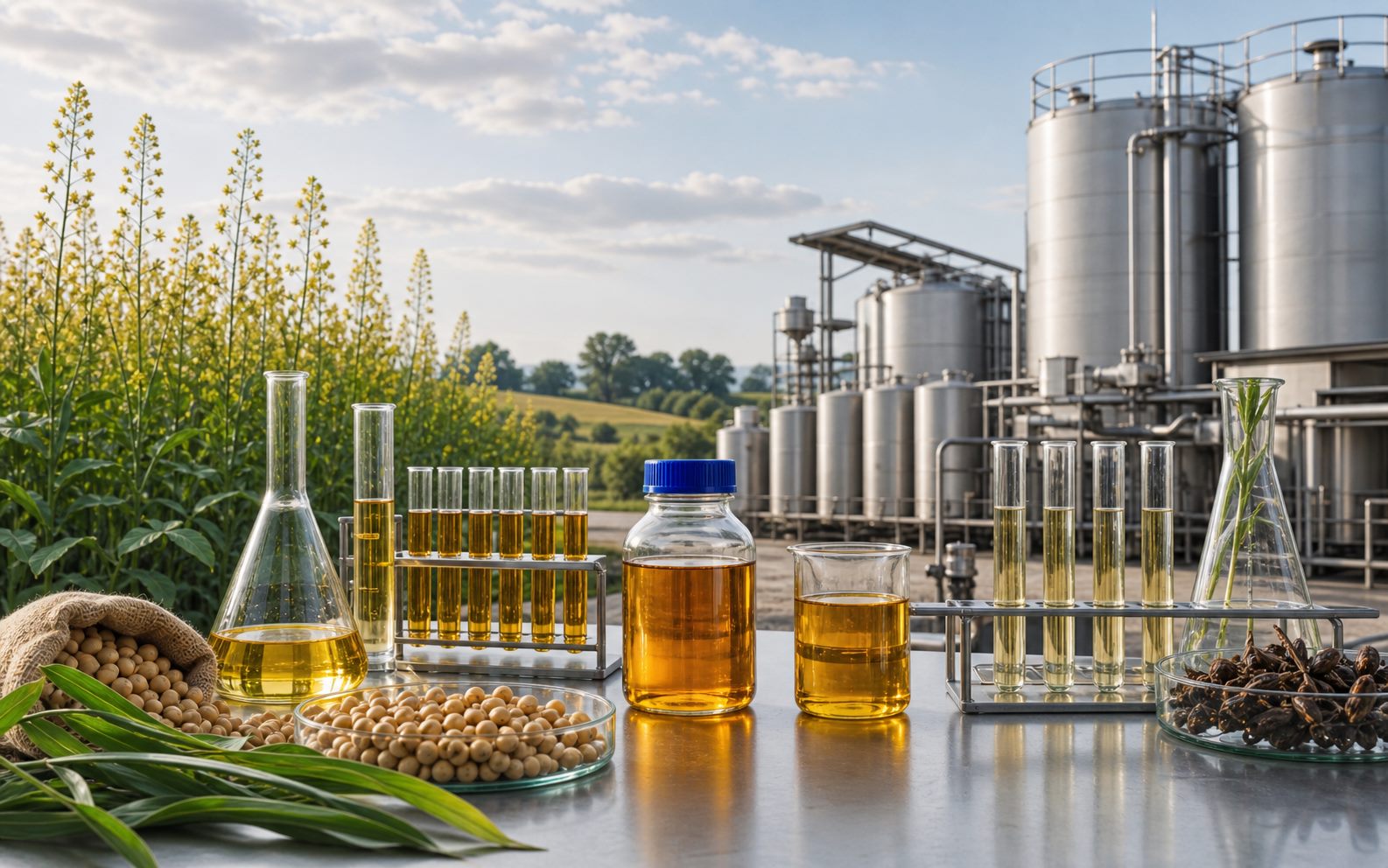
Possible feedstocks include used cooking oil, recycled restaurant grease, vegetable oils, animal fats, and other lipid sources. The climate and environmental profile can vary substantially by feedstock. Waste- and residue-based pathways may offer advantages, but supply is limited and collection systems still matter.
A fuel made from waste oil has a different footprint from one made from crops grown on land that could otherwise store carbon or produce food. Feedstock sourcing determines much of the real-world environmental value. Serious comparison looks at land-use change, fertilizer, water, transport, processing energy, and competing uses.
 Lifecycle thinking
Blends and compatibility
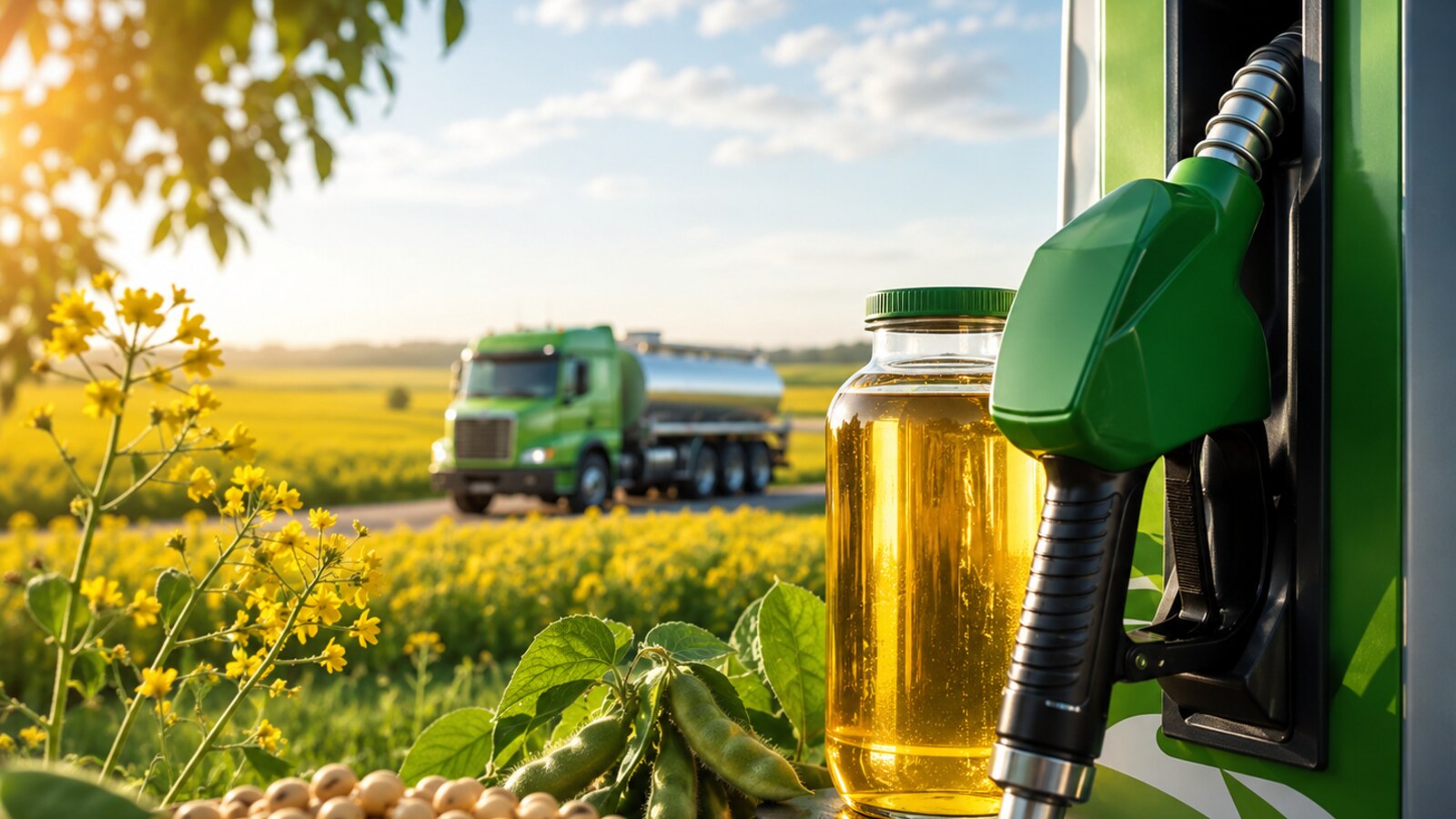
Biodiesel is often used in blends. Terms such as B5 and B20 refer to the approximate percentage of biodiesel blended with petroleum diesel. Lower blends can be easier to introduce into existing systems, while higher blends require closer attention to equipment, cold-weather performance, maintenance, and fuel standards.
Low-level blends can often fit existing systems more easily, while higher blends may require attention to warranties, cold-weather performance, storage, materials compatibility, and maintenance. Practical deployment depends on engines, fuel standards, local climate, distribution networks, and user behavior.
 Alternative fuels
Lifecycle analysis is essential
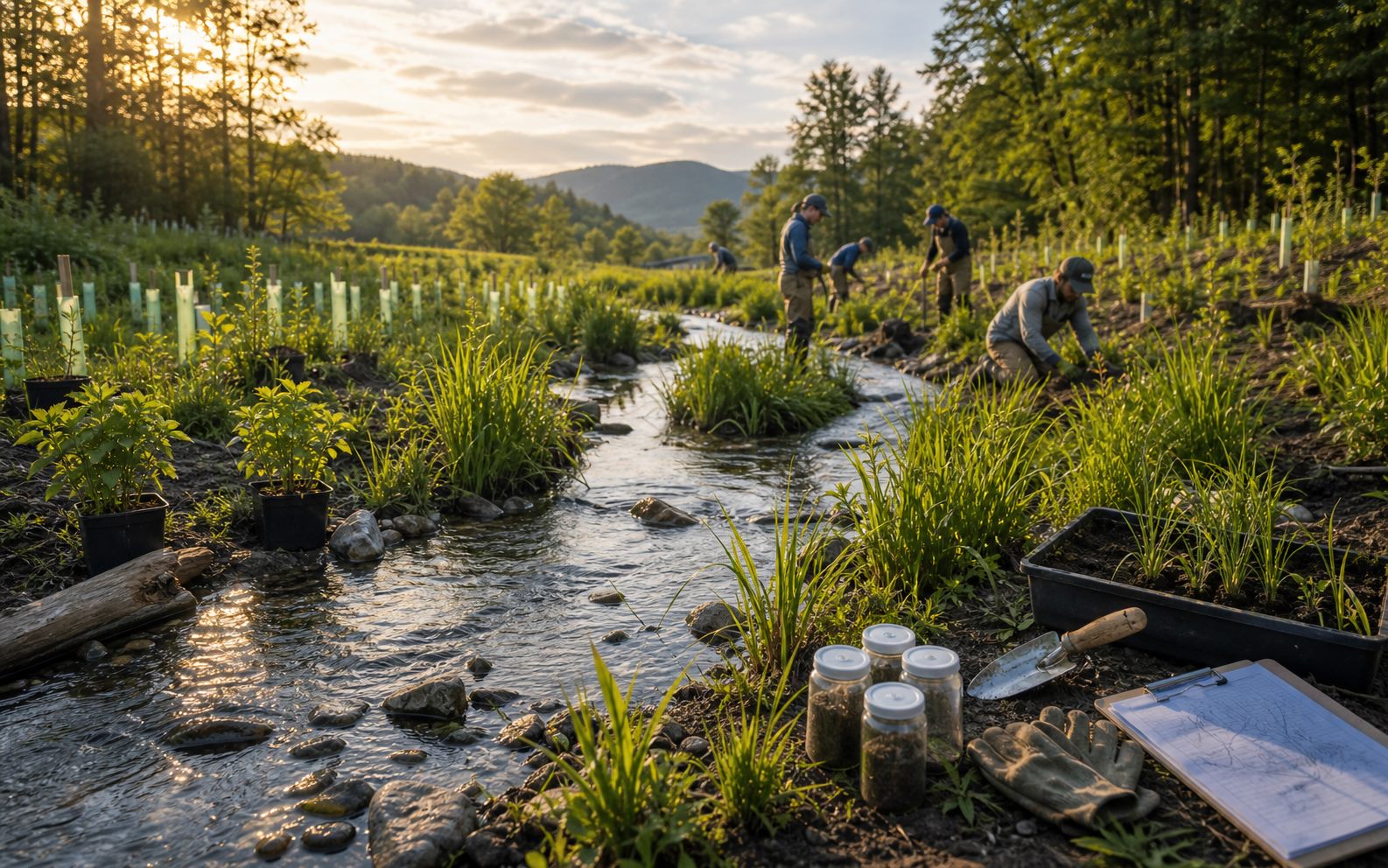
A fuel should not be evaluated only at the tailpipe. Lifecycle analysis considers feedstock production, land use, processing, transportation, co-products, and combustion. A 2022 peer-reviewed study of biodiesel and renewable diesel pathways found that lifecycle emissions vary materially by pathway and feedstock. Simple labels are not enough.
Lifecycle analysis asks what happens before the fuel reaches the tank and after it is used. It includes feedstock production, processing, transport, combustion emissions, co-products, and land-use effects. A fuel can look clean at the tailpipe while still carrying upstream impacts, so lifecycle accounting is central.
 Biodiesel
Where sustainable fuels may matter most
IEA's 2025 sustainable-fuels analysis says biofuels, biogases, low-emissions hydrogen, and hydrogen-based fuels can complement electrification and efficiency, particularly in aviation, shipping, parts of road transport, and industry. The strongest use cases are often sectors where direct electrification is difficult or slow.
Alternative liquid fuels may be most valuable where direct electrification is difficult or slow: certain heavy-duty, agricultural, marine, aviation, backup, or remote uses. That does not mean they should replace electrification where electricity is efficient and practical. It means fuels should be reserved for places where they solve a real constraint.
 Lifecycle thinking
Land use, food systems, and biodiversity
Large-scale bioenergy expansion can create tradeoffs. IEA states that only bioenergy pathways that reduce lifecycle emissions while avoiding unacceptable social, environmental, and economic impacts should receive policy support. Feedstock sourcing, water use, biodiversity, soil, and food-system effects must be considered.
Scaling biofuels without safeguards can create pressure on land, habitats, food prices, and water. Better pathways prioritize wastes, residues, cover crops, degraded lands where appropriate, and strong certification. Even then, claims should be local and specific rather than assuming every acre or feedstock is beneficial.
 Alternative fuels
Renewable diesel, hydrogen, and e-fuels
Renewable diesel is not the same fuel as biodiesel, even when some feedstocks overlap. Hydrogen and synthetic e-fuels may also have roles, but their value depends on production method, energy inputs, infrastructure, and end use. A modern label does not automatically make a fuel clean.
These fuels can be useful, but they are not automatic climate wins. Hydrogen depends heavily on how it is produced. E-fuels require large amounts of clean electricity and captured carbon. Renewable diesel depends on feedstocks and supply chains. Each option needs transparent accounting and a realistic use case.
 Julian Brown / NatureJab
Plastic-to-fuel and Plastoline
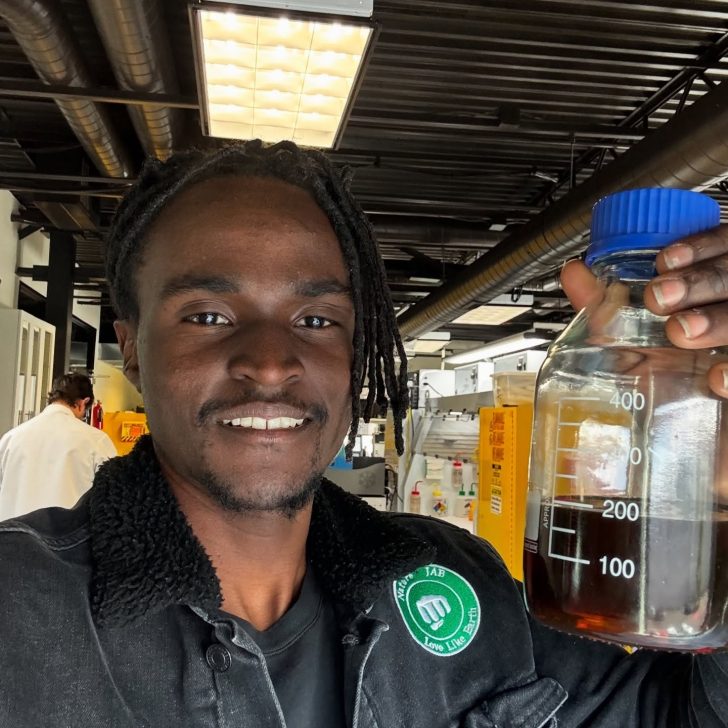
Julian Brown and NatureJab use the name Plastoline for a plastic-to-fuel product connected to microwave-assisted pyrolysis. The broader technical idea is not brand-new: pyrolysis heats plastic waste with little or no oxygen so long polymer chains break into smaller hydrocarbon gases, liquids, and waxes. Depending on the plastic type, process design, cleanup, and refining, those outputs may be used as feedstocks or fuel-like products.
This is worth watching because hard-to-recycle plastic is a real waste problem, and local inventors can sometimes move practical ideas forward. For now, it belongs in the emerging-ideas category rather than the proven large-scale climate-solutions category. Strong claims need independent testing for energy input, fuel quality, emissions, contaminants, chlorine-containing plastics, leftover residues, economics, and full lifecycle greenhouse-gas impact. Reducing plastic use, reuse, mechanical recycling where appropriate, clean energy, and transparent emissions accounting still matter.
 Julian Brown / NatureJab
 Plastoline Demo
 Microwave Pyrolysis Science
 Biodiesel
Hemp is worth studying, but claims need evidence
Industrial hemp is sometimes discussed in relation to materials, soil, agriculture, and bio-based products. That makes it worth studying. It fits better as an emerging research and deployment topic than as a proven climate cure. Independent research should accompany advocacy and innovation claims.
Hemp is worth studying because it can produce biomass and oilseed while fitting into some crop rotations. But climate value depends on yields, processing, land use, markets, and what the hemp displaces. It is a research and deployment question, not a guaranteed climate fix.
ACC takeaway
Use this guide as one piece of the larger picture.
Climate decisions are strongest when they combine evidence, realistic comparisons, transparent assumptions, and an honest view of tradeoffs. No single page or technology answers everything, but clear information makes better choices easier.
References & further reading
Review the underlying material.
- IEA: Delivering Sustainable Fuels2025 analysis of biofuels, biogases, low-emissions hydrogen, and hydrogen-based fuels.
- IEA: Carbon Accounting for Sustainable BiofuelsAnalysis of transparent lifecycle accounting for biofuels.
- IEA: BioenergySustainability principles for bioenergy deployment.
- Xu et al. (2022): Lifecycle GHG Emissions of Biodiesel and Renewable DieselPeer-reviewed lifecycle analysis of biodiesel and renewable-diesel production pathways.
- IEA Bioenergy: Lessons Learned for Biofuels DeploymentInternational review of advanced and conventional biofuel deployment.
- Alternative Fuels Data Center: Biodiesel BasicsSupplemental U.S. federal technical reference for biodiesel terminology and common blends.
- Julian Brown / NatureJab on InstagramPublic project page for Julian Brown and NatureJab; the Plastoline section image links here.
- The Drive: DIY gasoline from old plastic and solar powerPublic article summarizing the Plastoline project and its plastic-to-fuel claims.
- Wccftech: Julian Brown / Plastoline public image sourcePublic article image showing Julian Brown holding a liquid sample associated with Plastoline coverage.
- NatureJab: Plastoline engine demonstrationPrimary project update from Julian Brown / NatureJab showing a small engine demonstration using Plastoline.
- WTVM/WTOC: Young inventor turns plastic into fuel with PlastolineLocal news overview of Julian Brown, NatureJab, Plastoline, and microwave pyrolysis claims.
- Lead Stories: plastic pyrolysis contextFact-check noting that plastic pyrolysis predates Plastoline and should not be described as newly invented.
- Review: Microwave-assisted pyrolysis of waste plasticsScientific review of microwave pyrolysis process parameters, catalysts, product quality, and scale-up challenges.
- Hemp The ClimateApplied advocacy resource for emerging hemp-related ideas; use alongside independent research.