ACC aims to make environmental information readable without flattening complex issues into slogans. This page explains the standards used to organize educational content and references.
 Research standards
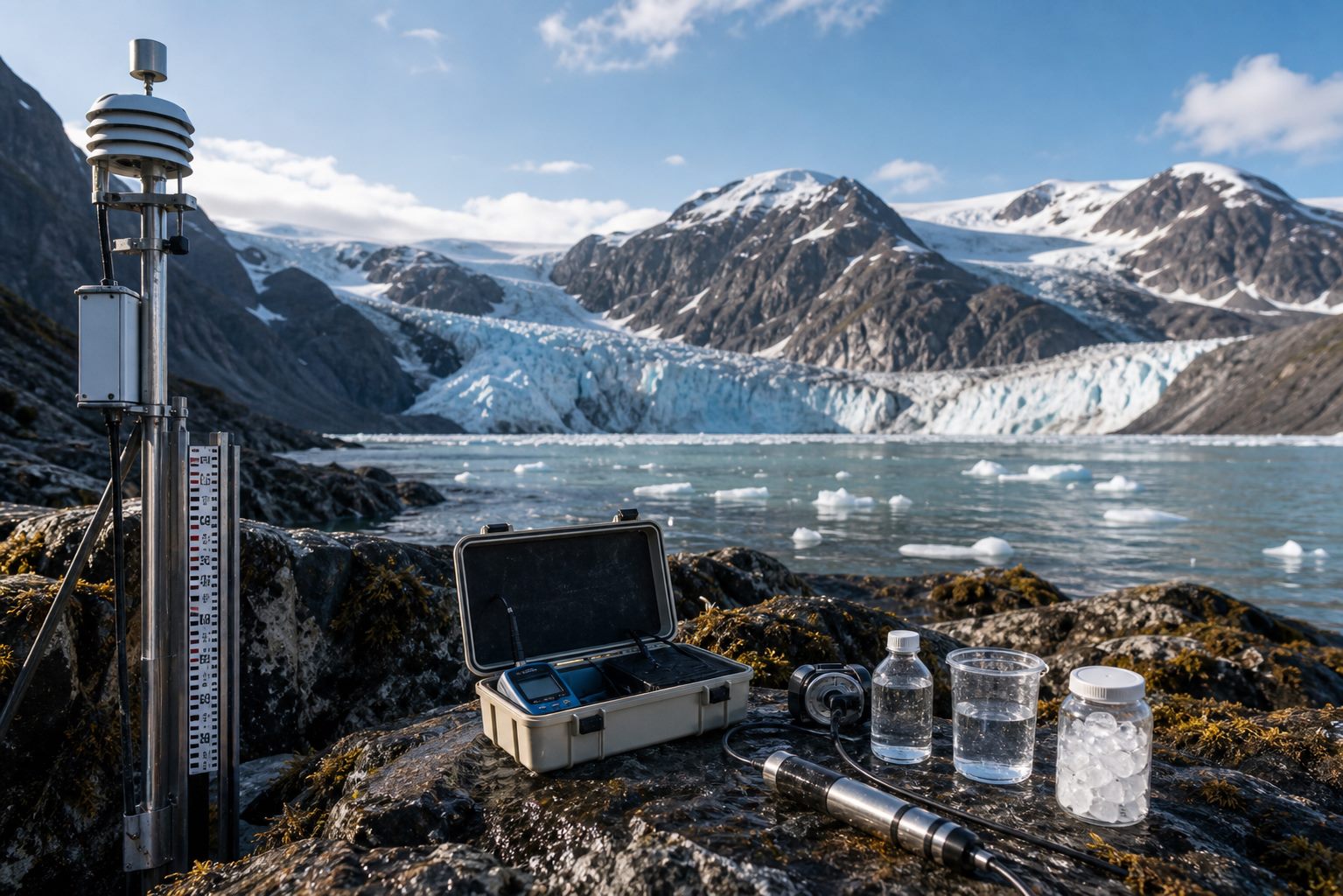
Use a source hierarchy
Core technical claims should be grounded primarily in major international assessments, peer-reviewed research, and established research institutions. Applied resources from nonprofits and advocacy organizations can add useful examples, perspectives, and action pathways, but they should be labeled clearly.
Start with assessment reports, peer-reviewed research, official datasets, and transparent technical documentation. Then use journalism, advocacy, or company material to understand context, debate, or implementation. A source can be useful without being the final authority on a scientific claim.
 Source quality
Cross-check important claims
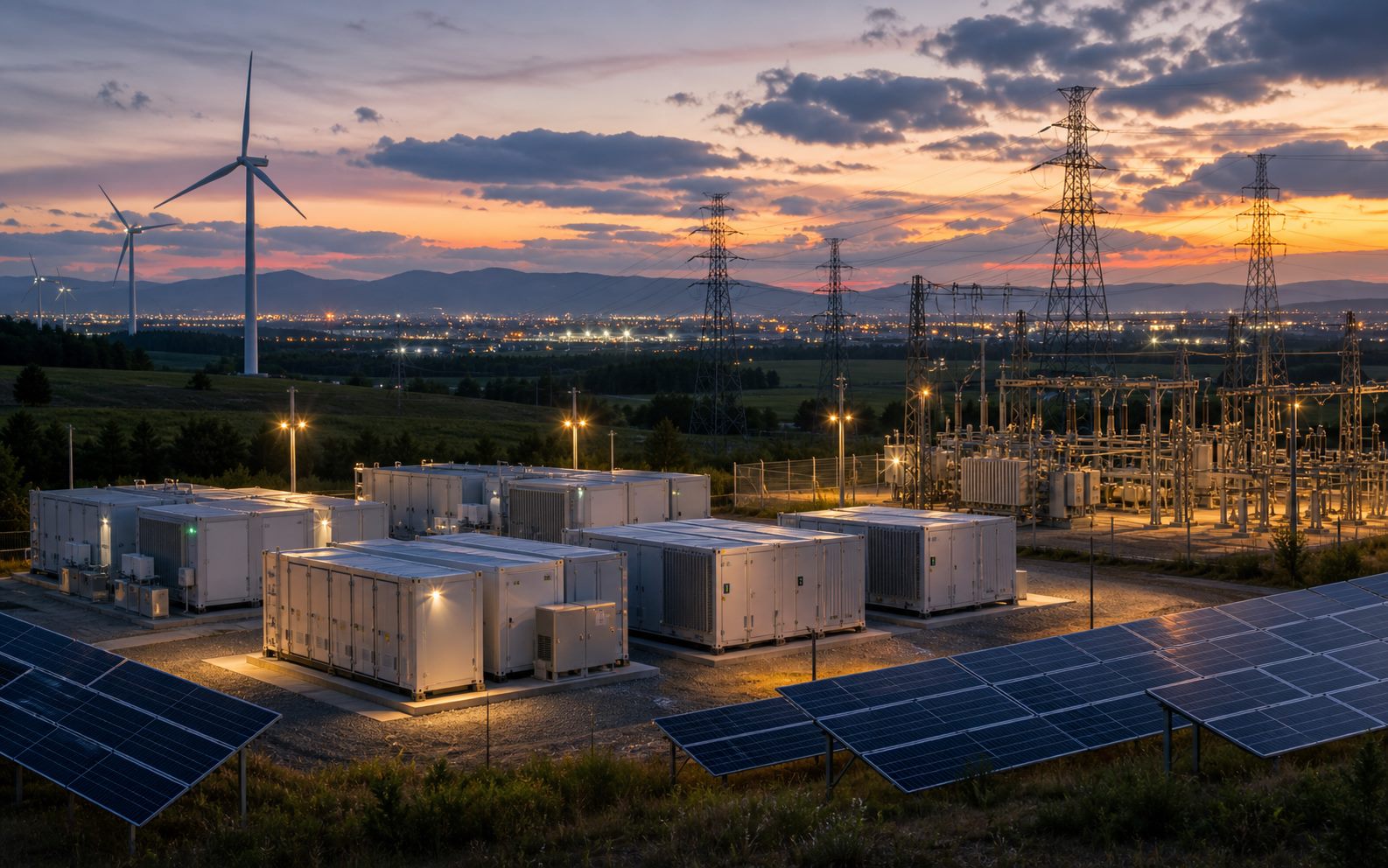
No single institution should be treated as the only authority for a complex subject. When a claim affects how readers understand risk, technology, costs, or tradeoffs, ACC should compare multiple credible sources whenever possible.
Important claims deserve more than one source, especially when they involve costs, emissions reductions, health impacts, or future projections. Cross-checking helps catch outdated statistics, cherry-picked baselines, and claims that are technically true but misleading without context.
 Balanced judgment
Keep federal-agency sources secondary
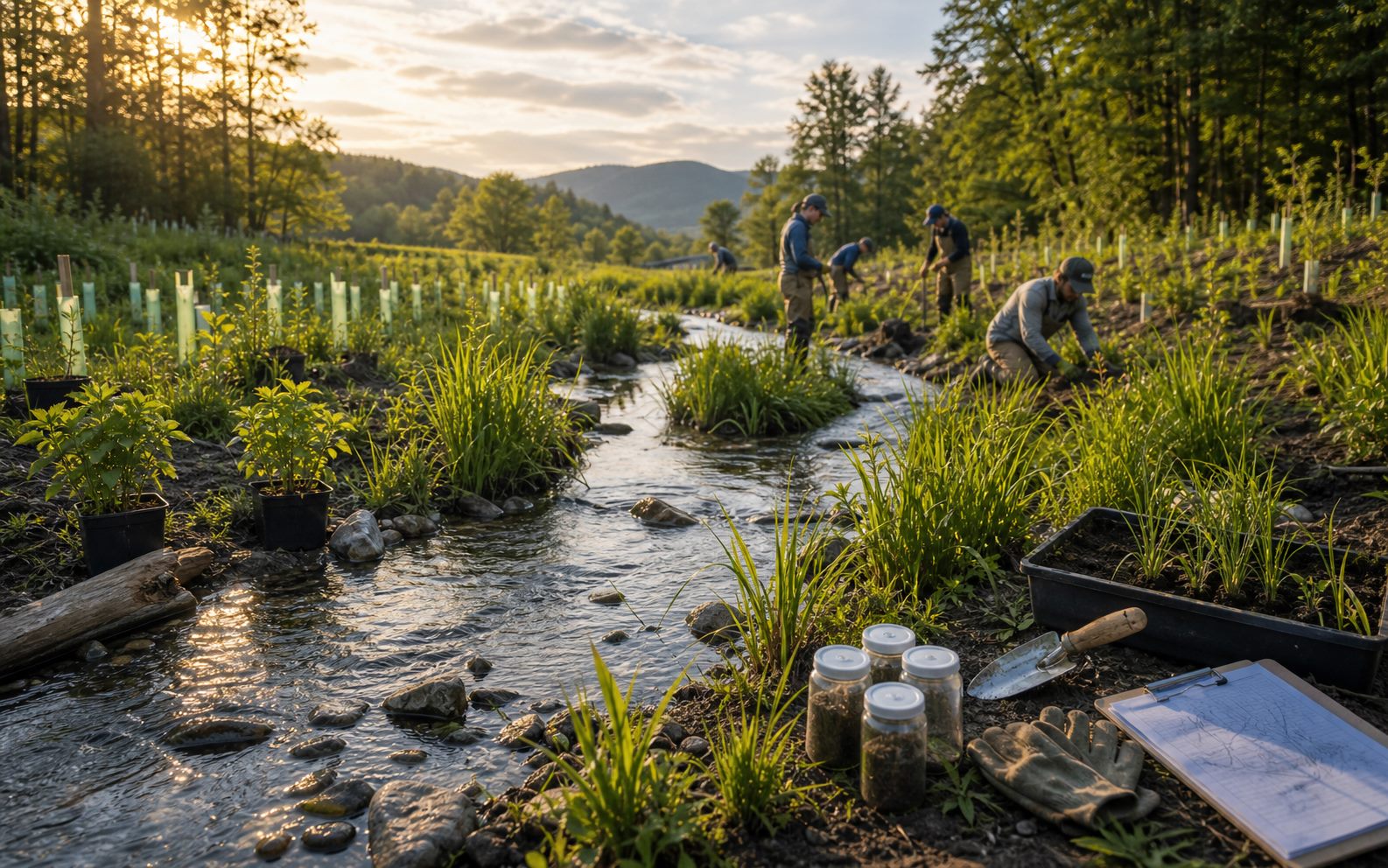
U.S. federal resources may be used selectively when they provide useful technical definitions, data, or practical guidance. They should not be the sole foundation of the Education Center. The core reference base should remain broader, international, and research-oriented.
Government sources can be useful, but ACC should not depend on any single administration or agency page as the only foundation for a claim. International assessments, independent datasets, academic research, and transparent monitoring groups provide a more durable base when public pages change or priorities shift.
 Research standards
Avoid overstating technology
Solar, wind, storage, efficiency, biodiesel, renewable diesel, hydrogen, nature-based solutions, and other pathways all have uses and limitations. ACC should avoid presenting any one technology as a complete solution.
Technology pages should explain where a solution works, where it struggles, and what assumptions are required. Overstatement creates disappointment and distrust. A realistic solution can be promising and still have constraints around cost, scale, materials, land, reliability, permitting, or behavior.
 Source quality
Label the status of a topic
Educational material should distinguish established findings from active research, applied perspectives, and emerging ideas. This is especially important for fast-moving topics such as new fuels, carbon accounting, materials, and climate-related claims.
Some topics are established, some are emerging, and some are speculative. Labeling that status helps readers distinguish between mature evidence, active research, pilot projects, and advocacy. The goal is not to make every page cautious to the point of blandness; it is to make confidence levels clear.
 Balanced judgment
Provide references and review dates
Each major learning path should include references and further reading. Pages should state when they were last reviewed so visitors can recognize that environmental information, technologies, and policies continue to evolve.
Climate information changes as datasets update, technology costs shift, and policies evolve. Review dates show readers that pages are maintained, while references let them go deeper. When a claim depends on a particular year or dataset, the page should make that context visible.
ACC takeaway
Use this guide as one piece of the larger picture.
Climate decisions are strongest when they combine evidence, realistic comparisons, transparent assumptions, and an honest view of tradeoffs. No single page or technology answers everything, but clear information makes better choices easier.
References & further reading
Review the underlying material.
- IPCC AR6 Synthesis ReportExample of a major synthesis assessment.
- WMO: State of the Global Climate 2025Example of current international climate monitoring.
- UNEP: Emissions Gap Report 2025Example of annual science-based implementation analysis.
- IEA: Carbon Accounting for Sustainable BiofuelsExample of focused technical analysis that explains methodological choices.