Climate change is not evaluated through a single headline. It is assessed through interconnected indicators such as temperature, ocean heat, sea level, glaciers, greenhouse-gas concentrations, and the effects of extreme events on communities and ecosystems.
 Current conditions
A sustained warming trend
The World Meteorological Organization reports that 2015-2025 were the hottest eleven years on record. Its State of the Global Climate 2025 report describes 2025 as the second or third hottest year on record, at about 1.43°C above the 1850-1900 average. Individual years still vary, but the longer-term direction is clear.
The strongest evidence is not one record-breaking year by itself; it is the persistence of warming across many datasets and indicators. Berkeley Earth, NOAA, WMO, and other monitoring groups use different methods, yet their long-term records show a clear rise in global average temperature since the late nineteenth century, with recent decades standing out sharply.
 Indicators
The oceans store much of the added heat
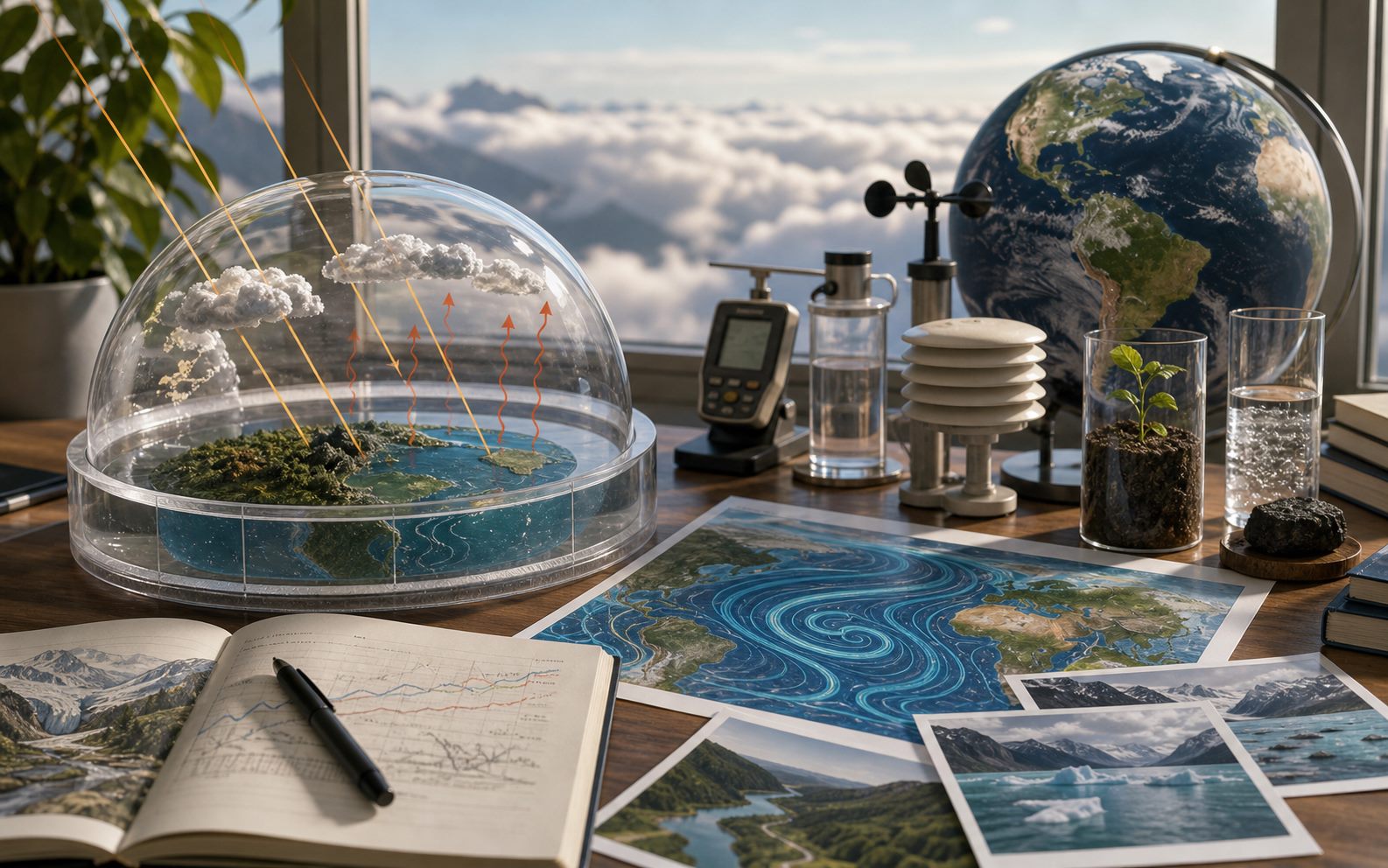
Surface temperature is only one part of the picture. Ocean heat content is a major indicator because the oceans absorb a large share of excess heat in the climate system. Ocean warming can affect marine ecosystems, sea level, weather patterns, and the intensity of some hazards.
Ocean heat matters because water stores enormous amounts of energy. A warmer ocean can contribute to sea-level rise through thermal expansion, add stress to coral reefs and fisheries, and influence rainfall and storm behavior. Surface air temperature gets headlines, but ocean heat content is one of the clearest measures of the planet gaining energy.
 Observed impacts
Sea level, glaciers, and ice
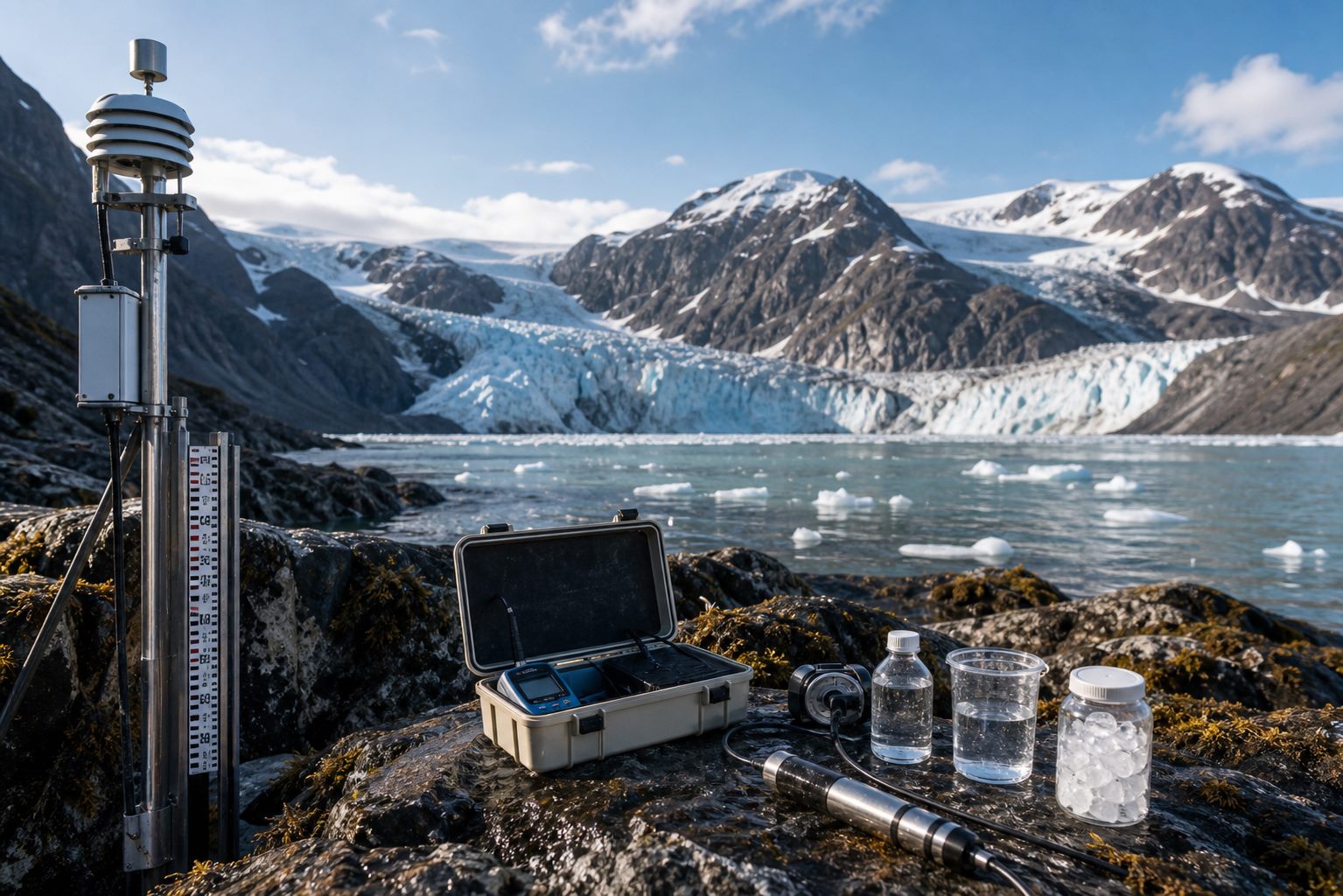
Sea-level rise is shaped by ocean warming and the loss of land-based ice. Glacier change matters for water supplies, ecosystems, coastal risk, and long-term planning. These changes unfold at different rates in different regions, so local conditions still matter.
Ice and sea level are especially important because they respond over long time scales. Mountain glaciers can affect water supplies for communities and ecosystems. Polar ice changes influence long-term coastal planning. Even when annual variation occurs, the broader direction of ice loss and sea-level rise is central to risk management.
 Current conditions
How climate change affects extreme weather
Climate change can shift the probability or severity of certain hazards, including extreme heat and heavy rainfall. But attribution should be specific. It is better to say that climate change affects the likelihood or intensity of particular categories of events than to claim that every storm, flood, or fire has a single cause.
Attribution science does not usually say that climate change created a single event from nothing. It asks whether warming changed the odds, intensity, duration, or rainfall potential of an event. Heat extremes are generally among the clearest examples; storms, droughts, floods, and fires often require more regional context and careful explanation.
 Indicators
The emissions gap
UNEP's Emissions Gap Report 2025 says new climate pledges only slightly reduced projected warming over this century and that the world remains headed toward serious climate risks and damages. The practical lesson is not fatalism. It is that incremental progress must be paired with faster implementation and more credible planning.
The gap is a planning problem, not just a moral statement. Countries, companies, cities, and households can announce goals, but climate outcomes depend on implementation: power generation, buildings, transport, land use, industry, finance, and infrastructure. Credible progress requires measured emissions reductions, not only future promises.
ACC takeaway
Use this guide as one piece of the larger picture.
Climate decisions are strongest when they combine evidence, realistic comparisons, transparent assumptions, and an honest view of tradeoffs. No single page or technology answers everything, but clear information makes better choices easier.
References & further reading
Review the underlying material.
- WMO: State of the Global Climate 2025Current international summary of major climate indicators and impacts.
- UNEP: Emissions Gap Report 2025Annual assessment of the gap between climate commitments and emissions pathways.
- IPCC AR6 Synthesis ReportIntegrated assessment of observed changes, risks, and response options.
- Union of Concerned Scientists: ClimateApplied educational resource on climate science and policy.