
Climate action is not a purity test. Useful decisions depend on context, resources, scale, and opportunity. Personal choices can matter, but durable progress also requires institutions, communities, infrastructure, policy, and credible organizations.
 Practical action
Start with your largest realistic opportunities
Not every action has equal impact. Begin with major areas such as home energy, transportation, business operations, purchasing, waste, and community participation. The right priority depends on your circumstances. A renter, homeowner, small business, school, and city government will not have the same options.
A practical climate plan begins with the biggest levers you can actually influence: home energy, vehicle use, purchasing, food waste, voting, workplace decisions, investments, donations, and community projects. The right answer differs for renters, homeowners, business owners, students, and local officials.
 Home and community
Avoid all-or-nothing thinking
Incremental improvement is not a reason to ignore larger reforms, and large systemic problems are not a reason to dismiss practical personal steps. Good strategy connects both levels: reduce avoidable waste, support better infrastructure, and advocate for changes that make lower-impact choices easier for more people.
Climate action is not a purity test. People make progress through repeated decisions under real constraints. A better question is whether each step reduces harm, builds capacity, or changes systems in a durable direction. Small changes matter most when they point toward larger habits, policies, or infrastructure.
 Giving and planning
Ask better sustainability questions
Before accepting a climate claim, ask what boundary is being used. Does the claim consider manufacturing, energy inputs, transportation, land use, disposal, and realistic alternatives? Is the comparison fair? Are the numbers independently supported? Is uncertainty acknowledged?
Before buying, donating, or advocating, ask what problem is being solved, what evidence supports the claim, what tradeoffs exist, who benefits, and how success will be measured. Better questions reduce wasted effort and make it harder for weak claims to hide behind green language.
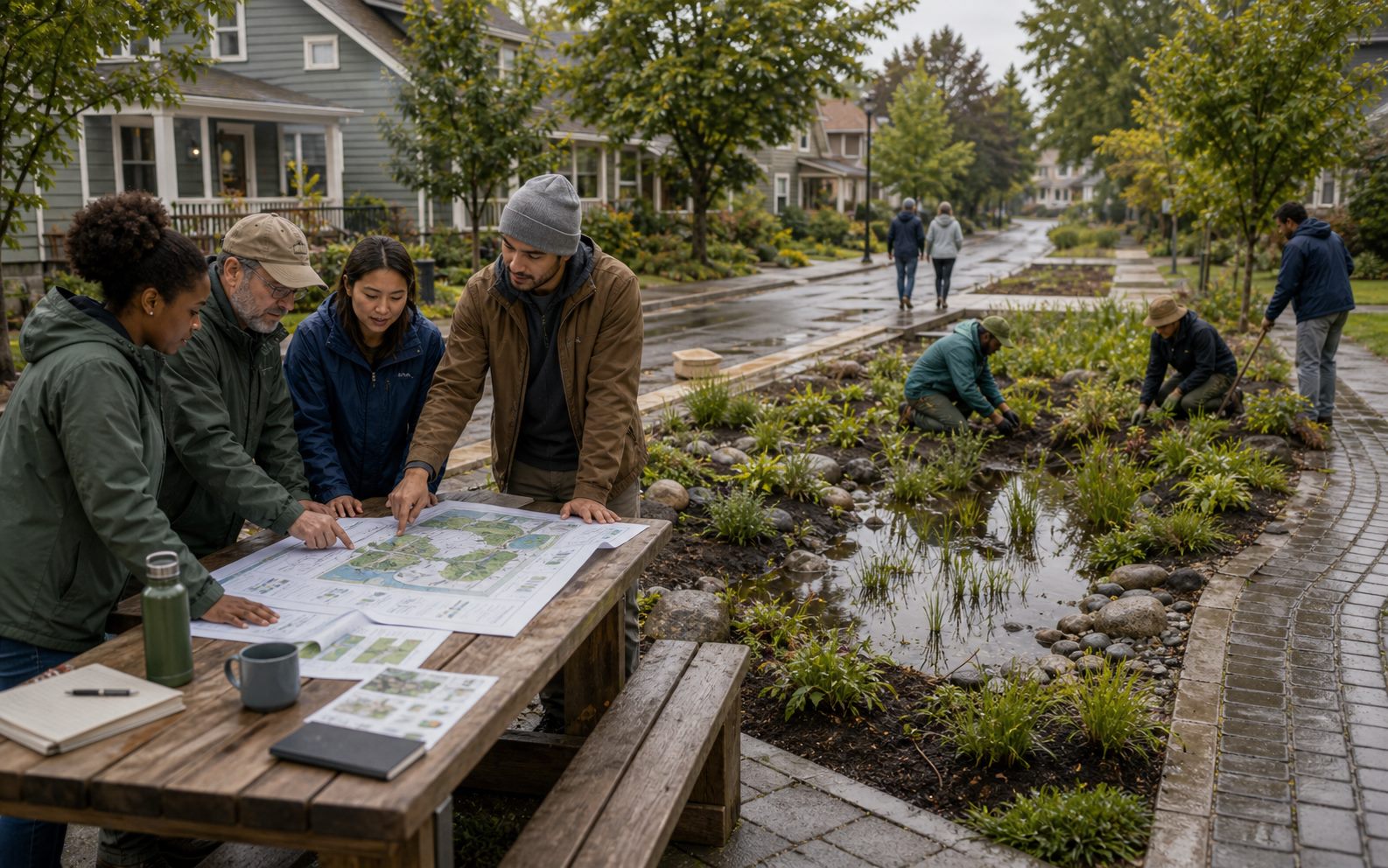 Practical action
Recognize greenwashing
Be cautious with vague labels such as “eco-friendly,” “natural,” or “carbon neutral” when they are not tied to a clear method, scope, and evidence. Strong claims explain what was measured, what was excluded, and which standard or source supports the conclusion.
Greenwashing often uses vague words, selective metrics, hidden offsets, irrelevant certifications, or future promises without near-term action. A credible claim explains boundaries, baselines, methods, tradeoffs, and measurable results. If a claim cannot say compared with what, over what time period, and verified by whom, be cautious.
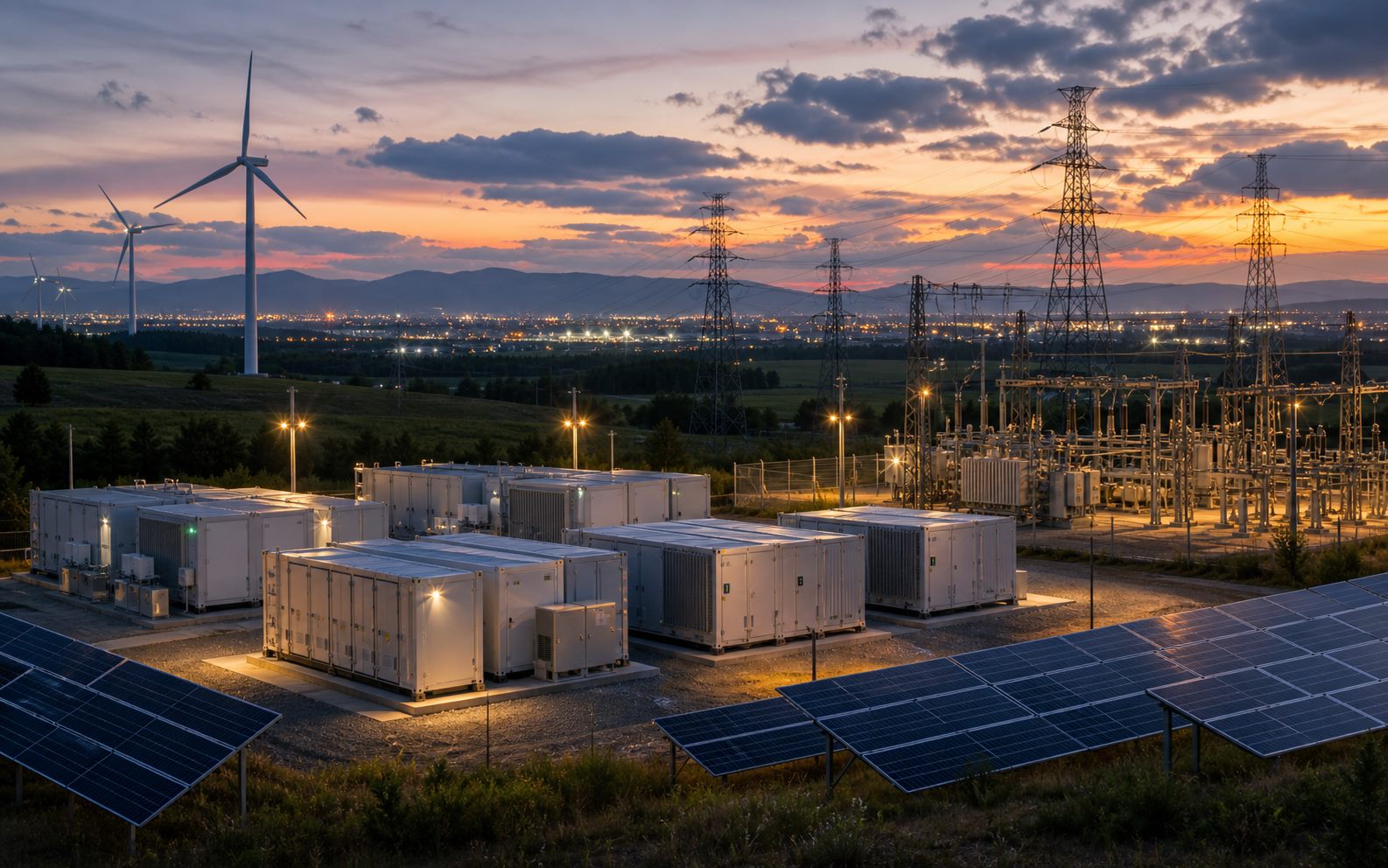 Home and community
Evaluate charities and organizations thoughtfully
A credible organization should explain its mission, programs, governance, and financial information clearly enough for donors to make informed decisions. Different organizations serve different roles: research, conservation, legal advocacy, community projects, policy, and public education.
A strong organization should be transparent about mission, finances, governance, strategy, evidence, and limits. Some groups are best at legal work, some at conservation, some at policy, some at technical research, and some at community support. Matching the organization to the problem matters as much as generosity.
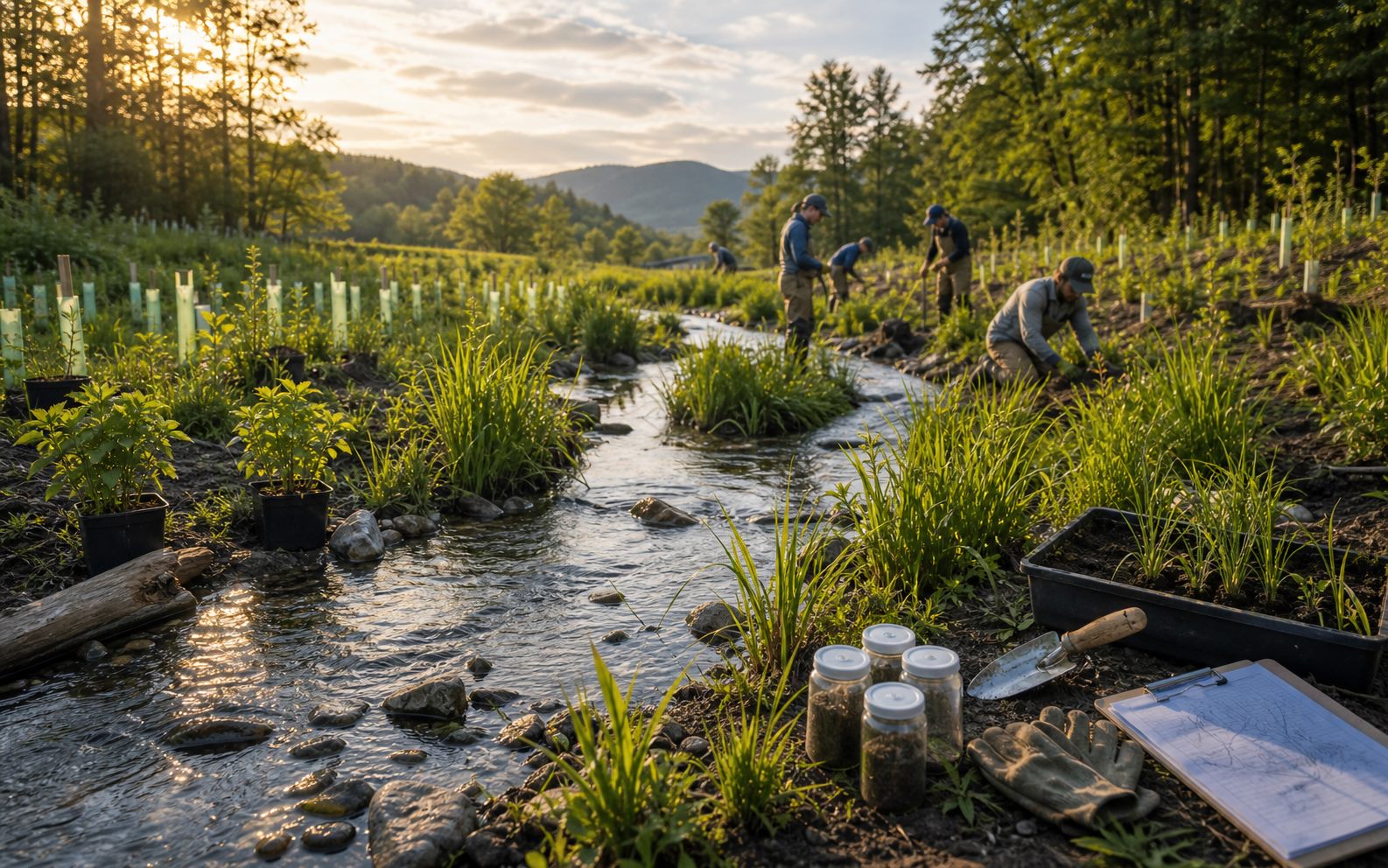 Giving and planning
Make improvement durable
The best sustainability plans are realistic enough to continue. Businesses can review energy, procurement, shipping, maintenance, waste, and communications. Communities can strengthen local projects and public participation. Individuals can focus on meaningful changes that fit their lives and build over time.
Durability means building routines, budgets, maintenance, and relationships that last. A one-time project can inspire action, but long-term improvement usually needs follow-up: tracking energy use, maintaining equipment, updating plans, supporting local groups, and revisiting choices as technology and evidence change.
ACC takeaway
Use this guide as one piece of the larger picture.
Climate decisions are strongest when they combine evidence, realistic comparisons, transparent assumptions, and an honest view of tradeoffs. No single page or technology answers everything, but clear information makes better choices easier.
References & further reading
Review the underlying material.
- UNEP: Emissions Gap Report 2025Context for the scale of the mitigation challenge.
- UNEP: Adaptation Gap Report 2025Context for resilience and implementation needs.
- 350.org: AboutApplied movement resource on fossil fuels and a just clean-energy transition.
- NRDC: BuildingsApplied resource on building efficiency and healthier buildings.
- Union of Concerned Scientists: EnergyApplied resource on energy systems and clean-energy choices.
- ACC Trusted CharitiesACC directory of organizations and resources.