Renewable energy is not one technology and the grid is not a simple battery. A reliable transition requires a portfolio: generation, storage, transmission, distribution, demand management, efficiency, and careful planning.
 Energy systems
Solar and wind are major parts of a broader system
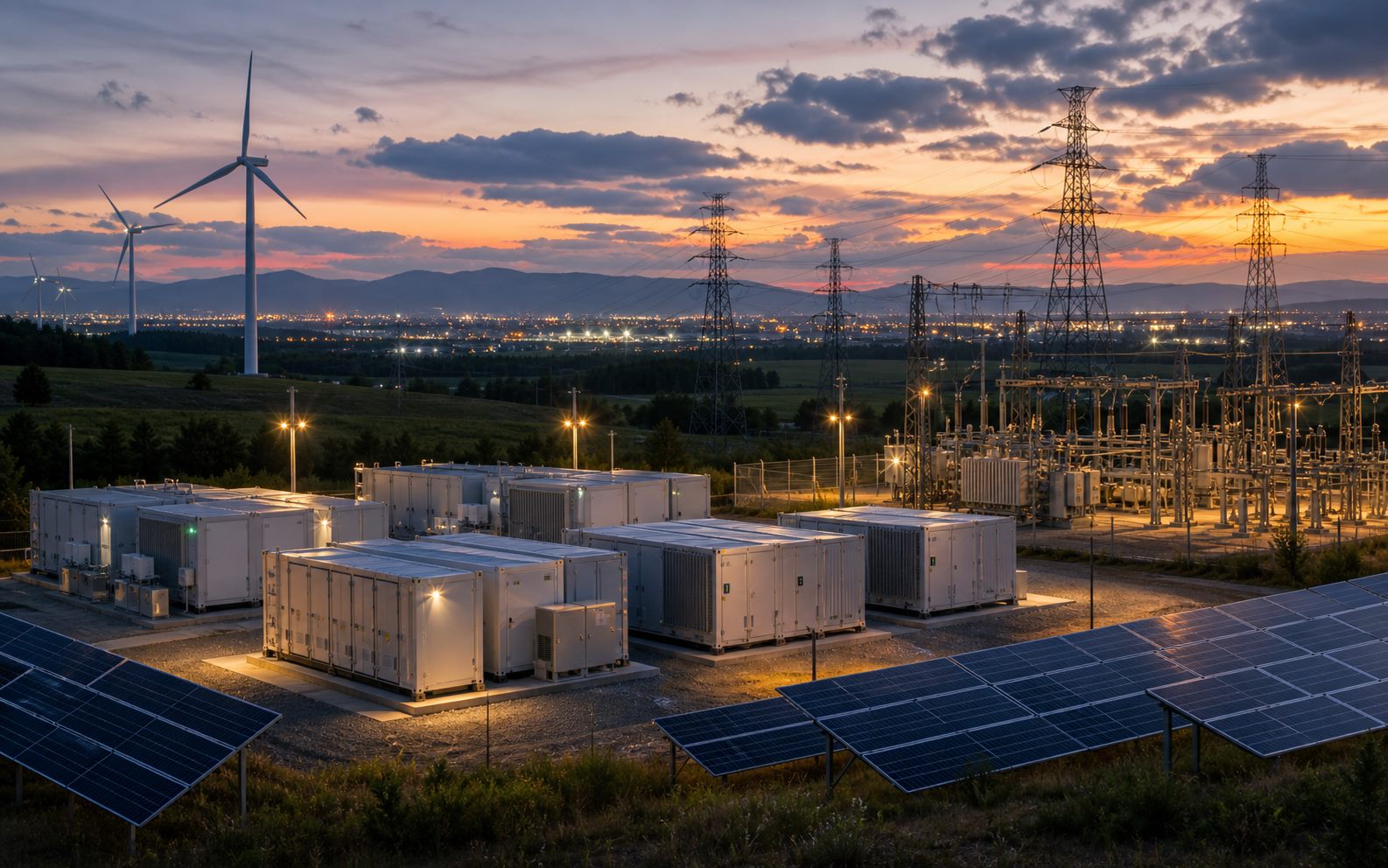
Solar and wind capacity have expanded rapidly, but power systems still need to balance supply and demand at every moment. Hydropower, geothermal energy, bioenergy, storage, transmission, demand response, and efficiency can all play roles depending on local conditions.
A strong grid is a system of systems. Solar performs differently from wind, wind varies by region and season, hydropower depends on water conditions, and demand changes by hour. The point is not to make every resource do everything. The point is to combine resources so their strengths cover different needs.
 Grid planning
Renewable capacity is growing quickly
IRENA's Renewable Capacity Statistics 2026 reports on the continued growth of renewable power capacity during 2016-2025. The important point is not that one technology will replace everything overnight. It is that renewable generation is becoming a larger part of the power system and must be integrated well.
Rapid growth creates opportunity and pressure at the same time. More clean generation can reduce fuel combustion and air pollution, but it must be connected, permitted, financed, maintained, and coordinated. A megawatt on paper does not help much until it is integrated into the grid where and when electricity is needed.
 Storage and flexibility
Grid modernization is part of the solution
The International Energy Agency warns that grid development can become a bottleneck. Its Electricity 2026 grid analysis says more than 2,500 GW of renewable, storage, and large-load projects are stalled in queues worldwide. Building generation without adequate grid capacity creates delays, congestion, and curtailment.
Transmission lines, substations, distribution circuits, interconnection queues, and planning rules can become the slowest part of the transition. Modernization also includes software, forecasting, sensors, cybersecurity, and market rules that reward flexibility. Cleaner power is partly a construction challenge and partly an institutional challenge.
 Energy systems
Storage provides several services
Battery storage can shift electricity across hours, support short-term balancing, provide operating reserves, and help stabilize the system. Other forms of storage and flexible demand may also matter. The right mix depends on geography, costs, time scale, and grid needs.
Short-duration batteries are useful, but storage is not one category. Pumped hydropower, thermal storage, vehicle-to-grid concepts, long-duration storage, flexible industrial loads, and demand response can all serve different time scales. The practical question is which tool solves which grid problem at a reasonable cost.
 Grid planning
Efficiency reduces the size of the challenge
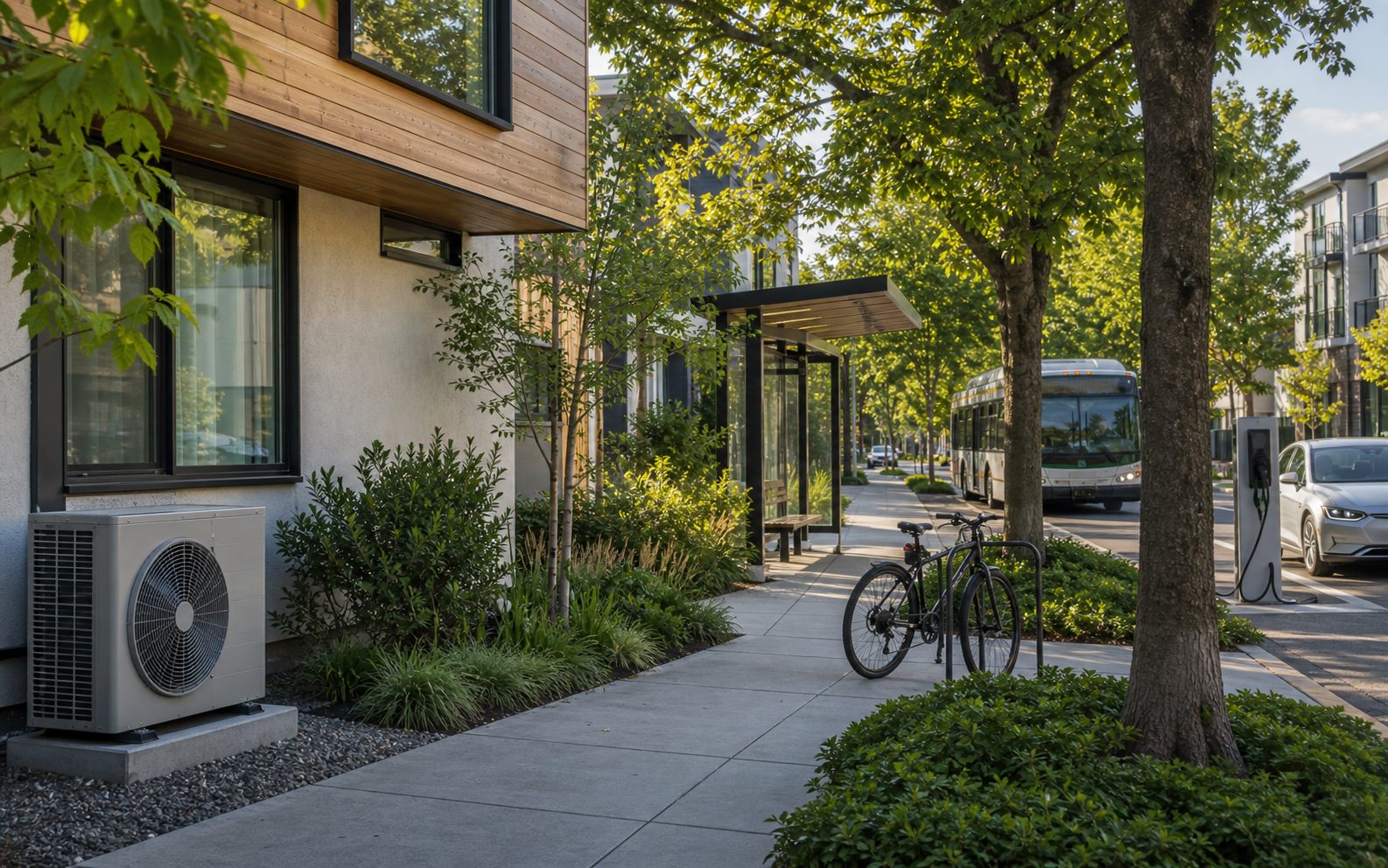
A unit of energy that does not need to be generated is often one of the most practical gains. Efficiency improvements in buildings, equipment, industrial systems, and transportation can reduce costs and make the broader transition easier to manage.
Efficiency is often less visible than new generation, but it can be powerful. Better insulation, heat pumps, efficient motors, smart controls, and industrial process improvements reduce the amount of energy infrastructure needed. That can lower bills, reduce strain during peak demand, and make clean power targets easier to reach.
ACC takeaway
Use this guide as one piece of the larger picture.
Climate decisions are strongest when they combine evidence, realistic comparisons, transparent assumptions, and an honest view of tradeoffs. No single page or technology answers everything, but clear information makes better choices easier.
References & further reading
Review the underlying material.
- IRENA: Renewable Capacity Statistics 2026Official capacity statistics for renewable power technologies.
- IEA: Electricity 2026 - gridsCurrent analysis of grid queues, investment, congestion, and flexibility.
- IEA: grid-scale StorageOverview of storage services in modern power systems.
- Union of Concerned Scientists: EnergyApplied resource on electricity systems and clean energy.
- Earthjustice: Clean EnergyApplied legal and policy resource on clean-energy transition.