
Reducing emissions remains essential, but communities also need to prepare for changes already occurring and risks that will continue. Resilience means more than emergency response. It includes infrastructure, public health, ecosystems, finance, governance, and fairness.
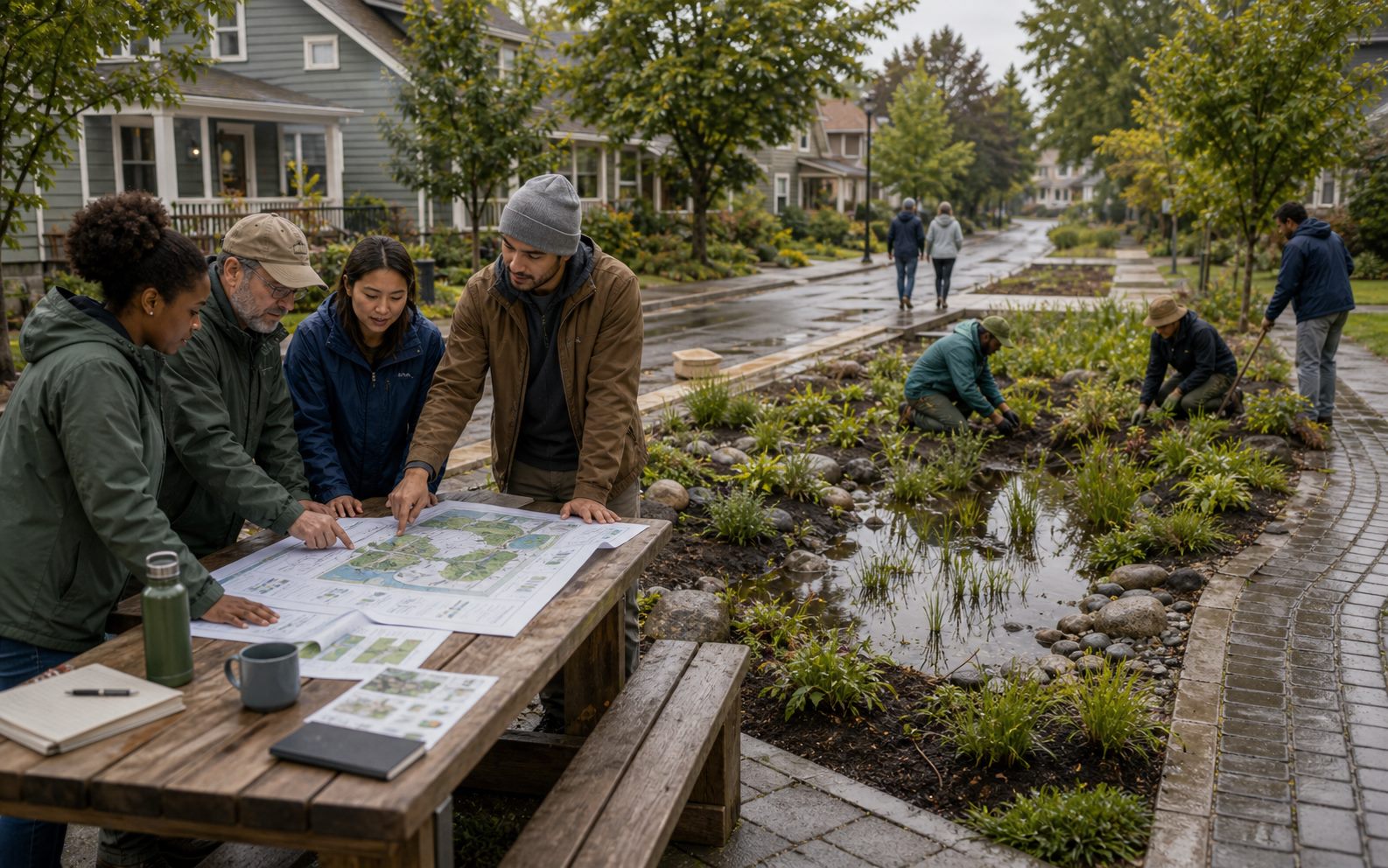 Community resilience
Mitigation and adaptation are different but connected
Mitigation addresses the causes of climate change by reducing emissions or increasing removals. Adaptation addresses the effects by reducing vulnerability and improving resilience. Both matter. Adaptation becomes harder and more expensive as warming and ecosystem disruption increase.
Mitigation reduces the causes of future warming; adaptation reduces harm from impacts that are already happening or expected. Communities need both. Cutting emissions lowers long-term risk, while resilience planning helps people handle heat, flooding, storms, wildfire smoke, water stress, and infrastructure disruption.
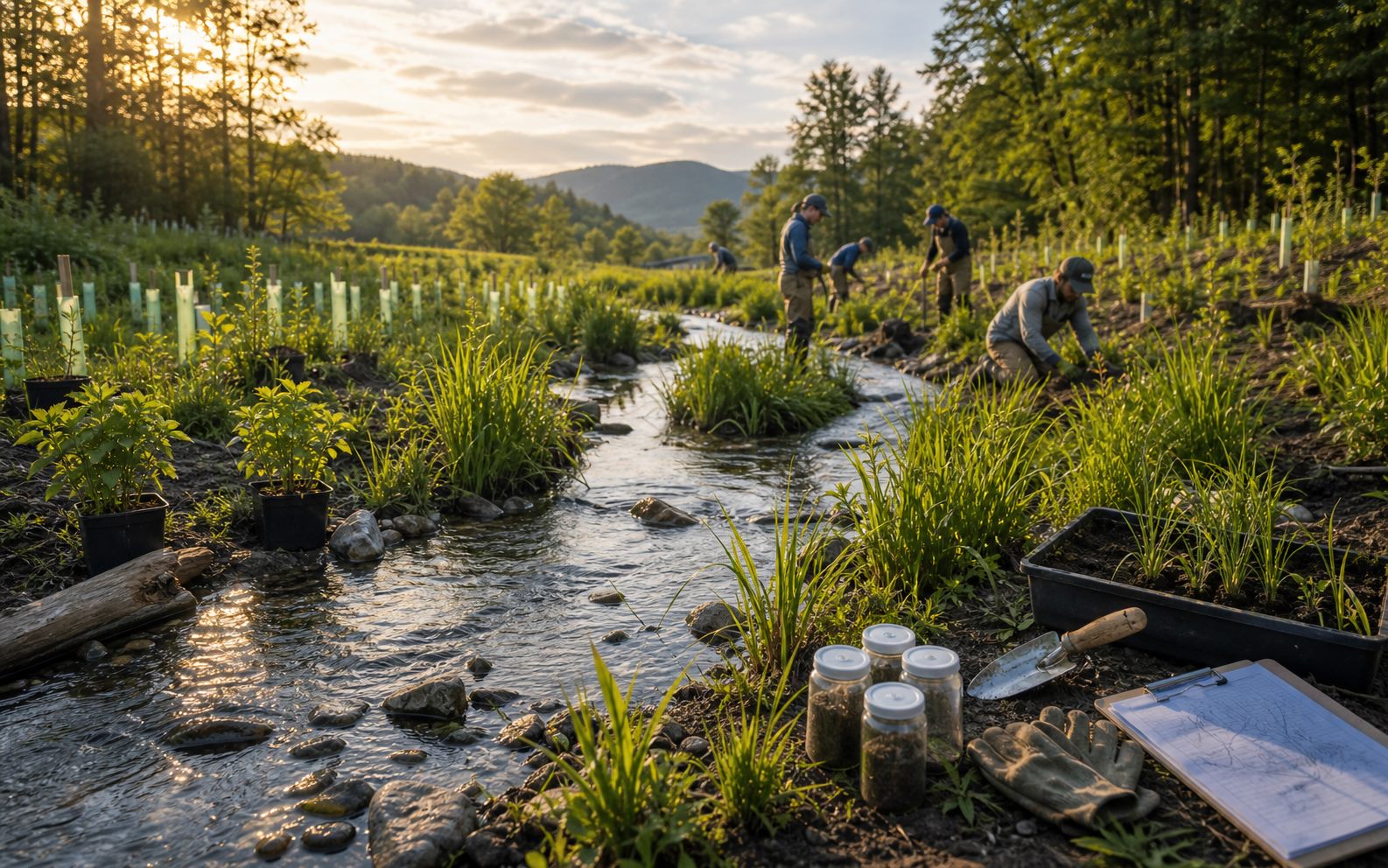 Preparedness
Risk is shaped by exposure and vulnerability
The same hazard can have very different consequences depending on housing, infrastructure, income, health, access to transportation, emergency planning, local ecosystems, and public services. Resilience planning should focus on the people and systems most likely to face harm.
A hazard becomes a disaster when it meets people, infrastructure, and systems that are exposed or vulnerable. The same flood depth can have different consequences depending on housing quality, drainage, insurance, warning systems, health, savings, mobility, and social support. Resilience is therefore a planning and equity issue.
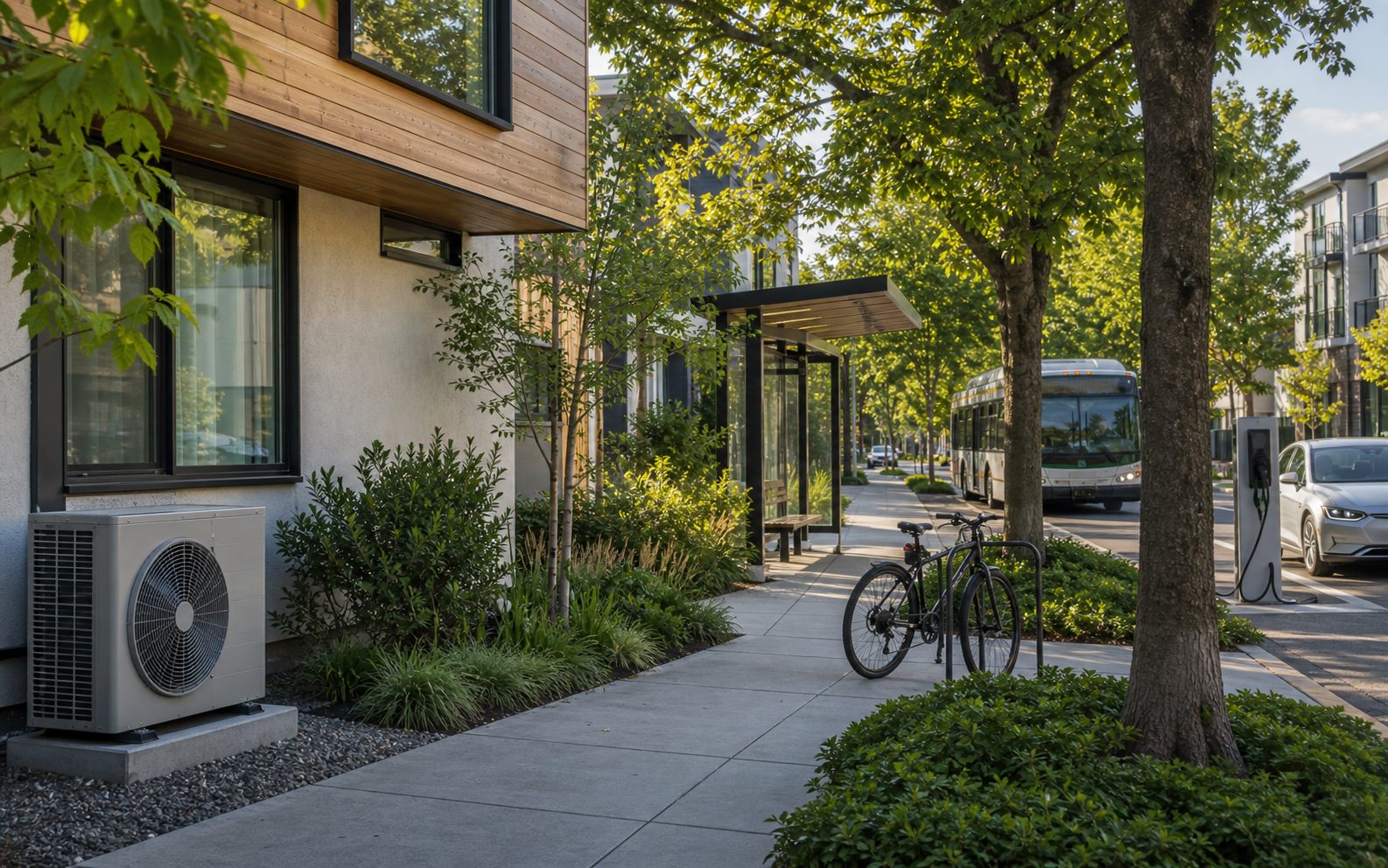 Climate justice
Adaptation finance remains inadequate
UNEP's Adaptation Gap Report 2025 estimates that developing-country adaptation finance needs could reach US$310-365 billion per year by 2035, while international public adaptation finance flows were US$26 billion in 2023. The gap affects real decisions about infrastructure, health, food, water, and disaster preparedness.
Many communities know their risks but lack money, staff, authority, or technical capacity to act. Adaptation can require upfront investment in drainage, cooling centers, building upgrades, emergency planning, relocation support, wetlands, and public health systems. Delayed investment often makes later damage more expensive.
 Community resilience
Environmental justice changes real decisions
Communities do not experience pollution, energy costs, climate hazards, or decision-making power equally. A just transition asks who receives benefits, who carries risks, who has access to resources, and who participates in planning.
Justice means asking who is most exposed, who has the fewest options, who pays, who benefits, and who gets a voice in decisions. It affects where trees are planted, where flood protection is built, how aid is distributed, and whether adaptation improves lives or simply moves risk elsewhere.
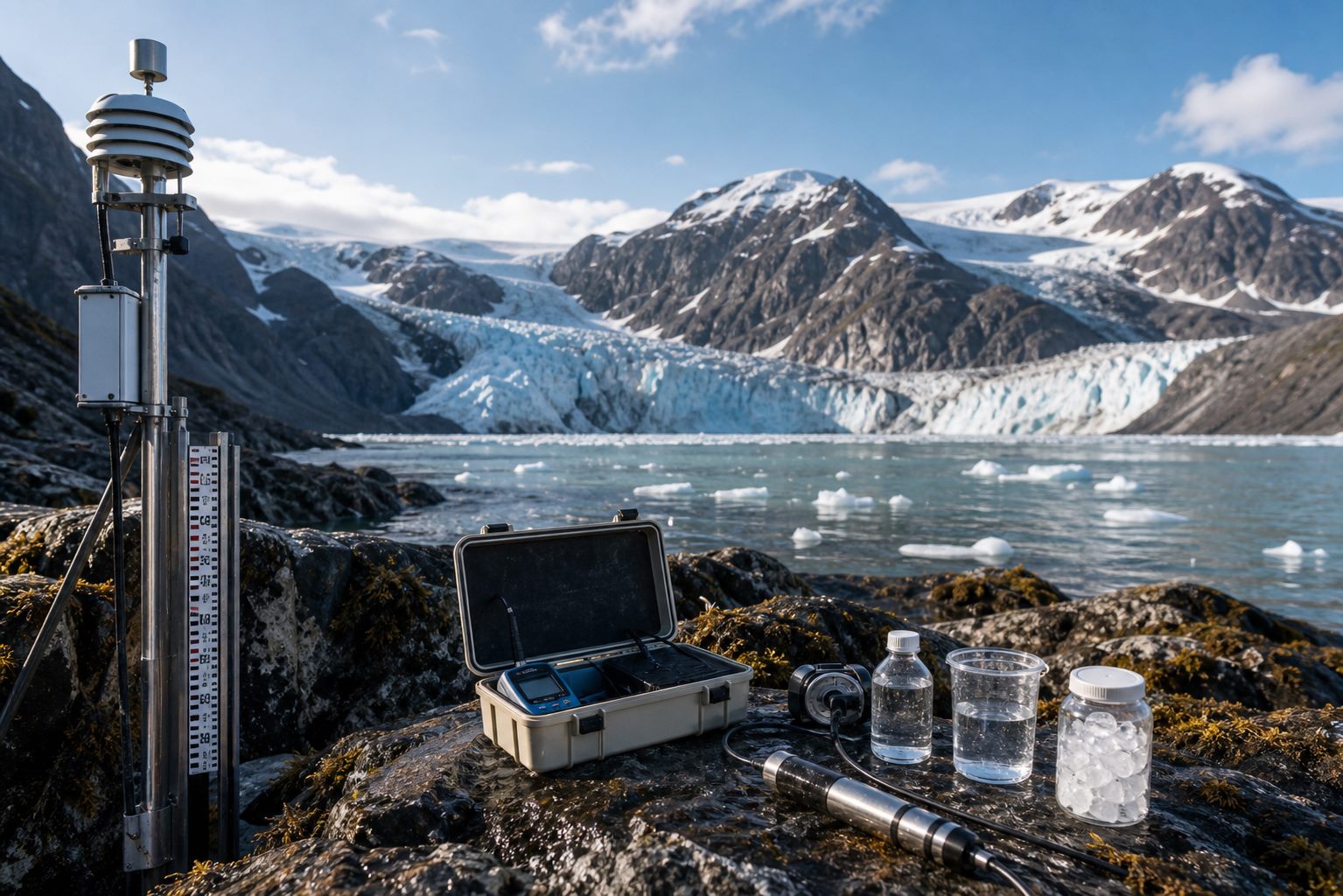 Preparedness
Community-led solutions work best when they fit the place
Some of the strongest projects are local: cooling centers, flood planning, resilient energy systems, community solar, watershed protection, public-health programs, legal accountability, and neighborhood organizing. National policy matters, but local implementation determines whether people experience the benefits.
Useful resilience work often looks ordinary: checking on vulnerable neighbors during heat, redesigning a dangerous intersection, restoring a floodplain, backing up critical power, mapping cooling spaces, or improving local communication. The best solution is the one that fits the actual hazard, budget, culture, and maintenance capacity.
ACC takeaway
Use this guide as one piece of the larger picture.
Climate decisions are strongest when they combine evidence, realistic comparisons, transparent assumptions, and an honest view of tradeoffs. No single page or technology answers everything, but clear information makes better choices easier.
References & further reading
Review the underlying material.
- IPCC AR6 Working Group IIAssessment of impacts, adaptation, vulnerability, ecosystems, and communities.
- UNEP: Adaptation Gap Report 2025Current assessment of adaptation planning, implementation, and finance.
- C2ES: Climate ResilienceApplied resource on climate-risk planning.
- The Solutions Project: What We DoApplied resource on frontline-community climate solutions.
- Earthjustice: Clean EnergyApplied legal and policy resource.