
To say we are “at war with the planet” is not just a metaphor. Armed conflict often turns the natural world into a battlefield, a supply chain, a waste site, and a casualty. Protecting people and protecting the environment are connected because clean water, healthy soil, food systems, energy systems, and stable ecosystems are part of survival.
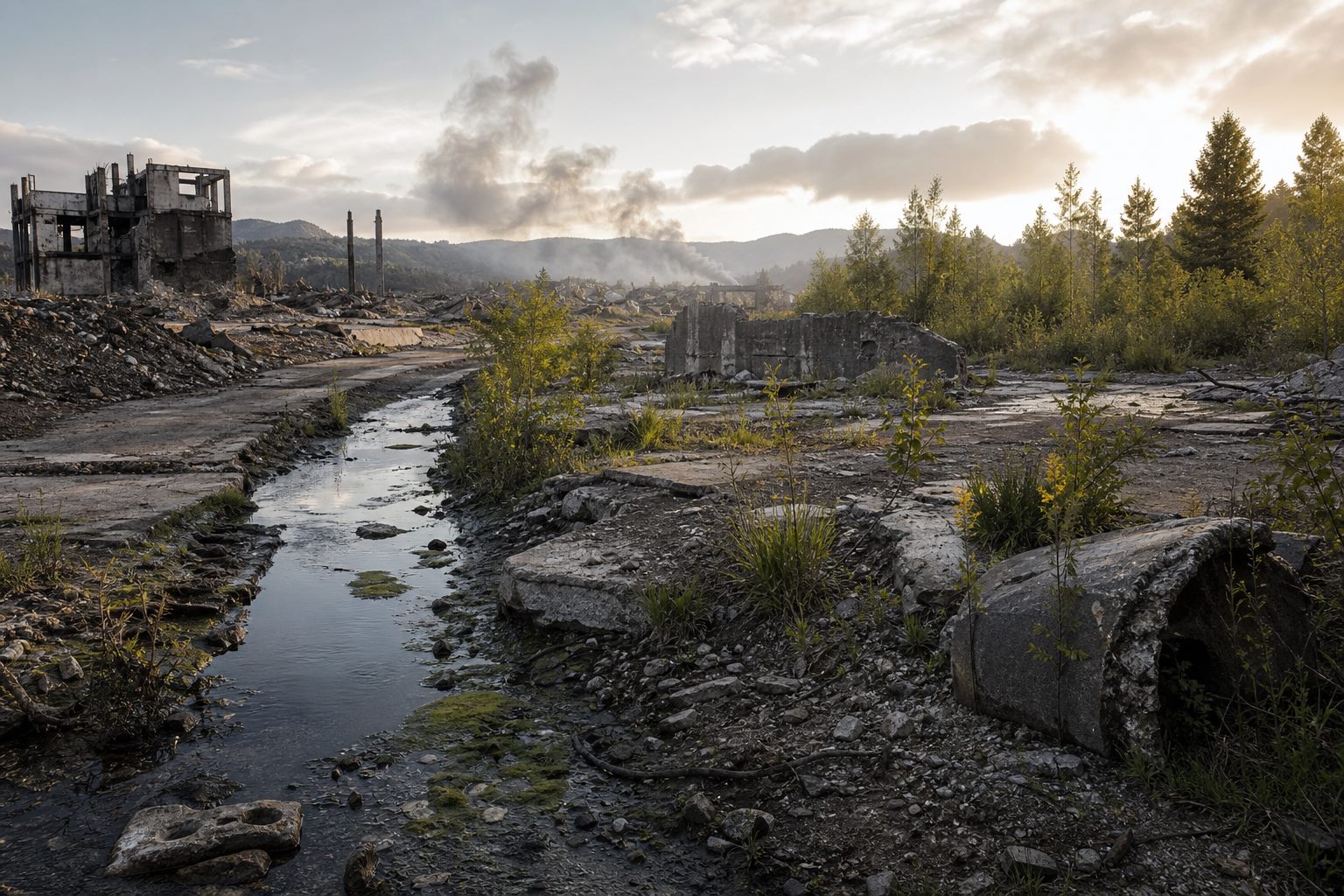 Conflict footprint
War burns carbon and resources
Modern militaries use large amounts of fuel for aircraft, ships, vehicles, bases, logistics, construction, and supply chains. Conflict also requires emergency transport, reconstruction materials, temporary shelters, generators, and replacement infrastructure. The climate cost is not only what happens during combat; it continues through preparation, occupation, cleanup, rebuilding, and long-term security spending.
Military emissions are difficult to compare across countries because reporting can be incomplete, inconsistent, or excluded from public climate accounting. That makes transparency important. A serious climate strategy should be able to discuss energy, transportation, industry, agriculture, and military activity without pretending any major source of fuel use is invisible.
 Infrastructure damage
Infrastructure damage spreads pollution
When water systems, power grids, fuel depots, factories, roads, ports, wastewater plants, hospitals, and housing are damaged, environmental harm spreads quickly. Sewage can enter waterways. Industrial chemicals can leak. Dust and debris can contaminate air. Fuel fires can pollute soil. Waste management can collapse when it is needed most.
Those impacts can continue long after fighting stops. A damaged wastewater plant, contaminated well, burned industrial site, or debris field can affect public health, farming, rebuilding, and local ecosystems for years. Recovery is not only about rebuilding walls and roads; it is also about making land, water, and air safe again.
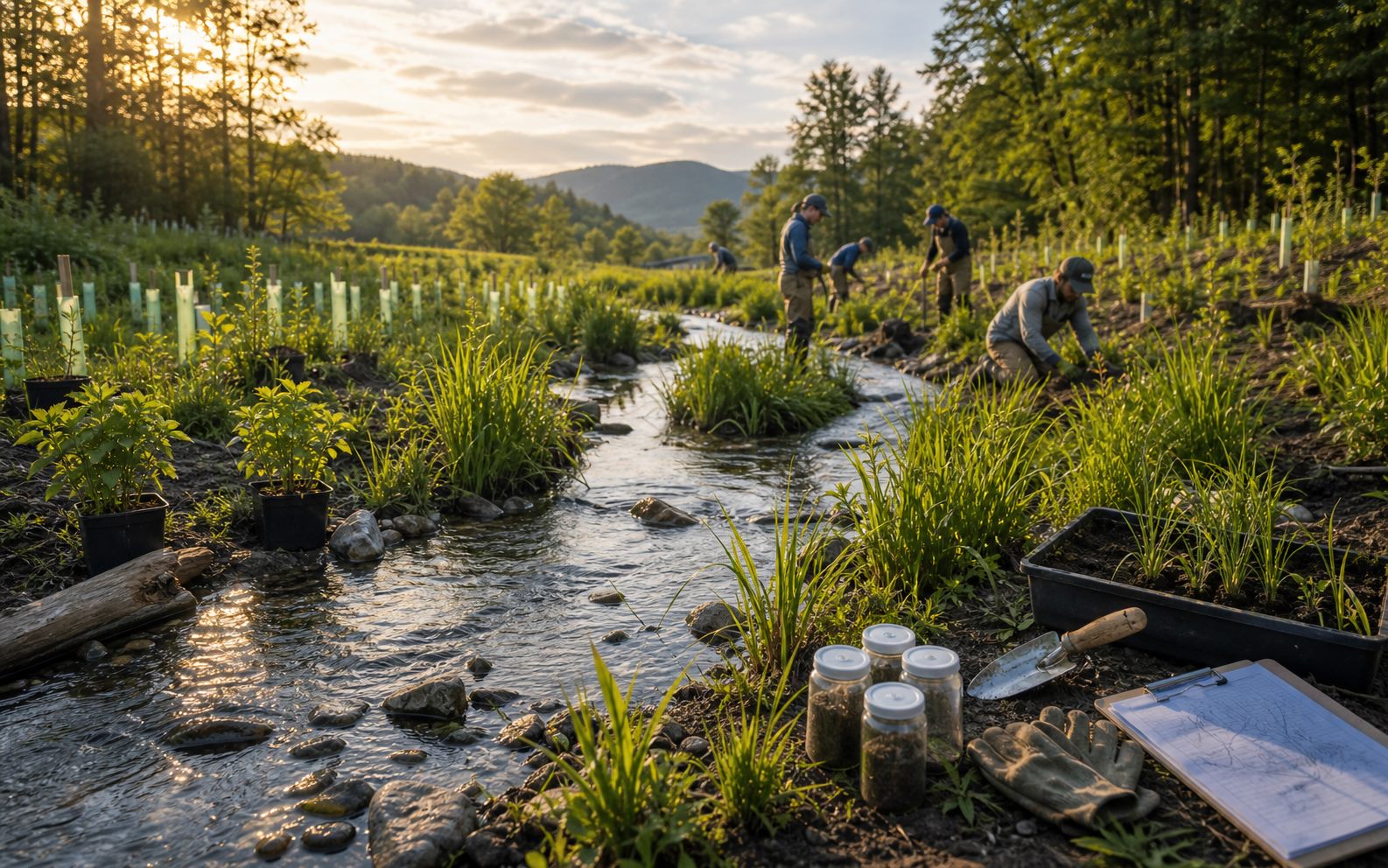 Ecosystems
Land, water, and ecosystems become casualties
Conflict can damage forests, farms, wetlands, rivers, protected areas, wildlife habitat, and soil. Sometimes damage comes from direct destruction. Sometimes it comes from displacement, illegal extraction, emergency fuel gathering, landmines, abandoned ordnance, weakened enforcement, or people being forced to survive without normal environmental protections.
UNEP has described the environment as an often overlooked victim of war. That framing matters because ecosystems are not scenery. They hold water, grow food, store carbon, filter pollution, reduce heat, support livelihoods, and protect communities from floods, drought, and erosion.
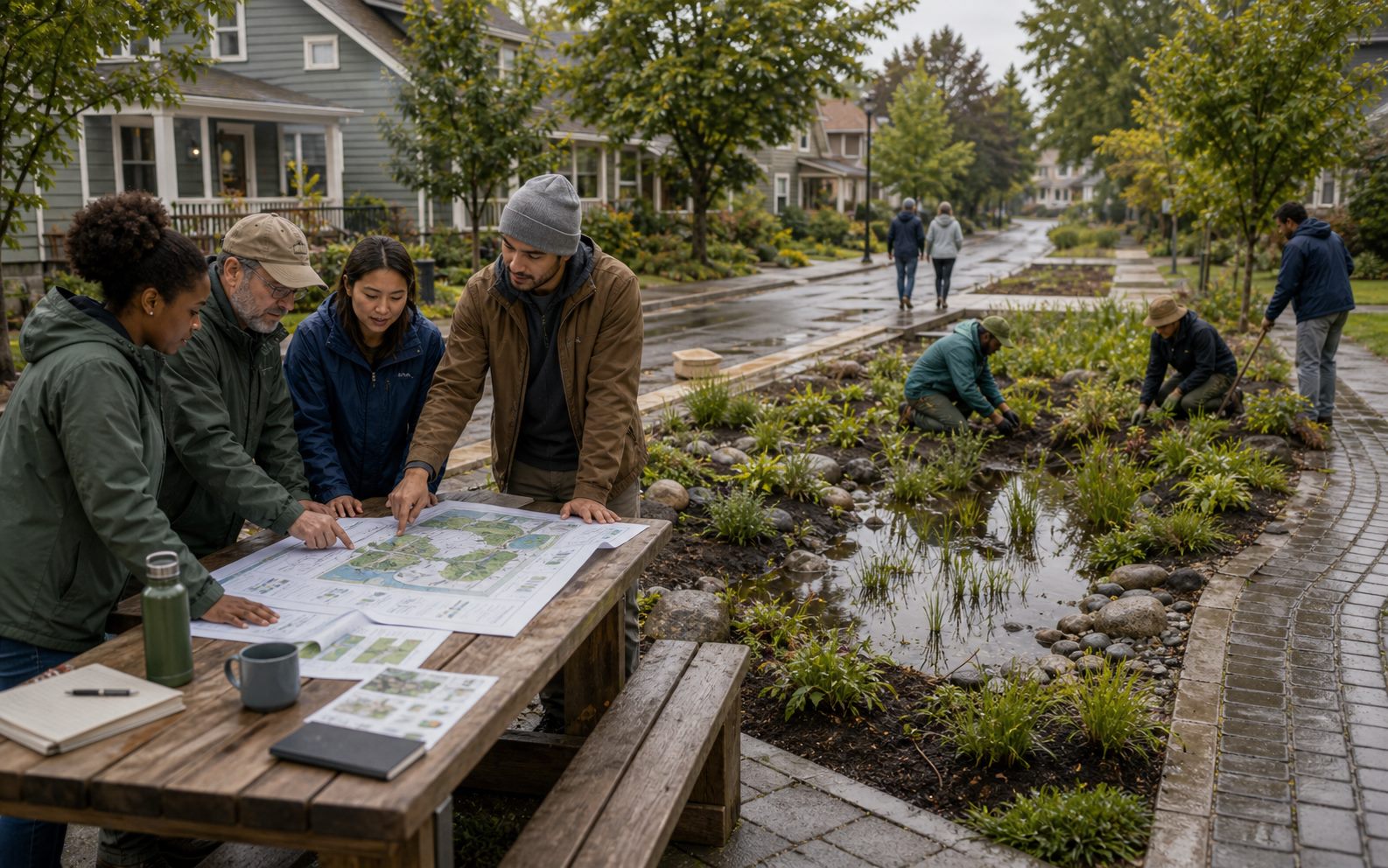 Civilian survival
War interrupts climate progress
War redirects money, labor, materials, attention, and political will away from long-term climate work. Solar installations, public transit, grid upgrades, conservation, building retrofits, research, and community resilience projects can be delayed or destroyed. People facing immediate danger cannot be expected to prioritize long-term emissions planning over survival.
Conflict and climate risk can also reinforce each other. Climate stress does not automatically cause war, and war cannot be reduced to climate alone. But drought, food insecurity, water stress, damaged institutions, poverty, displacement, and resource competition can make already fragile situations harder to stabilize.
 Repair and prevention
Peacebuilding can protect the environment
Environmental repair should be part of recovery. That can include debris management, safe water restoration, contaminated-site cleanup, renewable power for critical services, mine and ordnance clearance, ecosystem restoration, transparent resource governance, and support for people whose livelihoods depend on land and water.
Peace is not only the absence of fighting. It is also the ability to rebuild life without poisoning the future. A climate-conscious world should treat unnecessary war, environmental destruction, and reckless resource extraction as connected problems.
ACC takeaway
Protecting the planet includes reducing the damage of war.
Climate action is usually framed around energy, transportation, food, buildings, and conservation. It should also include peace, environmental law, responsible resource use, and recovery systems that keep land, water, air, and ecosystems from becoming hidden casualties.
References & further reading
Review the underlying material.
- UNEP: Biodiversity and armed conflictOverview of how war can damage ecosystems and natural-resource governance.
- UNEP: Explosive weapons and environmental legacyResource on pollution, debris, damaged infrastructure, and environmental health after conflict.
- ICRC: The environment and warfareHumanitarian law framing for the natural environment during armed conflict.
- ICRC: Guidelines on protection of the natural environment in armed conflictRules and recommendations for limiting environmental damage during conflict.
- Conflict and Environment ObservatoryResearch and monitoring focused on the environmental dimensions of armed conflict and military activity.