ACC News Brief
Biodiversity & Conservation Global Tropics
Tropical nickel supply increasingly overlaps with priority conservation areas
What happened
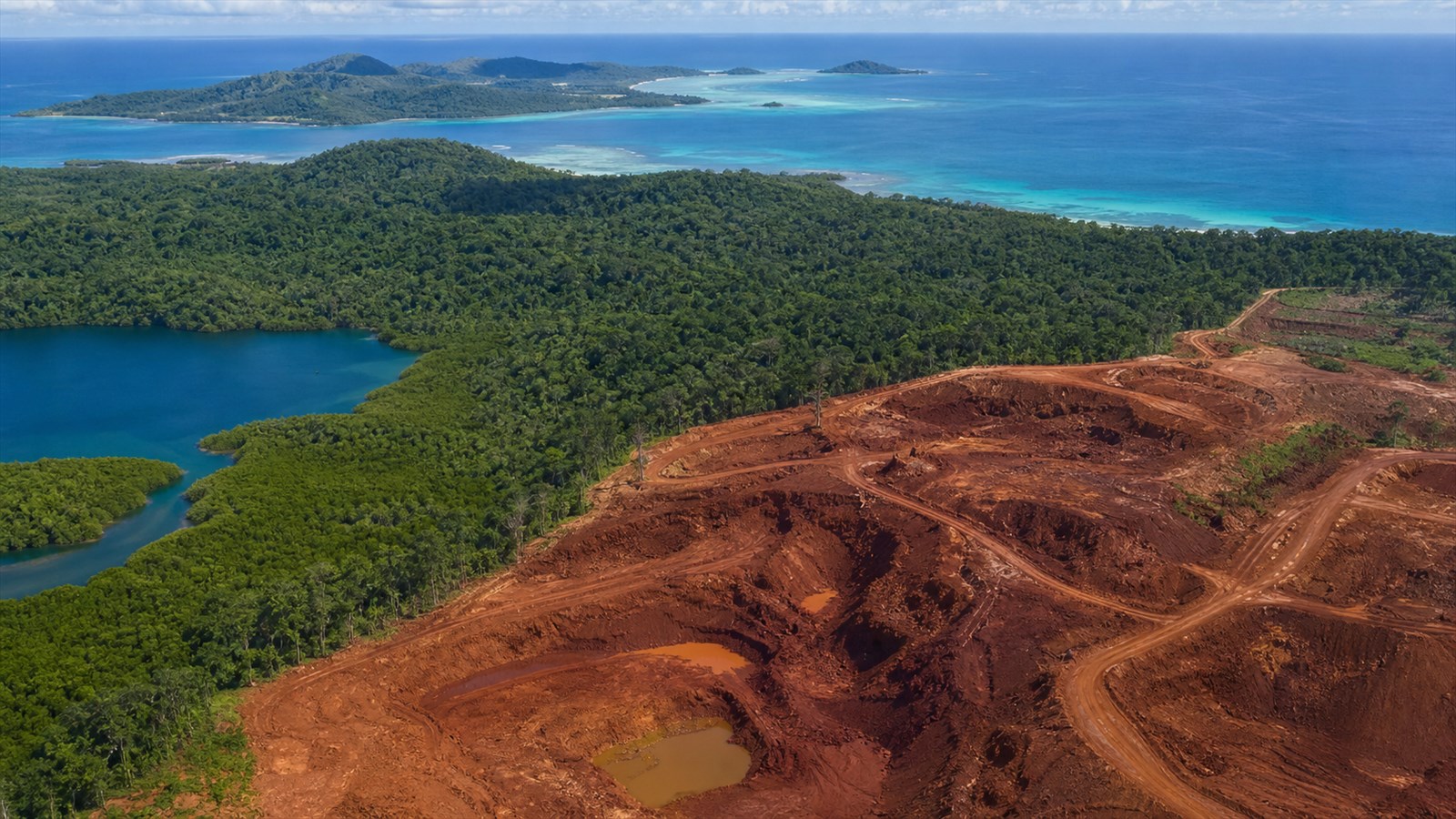
A global mine-by-mine scenario model examined how nickel supply through 2050 could intersect with areas important for biodiversity and carbon storage. Nickel laterites beneath tropical landscapes supplied 78-83% of modeled production. About half of mined nickel overlapped the top 10% of terrestrial conservation-priority areas, and 53-60% of future supply came from coastal mines that can threaten high-priority marine areas. These are scenario-model overlaps, not a claim that every mine causes the same damage or that all projected extraction will occur.
Why it matters
Clean-energy supply chains cannot treat biodiversity as an acceptable hidden cost. Demand reduction, recycling, material efficiency, stronger mine standards, traceability, and careful siting all belong in a credible transition strategy.
What to watch
- Whether battery and stainless-steel supply chains publish mine-level traceability and enforce no-go areas, water protections, restoration, and community rights.
- How recycling, chemistry changes, material efficiency, demand scenarios, terrestrial mine siting, and debate over deep-sea mining alter the projected tradeoffs.
Sources & evidence
- Growing nickel supply from the tropics threatens priority conservation areasOpen-access Nature Ecology & Evolution study published May 6, 2026, DOI 10.1038/s41559-026-03068-4. The overlap values come from mine-by-mine supply scenarios through 2050.
Continue learning with ACC
Explore ACC's ecosystems guide