ACC News Brief
Solar Global
Fishery-solar integration shows large modeled clean-energy potential
What happened
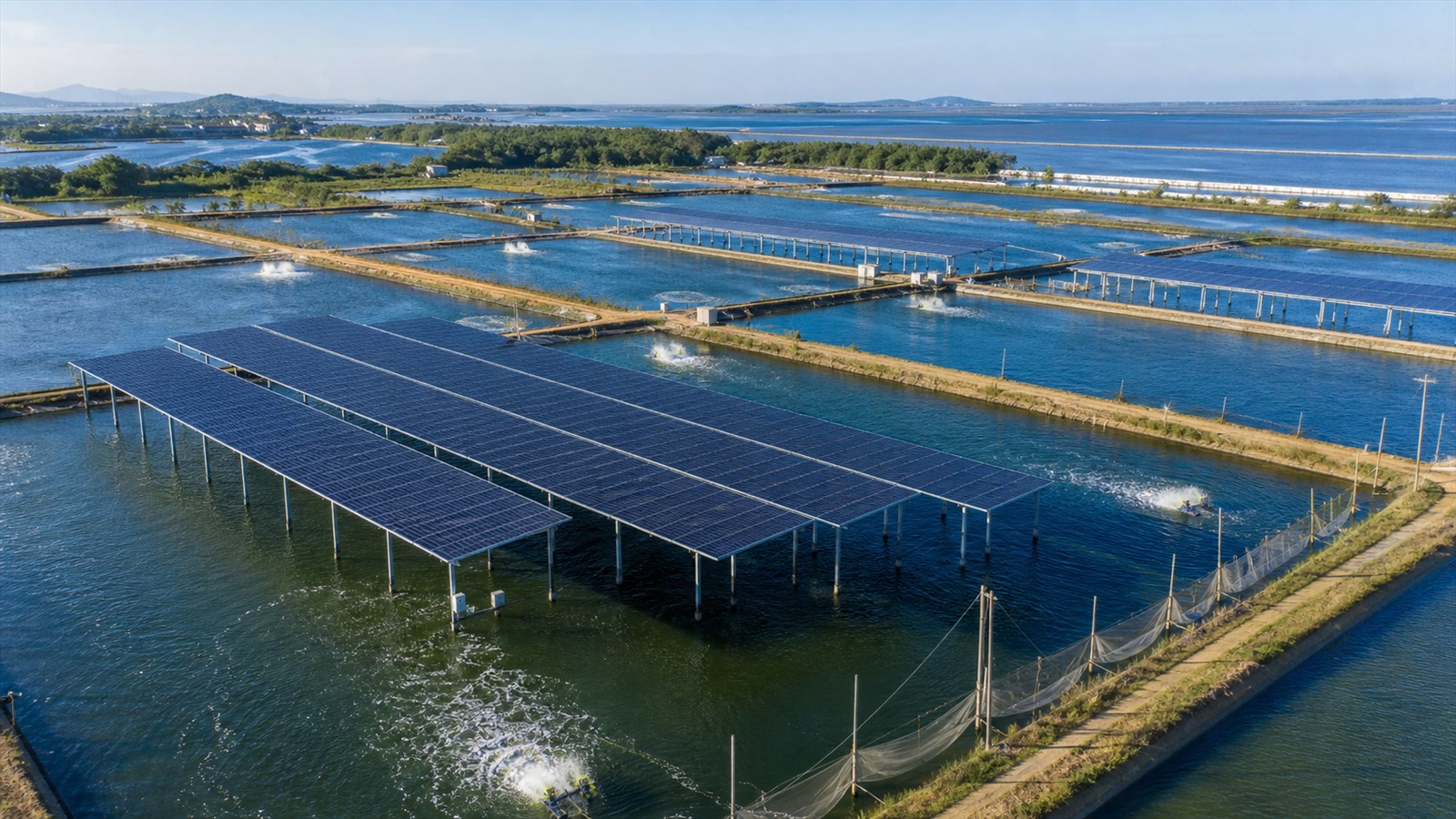
A five-kilometer global spatial assessment screened aquaculture ponds and tidal flats for environmental protection, biodiversity, topography, and grid-access constraints. It estimated that 43.6% of the mapped area remained suitable. In a modeled scenario covering 10% of that suitable area with photovoltaics, capacity reached about 856 gigawatts and annual generation about 1,267 terawatt-hours. The figures describe geospatial potential under assumptions, not permitted projects, deployable capacity, or a buildout forecast.
Why it matters
Dual-use solar could add clean electricity without replacing all existing aquatic food production, but good siting has to protect water quality, habitat, working access, and local livelihoods rather than treating every pond or tidal flat as available land.
What to watch
- Field evidence on fish health, water temperature, oxygen, pond operations, storm exposure, maintenance, and income under different panel coverage levels.
- Whether local planning protects wetlands and biodiversity, secures community consent, and tests grid and financing assumptions before large-scale deployment.
Sources & evidence
- Global potential of fishery-photovoltaic integration for sustainable energy and climate mitigationOpen-access Communications Earth & Environment article-in-press published May 14, 2026, DOI 10.1038/s43247-026-03606-9. The global values are modeled technical potential under screening and coverage assumptions.
Continue learning with ACC
Explore ACC's solar energy guide