ACC News Brief
Resilience England
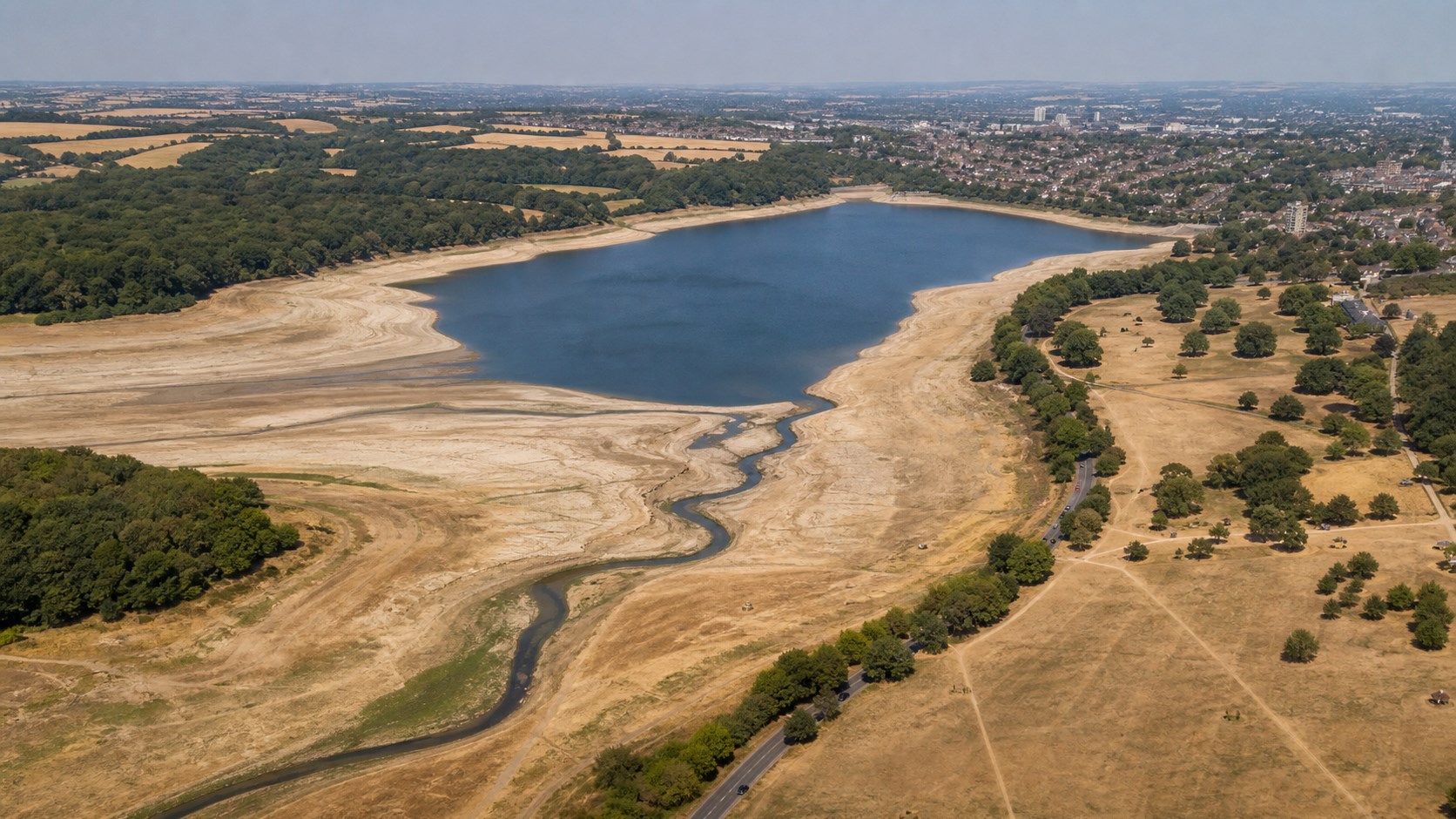
Half of England enters an exceptionally serious summer drought
What happened
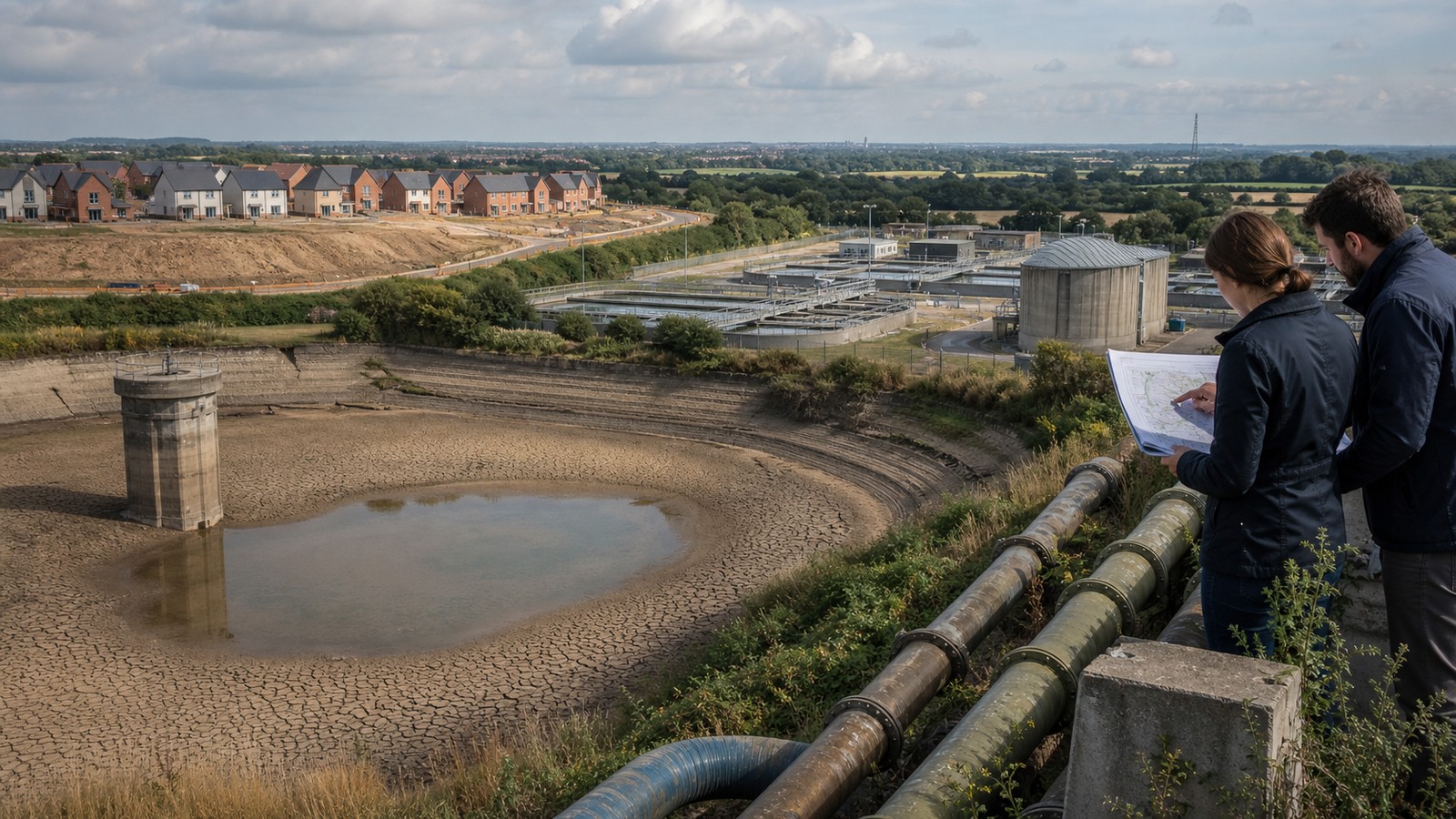
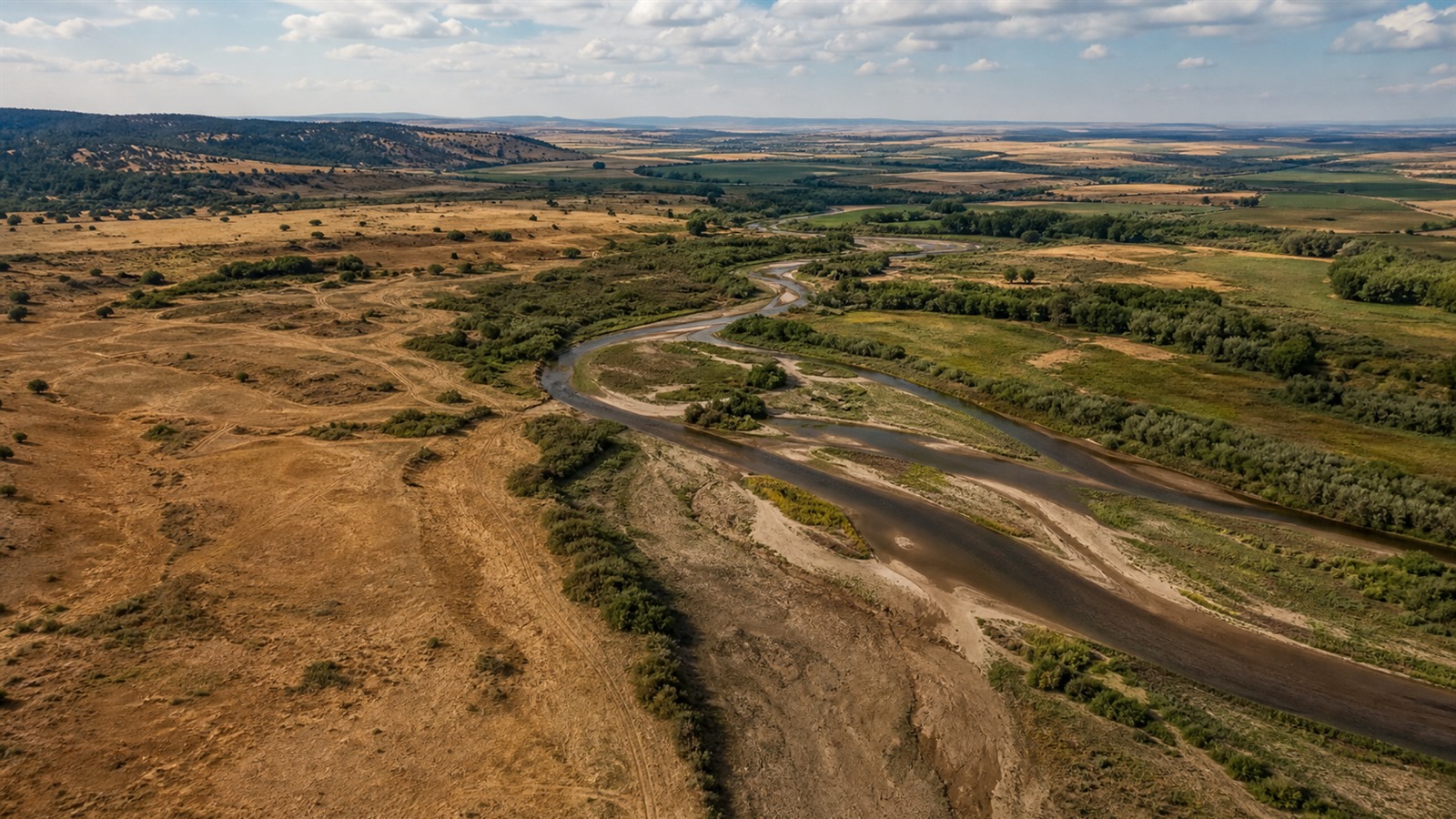
The Environment Agency declared seven regions of England in drought after unusually hot, dry weather produced a rapid flash drought. The Guardian reports that July received only 7% of expected rainfall nationwide and 1% in southern England, while 78% of rivers were below normal or lower and 40% of the population faced hosepipe restrictions.
Why it matters
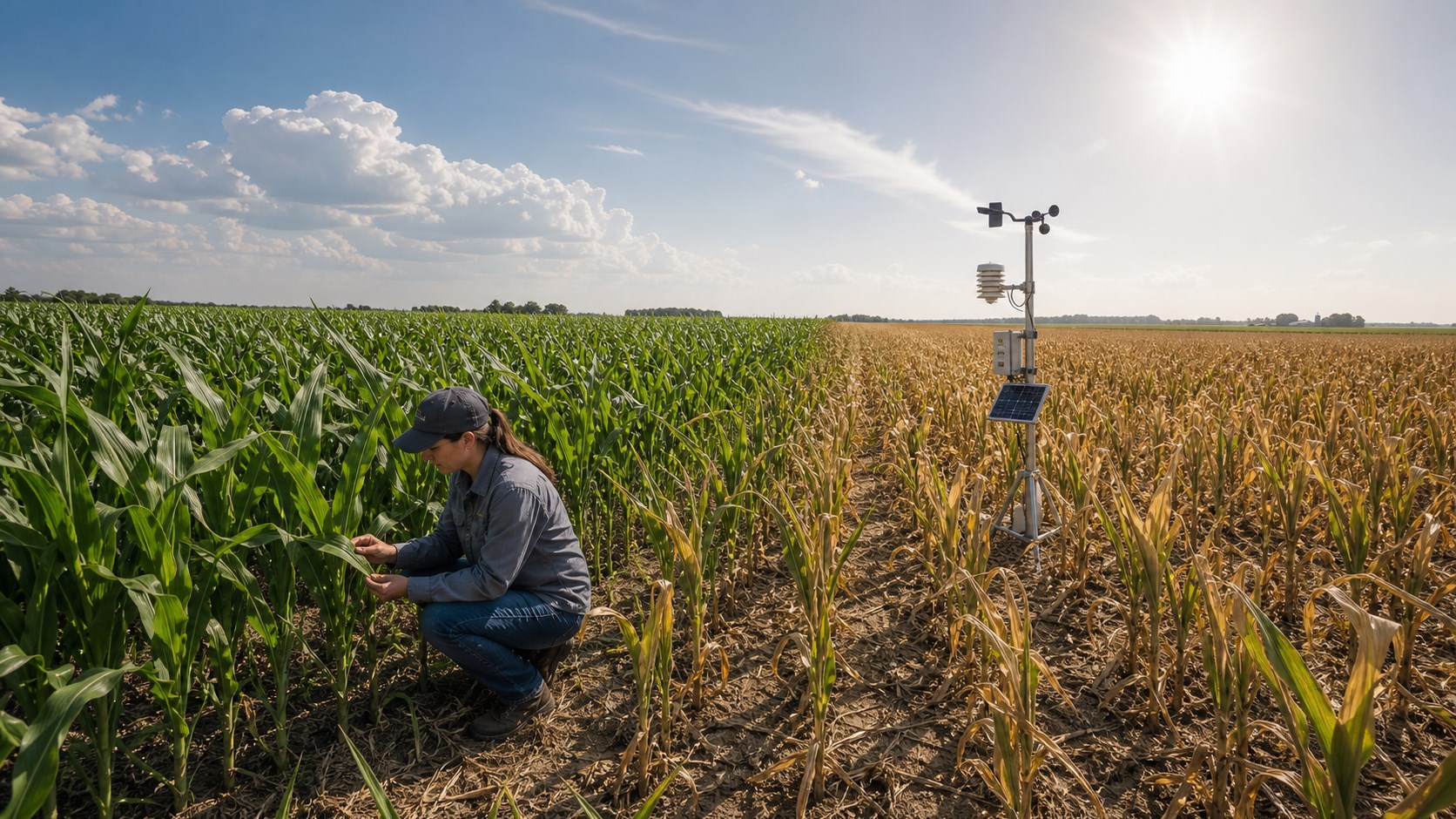
A second consecutive summer drought affects drinking-water resilience, agriculture, rivers, fish, wetlands, and wildfire risk at the same time. Household conservation helps, but long-term resilience also depends on fixing leaks, restoring catchments, improving storage, and planning for hotter summers.
What to watch
- Whether sustained rainfall arrives before reservoirs and river flows fall further.
- Impacts on crops, livestock, fish passage, water quality, and protected habitats.
- How regulators and water companies balance near-term restrictions with infrastructure investment.
Sources & evidence
- Half of England officially in 'exceptionally serious' droughtGuardian environment report published July 29, 2026, citing the Environment Agency, Met Office, and National Farmers' Union.
Continue learning with ACC
Explore ACC's climate resilience guide