ACC News Brief
Climate Science Spain and France
Climate change made Spain's extreme fire weather about 20 times likelier
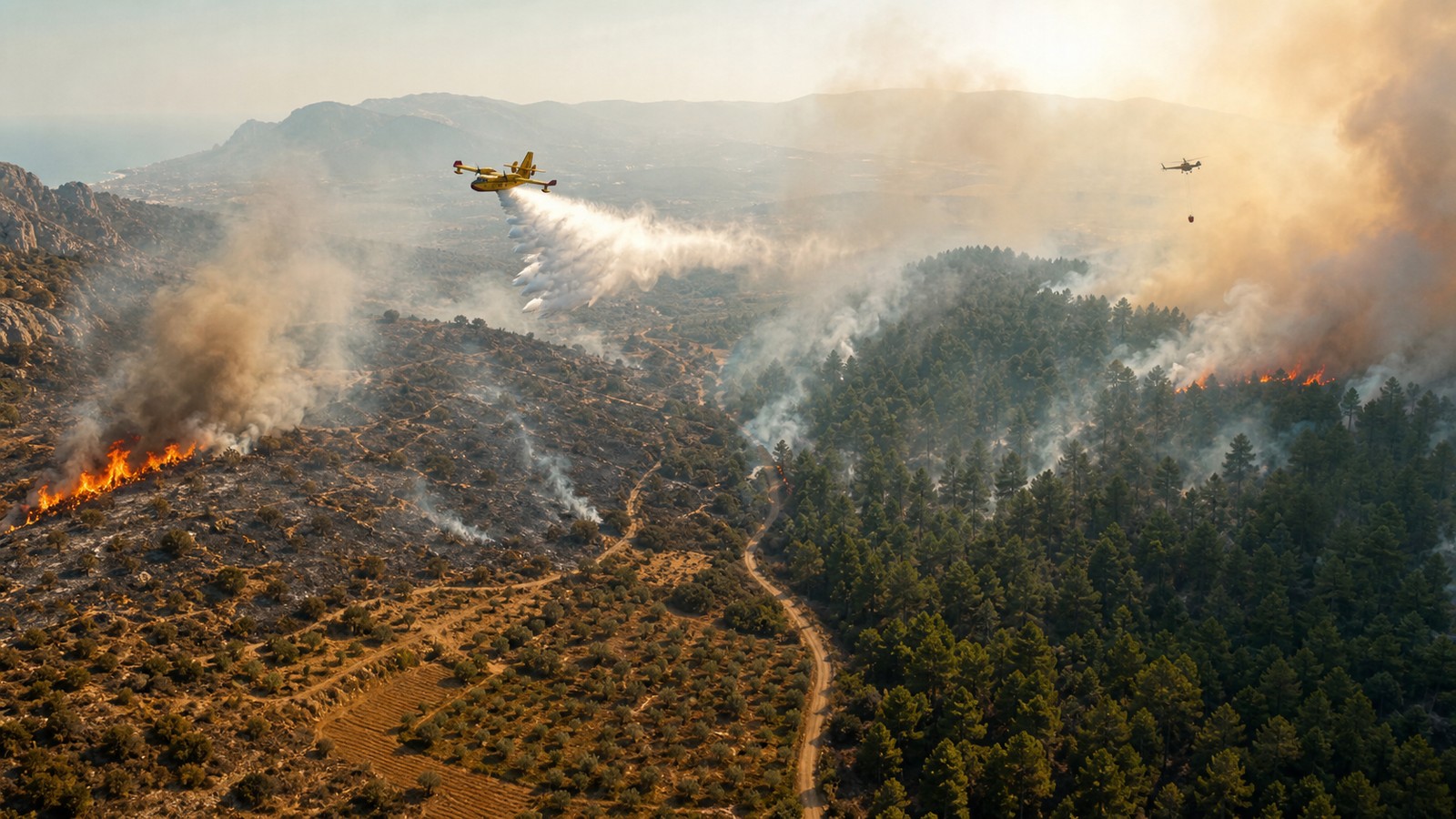
What happened
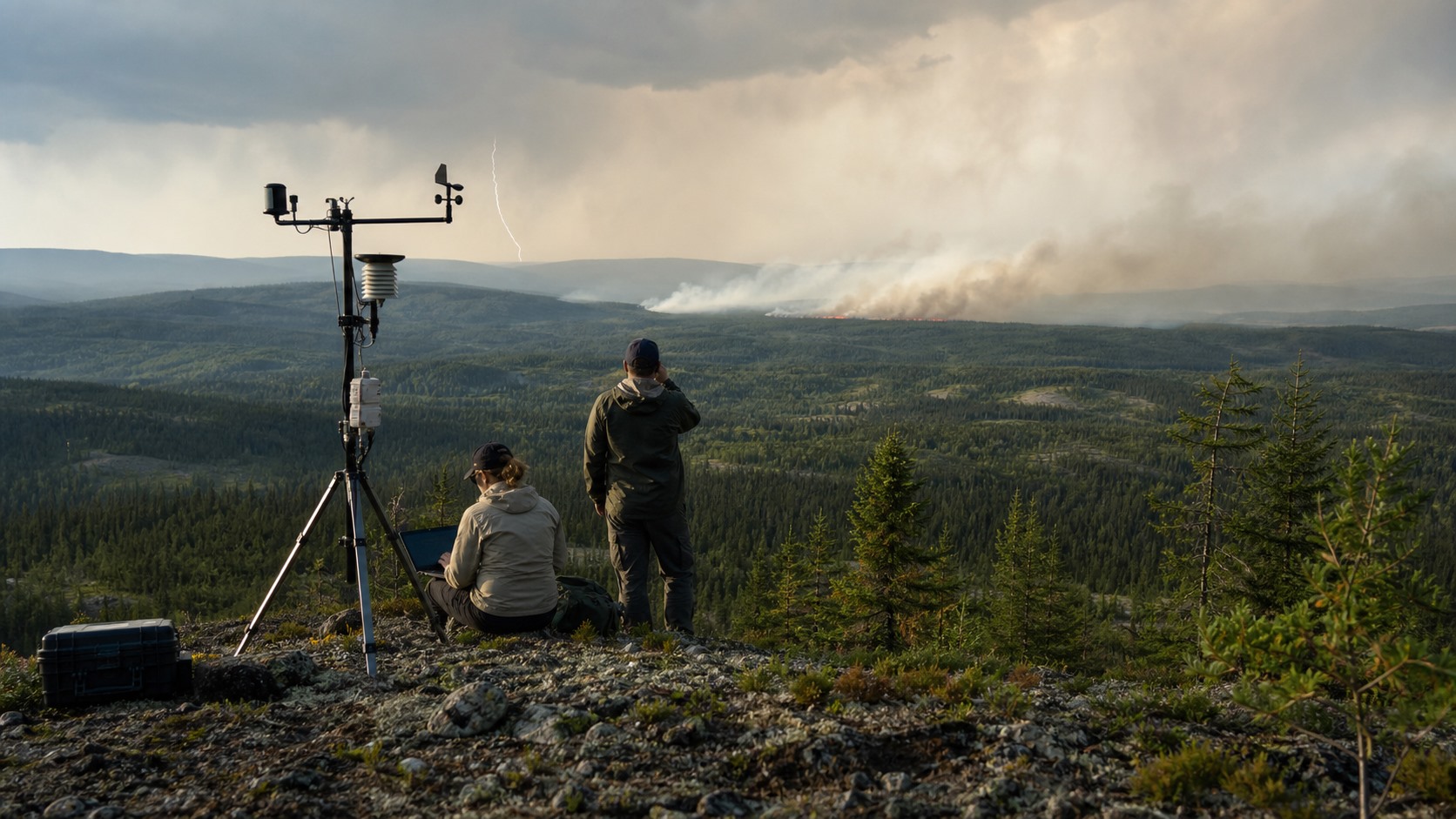
A World Weather Attribution rapid analysis estimated that human-caused warming made the hot, dry conditions behind Spain's record fire about 20 times more likely and doubled the odds of extreme fire conditions in France. A separate peer-reviewed study found that Southern Europe's extreme fire-weather days rose from about 10 per year in earlier decades to roughly 25 and became about 50% more intense than the 1981-2010 baseline.
Why it matters
Attribution does not mean climate change alone starts a fire; ignition, vegetation, land management, and response still matter. It quantifies how warming changes the background conditions that let fires ignite and spread, helping planners set realistic limits for suppression and invest earlier in prevention and evacuation.
What to watch
- Peer review and later updates to the rapid attribution analysis.
- How land abandonment, fuel management, and ignition prevention interact with worsening fire weather.
- Whether building codes, evacuation planning, and restoration funding adjust to the higher risk.
Sources & evidence
- Human-caused climate change made Spanish, French fires much more likely, scientists calculateAssociated Press science report published July 30, 2026, covering World Weather Attribution and a peer-reviewed Scientific Reports study.
Continue learning with ACC
Explore ACC's climate evidence and data guide