ACC News Brief
Resilience Central and Eastern Europe
Europe's depleted rivers disrupt shipping, power, and tourism
What happened
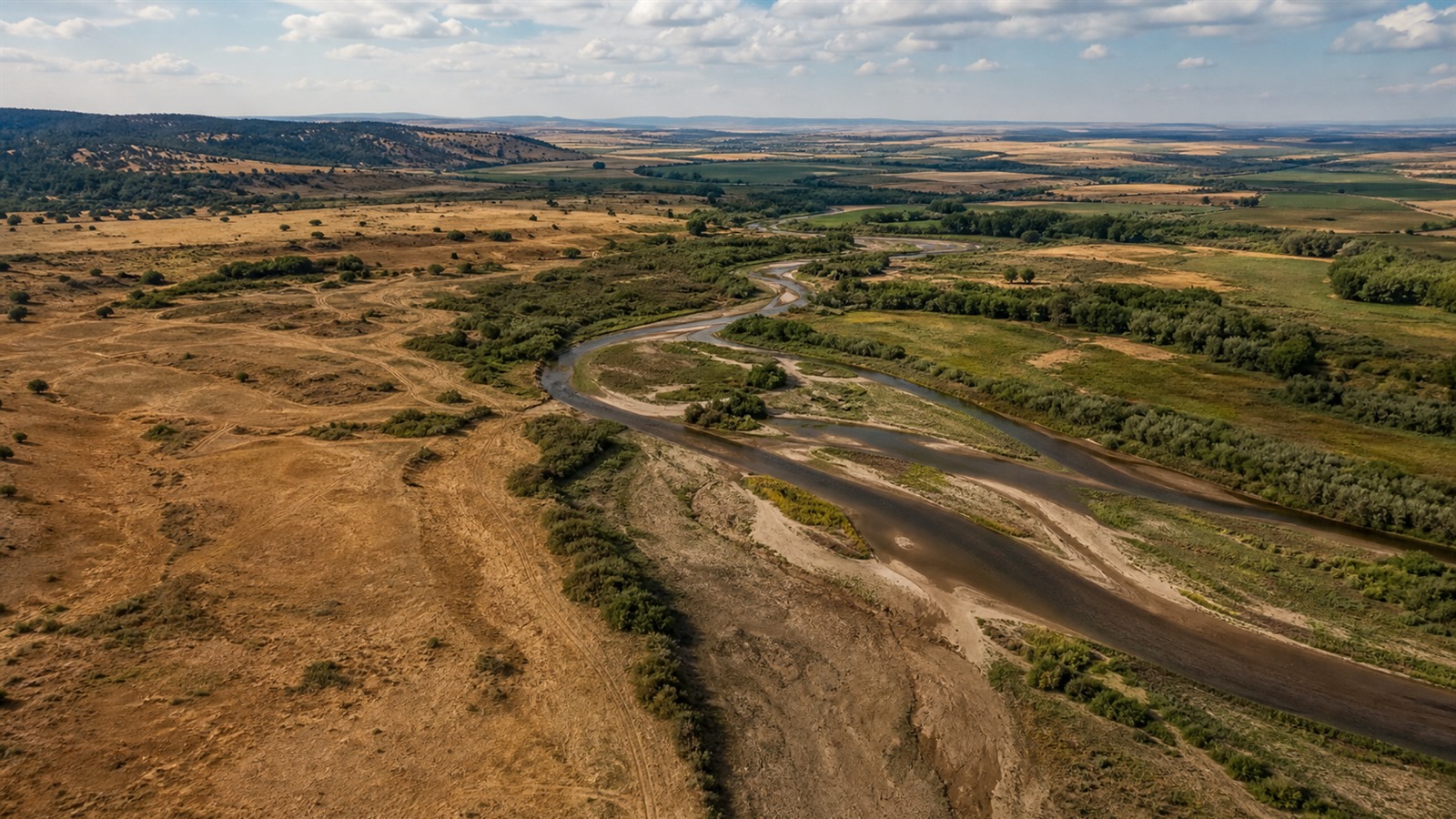
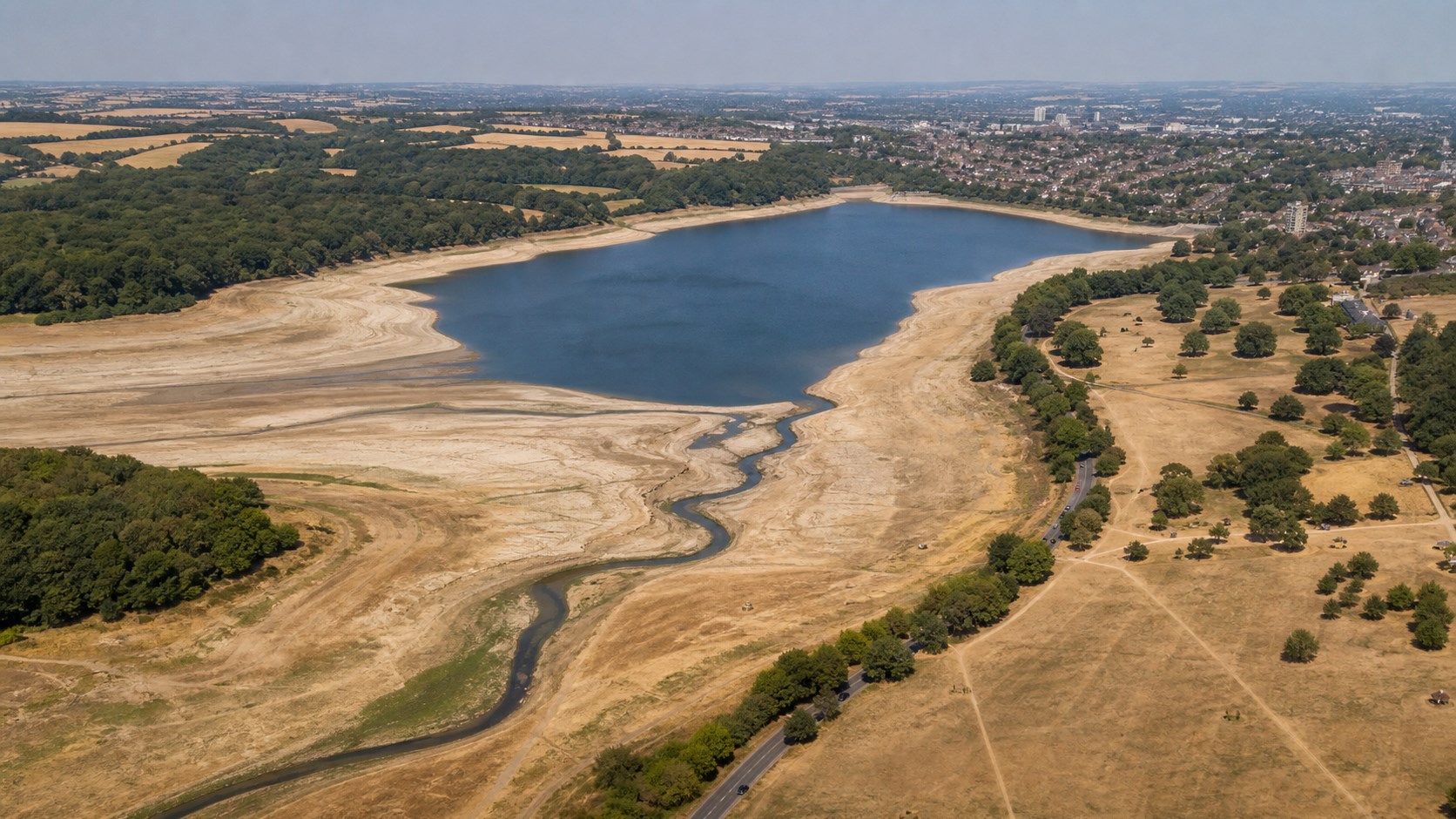
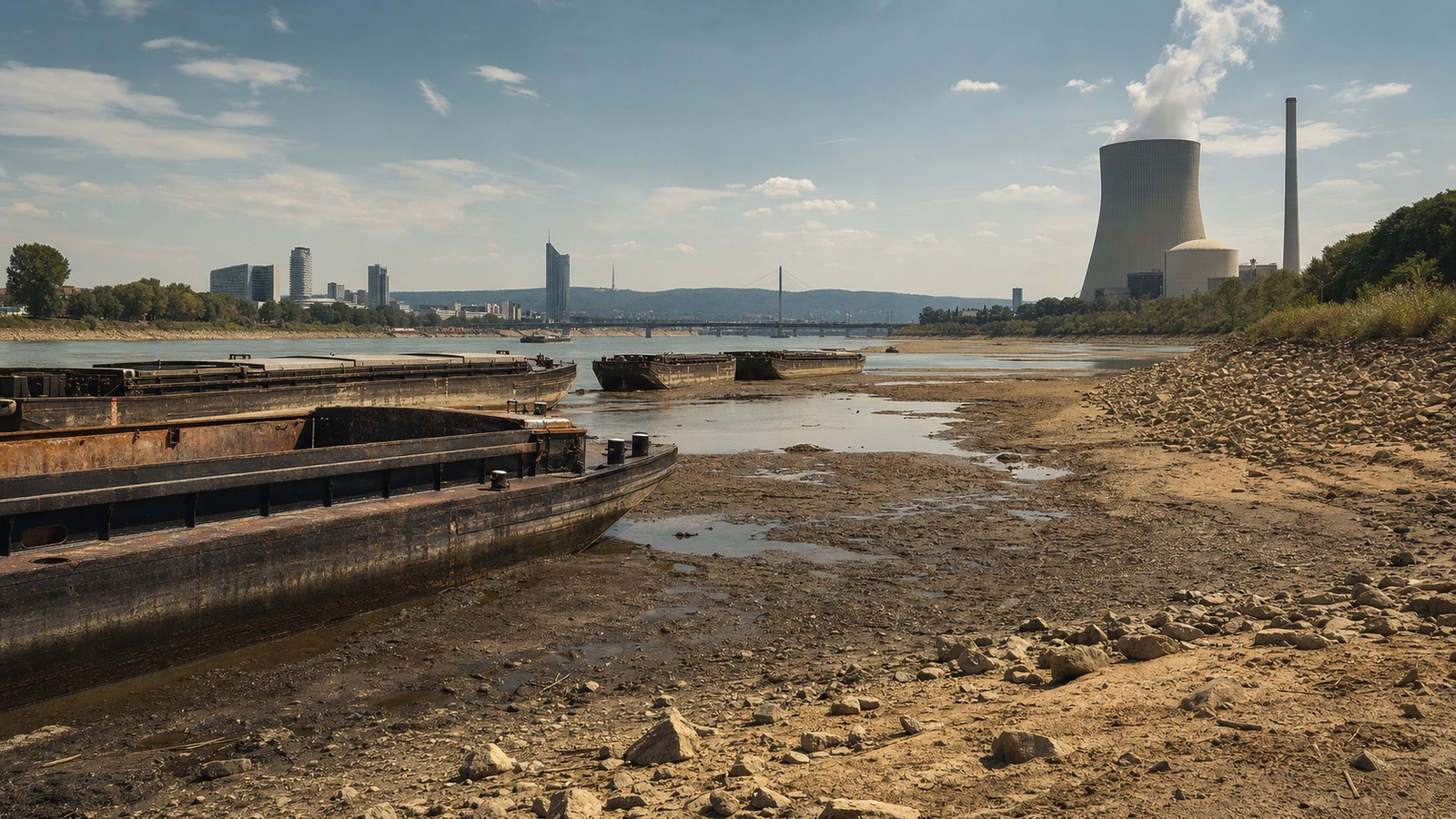
Heat and drought pushed sections of the Danube and Rhine to record or near-record lows, disrupting cargo traffic, tourism, industrial water use, and electricity generation. Hungary and Romania curtailed or shut reactor units that depend on river water for cooling, while shallow channels forced ships to carry much smaller loads or stop operating.
Why it matters
Rivers are shared infrastructure for ecosystems, drinking water, food, transport, industry, and energy. Low-flow resilience requires cross-border forecasting, water allocation, efficient cooling and industry, restored catchments, diversified transport, and power systems that can operate safely during compound heat and drought.
What to watch
- River forecasts and whether sustained rain restores navigation and cooling capacity.
- Energy-system responses as hydropower, thermal plants, and electricity demand face the same heat event.
- Cross-border rules for water withdrawals, shipping, ecosystems, and emergency coordination.
Sources & evidence
- Lost income, energy fears and a woolly mammoth: what Europe's dried-up rivers have yieldedGuardian feature published August 1, 2026, with reporting from agencies and authorities across the Danube and Rhine basins.
Continue learning with ACC
Explore ACC's climate resilience guide