ACC News Brief
Climate Science Southern Brazil and Uruguay
South American lakes could serve as climate early-warning observatories
What happened
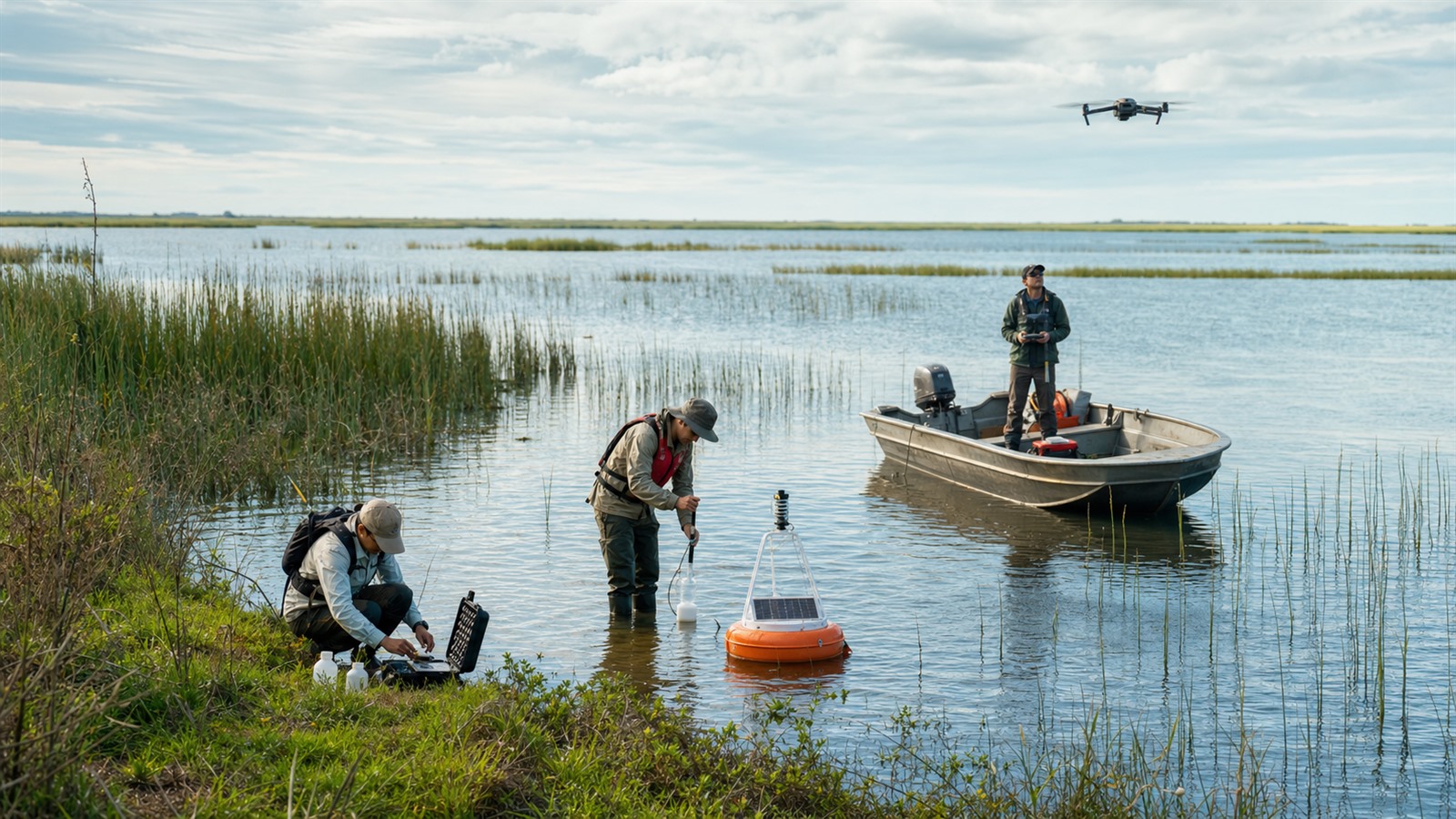
Researchers identified more than 100 shallow coastal lakes spanning over 1,000 kilometers of southern Brazil and Uruguay as a potential long-term monitoring network. The lakes already reflect pressures from urbanization, nutrient and wastewater pollution, microplastics, extreme rainfall, flooding, and the El Nino-Southern Oscillation.
Why it matters
Most long-term lake research comes from the Northern Hemisphere. Coordinated sampling across this subtropical system could reveal earlier signs of ecological stress while improving global understanding of freshwater biodiversity, water quality, climate impacts, and public-health risks.
What to watch
- Whether researchers secure durable funding for coordinated monitoring across national borders.
- How microbial ecology, environmental DNA, remote sensing, and water chemistry are combined.
- Whether early-warning indicators translate into faster water-management and pollution responses.
Sources & evidence
- Over 100 South American lakes could become climate-change early-warning observatoriesPhys.org report published August 3, 2026, based on a One Ecosystem study and an international freshwater-monitoring workshop.
Continue learning with ACC
Explore ACC's climate science guide