ACC News Brief
Clean Energy New Zealand
VERIFIED OPERATING DATA - observed quarterly generation, with favorable hydro conditions as an important driver
Renewables supplied 92% of New Zealand electricity in the June quarter
What happened
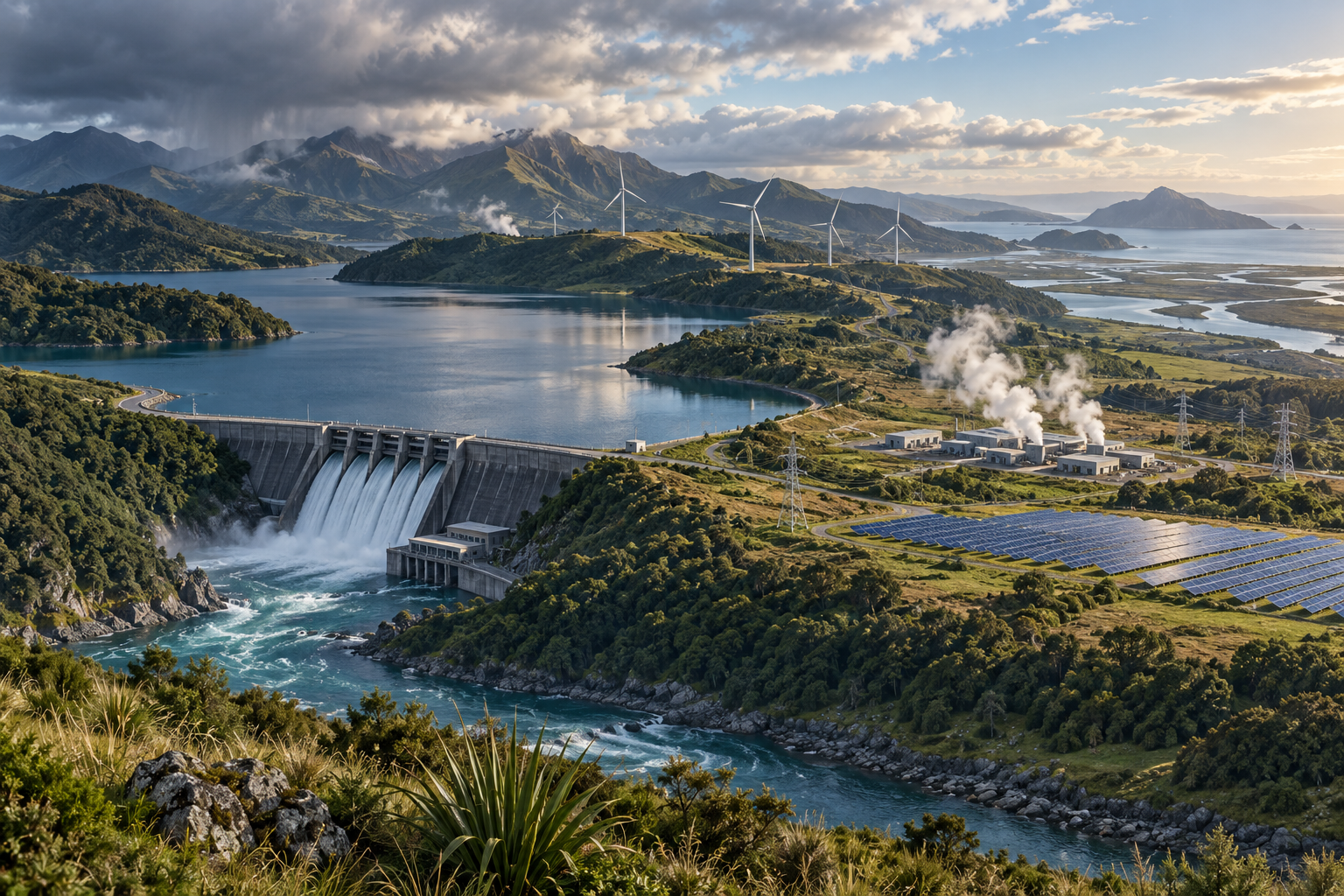
New Zealand government data show renewable sources supplied 92 percent of electricity from April through June 2026, the third consecutive quarter above 90 percent and the highest renewable share recorded for a June quarter. Renewable generation rose 11.4 percent year over year, including a 14.7 percent rise in hydro and a record 2,621 gigawatt-hours from geothermal. Gas-fired generation fell 37.2 percent and coal-fired generation fell 74.3 percent.
ACC context
One strong quarter does not prove that the 92 percent share is permanent or available in every season. MBIE also reported household electricity costs 10 percent higher year over year even as the quarterly wholesale price fell 66 percent, showing that generation mix, wholesale markets, and household bills are different measures.
Why it matters
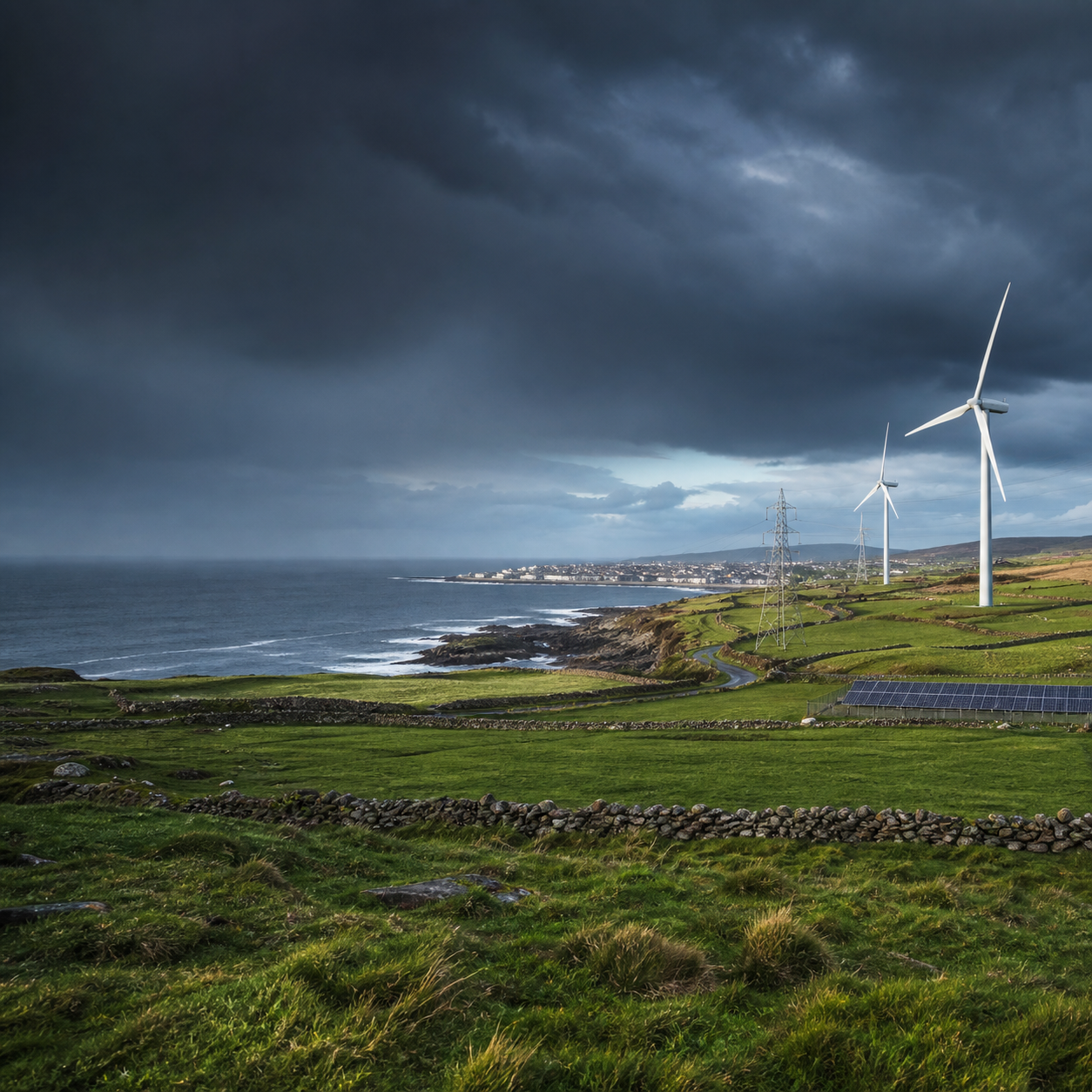
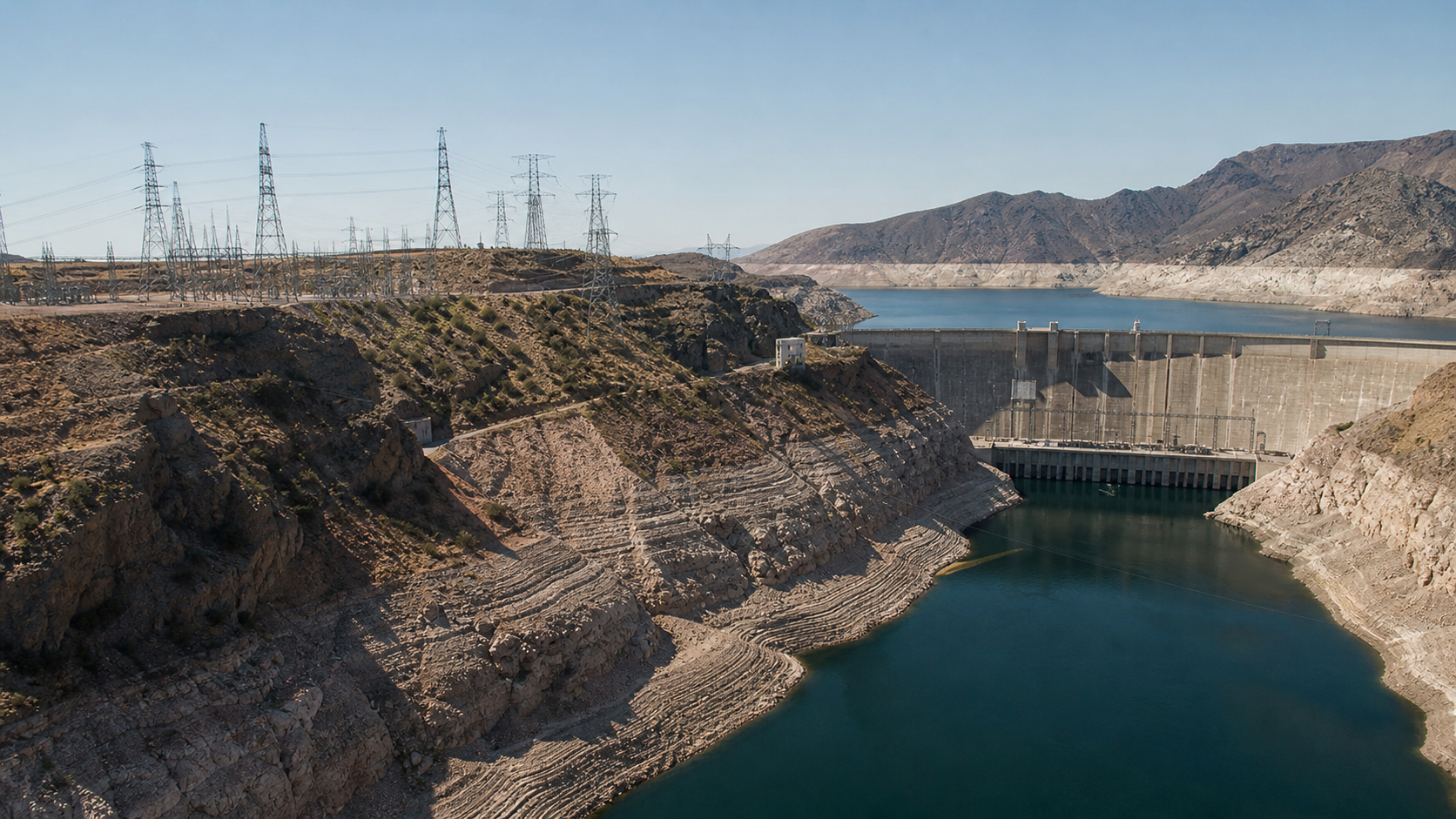
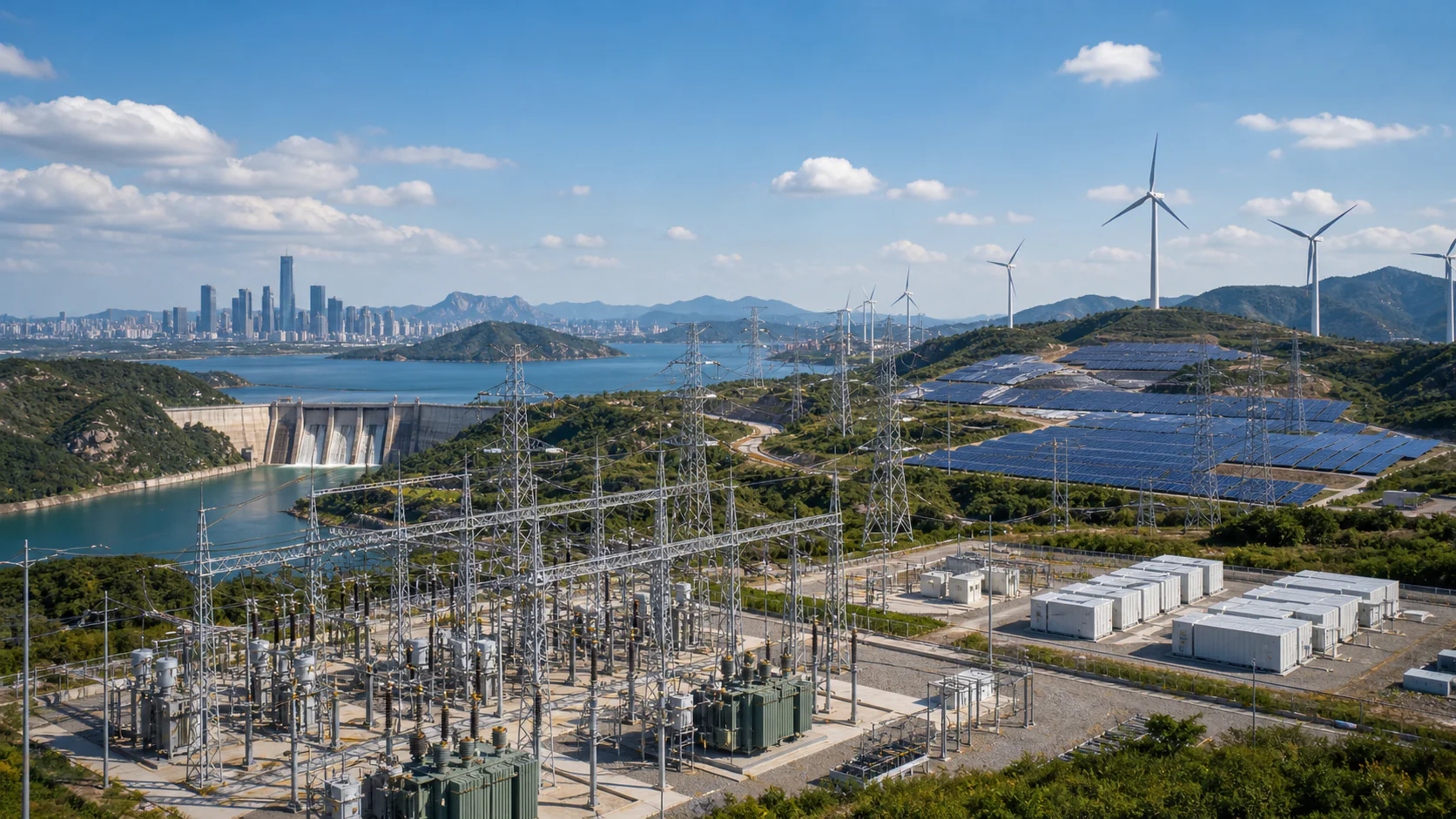
The quarter shows how a power system with substantial hydro, geothermal, wind, and solar can sharply reduce fossil-fuel generation when renewable conditions are favorable. It is operating evidence rather than a modeled future, while reliability and affordability still need separate tracking.
What to watch
- Whether renewables remain above 90 percent through drier quarters and changing reservoir conditions.
- Grid, storage, demand-response, and transmission investments that make the result more durable.
- Household affordability, which does not move in lockstep with wholesale prices or generation shares.
Sources & evidence
- Strong renewable generation reduces reliance on coal and gasNew Zealand MBIE release published September 10, 2026, reporting June-quarter electricity data.
- June 2026 quarterly energy statisticsMBIE's detailed April-June 2026 electricity and energy summary.
Continue learning with ACC
Learn how renewable generation, grids, storage, and reliability work together