ACC's solar guidance is meant to slow the process down in a useful way. A good solar decision starts with the building, the electric bill, local utility rules, and the owner's goals. The right answer is not always the largest system, the lowest monthly payment, or the fastest signature.
 Property fit
Start with the property, not the sales pitch
Solar works best when the site is suitable. Roof condition, roof age, shade, orientation, structural limits, available space, utility rules, and electric usage all affect the decision. A roof near the end of its life can make a solar project more expensive later, because panels may need to be removed and reinstalled for roof work.
Good early questions are simple: How old is the roof? Is there heavy shade during important sun hours? What does the building use in a full year, not just one month? Are there plans for an electric vehicle, heat pump, addition, or business expansion? Those details shape the system more than a generic promise of savings.
 System basics
How a solar system works
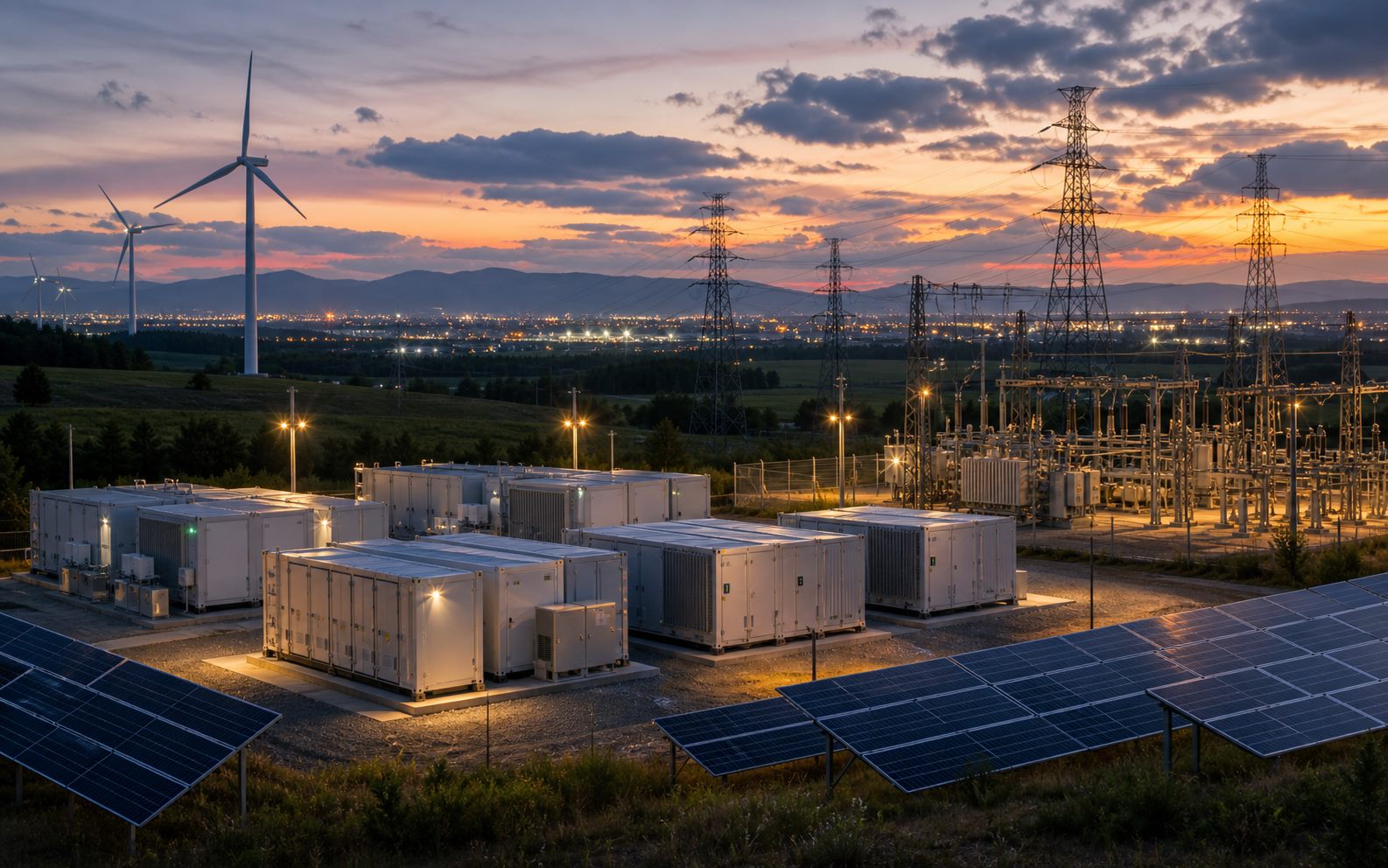
A solar system is more than panels. It usually includes modules, racking, wiring, inverter equipment, monitoring, permits, utility interconnection, and sometimes battery storage. The panels collect sunlight, the inverter converts power into usable electricity, and the utility's rules determine how exported energy is credited.
Production depends on sunlight, season, roof angle, shade, equipment, system design, and local weather. That is why a proposal should explain expected annual production and the assumptions behind it. NREL's PVWatts calculator can help estimate solar production, but even a good estimate is not a guarantee.
 Proposal review
Read proposals carefully
Solar proposals can look similar while hiding meaningful differences. Compare system size, expected annual production, total installed cost, equipment models, installer reputation, warranty terms, production assumptions, cancellation rights, and whether roof or electrical upgrades are included.
Price per watt can help compare proposals, but it should not be the only measure. A lower price may exclude work that another quote includes. A higher price may include stronger equipment, battery storage, service coverage, or financing costs. A good provider should be able to explain the proposal clearly without pressure.
Useful comparison questions:
- What is included in the total installed price?
- What annual production estimate is being used?
- What equipment models and warranties are included?
- What happens if I sell the property?
- What assumptions are being made about utility rates and export credits?
 Terms and incentives
Financing and incentives need careful reading
Solar can be paid for through cash purchases, loans, leases, or power purchase agreements. Each option changes ownership, long-term cost, maintenance responsibility, transfer terms, and who may benefit from incentives. A low monthly payment can still be expensive if it comes with a long term, dealer fees, interest, escalators, or restrictive contract language.
Federal, state, utility, and local incentives can change. As of IRS guidance available in 2026, the residential clean energy credit does not apply to property placed in service after December 31, 2025. Businesses and special programs may have different rules. Verify current requirements with official sources and a qualified tax professional before relying on any incentive.
 Battery backup
Batteries are about resilience, not just savings
A solar system without a battery usually shuts down during a grid outage for safety. Battery backup can keep selected circuits running, but the design needs to be specific: what loads are backed up, how long they need to run, whether the home has high-draw equipment, and how the battery will recharge.
For some homes, batteries make sense for outage protection or time-of-use rates. For others, efficiency upgrades, a smaller backup plan, or a different resilience strategy may be more practical. Ask whether the system backs up the whole building or only essential loads such as refrigeration, lighting, internet, outlets, sump pumps, or important business equipment.
 Red flags
Pause before signing if the deal feels rushed
Be cautious with phrases like "free solar," same-day-only discounts, unclear savings claims, vague incentive promises, or contracts that are difficult to explain. Solar may be valuable, but it is not free. Someone owns the equipment, someone receives the incentives, and someone is responsible for the contract.
Ask for written details before committing: equipment, scope, total cost, financing terms, cancellation rights, warranty coverage, roof responsibilities, production assumptions, and what happens if the property is sold. A responsible solar conversation should leave you more informed, not more pressured.
 Consultation prep
Prepare for better guidance
A useful solar conversation starts with real information. Recent electric bills, annual usage, roof age, shade concerns, existing proposals, planned electric vehicles or heat pumps, and outage concerns all help clarify what kind of system might make sense.
ACC can help you organize questions before talking with installers or reviewing a proposal. Installation, financing, tax, legal, and engineering decisions should still be confirmed with qualified professionals and the selected provider.
ACC takeaway
Solar is strongest when the proposal fits the real property.
The best solar decision is based on clear assumptions, local utility rules, transparent financing, realistic production estimates, and a system design that matches the owner's goals.
References & further reading
Review the underlying resources.
- DOE Energy Saver: Homeowner's Guide to Going SolarPlain-language federal guidance on solar basics and buyer considerations.
- NREL PVWatts CalculatorTechnical production-estimate tool for solar systems.
- IRS: Residential Clean Energy CreditOfficial federal tax-credit guidance and current eligibility language.
- DSIRE Incentive DatabaseDatabase of state, local, utility, and federal energy incentives.
- FTC: Solar Energy ScamsConsumer warnings about misleading solar claims and sales tactics.
- CFPB / FTC / Treasury Solar Financing AdvisoryConsumer advisory on solar financing risks and red flags.