
Climate, ecosystems, water, agriculture, and biodiversity are connected. Protecting natural systems is not a substitute for reducing emissions, but it is essential for resilience, livelihoods, biodiversity, and long-term environmental stability.
 Ecosystems
Ecosystems provide services people depend on
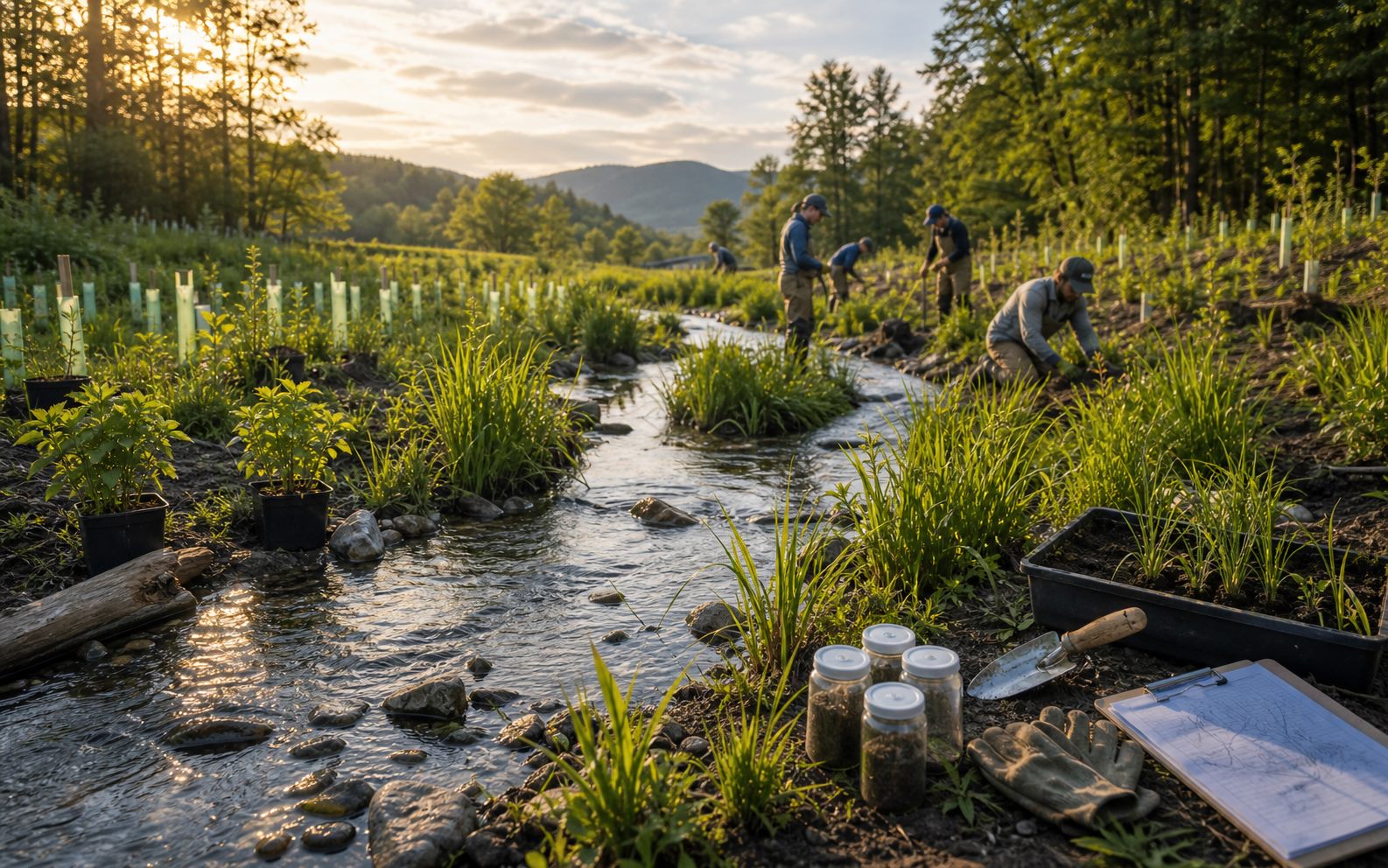
Forests, wetlands, rivers, soils, grasslands, coasts, and oceans support water cycles, food systems, biodiversity, livelihoods, and climate resilience. IPCC Working Group II assesses how climate change affects terrestrial and freshwater ecosystems and the services they provide to people.
Healthy ecosystems can reduce flood risk, filter water, cool neighborhoods, store carbon, support pollinators, protect coastlines, and improve public health. These benefits are often undervalued because they do not always appear on a utility bill or balance sheet until they are damaged or lost.
 Forests and water
Forests matter, but details decide the outcome
Forests can store carbon, support biodiversity, influence water systems, and sustain communities. Protection, restoration, and improved management can contribute to climate goals. But tree planting alone is not a substitute for reducing fossil-fuel emissions, and not every planting project creates a healthy ecosystem.
Protecting mature forests, restoring degraded forests, improving management, and reducing deforestation can all matter. But tree planting is not a substitute for emissions reduction, and poorly planned planting can harm grasslands, water supplies, or biodiversity. Forest climate work should prioritize ecological fit and long-term stewardship.
 Nature and resilience
Agriculture links soil, food, water, and livelihoods
Agriculture is not one uniform system. Soil health, fertilizer use, water management, crop choices, land tenure, supply chains, and local knowledge all matter. Useful approaches should improve resilience without hiding tradeoffs or shifting burdens elsewhere.
Agriculture can reduce emissions and build resilience through soil health, nutrient management, cover crops, reduced waste, better grazing practices, agroforestry, and efficient irrigation. The best approaches vary by crop, climate, soil type, and community needs. Food systems are climate systems, but they are also economic and cultural systems.
 Ecosystems
Water systems require local attention
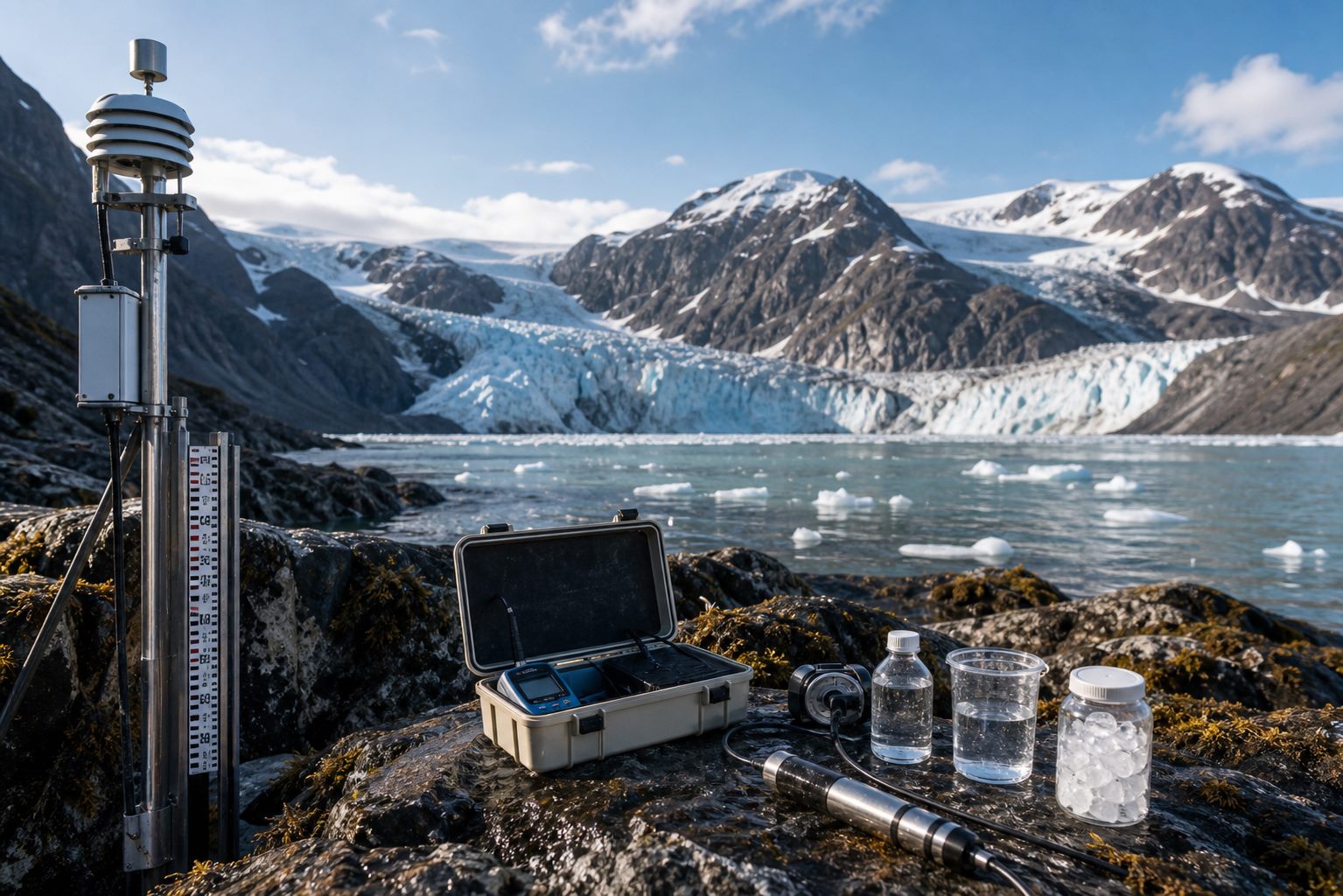
Climate change can affect the water cycle, including drought, heavy rainfall, flood risk, snow and ice, water quality, and ecosystem stress. Water planning is highly local: river basins, infrastructure, land use, and community needs differ from place to place.
Climate change affects water through drought, heavy rainfall, snowpack changes, groundwater stress, and water quality. Solutions are often local: watershed restoration, floodplain protection, stormwater design, efficient irrigation, wetland protection, and drought planning. National averages can hide the risks communities actually face.
 Forests and water
Community stewardship matters
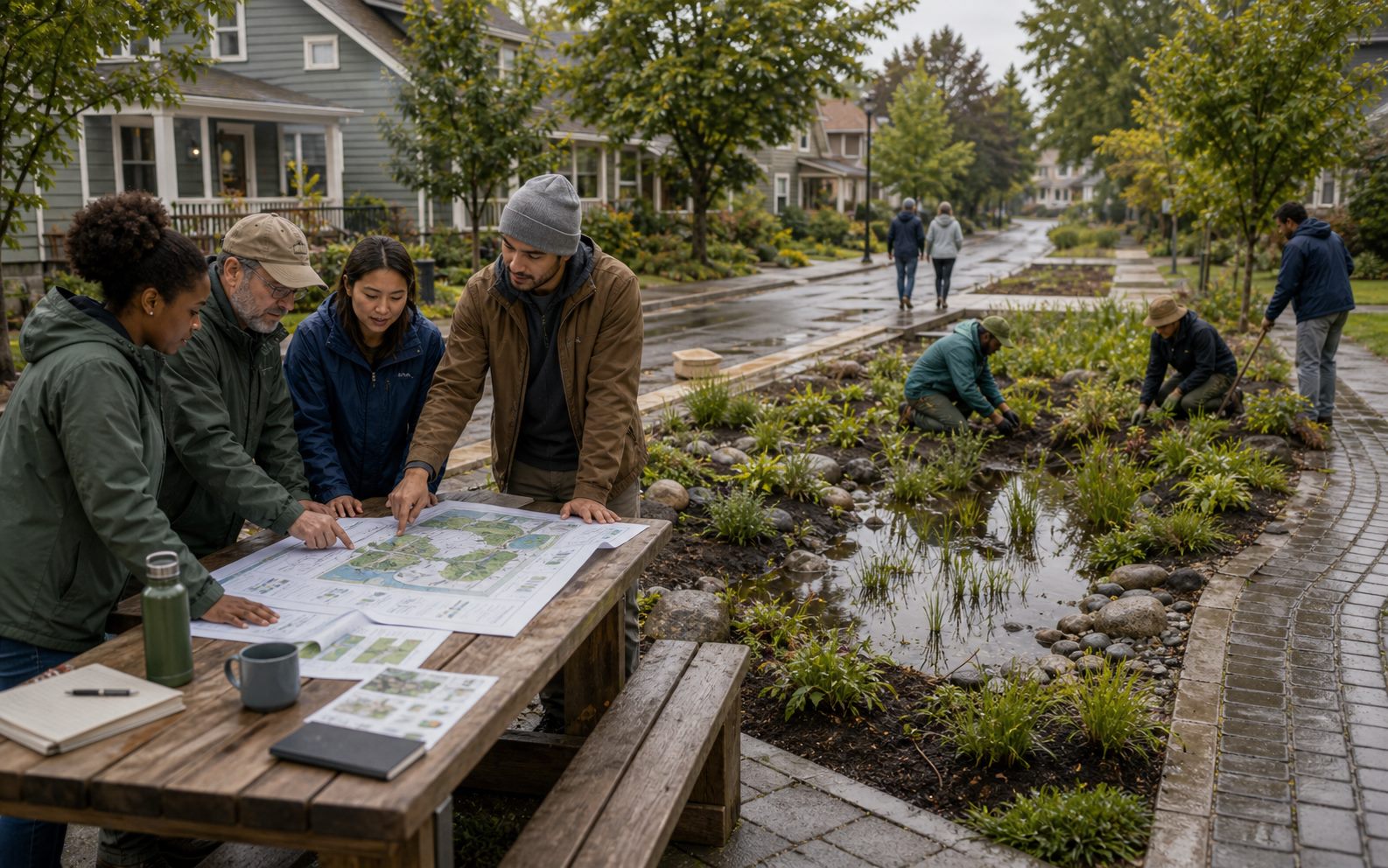
Local and Indigenous communities often hold practical knowledge about forests, water, biodiversity, and land management. Effective conservation is not only about protecting landscapes on a map. It is also about governance, rights, livelihoods, and long-term participation.
Ecosystem work lasts when local people have ownership, funding, training, and clear benefits. Restoration projects need monitoring, maintenance, invasive-species management, and long-term governance. The most credible nature-based solutions are measured by outcomes, not just attractive before-and-after images.
ACC takeaway
Use this guide as one piece of the larger picture.
Climate decisions are strongest when they combine evidence, realistic comparisons, transparent assumptions, and an honest view of tradeoffs. No single page or technology answers everything, but clear information makes better choices easier.
References & further reading
Review the underlying material.
- IPCC AR6 WGII Chapter 2: Terrestrial and Freshwater EcosystemsAssessment of observed impacts, projected risks, and adaptation options.
- IPCC AR6 WGII Chapter 4: WaterAssessment of water-cycle changes, impacts, and adaptation.
- The Nature Conservancy: Natural Climate SolutionsApplied perspective on nature-based mitigation approaches.
- Rainforest Alliance: ClimateApplied resource on farms, forests, livelihoods, and resilience.
- Cool EarthApplied resource on rainforest communities and forest protection.
- WWo: GangesApplied freshwater conservation resource.