ACC News Brief
Climate Science Global
Scientists assess the risk from a potentially powerful El Niño

What happened
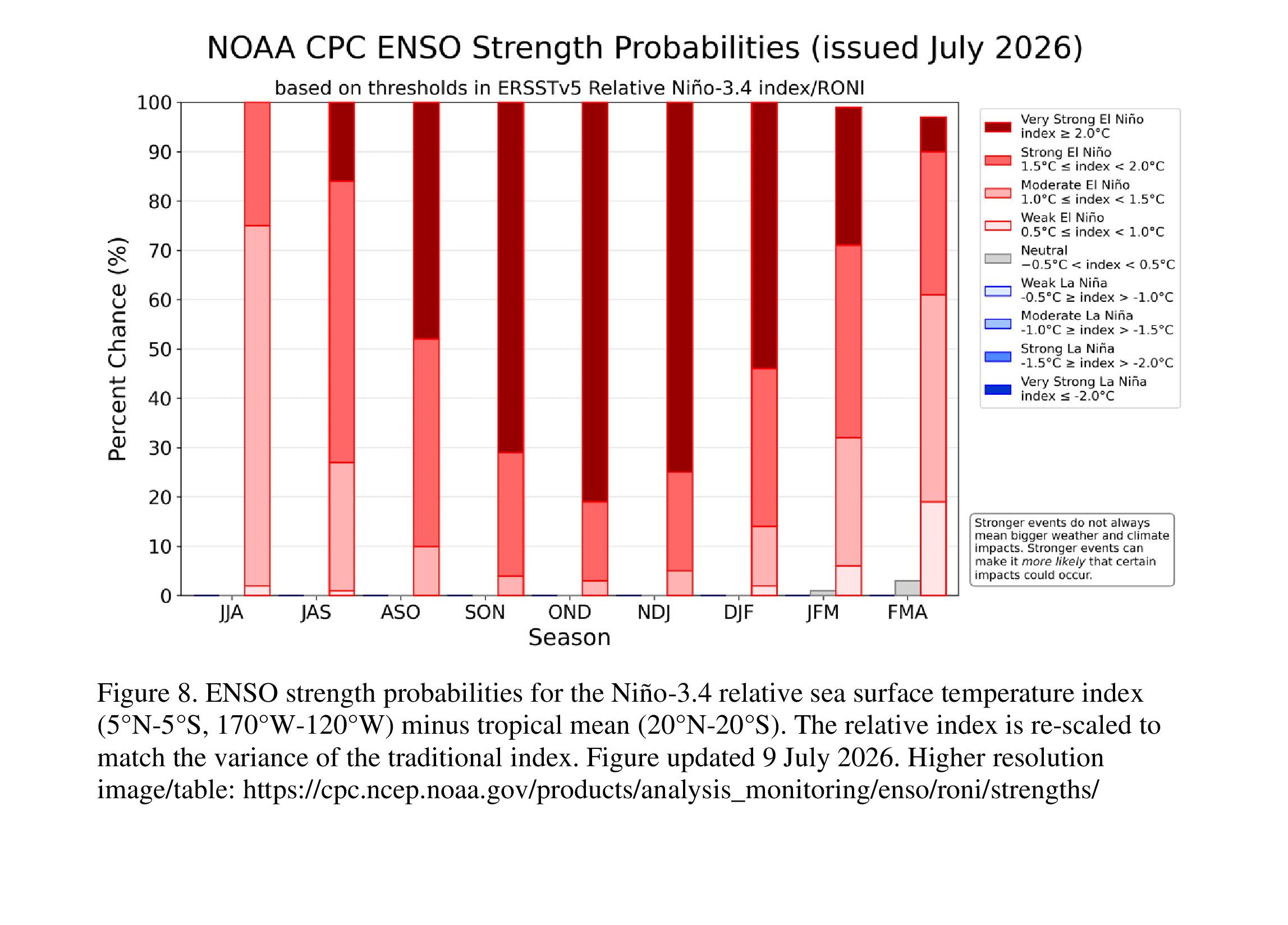
Climate scientists are watching a developing El Niño that could add a large natural warming pulse on top of long-term human-caused warming. The Guardian's explainer examines why the event's strength, timing, and interaction with already warm oceans could affect global temperature records, rainfall, drought, ecosystems, and food systems.
Why it matters
El Niño does not cause long-term climate change, but it can temporarily rearrange heat and rainfall around the world. Clear attribution helps communities prepare for seasonal hazards without confusing natural variability with the underlying warming trend.
What to watch
- Official ocean and atmosphere indicators as forecasters refine the event's strength and duration.
- Regional seasonal outlooks for drought, extreme rainfall, heat, wildfire weather, and crop stress.
- Whether global average temperatures approach or exceed recent records during the event.
Sources & evidence
- Scientists assess the risk from a potentially powerful El NiñoClimate science video explainer published July 28, 2026.
Continue learning with ACC
Explore ACC's climate science guide