Digital infrastructure

AI, Data Centers & Energy news and updates.

Electricity, water, infrastructure, transparency, community impacts, and cleaner ways to meet growing computing demand.

ACC News Briefs

Latest AI & Data Centers reporting.

Each brief identifies the original source and links to the reporting or evidence behind it.

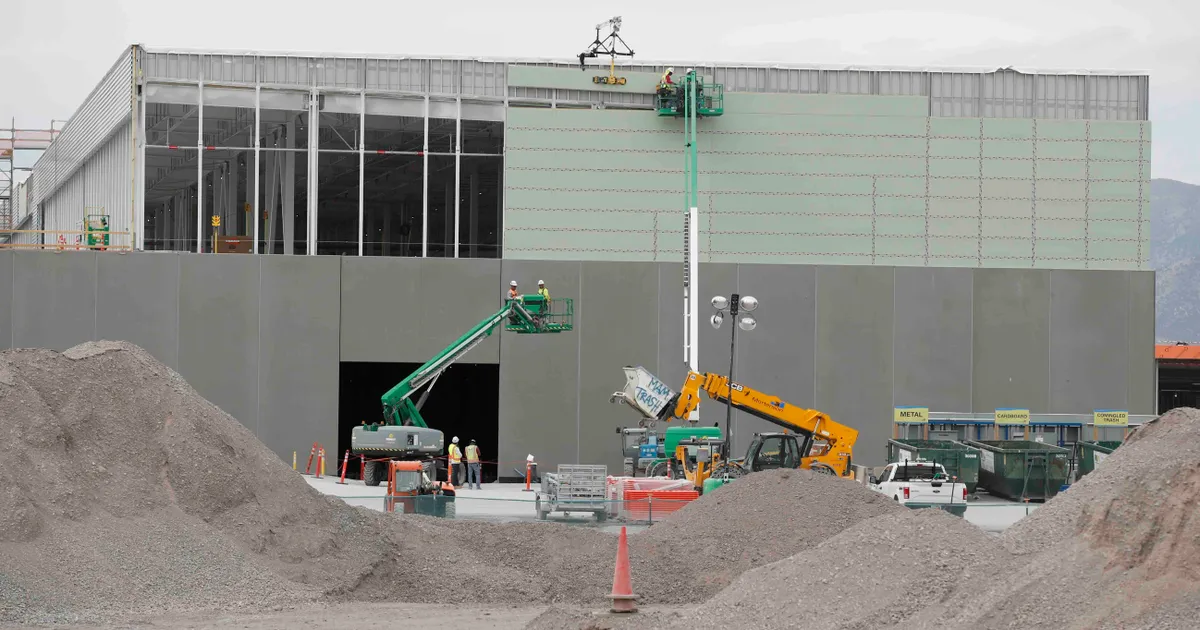
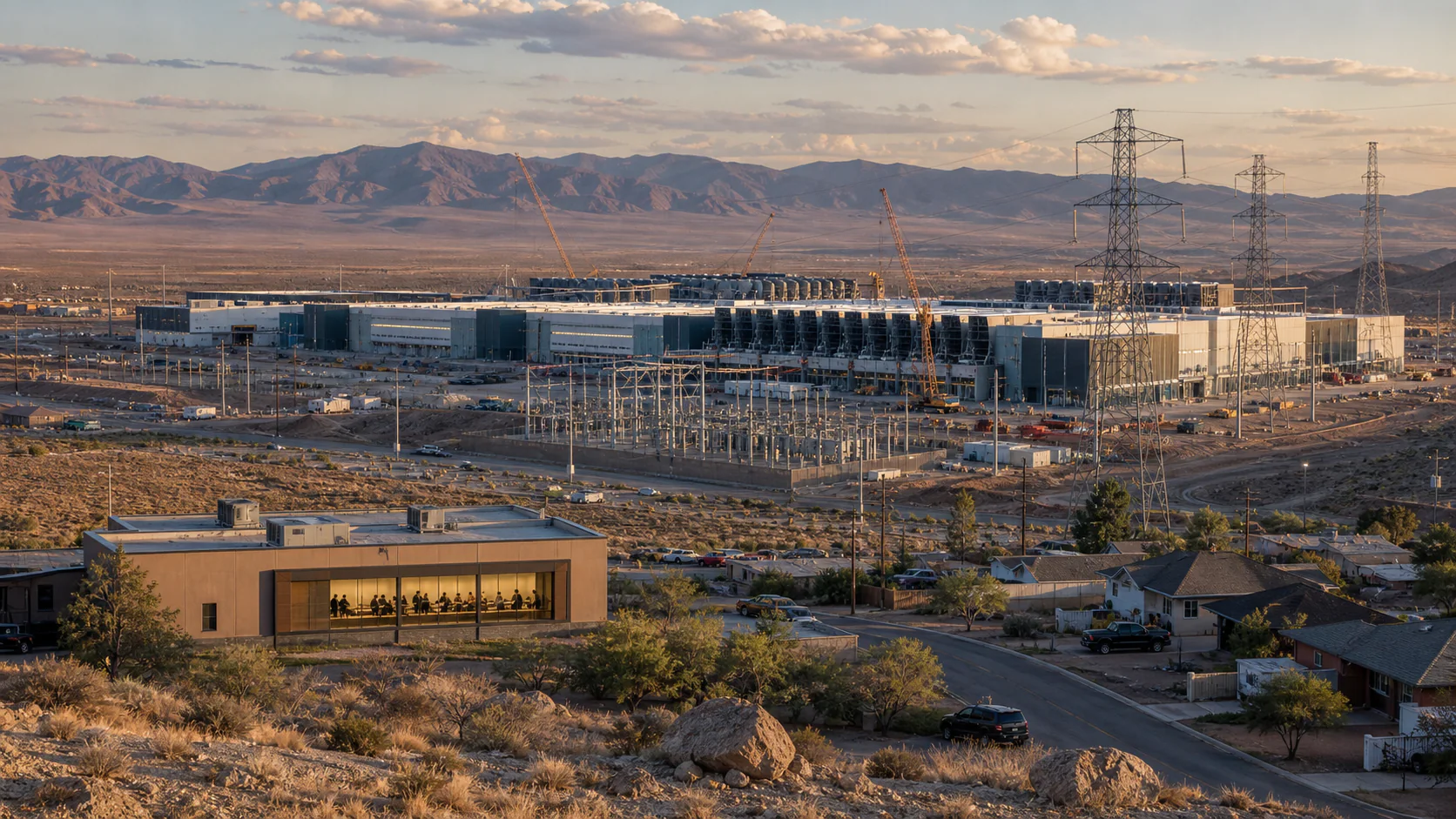
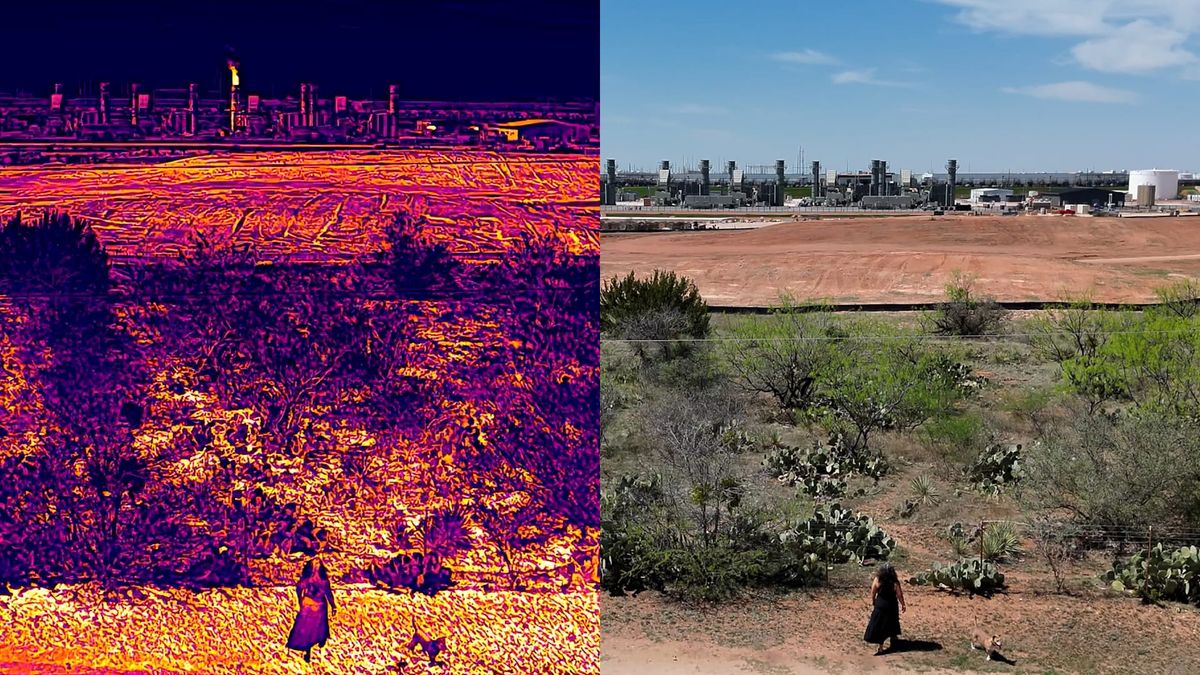
A large data-center campus under construction draws power beside a dry-land community where residents meet nearby.

Data-center power forecasts climb as community opposition grows

Inside Climate News reported that BloombergNEF now estimates U.S. data centers could require 194 gigawatts of electricity by 2035, 83% more than its estimate six months earlier and roughly one-fifth of U.S. electricity demand. The article also documents mounting local concern about land, water, utility costs, and the speed of new infrastructure. ACC treats the estimate as a high-growth scenario, not a settled outcome: projects still face grid interconnection, transmission, financing, construction, and community-acceptance constraints.

Original reporting: Inside Climate News

Read the ACC brief
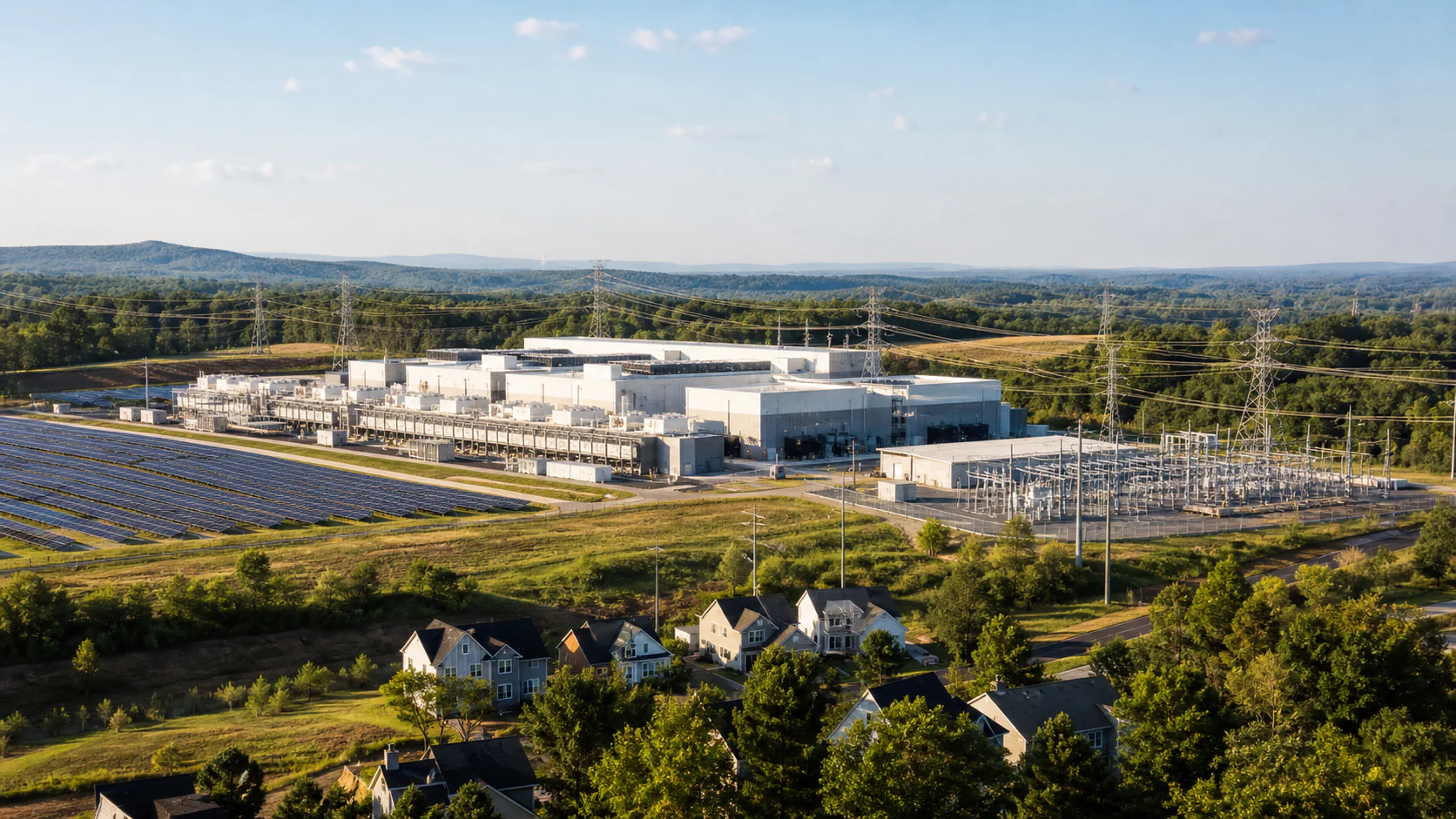
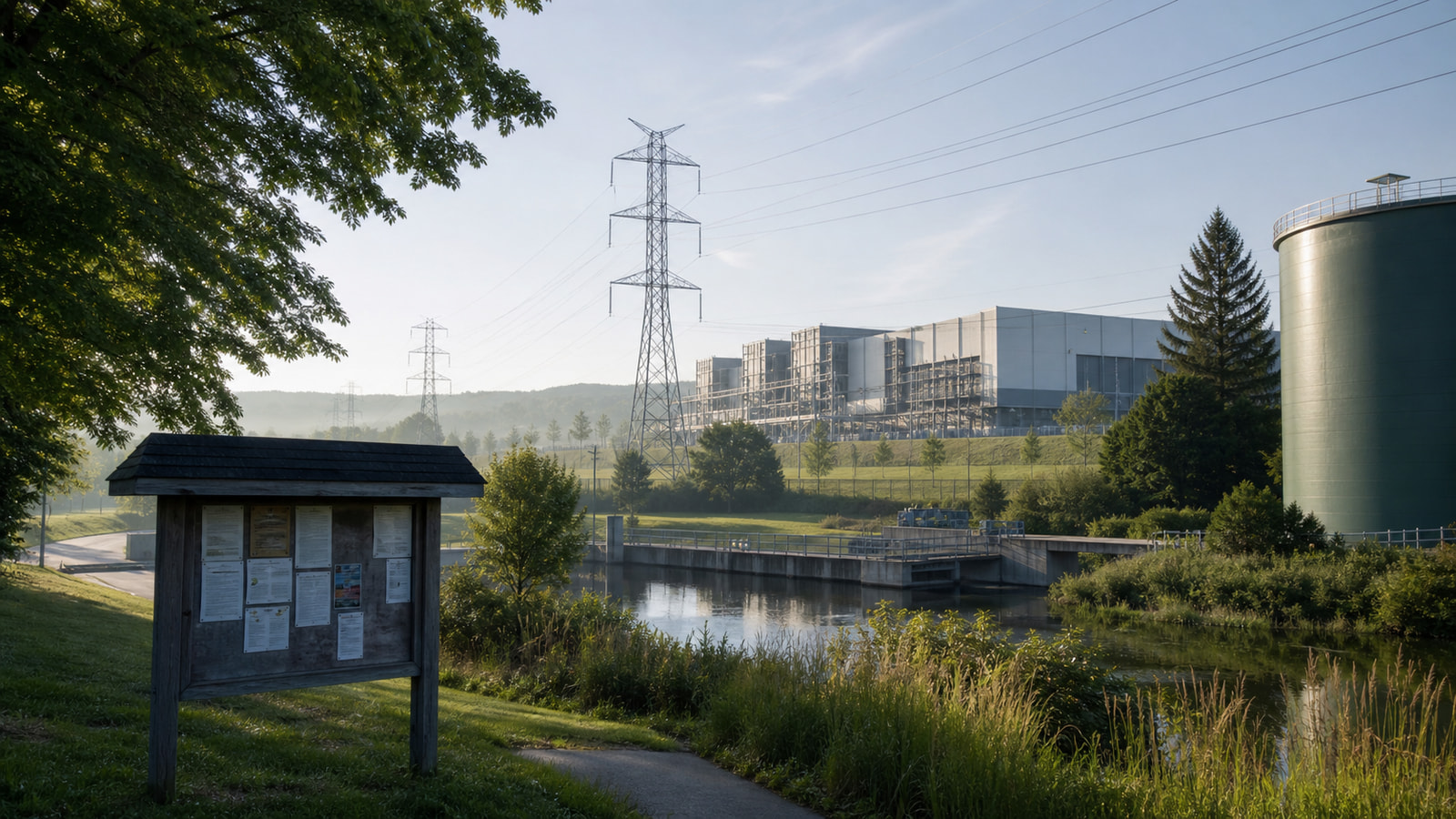
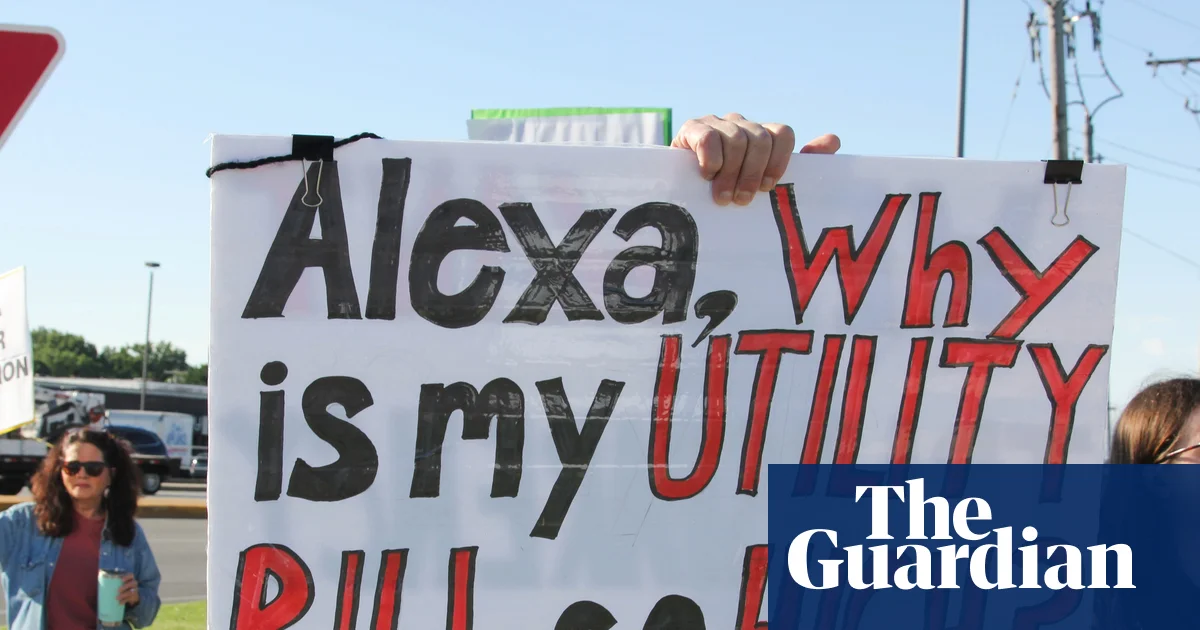
A Virginia data-center campus and substation sit beside solar panels, transmission lines, and nearby homes during a debate over electricity demand and clean-energy rules.

Virginia taxes data-center electricity without clean-energy requirements

Inside Climate News reported that Virginia's approved budget leaves the data-center equipment tax exemption unchanged and adds no clean-energy conditions, while creating an electricity-use tax capped at $600 million a year. The budget also calls for a commission report by December 15 and adds reporting provisions for electricity, water, diesel backup generators, and some cooling systems.

Original reporting: Inside Climate News

Read the ACC brief
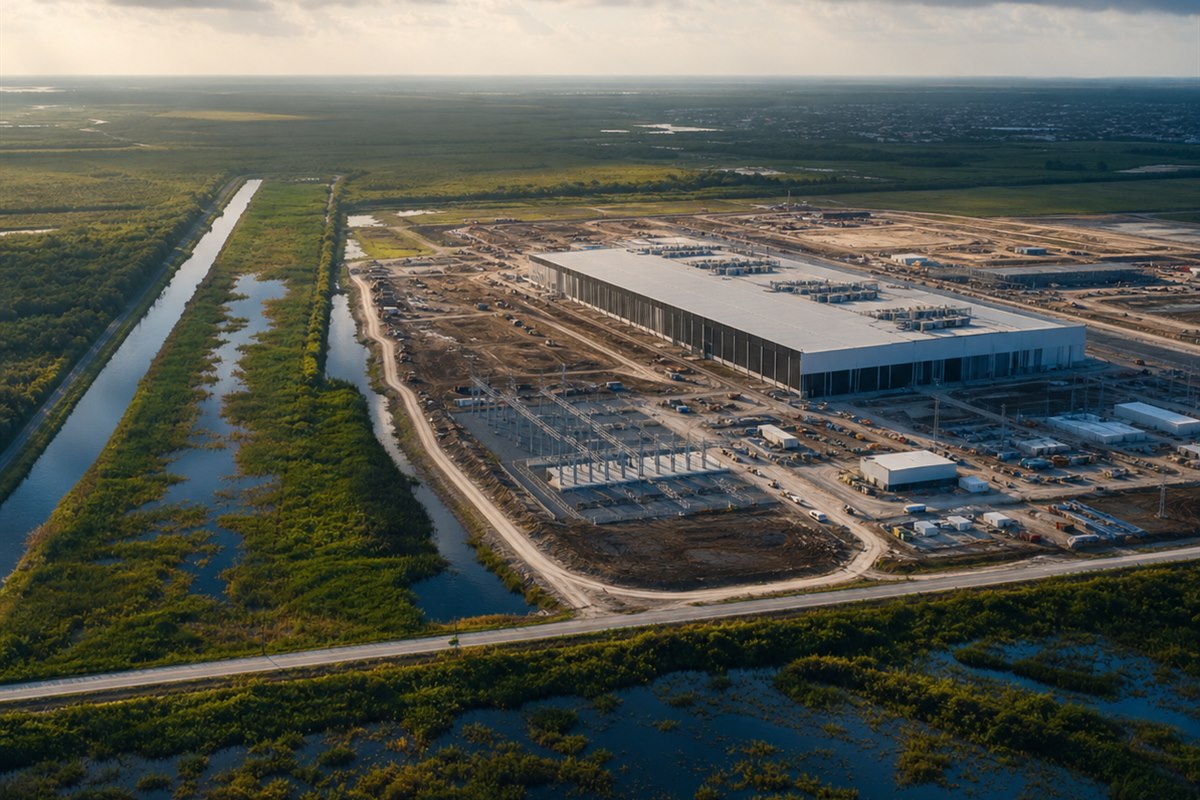
A proposed data-center campus is shown near Everglades wetlands, canals, and community infrastructure.

Everglades-edge AI data center heads to a local vote

Inside Climate News reported that Palm Beach County commissioners are set to vote on a proposed AI data-center project near the eastern edge of the Everglades, close to an elementary school and canals tied to stormwater and freshwater flows.

Original reporting: Inside Climate News

Read the ACC brief
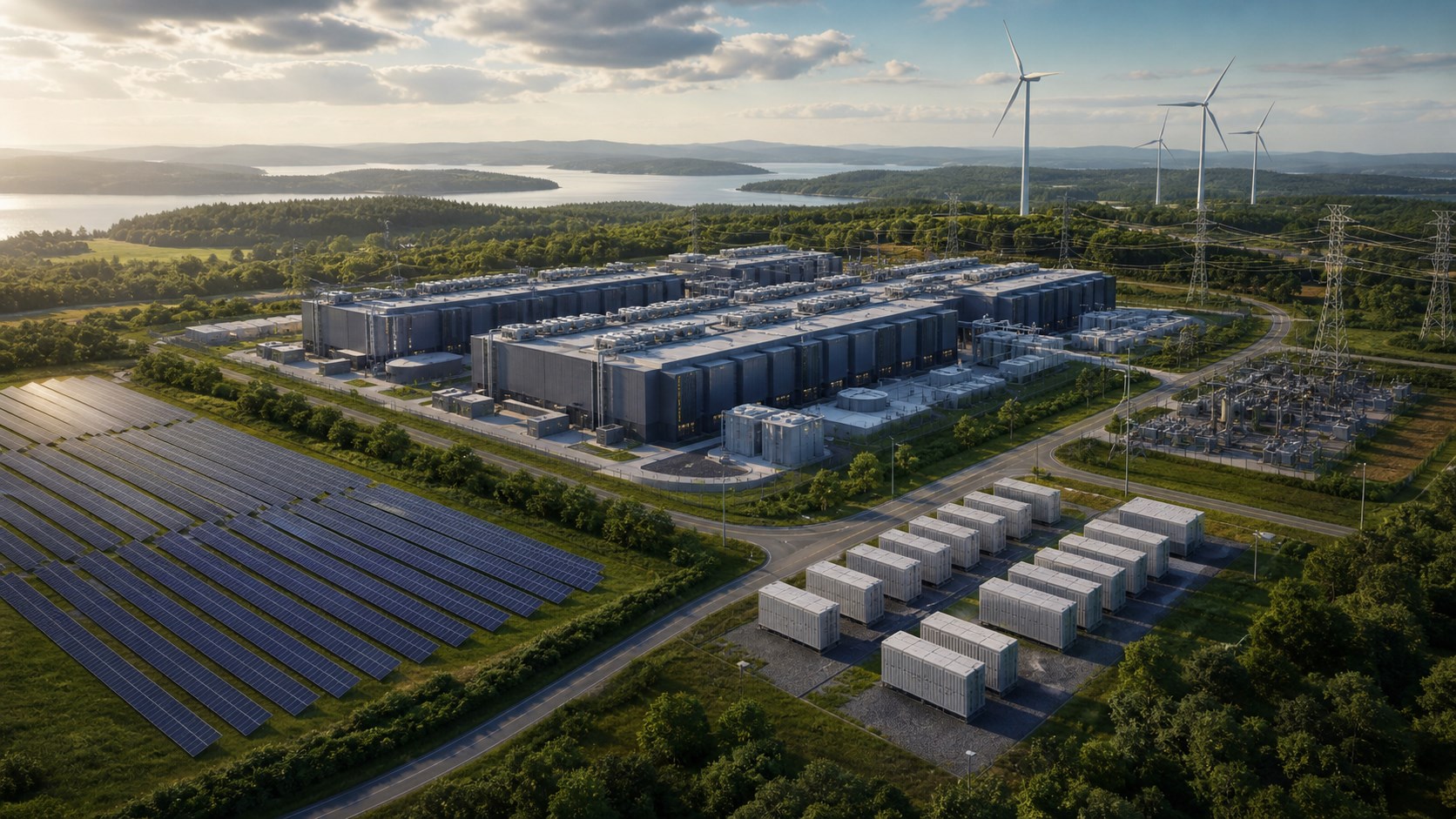
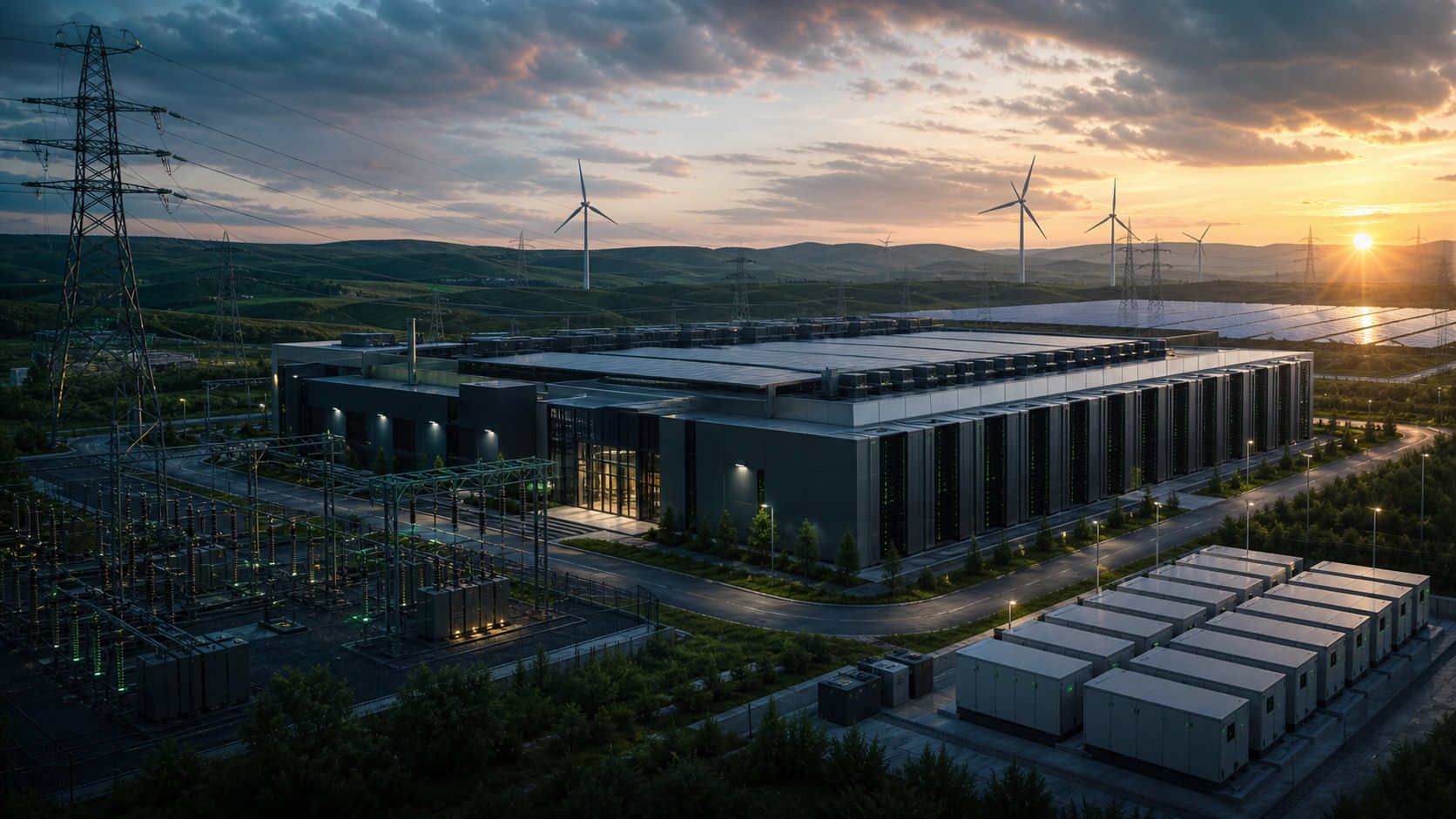
A data-center campus connected to solar panels, wind turbines, batteries, and transmission infrastructure.

Clean-energy advocates push alternatives for AI power demand

The Associated Press reported that rapid AI data-center growth is helping drive new gas-plant proposals, while lawmakers, regulators, environmental advocates, and corporate clean-energy buyers are pushing rules and grid programs that tie large data centers to renewable or zero-emission power.

Original reporting: Associated Press

Read the ACC brief

EIA projects rising data-center server electricity use

The U. S. Energy Information Administration's Annual Energy Outlook 2026 projects that electricity used by data-center servers will grow across commercial buildings, with server demand reaching 22 to 33 percent of commercial building electricity use by 2050 across its cases.

Original reporting: U.S. Energy Information Administration

Read the ACC brief
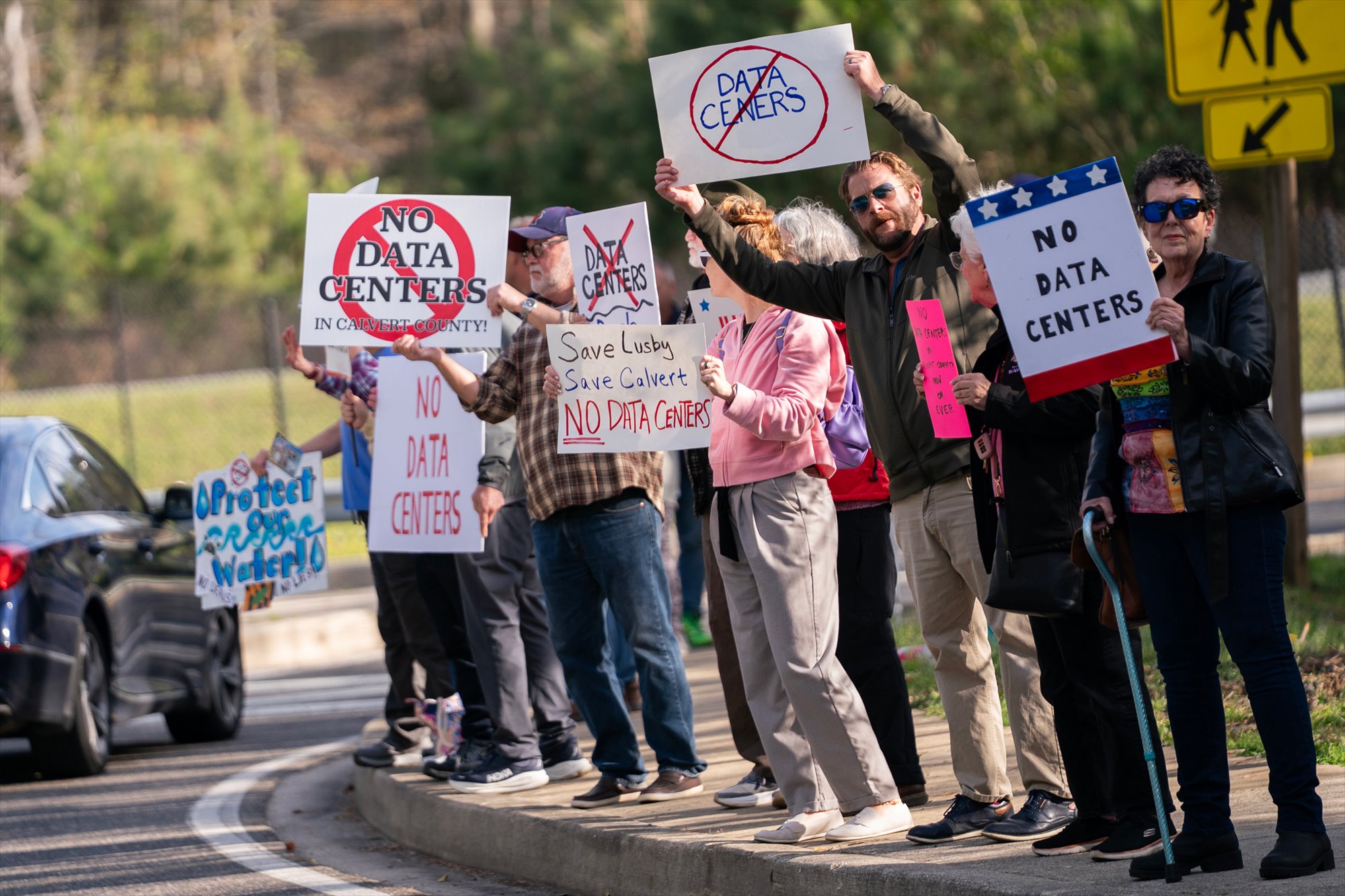
Maryland residents hold signs opposing new data-center development.

Maryland county pauses data-center development

Inside Climate News reported that Prince George's County adopted a two-year moratorium on data-center development while officials work on zoning, siting, ratepayer, and environmental rules.

Original reporting: Inside Climate News

Read the ACC brief
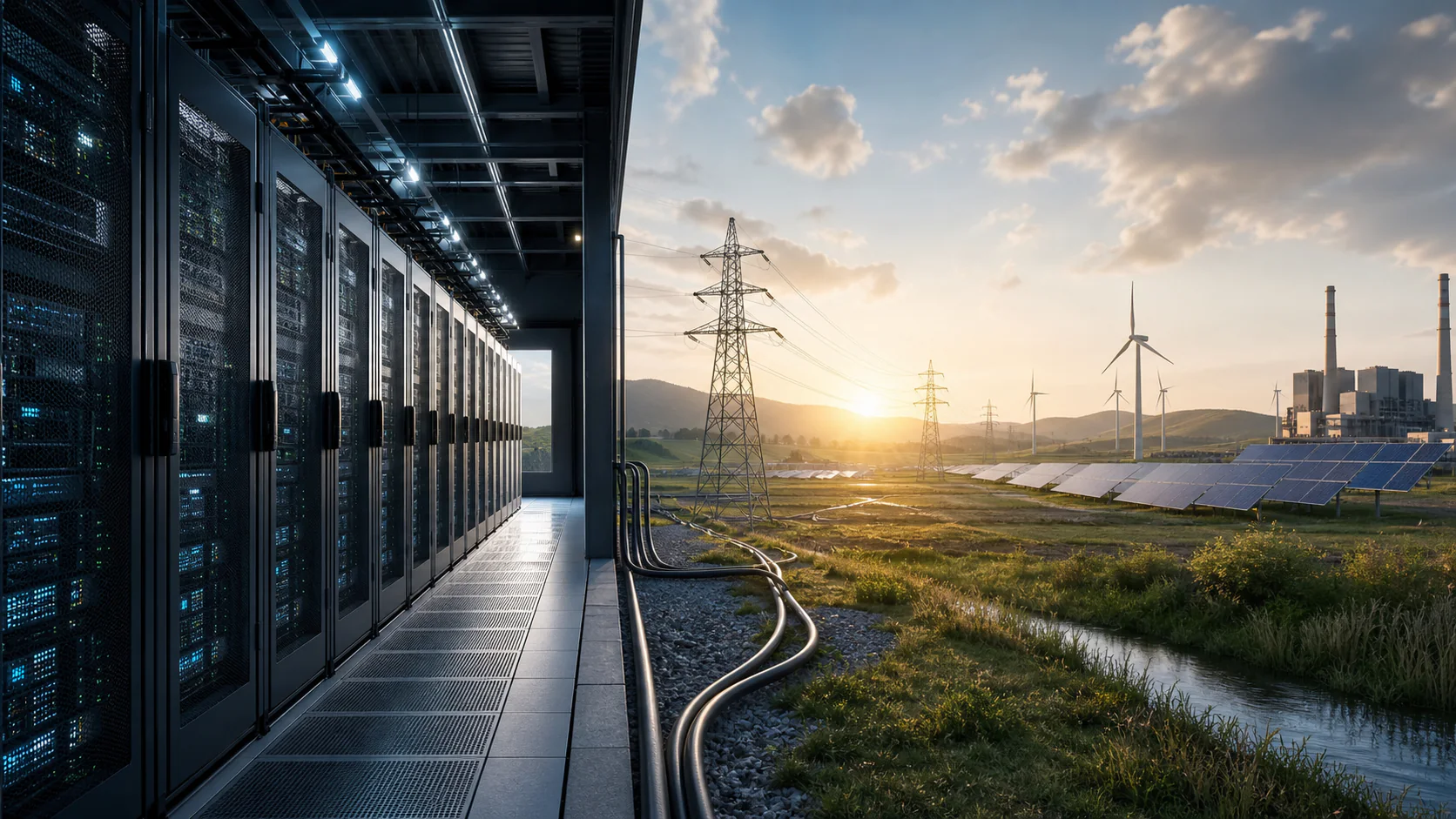
A conceptual server hall connects to transmission lines, wind turbines, solar panels, and conventional generation in a mixed electric grid.

Flexible data-center loads cut modeled grid costs, not always emissions

An iScience study modeled flexible data-center demand in Texas, the Mid-Atlantic, and the Western Interconnection, finding power-system cost reductions of up to 5, 4, and 2 percent, respectively. Emissions depended on which generators answered the shifted load: flexibility cut modeled emissions by as much as 40 percent in a high-renewables Texas case but increased them by as much as 3 percent in a Mid-Atlantic case where coal generation responded; this is modeling, not an operating trial.

Original reporting: iScience

Read the ACC brief

Keep exploring

See the full climate newsroom.

Search every ACC news brief by date, source, region, or topic.

Browse the complete archive