

You are here • Section 1 of 5
Section 1: Everyday Foundation
This first section builds the routines that support everything that follows. Start with normal daily choices, make one action repeatable, and build from there.
Guide + Companion system
Read the guide, then use the Companion to follow through.
This guide gives you the ideas. The Sustainability Companion gives you a way to actually practice them. Choose one of five sections, select a stage, finish its five tasks at your own pace, and let small changes build over time.
Use this guide to understand practical daily choices: food, recycling, energy, shopping, and community action.
Open the Companion, choose one guide section and stage, and complete the task cards as the changes become real.
Take your time. Finish one section-stage set before rushing ahead, so the new routine has a chance to stick.
Over time, these actions can help you waste less, live cleaner, support better systems, and make up for more of your own footprint.
Practical progress
ACC is meant to give people a practical path to affect climate change in their own lives. The goal is not perfection in one week. The goal is steady progress: reduce waste, make better choices easier, support credible solutions, and keep building toward a better future.
Section 1 action path
Fifteen tasks, arranged in three practical stages.
Section 1 builds the everyday foundation. Start with five easy actions, turn the useful ones into normal household systems, then connect those habits with durable buying and community action. These are the same tasks used by the Sustainability Companion.
Stage 1 of 3 • Five tasks
First Wins: make the easiest actions visible.
Begin with low-cost actions that work in an apartment, house, or shared home. The goal is to make one useful change easy enough to repeat.
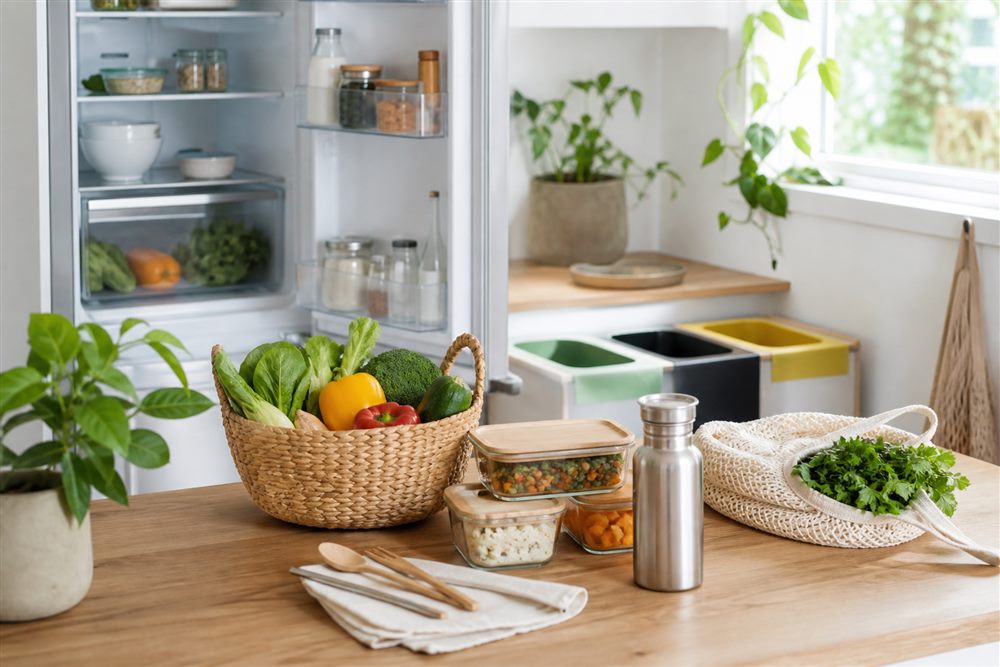
Put older food, leftovers, or open ingredients in one visible fridge area.
Freeze bread, cooked meals, produce, soup, or sauce before it becomes waste.
Choose the single-use item you use most, such as a straw, cup, utensil, bottle, bag, or takeout container. Replace that routine with a reusable option you already own.
Gather only the items that fit your routine: utensils, a napkin, bottle or cup, food container, bag, or washable straw if you use one. Keep them where you will remember them.
Send someone a local recycling guide, energy tip, garden resource, or useful ACC guide page.
Open the Companion directly to these five Section 1 First Wins tasks and record them as you complete them.
Work on Stage 1Stage 2 of 3 • Five tasks
Household Systems: make the better choice easier to repeat.
Use short plans and simple defaults to prevent waste and unnecessary buying before it happens.
Choose two flexible meals that can use food already in the kitchen.
Check what you have first, then write a small list around meals you will realistically make.
Choose the food-saving habit that worked best and make it part of your normal routine.
Before purchasing something new, check whether you can repair what you have, borrow or buy it used, or decide you do not need it.
Remove one notification, email, or routine that pushes impulse buying.
These five tasks turn scattered good intentions into repeatable household routines.
Work on Stage 2Stage 3 of 3 • Five tasks
Bigger and Verified Action: extend the habits beyond one household.
Choose longer-lasting purchases when replacement is truly needed, then use clear information and local connections to support broader action.
When replacement is necessary, favor durable, repairable, refillable, or secondhand options.
Draft one clear message about a local climate or sustainability issue using the Take Action Directory.
Review the Giving page and choose one organization or project to learn more about.
Look for a cleanup, garden, repair event, town meeting, compost program, or school effort nearby.
Ask someone to try one Companion task with you or share what worked in the ACC community.
Use the final Section 1 stage when the everyday routines are stable enough to support wider action.
Work on Stage 3Apartment, house, or shared space
Choose actions that fit where you actually live.
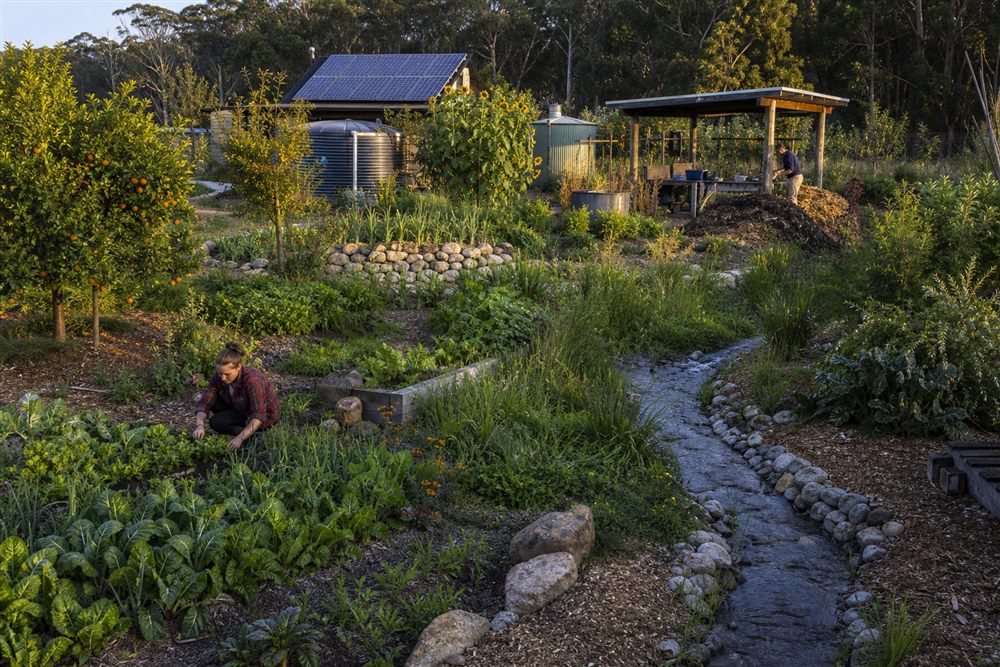
Sustainable living should not assume everyone owns land. Start with the parts you control, then use shared spaces when they make sense. The same guide can work from a rented room, an apartment, a suburban yard, a community garden, or a larger homestead plan.
Start with food waste, recycling rules, reusable routines, efficient plug loads, and small growing projects that can move with you.
- Freeze scraps or use a compost drop-off if outdoor compost is not realistic.
- Grow herbs, microgreens, or one container crop near light.
- Use the Companion to lock in routines that do not depend on owning property.
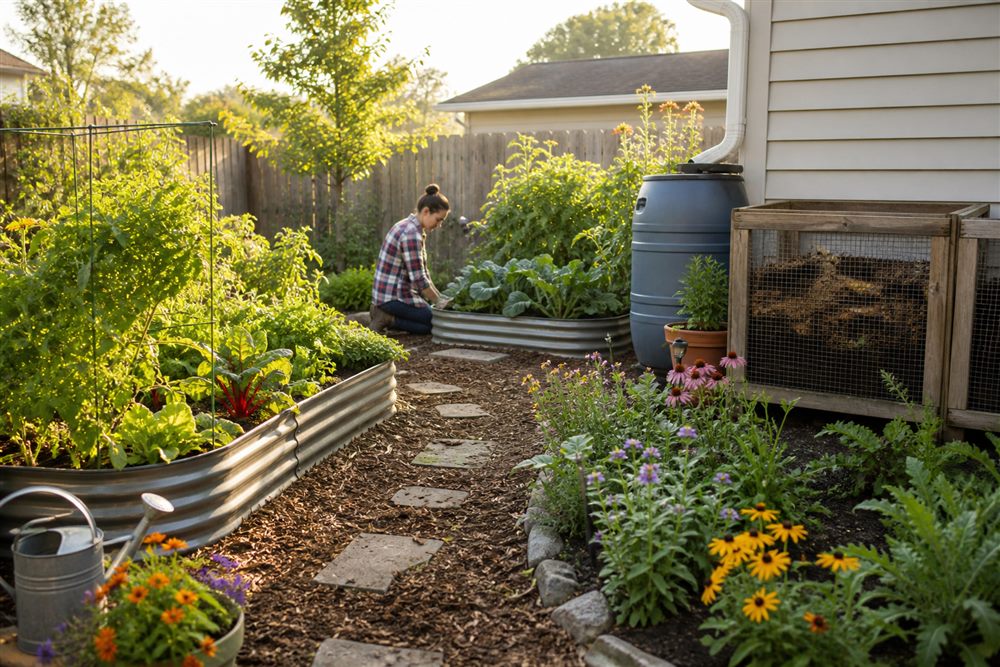
Watch sun, shade, water flow, foot traffic, and maintenance before changing too much. Then add projects that make the home easier, cooler, and less wasteful.
- Compost food and yard waste where local rules allow.
- Mulch one bed, plant a shade tree, or add a pollinator strip.
- Pair home efficiency work with clean-energy planning when ready.
Some of the most realistic projects happen through community gardens, schools, churches, neighborhood groups, local parks, and shared apartment spaces.
- Join or start a small garden, cleanup, compost, or repair effort.
- Learn local recycling and waste rules, then help neighbors avoid common mistakes.
- Use the member area to connect with people working on similar actions.
Start today
Pick one thing you can do this week.
Do not start with a huge lifestyle overhaul. Choose one action below, make it easy to repeat, and let that become your first win. Use what you already have first and adjust the setup when something causes friction.

Use what is already in the fridge, freeze leftovers, and plan two meals before shopping.
Build food habits
Find your city, county, or hauler guide and keep problem items out of the bin.
Recycle smarter
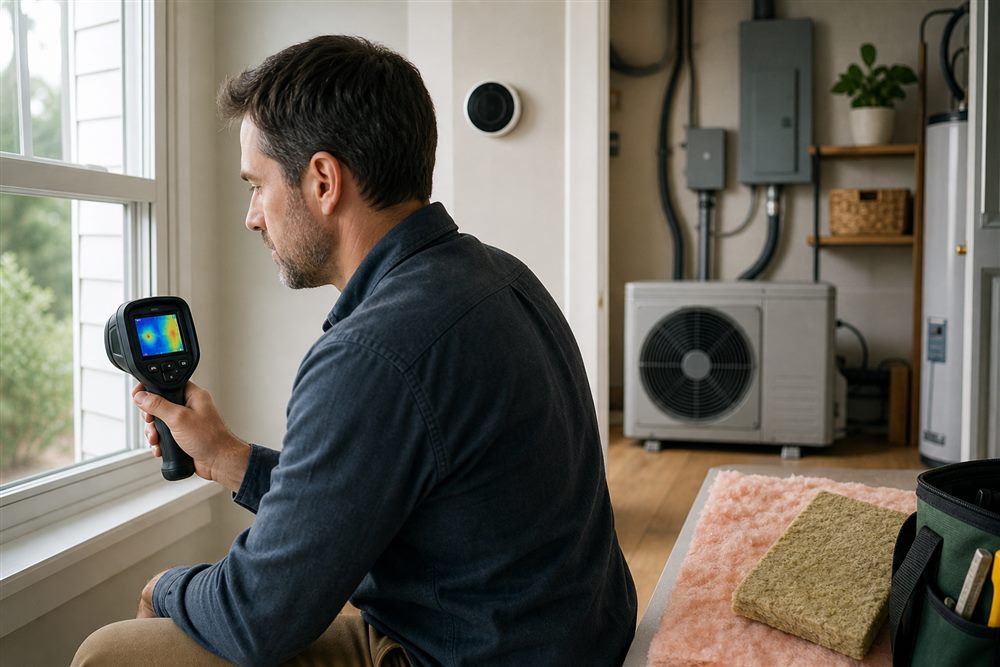
Turn off unused lights, unplug rarely used electronics, and use smart strips where they help.
Try a home habit
Pick the single-use item you reach for most and replace the routine with something you already own.
Choose one swapReuse before replacing
Build the habit around what you already have.
Sustainable living does not require a new collection of products. Look around the kitchen, car, bag, closet, and laundry area first. A container, towel, jar, tote, or set of utensils you already own may be all the routine needs. You do not need a complete new kit; choose only the few reusable items that fit your actual routine and use them repeatedly.
Choose one disposable item that regularly enters your trash or recycling.
Put the reusable option where you will actually reach for it: by the door, in a bag, beside the sink, or near the leftovers.
After a few weeks, keep the routine if it is useful. If it is not working, simplify it instead of adding more things.
Build a small kit from what you already own: utensils, a napkin, a bottle or cup, a food container, and a washable straw if you regularly use one.
Make it easy to rememberKeep existing totes near the door or in the car and return clean bags to the same place after unloading.
Location makes the habit easierUse existing containers and create an "eat first" area in the refrigerator so food is used before it spoils.
Reduce waste before replacing anythingTurn worn cotton fabric or existing towels into cleaning cloths and keep them beside the supplies you use.
Wash and reuseThis week
Turn the action into a routine.
The point is not to do something once. The point is to make the better choice easier the next time it comes up.
Pick one habit from the list above. Keep it simple enough that you can do it on a normal day.
Put the bin, bag, utensil pouch, container, refill bottle, list, or charger setup where you actually need it.
Do the same thing again. Repetition is where the change starts to count.
Only add the next habit after the first one feels easy enough to keep. Buy the next tool only if it helps the routine stick.
Recycle smarter
Follow your local recycling program.
Recycling rules are not the same everywhere. Many cities, counties, waste authorities, and private haulers publish a local guide, flyer, calendar, accepted-materials page, or printable poster. Check that source first, because accepted items can change.
Search your town, county, waste authority, or hauler plus "recycling guide." Save the page or screenshot so you do not have to guess later.
Do this onceCardboard, paper, metal cans, glass bottles and jars, and plastic bottles or jugs are commonly accepted, but still confirm locally.
Check before tossingLoose plastic bags and film usually do not belong in curbside bins. Many stores or drop-off sites handle them separately.
Avoid contaminationEmpty containers, keep paper dry, and flatten cardboard so recycling is cleaner and easier to sort.
Make sorting easierIf your program does not accept an item, putting it in the bin can contaminate the load or create sorting problems.
When unsure, checkBatteries, electronics, paint, light bulbs, chemicals, and some textiles often need drop-off events or special collection.
Find local optionsEPA has a helpful common-recyclables guide, but your local program still decides what goes in your bin.
Open EPA guideEveryday home habits
Small household choices add up.
These are ordinary routines that reduce waste and often save money. Pick the ones that fit your life and ignore the rest for now.
Before replacing something, ask whether it can be repaired, borrowed, bought used, or skipped.
Use this monthlyBags, bottles, cups, food containers, utensils, washable straws, and cloths work better when they live where you use them.
Make it easyUnplug rarely used electronics or group devices on a power strip you can switch off at night.
Try this weekRun full loads, use cold water when possible, clean lint filters, and air-dry what makes sense.
Add laterCheck what you already have before buying more food, cleaners, or household supplies.
Reduce wasteBorrow tools, give away usable items, and use local sharing groups when available.
Go localFood and waste
Food is one of the easiest places to start.
Most people can make progress here without a big purchase. Use what you already bought, waste less, compost if it is realistic, and grow something small if you want to.
Build from food habits
ACC members
Keep going inside the ACC members area.
The guide works better when people can share what they are trying. Create a free ACC member account to trade practical ideas, ask questions, join discussions, and help build local action over time.
See how ACC community features can support useful ideas, local projects, questions, and shared learning.
Open community Create or sign inUse a member account to participate in the forum, groups, and community tools as the site grows.
Member login Post a question or ideaShare what you are working on, ask for help, and trade practical sustainability notes with other members.
Open forum Build a small groupStart conversations around recycling, clean energy, gardens, climate education, and local action projects.
Open groups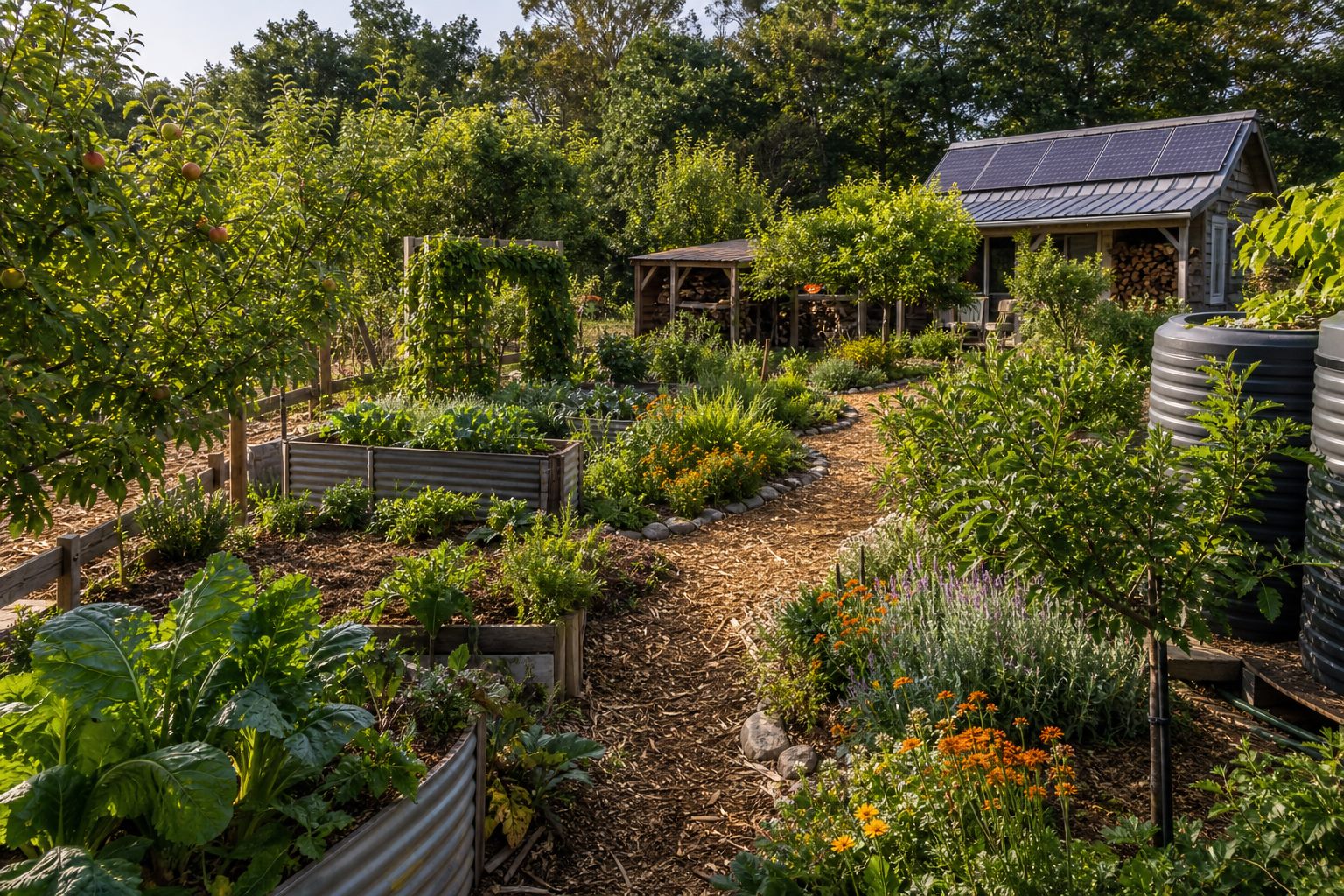
Keep going
Only go bigger after the basics feel steady.
After the everyday habits feel steady, the same approach can grow into bigger guidebook sections: better home efficiency, solar research, local organizing, gardens, and full permaculture living. Those are next layers, not the starting point.