Hazards and people

Extreme Weather & Health news and updates.

Heat, wildfire smoke, floods, air quality, and the public-health consequences of a more volatile climate.

ACC News Briefs

Latest Weather & Health reporting.

Each brief identifies the original source and links to the reporting or evidence behind it.

Health workers distribute water to older residents in a bright French urban cooling center during extreme heat.

France records 5,764 excess deaths during a late-June heat period

Le Monde reported that France recorded 5,764 more deaths than expected during a heat period from June 17 through July 2, an all-cause excess of 36.2%. The Paris region had the largest reported excess, and people over age 75 accounted for more than two-thirds of the additional deaths. These are excess all-cause deaths recorded during the heat episode, not final case-by-case findings that heat caused every death.

Original reporting: Le Monde

Read the ACC brief
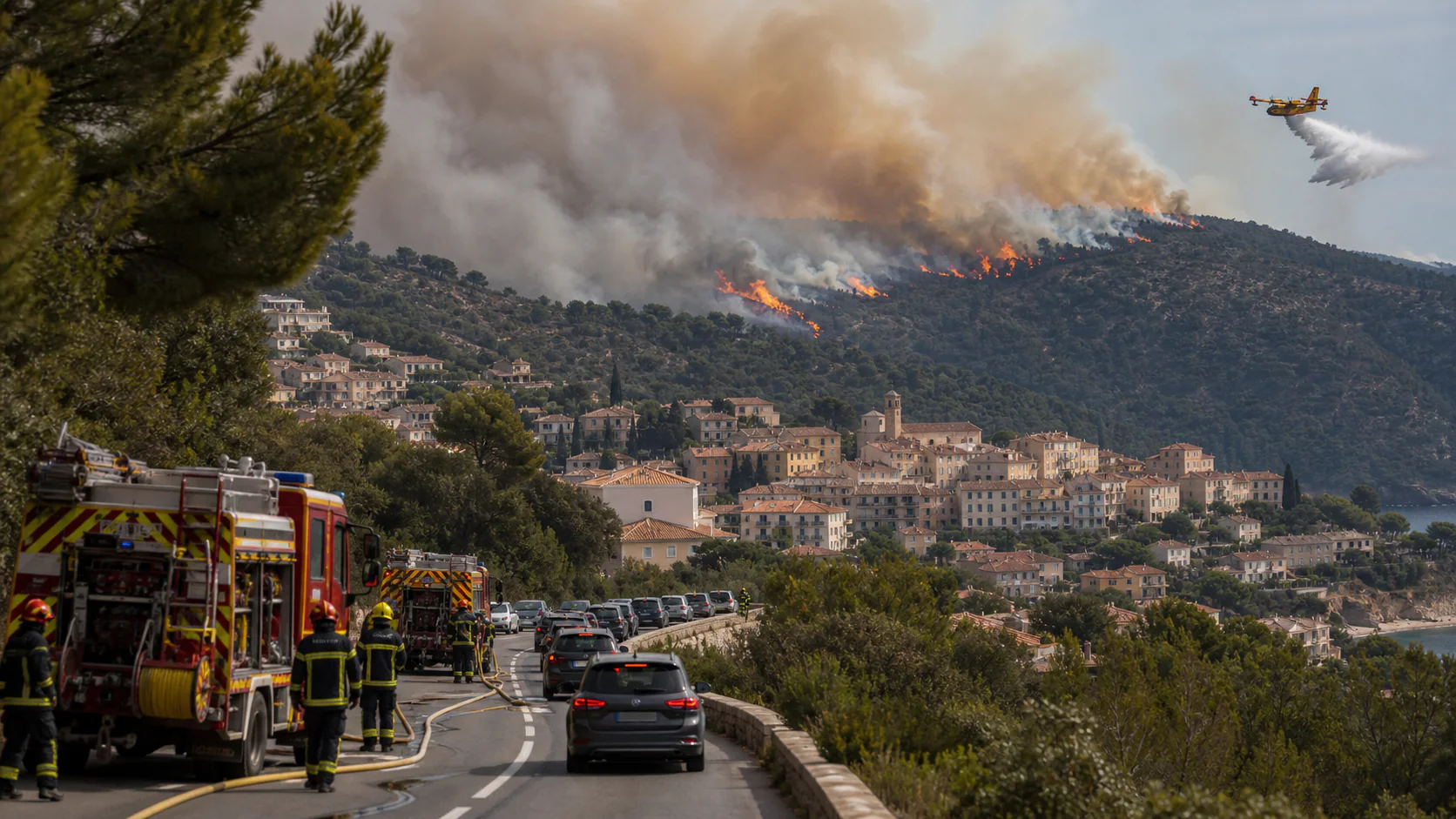
Firefighters and evacuating cars move along a coastal road as a Mediterranean wildfire burns above a southern French town.

Southern France wildfire forces about 20,000 people to evacuate

The Associated Press reported that about 20,000 people were moved to safety as a forest fire near Lege-Cap-Ferret, southwest of Bordeaux, spread across more than 2,400 hectares. Roughly 700 firefighters and water-bombing aircraft were deployed, and no injuries had been reported at the time of the article. AP also noted that repeated heat waves, dry vegetation, and water stress were worsening France's fire danger; ACC does not treat climate change as the cause of a specific ignition.

Original reporting: Associated Press

Read the ACC brief
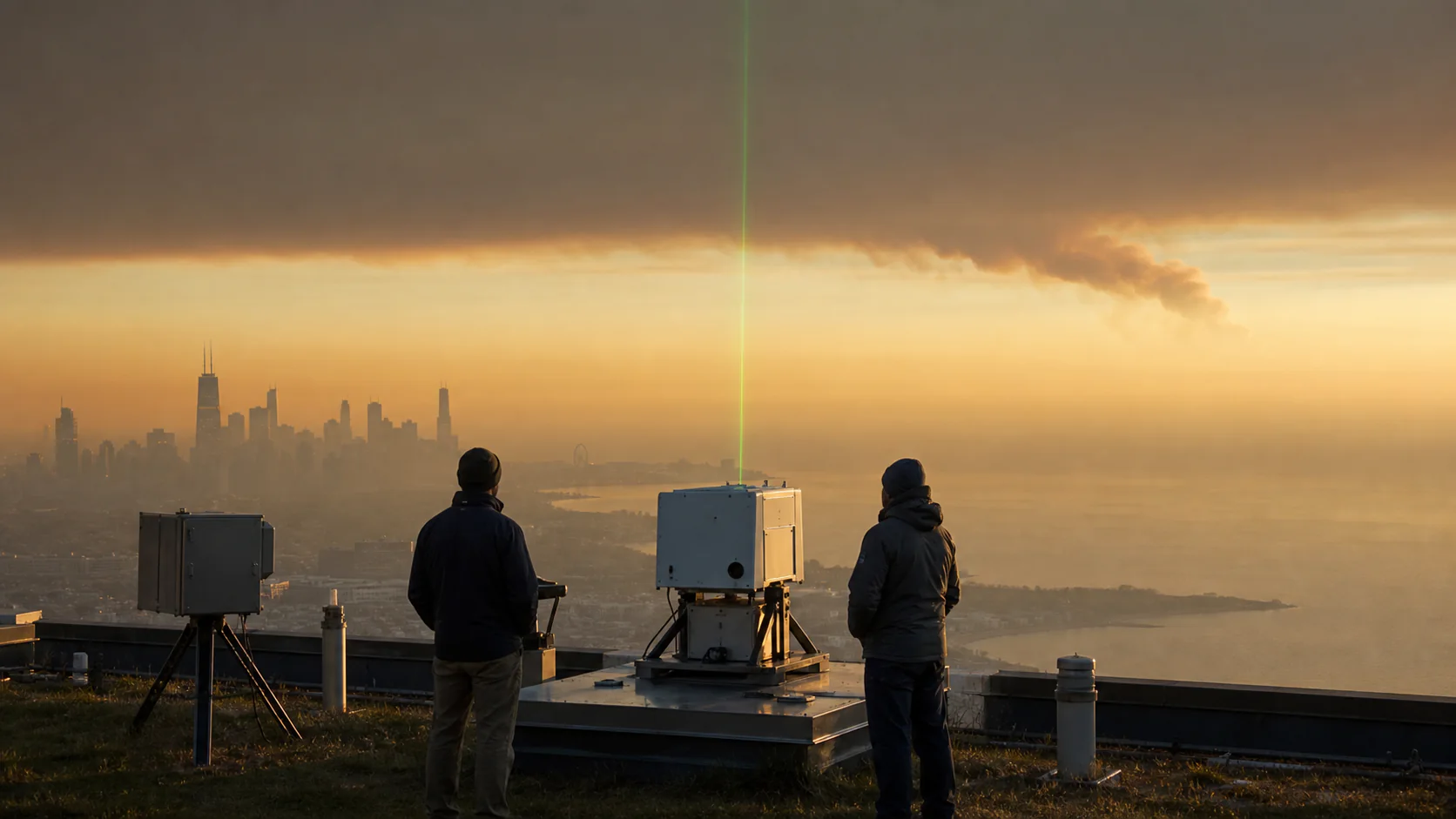
Scientists operate a Doppler lidar beneath layered wildfire haze over a Great Lakes city and shoreline.

Machine-learning model could sharpen wildfire-smoke forecasts

University of Wisconsin-Madison researchers and collaborators developed a machine-learning method that estimates atmospheric boundary-layer height from Doppler lidar data in near real time. Phys.org reports that using relationships between successive measurements can reduce the identification lag from hours to minutes, helping capture rapid shifts that affect whether smoke mixes upward or remains trapped near the surface. The underlying work is an arXiv preprint, so the method still needs broader testing and operational evaluation.

Original reporting: University of Wisconsin-Madison via Phys.org

Read the ACC brief
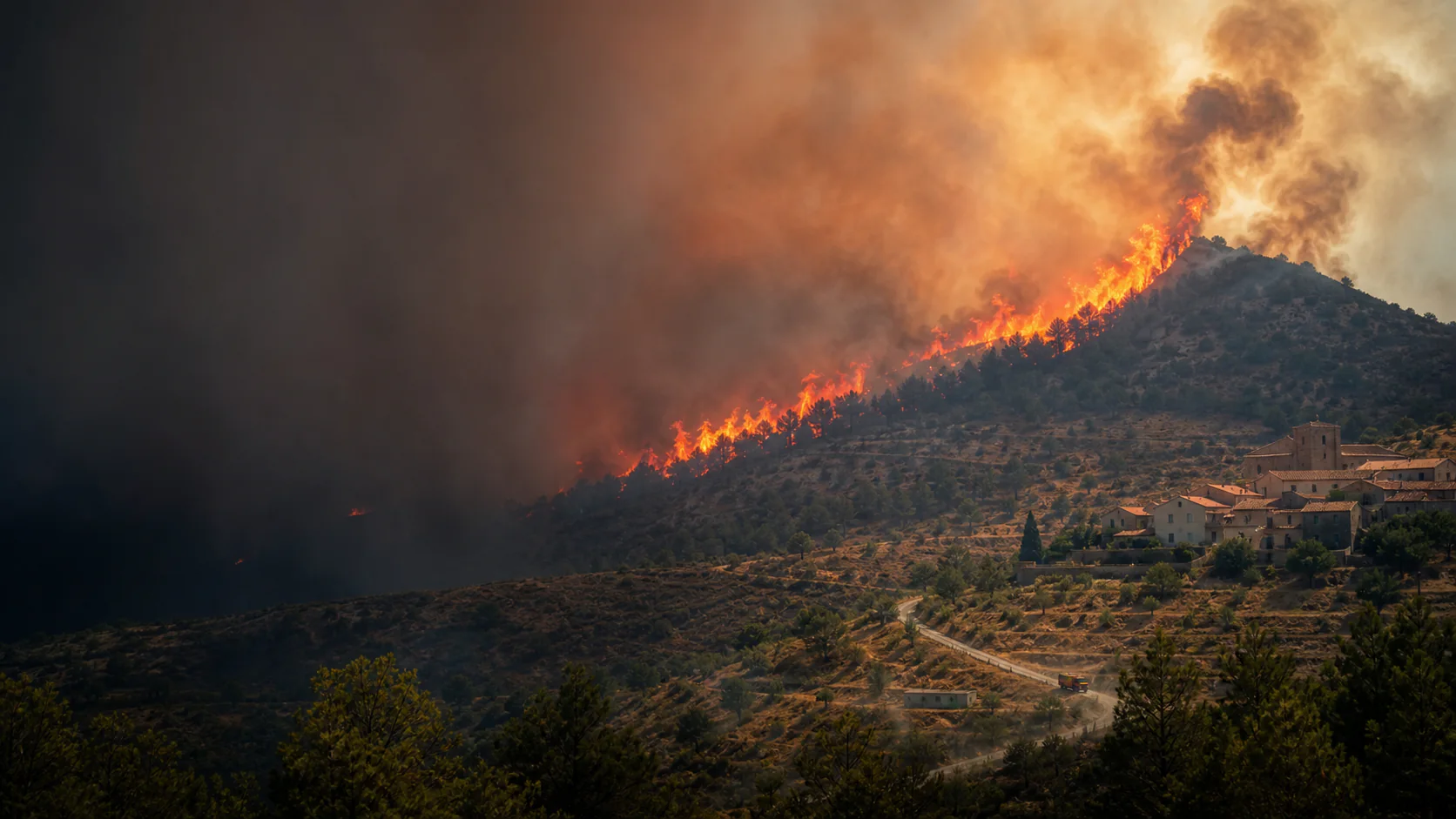
Wildfire burns across a dry Mediterranean ridge above a Spanish village under dense smoke.

Spain wildfire grows into one of the country's biggest as heat persists

The Associated Press reported that firefighters in central Spain were battling a Guadalajara wildfire that had burned more than 32,000 hectares, with dozens of villages affected by evacuations and no reported serious injuries as of the article. AP also reported that Spain had already seen more than 100,000 hectares burned in 2026 and that another heat wave was pushing temperatures near or above 40 degrees Celsius in parts of southern Europe. ACC frames the story as an emergency-response and prevention signal, not a claim that any single ignition was caused by climate change.

Original reporting: Associated Press

Read the ACC brief
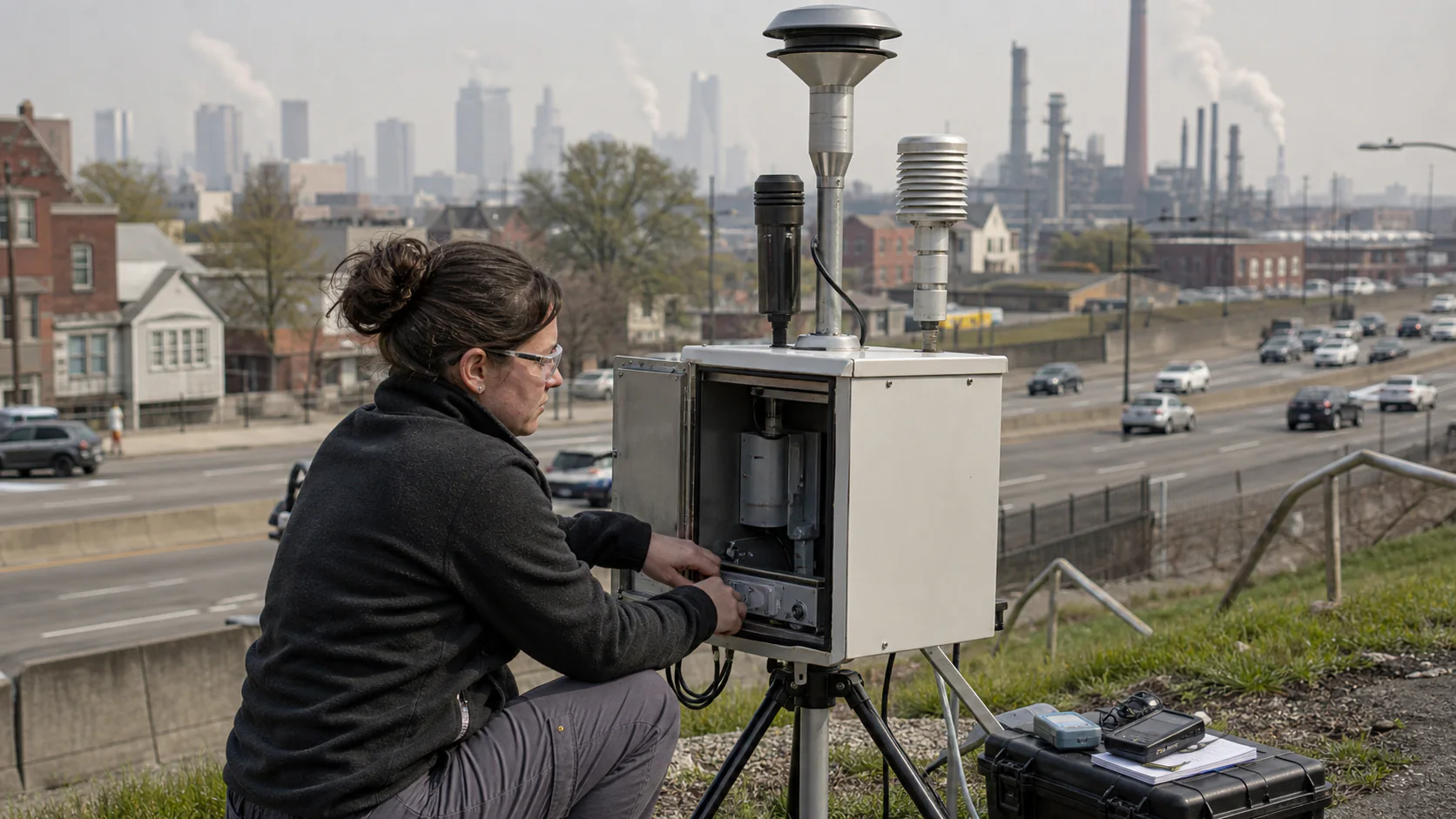
An air-quality technician checks a particulate-monitoring instrument beside a roadway in a representative hazy U.S. industrial neighborhood.

Court sets 2027 deadline for EPA soot-standard implementation

A federal district court order dated July 17 declared that the Environmental Protection Agency missed its February 7, 2026 statutory deadline to designate which areas meet the 2024 annual fine-particle pollution standard. The court ordered EPA to publish final nationwide designations by February 6, 2027, a result Earthjustice announced on July 20 for a coalition of health, community, environmental, state, and local plaintiffs. The ruling creates an implementation deadline; it does not itself reduce pollution or determine which places will be designated nonattainment.

Original reporting: Earthjustice

Read the ACC brief
A public-health scientist reviews mosquito surveillance samples and mapping data near a wetland edge as climate conditions shift disease-monitoring needs.

Climate change makes mosquito monitoring more urgent

Inside Climate News reported that warmer, wetter conditions are helping some disease-carrying mosquitoes expand into historically cooler regions, including New England, where Connecticut monitors dozens of mosquito species and invasive species such as the Asian tiger mosquito.

Original reporting: Inside Climate News

Read the ACC brief
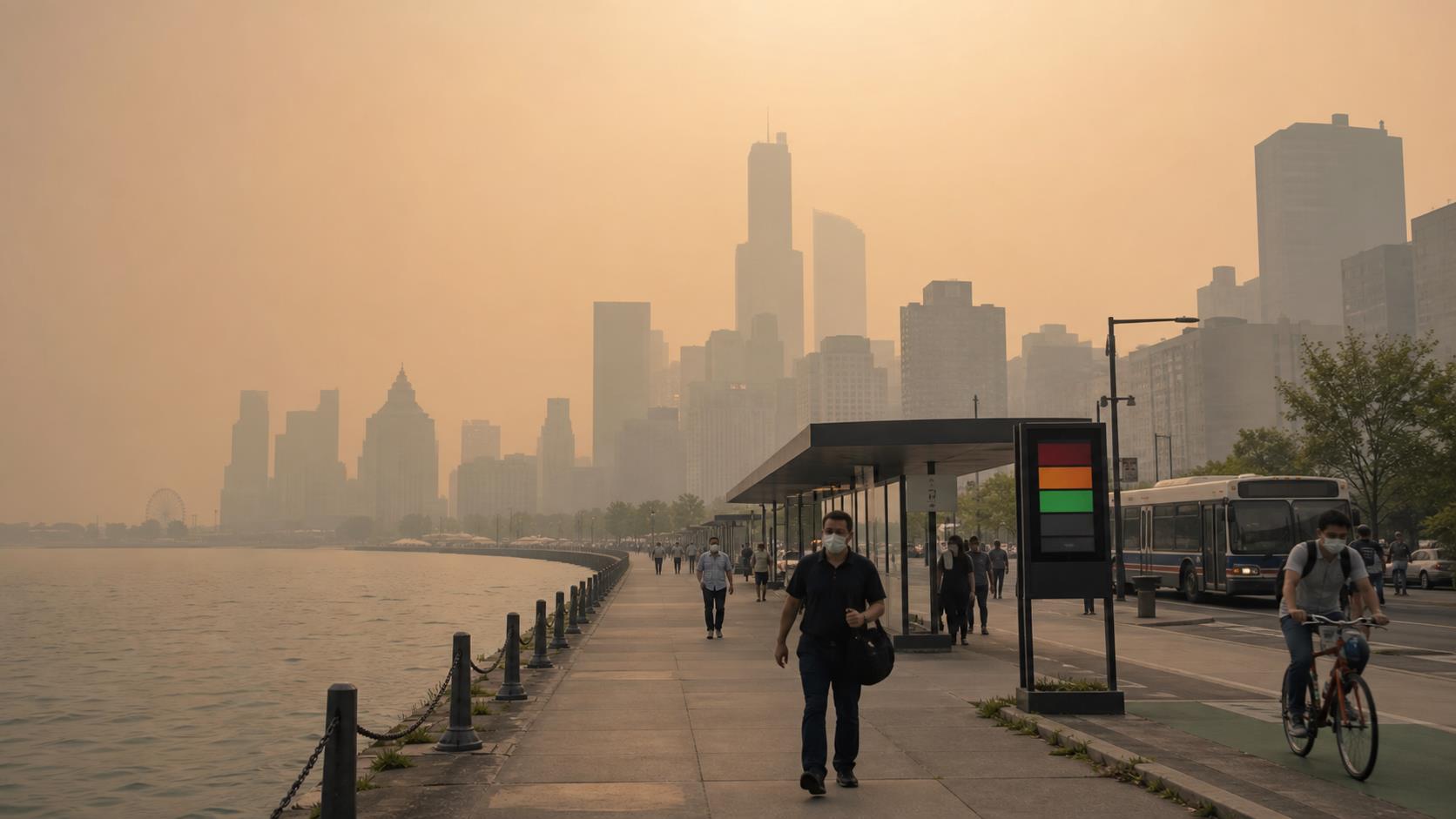
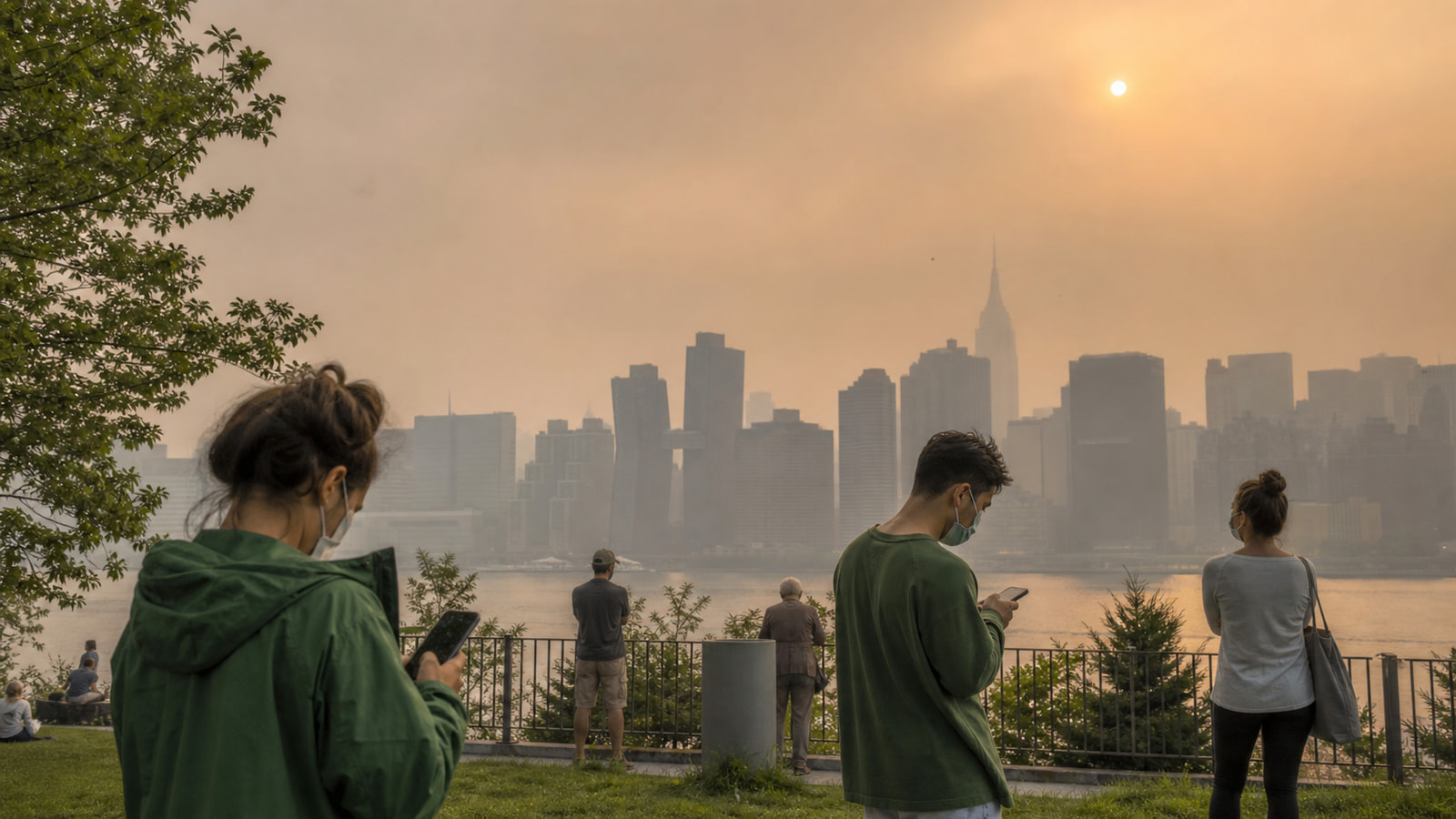
A smoke-hazed Great Lakes city waterfront shows low visibility and commuters responding to bad-air conditions far from wildfire flames.

Wildfire smoke again pushes bad air far from the flames

The Associated Press reported that smoke from Canadian wildfires was again affecting air quality across parts of the U. S. Midwest and Northeast, showing how fires can create health risks hundreds of miles away from active burn areas.

Original reporting: Associated Press

Read the ACC brief
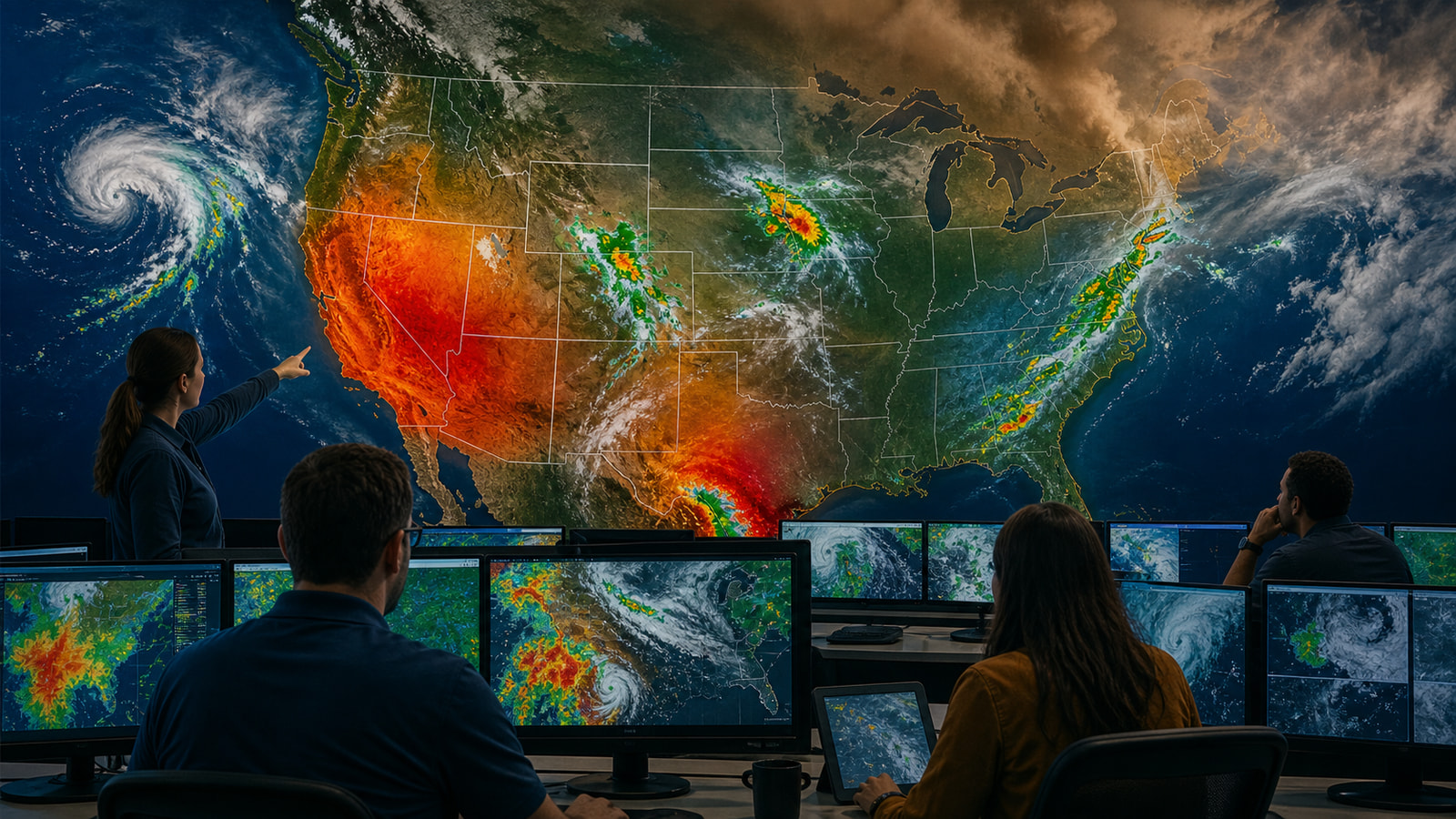
Weather forecasters monitor a U.S. map showing heat, smoke, storms, monsoon moisture, and heavy-rain risk across different regions.

NOAA outlook shows a multi-hazard U.S. weather pattern

NOAA's Weather Prediction Center described a broad July weather setup with additional excessive rainfall likely across the Texas Hill Country, anomalous heat and humidity from the Northern Plains and Upper Midwest into the northern Mid-Atlantic, monsoonal storms developing across the interior West, and severe or strong thunderstorms possible in parts of New England and Montana.

Original reporting: NOAA Weather Prediction Center

Read the ACC brief
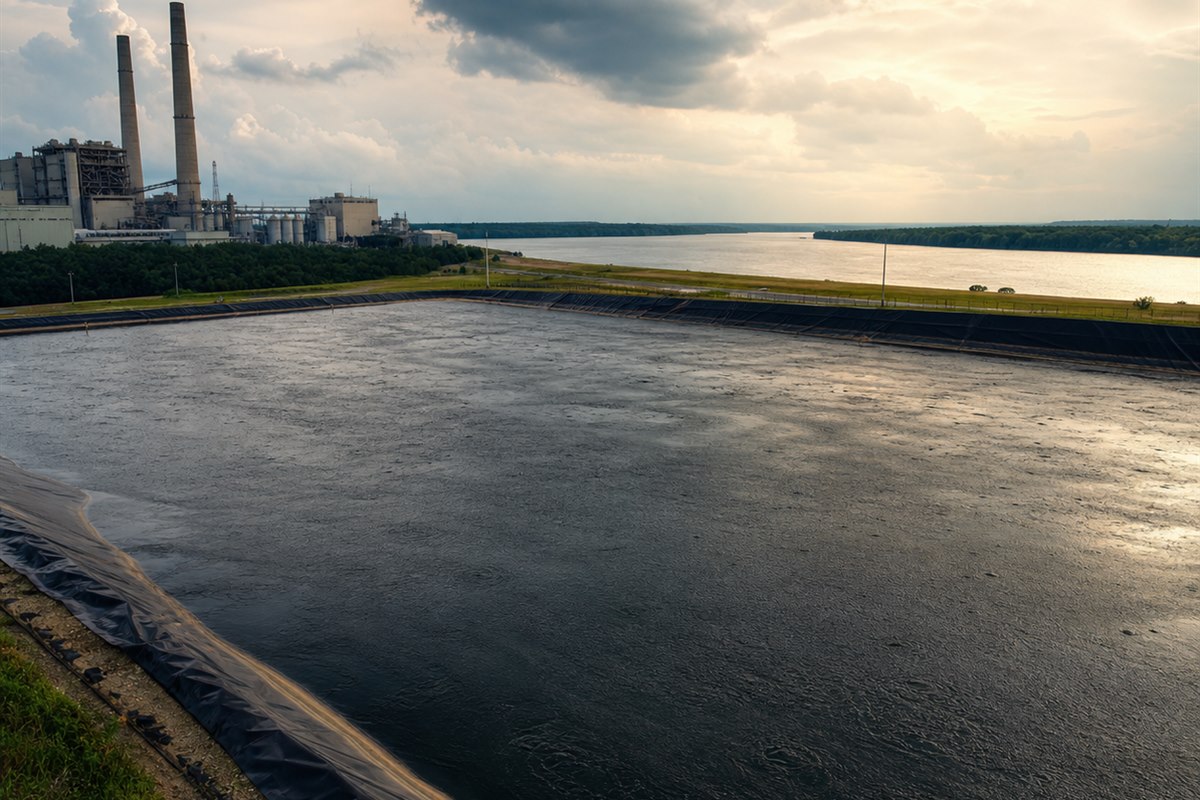
Coal ash ponds and power-plant infrastructure sit near waterways as water-quality decisions are reviewed.

EPA moves to approve Alabama coal-ash program

Inside Climate News reported that the Trump EPA proposed approving Alabama's coal-ash permitting program, a move that could let utilities leave coal ash in place at power-plant ponds even where material is saturated in groundwater.

Original reporting: Inside Climate News

Read the ACC brief
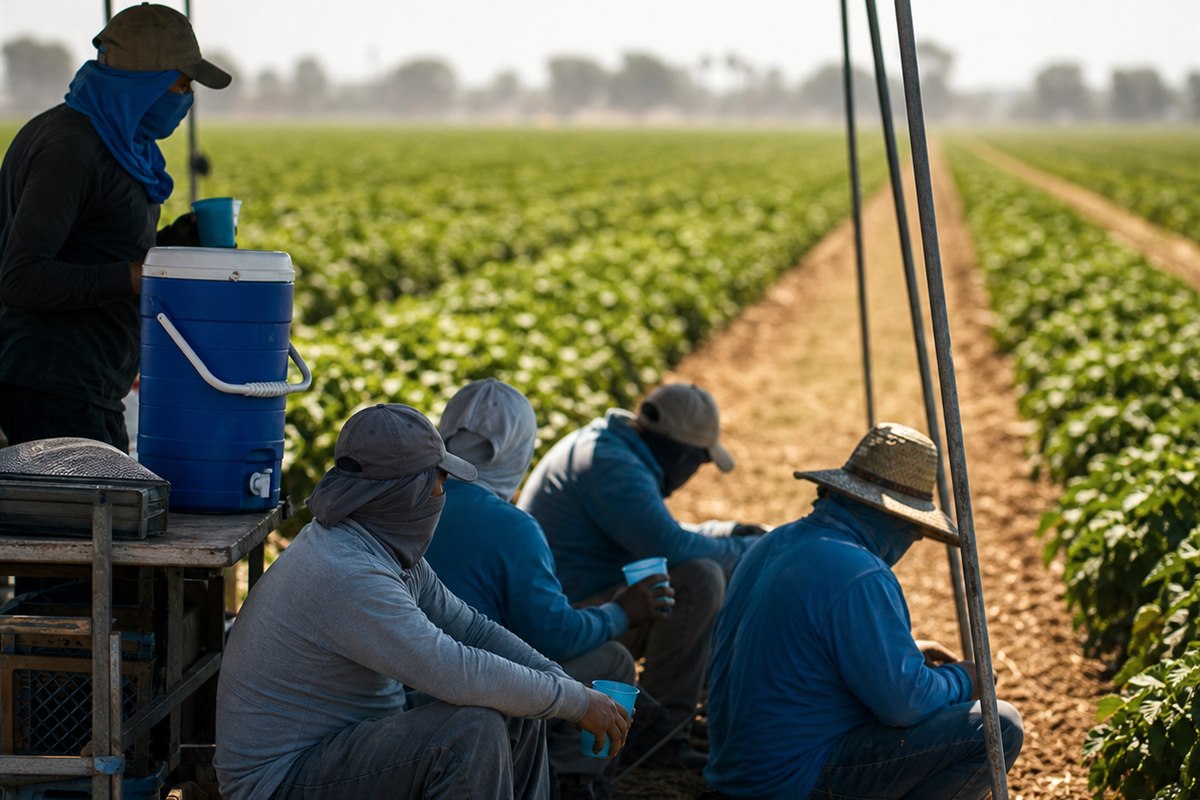
Florida farmworkers pause for shade, water, and heat-safety planning during hot field conditions.

Florida farmworkers face dangerous heat on the job

Inside Climate News highlighted the heat risks facing Florida farmworkers as another hot summer builds, noting that more than 150,000 workers help raise the state's food supply while many lack the resources and protections needed to avoid heat illness.

Original reporting: Inside Climate News

Read the ACC brief
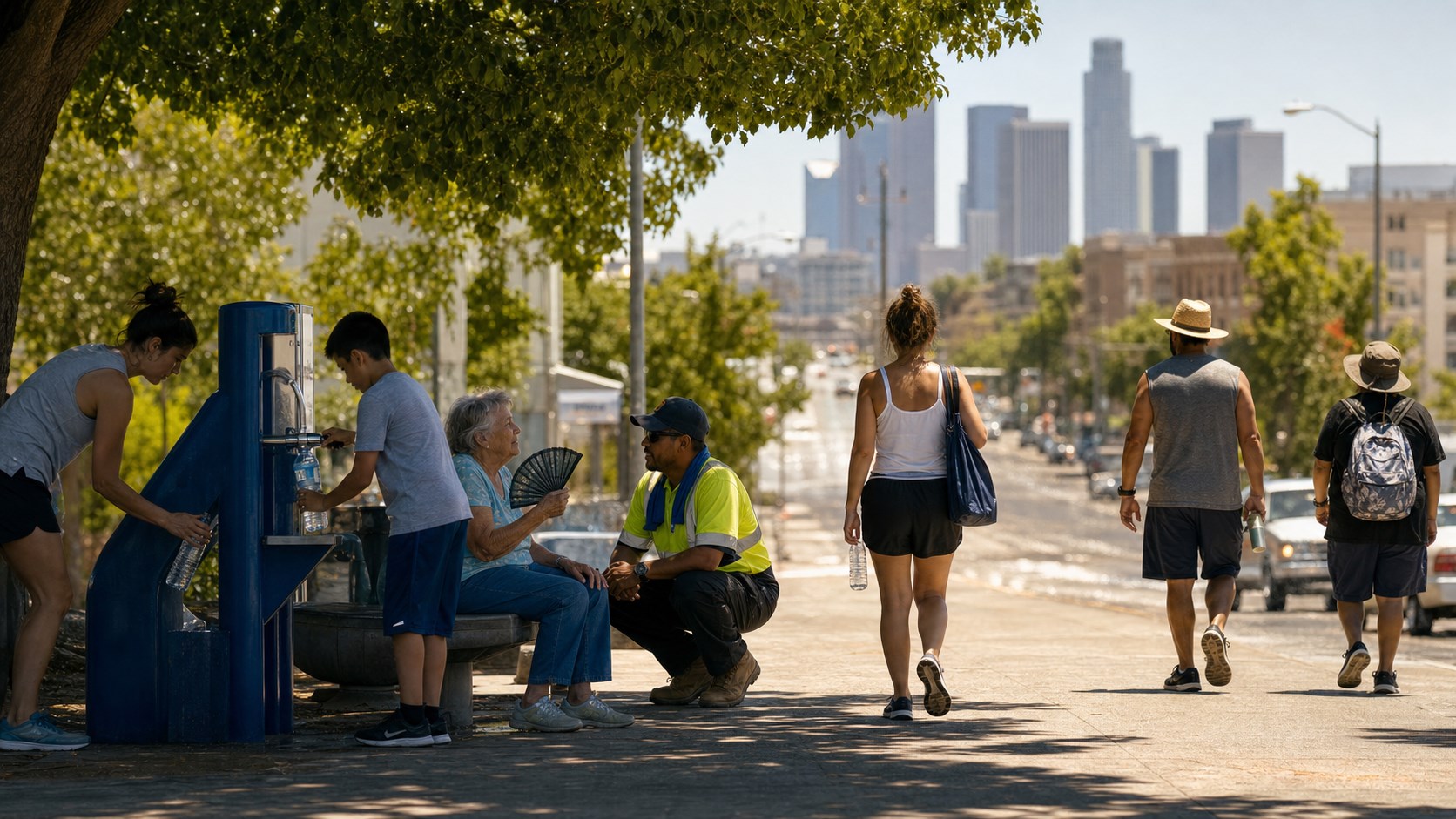
Residents use a shaded public water station during dangerous urban heat.

U.S. heat dome brings dangerous heat to much of the country

The Associated Press reported that a widespread heat dome was building across the United States, with triple-digit heat expected in the Southwest and Great Plains before spreading east and potentially affecting up to two-thirds of the continental U. S.

Original reporting: Associated Press

Read the ACC brief
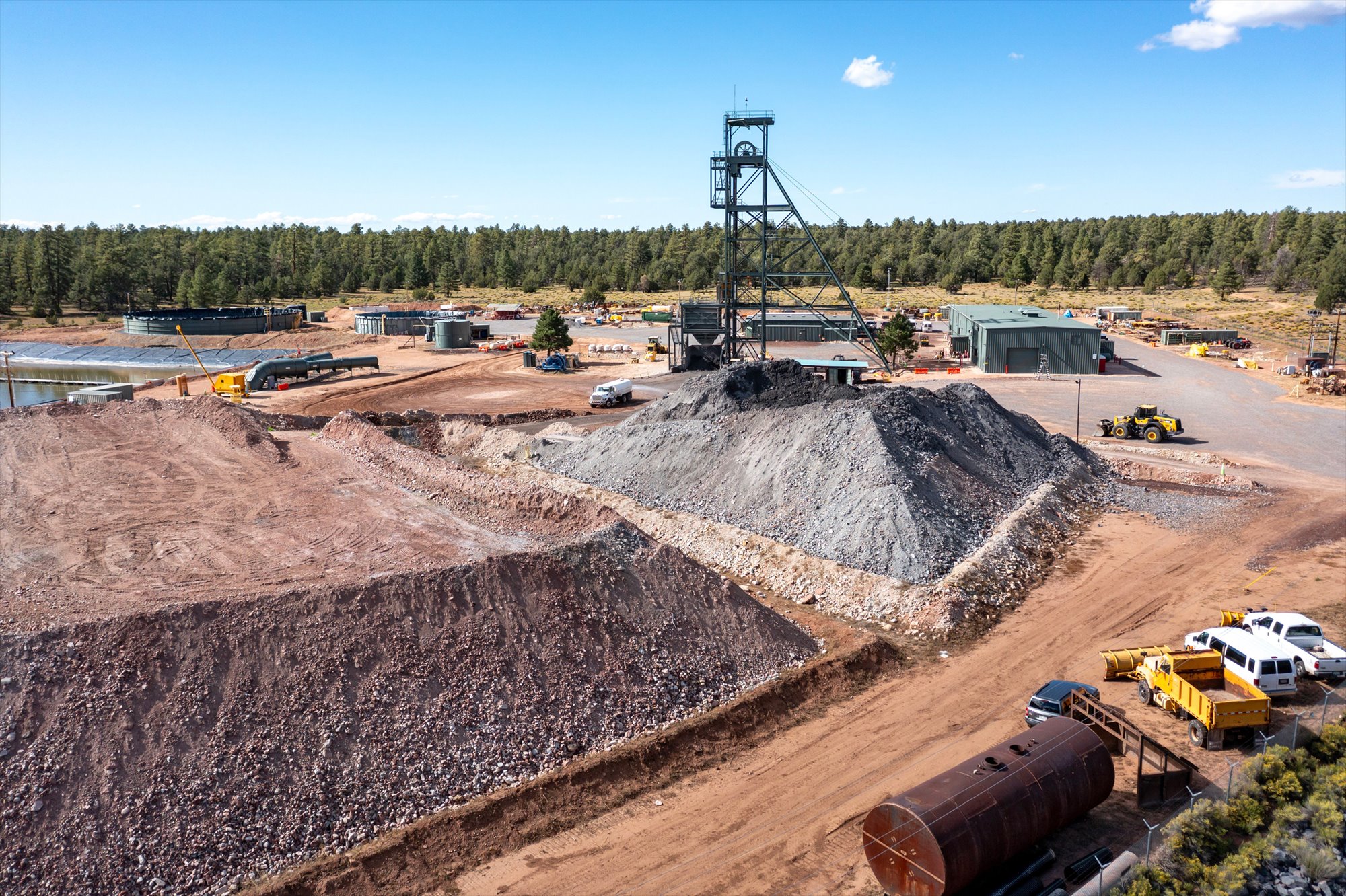
Aerial view of the Pinyon Plain uranium mine near the Grand Canyon.

Arizona raises contaminant limits at Grand Canyon uranium mine

Inside Climate News reported that Arizona regulators approved higher contaminant limits for a uranium mine near the Grand Canyon despite objections from tribes, environmental groups, and independent hydrogeologists concerned about arsenic and groundwater movement.

Original reporting: Inside Climate News

Read the ACC brief
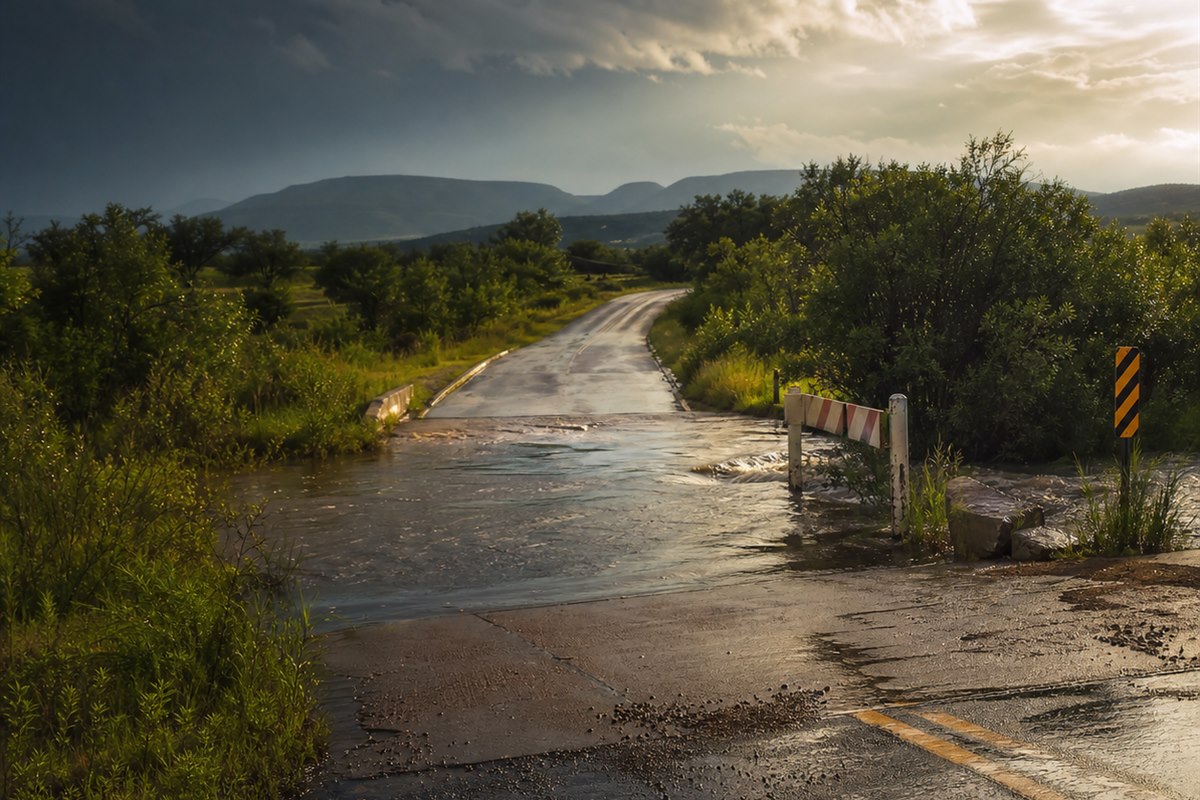
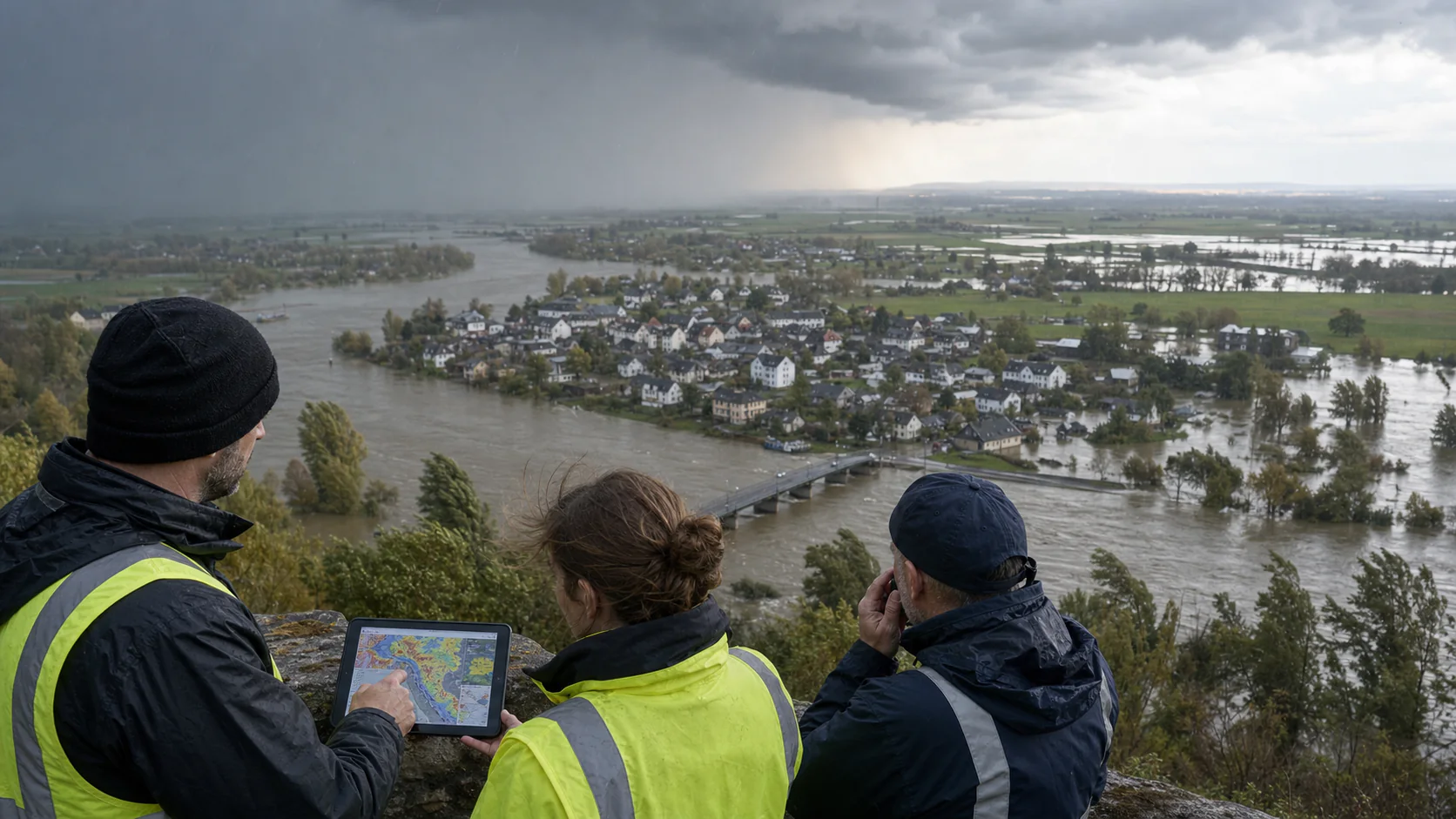
Emergency planners review a multi-hazard map from above a flooded European river town under rain and strong wind.

Europe's worst flood losses often arrived with other hazards

A peer-reviewed analysis combined subnational European flood-loss records from 1981 to 2020 with heat, wind, precipitation, and river-discharge data. More than 70% of recorded floods involved compounding hazards, every event in the top 1% by economic loss was compound, and their aggregate losses exceeded those of single-hazard floods by more than 167 billion euros. The paper used machine learning and causal-forest methods, but uneven historical records limit precision and it does not attribute every event or loss to human-caused warming.

Original reporting: Nature Communications

Read the ACC brief

Keep exploring

See the full climate newsroom.

Search every ACC news brief by date, source, region, or topic.

Browse the complete archive