Practical progress

Climate Solutions & Living news and updates.

Practical technology, household action, community solutions, and ideas that can turn climate knowledge into measurable progress.

ACC News Briefs

Latest Solutions & Living reporting.

Each brief identifies the original source and links to the reporting or evidence behind it.

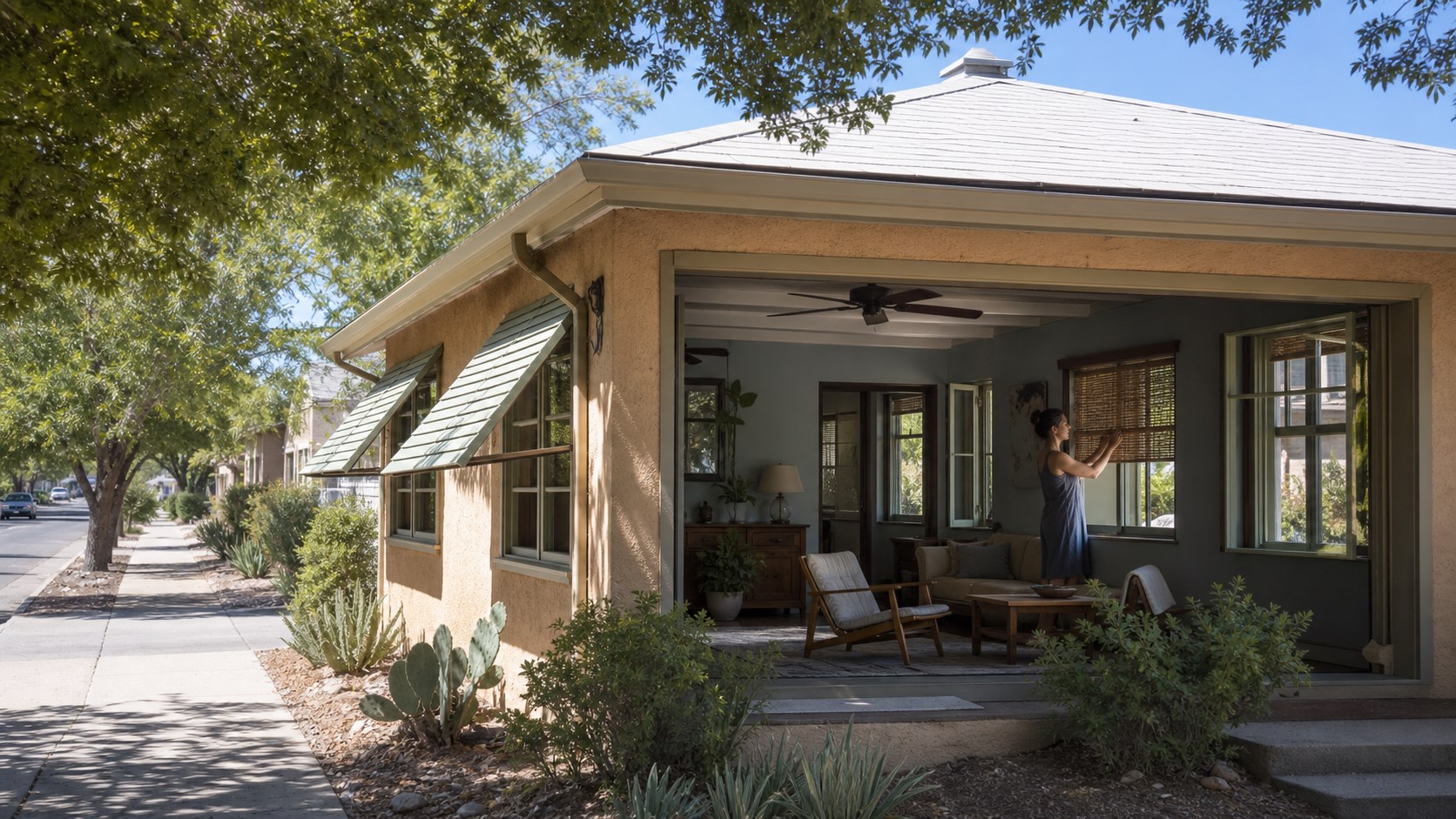
A shaded home uses awnings, a reflective roof, trees, and cross-ventilation for passive cooling.

Passive cooling can make homes safer during heat outages

Grist, republishing Vox through Climate Desk, explained how passive cooling strategies such as reflective surfaces, shade, airflow, better orientation, awnings, trees, and efficient building envelopes can help homes stay safer when heat waves strain power grids or air conditioning becomes unaffordable.

Original reporting: Grist

Read the ACC brief


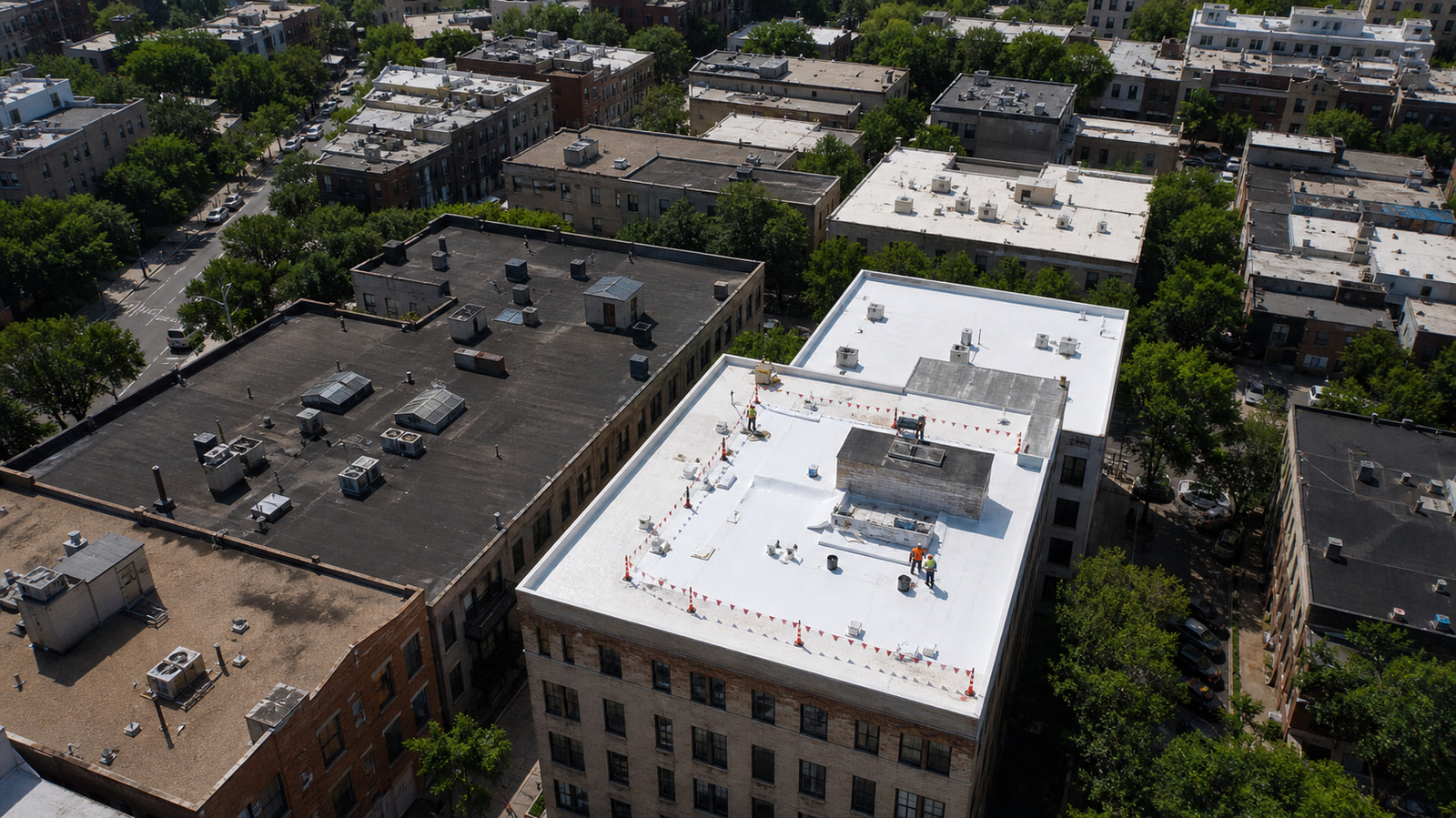
Aerial city blocks show individual cool-roof candidates highlighted by high-resolution heat and reflectivity mapping.

Building-level roof maps could target cooler city retrofits

A Nature Communications study produced 30-centimetre urban surface-albedo maps for 12 cities by combining Sentinel-2 data with high-resolution imagery, allowing researchers to identify individual roofs that could reflect more heat. In modeled targeted-retrofit scenarios, higher-albedo surfaces reduced citywide air temperature by as much as 0.

Original reporting: Nature Communications

Read the ACC brief
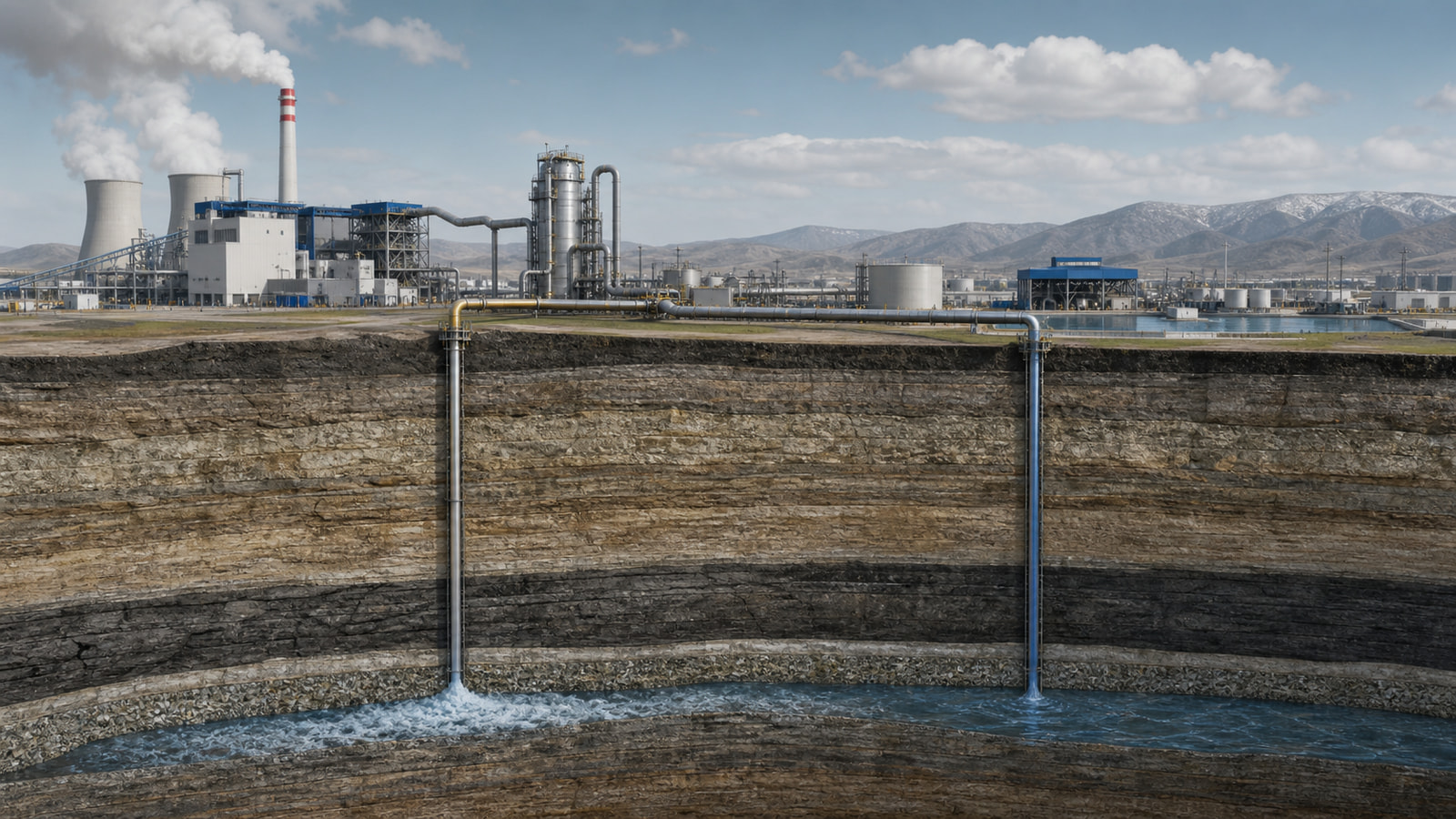
Engineers monitor a carbon-storage injection site and adjacent water-recovery equipment in an industrial landscape.

Study links carbon-storage planning with water recovery in China

A Nature Sustainability study modeled how carbon capture and storage at 567. 4 gigawatts of Chinese coal-power capacity could be paired with recovery of brackish water displaced from deep saline formations, estimating up to 1. 6 gigatonnes of carbon-dioxide storage in a 2030 scenario.

Original reporting: Nature Sustainability

Read the ACC brief
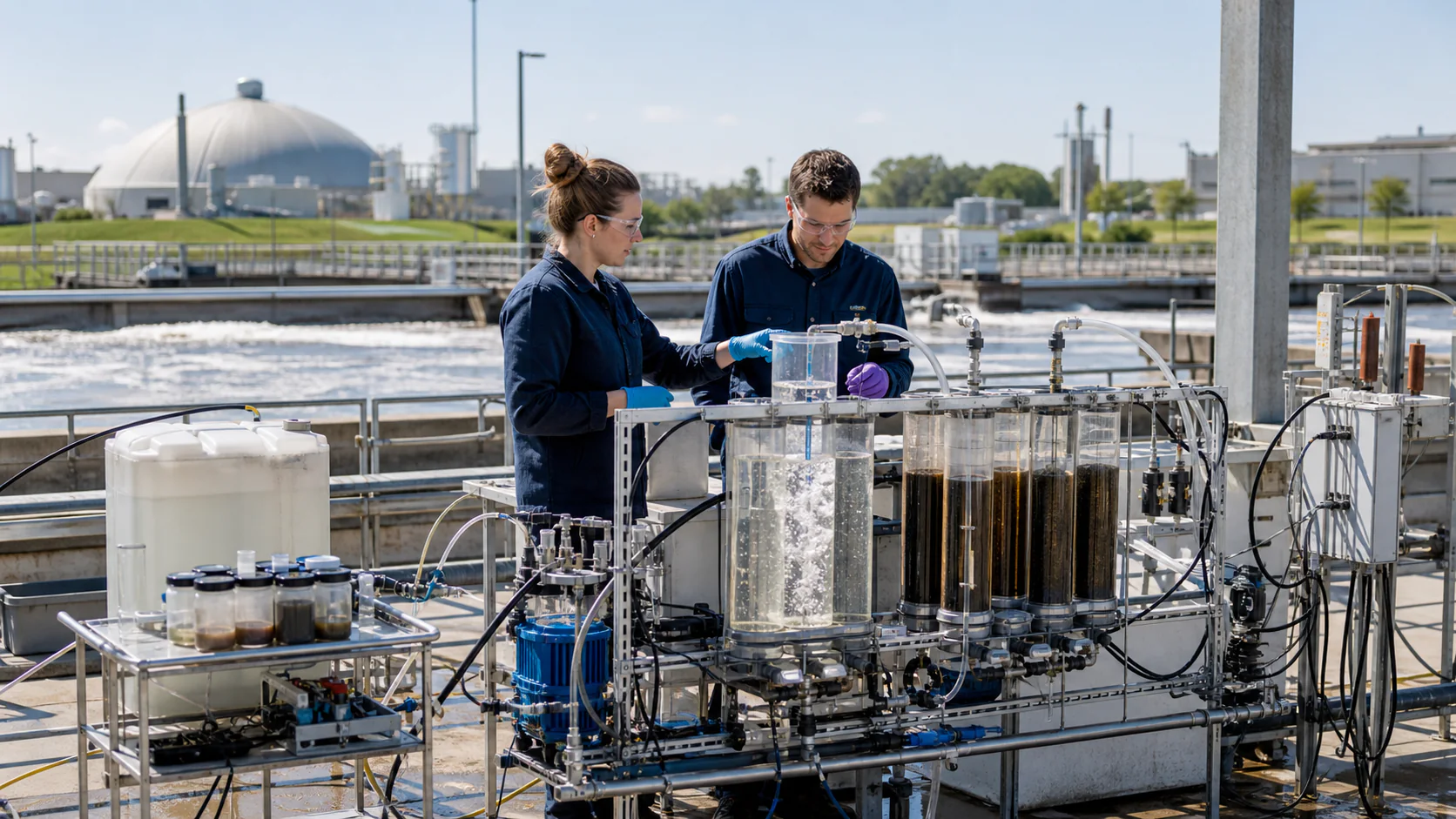
Water engineers inspect a compact moving-bed biofilm pilot with bubbles active in only part of the reactor at a municipal wastewater plant.

Intermittent aeration cuts energy use in a municipal wastewater pilot

A 104-day pilot-scale moving-bed biofilm reactor treated real municipal wastewater while researchers compared intermittent aeration strategies. Under the most carbon-limited test condition, the system removed 70 percent of chemical oxygen demand, 95 percent of ammonium, and 84 percent of total nitrogen; extending the non-aerated period cut blower energy demand by 67 percent and estimated total plant energy use by 34 percent.

Original reporting: Water

Read the ACC brief
A transit engineer reviews vehicle telemetry beside an electric bus charging at a solar-equipped urban depot in Shenzhen.

Dynamic accounting makes electric-bus carbon estimates more honest

Researchers combined high-frequency telemetry from ten Shenzhen electric buses with a probabilistic, time-varying grid-emissions model. Their hybrid energy model reached an R-squared of 0.9610 and a leave-one-bus-out average of 0.9618, while dynamic grid factors produced wider uncertainty ranges than static accounting during high-power events.

Original reporting: Scientific Reports

Read the ACC brief
Steel engineers and finance planners compare physical models of conventional and hydrogen-ready steel routes beside an operating steelworks.

Early green investment could prevent decades of coal-based steel emissions

A peer-reviewed study combined plant-level steel data with the REMIND integrated assessment model. It estimated that existing and planned coal-based steel plants could commit nearly 60 billion metric tons of carbon dioxide, rising to 114 billion tons if current investment trends continue beyond announced plans. In the modeled pathways, about 60% of that lock-in risk could be avoided at average abatement costs of $100-$150 per ton; redirecting $50 billion in India this decade toward hydrogen-ready direct-reduction plants avoided 22 billion tons in the scenario. These are conditional model estimates, not funded projects or emissions already avoided.

Original reporting: Nature Climate Change

Read the ACC brief

Keep exploring

See the full climate newsroom.

Search every ACC news brief by date, source, region, or topic.

Browse the complete archive