Living systems

Nature, Food & Ecosystems news and updates.

Farms, forests, rivers, wildlife, biodiversity, food systems, and the natural systems that support resilient communities.

ACC News Briefs

Latest Nature & Food reporting.

Each brief identifies the original source and links to the reporting or evidence behind it.

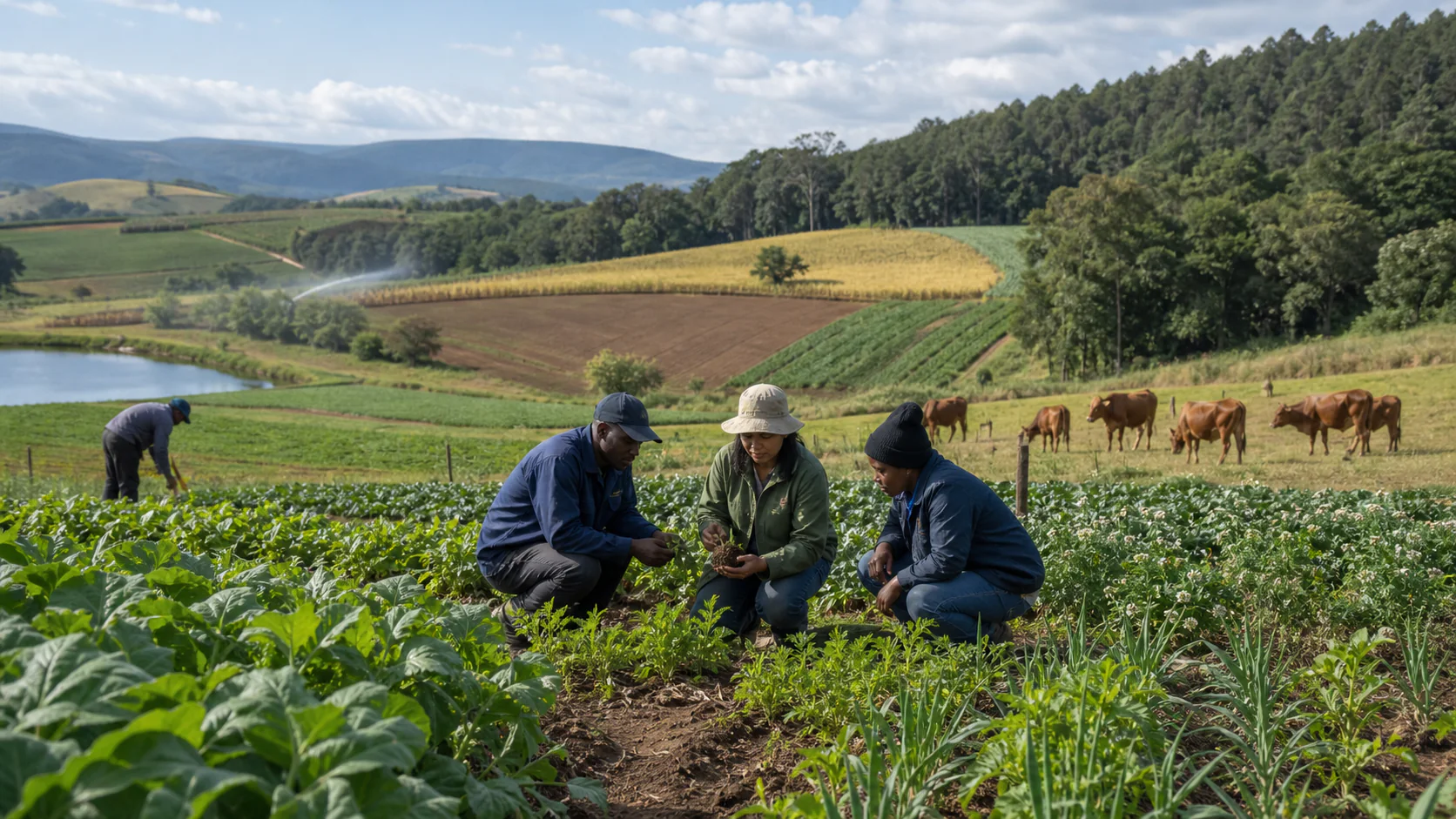
Farm workers inspect soil among diverse vegetable and legume crops, with efficient irrigation, forest, and a smaller cattle herd beyond.

Healthier diets could cut farm emissions, but transition costs matter

A Nature modeling study summarized by the London School of Hygiene & Tropical Medicine finds that healthier diets, higher agricultural efficiency, and less food waste could reduce net carbon dioxide emissions from land-use change by 85% relative to 2020 by 2050. The scenario also reduces farmland use by up to 6% compared with current trends, while shifting production away from livestock and toward fruits, vegetables, nuts, and legumes. This is a modeled pathway with strong assumptions, not a forecast, and the authors warn that livestock-dependent regions and workers would face major economic disruption without a just transition.

Original reporting: London School of Hygiene & Tropical Medicine via ScienceDaily

Read the ACC brief
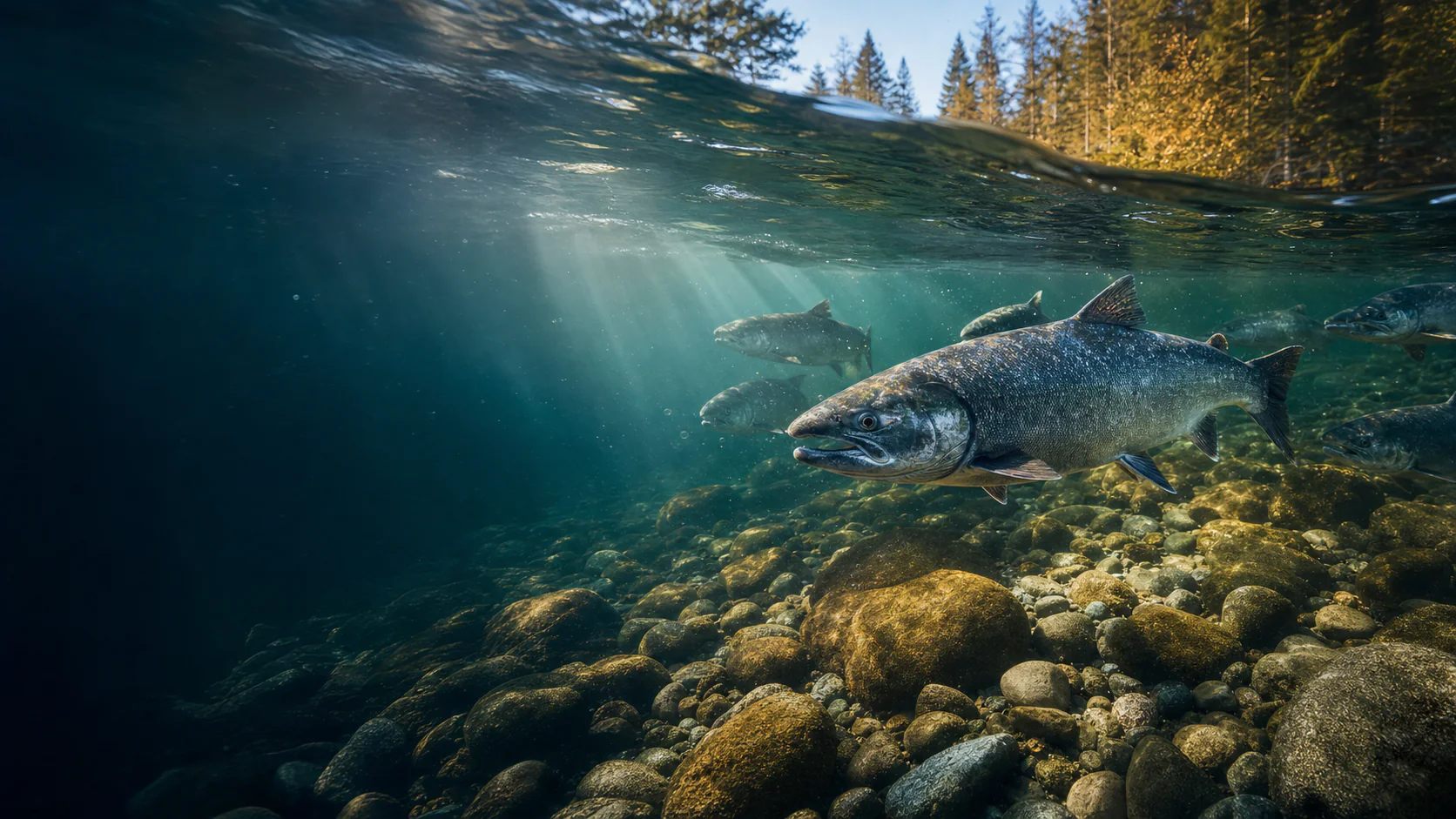
Chinook salmon swim upstream in a clear northern California river beneath shafts of sunlight.

California salmon fishing resumes into a climate-stressed season

Inside Climate News reported that California commercial salmon fishing has resumed after closures that began in 2023, but the industry faces an uncertain outlook as drought, river conditions, and a new marine heatwave pressure Chinook salmon. The article cites NOAA disaster funding for affected fisheries and notes the economic role of salmon for fishing guides, ports, bait shops, and coastal communities. ACC frames this as a climate-and-ecosystem recovery story, because reopening a season is not the same as rebuilding salmon abundance.

Original reporting: Inside Climate News

Read the ACC brief
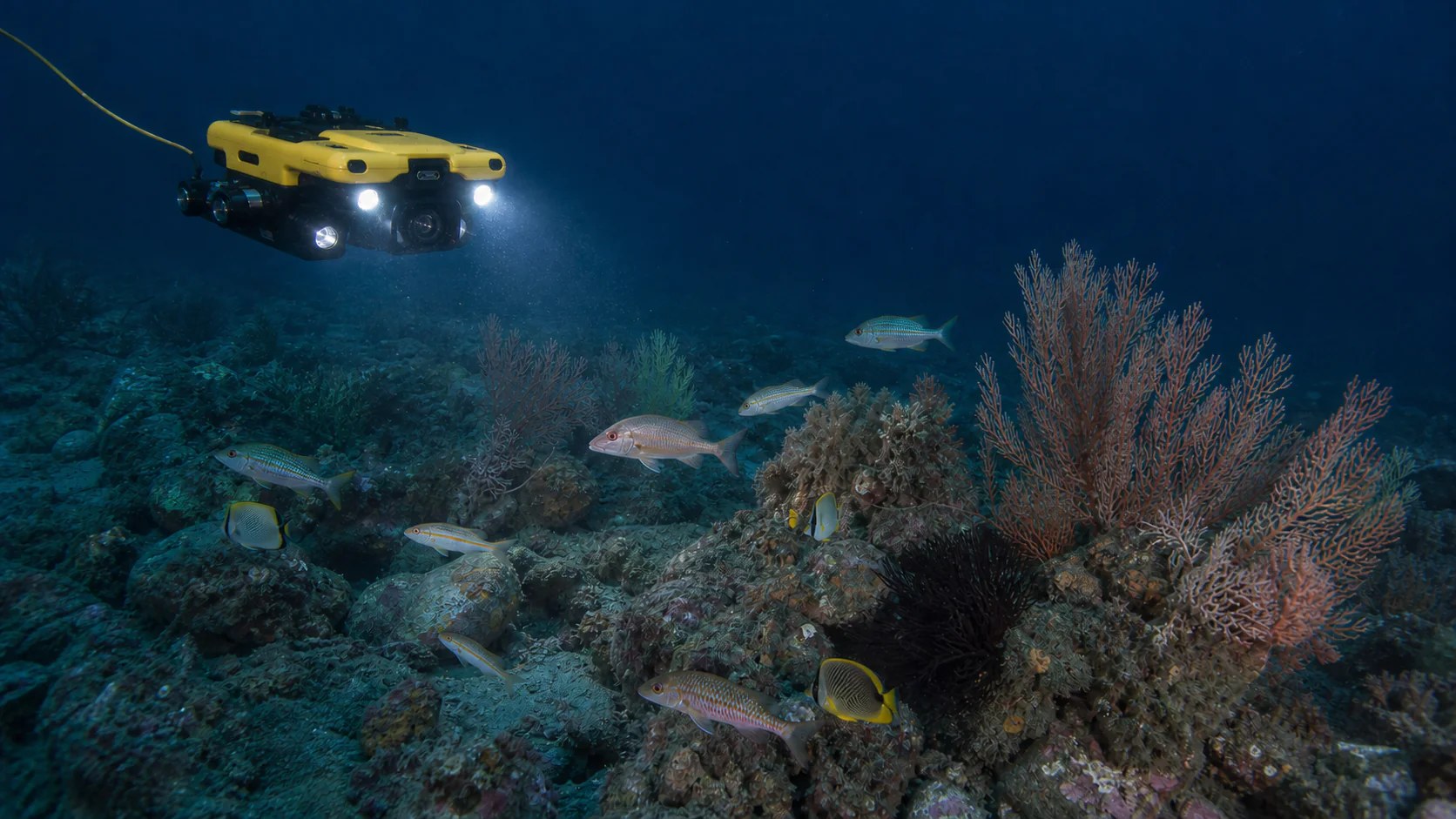
An unbranded scientific underwater drone observes a patchy deep-water coral garden and reef fish on a rocky Gulf of Guinea seafloor.

Benin survey confirms a living deep-water coral garden

A Frontiers in Marine Science team combined 11.5 kilometers of side-scan sonar surveys with underwater video to confirm living coral communities at about 54 meters depth off Benin. The July 20 paper reports at least six octocoral forms, two black-coral taxa, and eight associated reef-fish species at selected rocky targets. The authors describe it as the first confirmed living mesophotic coral ecosystem on the Benin continental shelf, while stressing that visual species identifications remain provisional and the survey covered only part of the potential habitat.

Original reporting: Frontiers in Marine Science

Read the ACC brief
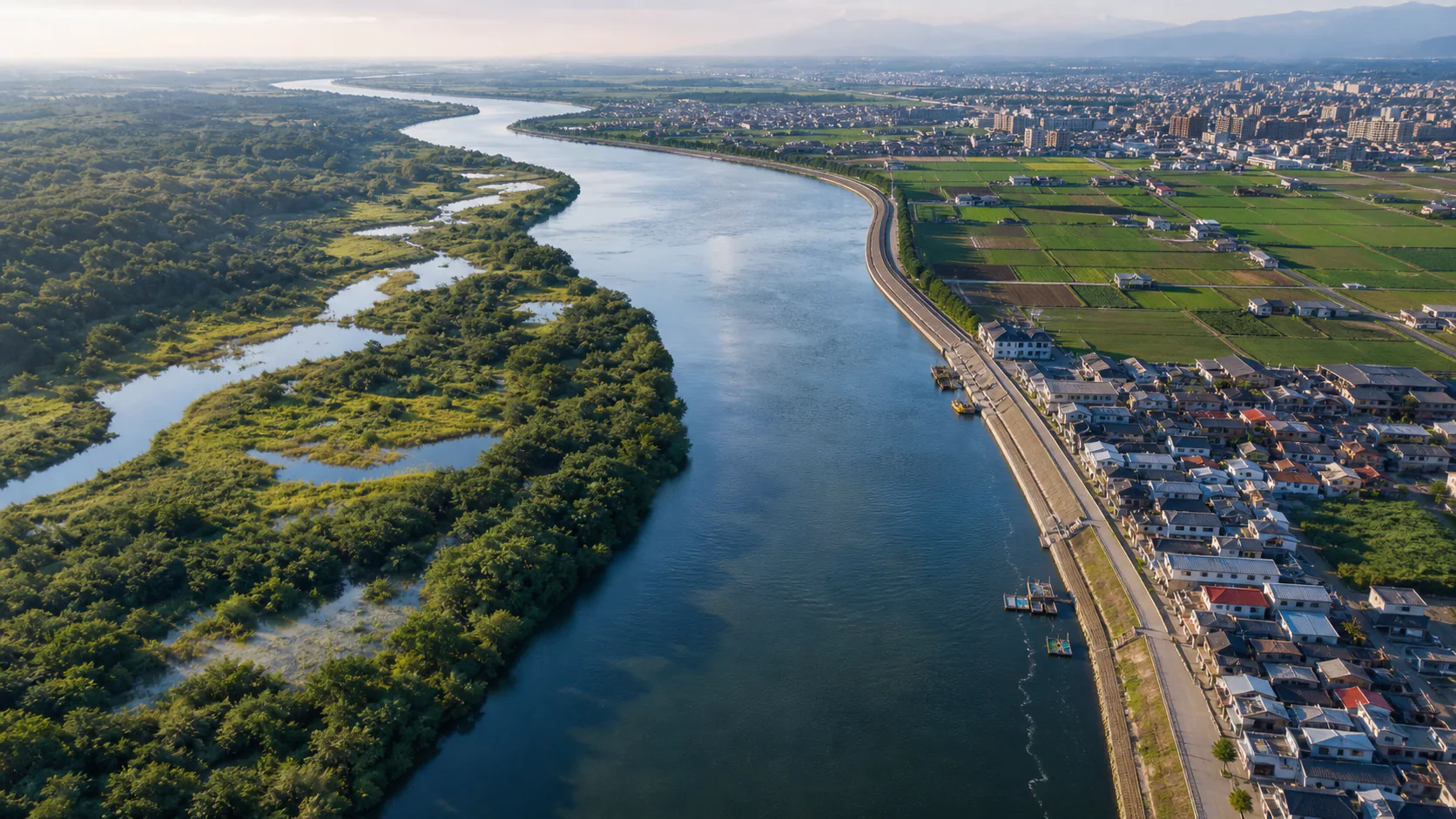
A wide river separates intact wetlands and riparian forest from farmland, roads, levees, and dense built development along the opposite bank.

Global map finds human development along nearly one in five riverfronts

A Nature Communications team used satellite imagery and deep learning to map 7.52 million kilometers of riverfronts worldwide. It classified nearly 20% as modified by people, led by agriculture at 13.43% and built development at 6.29%. The study identified a dense belt across parts of Africa and Eurasia that contains about 60% of mapped alterations and reported links between lateral fragmentation, water-quality decline, and biodiversity pressure.

Original reporting: Nature Communications

Read the ACC brief
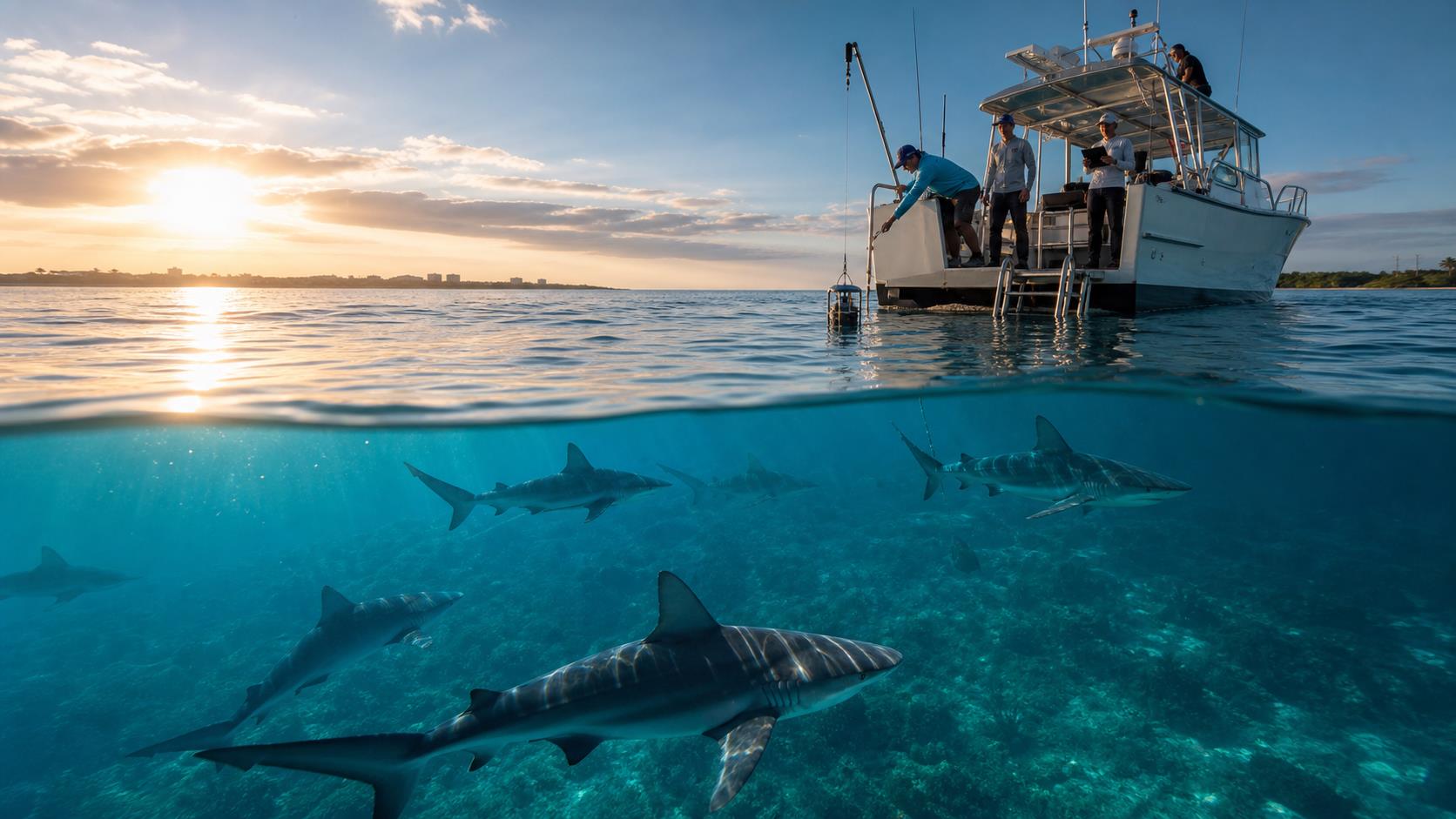
Marine researchers observe reef sharks from a research vessel in Florida coastal waters, emphasizing data-driven conservation policy.

Florida shark-feeding bill exposes conservation data gaps

Inside Climate News reported that a federal proposal would extend shark-feeding restrictions into federal waters off Florida, while dive operators, fishers, scientists, and regulators disagree over safety, tourism, depredation, and what evidence should guide predator management.

Original reporting: Inside Climate News

Read the ACC brief
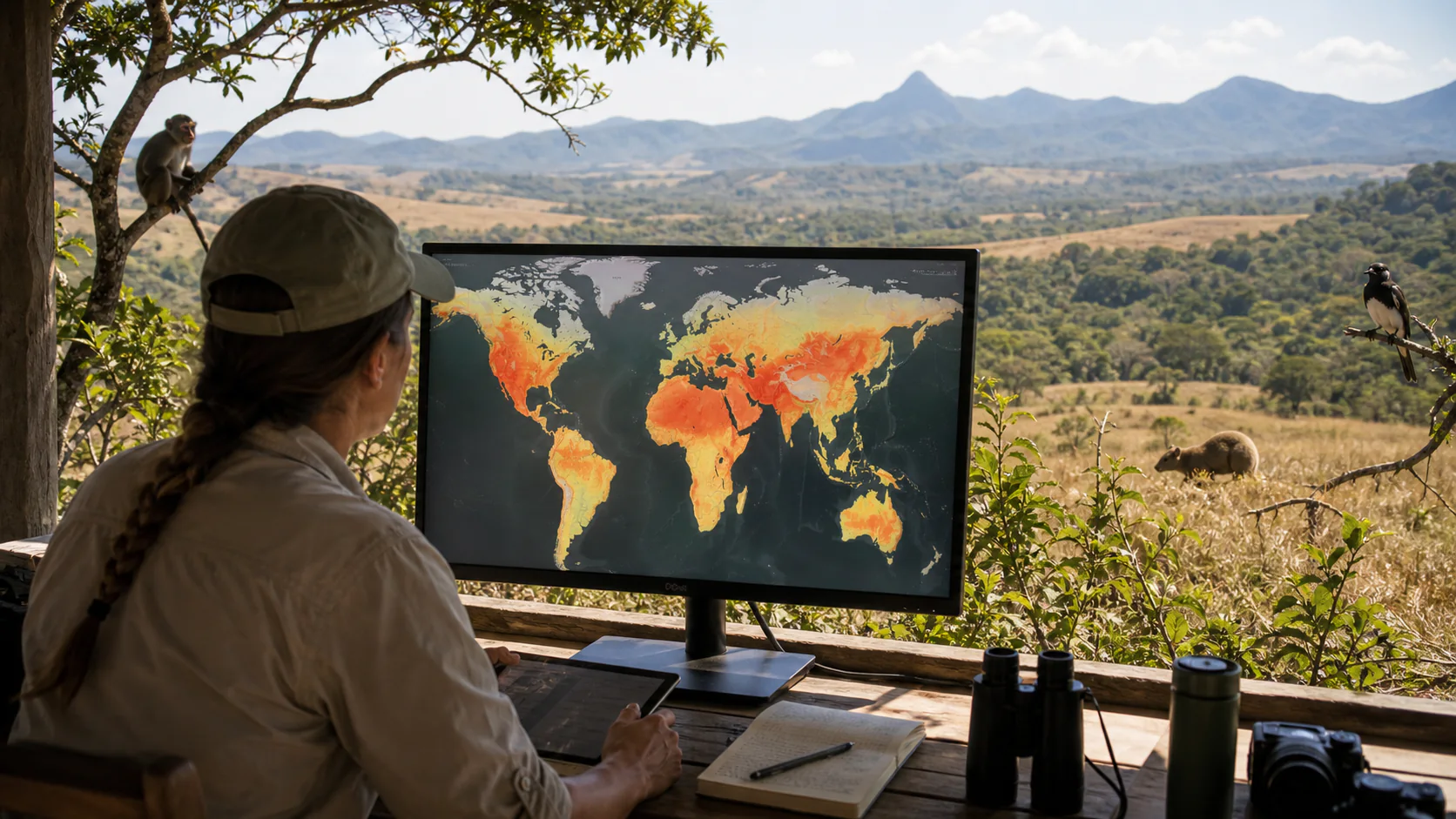
A conservation researcher reviews a seasonal heat-risk map at a field station while vertebrate wildlife remain in surrounding forest and grassland habitat.

Seasonal heat forecasts could give wildlife conservation an early warning

Researchers combined NASA seasonal forecasts with species-specific historical temperature limits for 30,585 land vertebrates. In a May 2024 retrospective test, the system flagged heat exposure for more than 3,500 species, including over 1,250 of conservation concern, typically one to two months ahead and in some regions three to five months ahead.

Original reporting: Nature Climate Change

Read the ACC brief
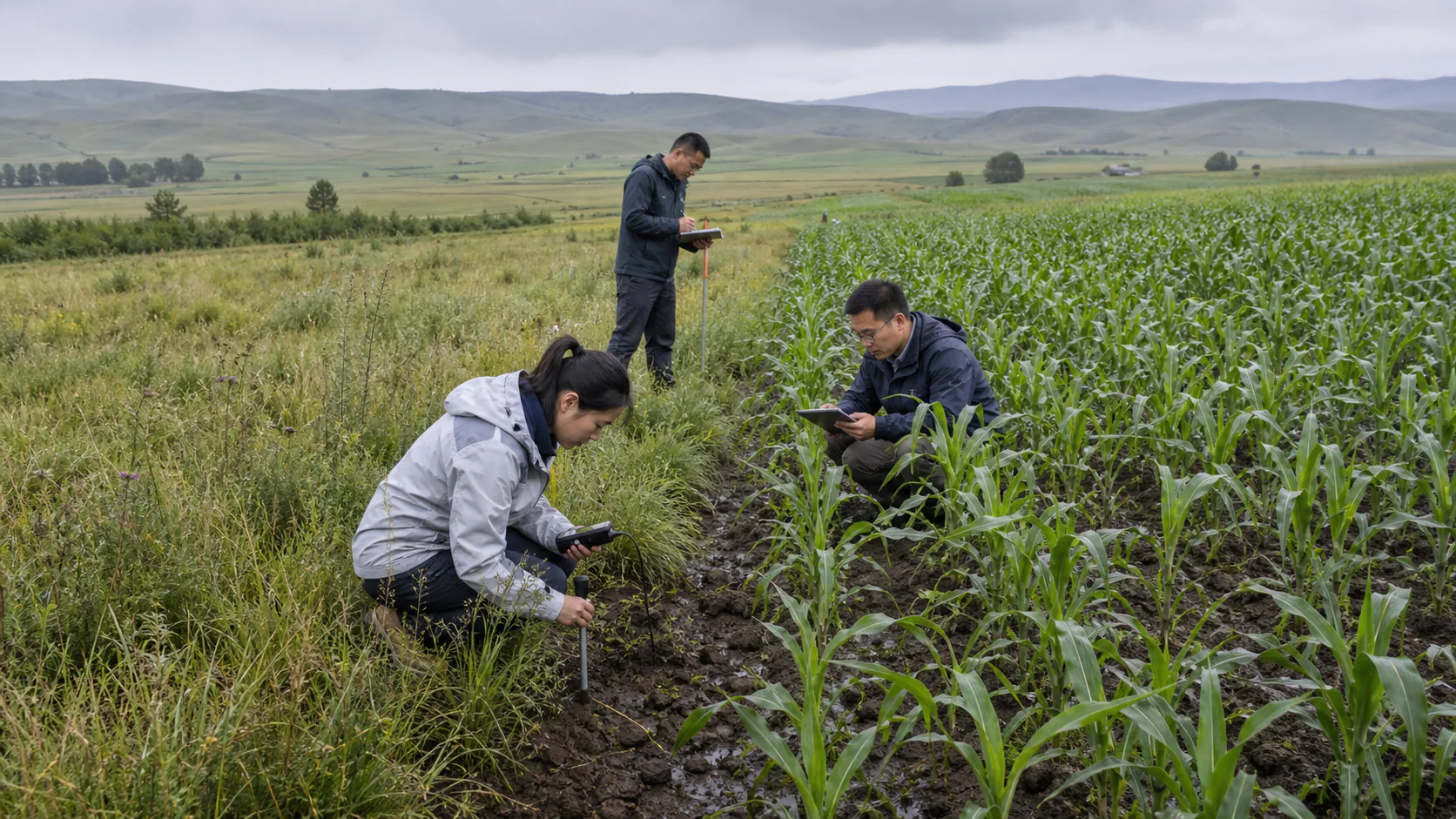
Field researchers measure soil and vegetation along the boundary between restored northern Chinese grassland and a working maize field after light rain.

Grassland restoration raised maize resilience in a northern China study

A peer-reviewed county-level study used a difference-in-differences design to evaluate China's Grassland Ecological Compensation Policy. Restored grasslands were associated with a 0.1 degree Celsius reduction in growing-season temperature and 11.48 millimeters more precipitation; the authors estimated a 7.76 percent maize-yield increase and a 25.9 percent reduction in crop-shortfall risk. The analysis is quasi-experimental, not randomized, and applies to the Northern Spring Maize Region.

Original reporting: Nature Climate Change

Read the ACC brief
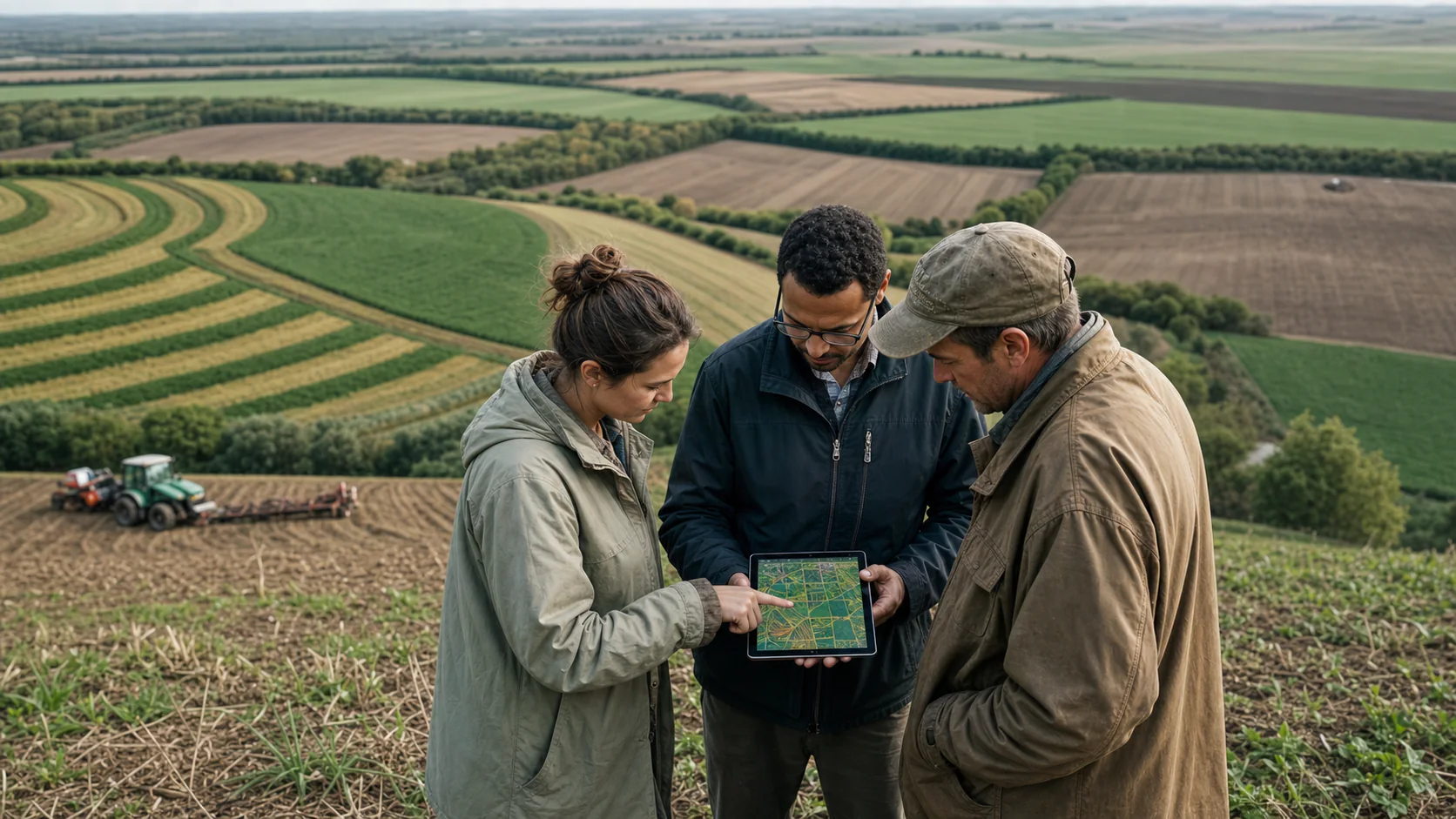
An agricultural researcher and farmer review cropland patterns on a tablet above a working landscape of contour strips, hedgerows, and fields.

Global analysis finds farm policy can improve cropland, unevenly

Researchers combined about 83 million satellite-based cropland-condition measurements from 2001 to 2019 with national policy histories, then used border and country-level quasi-experimental comparisons. The study estimated that additional agri-environmental policy was associated with roughly 2% better cropland condition near borders and about 1.5% across whole countries, while a dynamic analysis estimated an average improvement near 5% over two decades. Results varied from negligible to more than 20% among countries; policy counts are an imperfect measure of implementation strength, and this was not a randomized trial.

Original reporting: Nature Food

Read the ACC brief

Keep exploring

See the full climate newsroom.

Search every ACC news brief by date, source, region, or topic.

Browse the complete archive