Power and technology

Clean Energy & Power news and updates.

Solar, wind, storage, grids, efficiency, energy markets, and the policies shaping a cleaner and more reliable power system.

ACC News Briefs

Latest Clean Energy reporting.

Each brief identifies the original source and links to the reporting or evidence behind it.

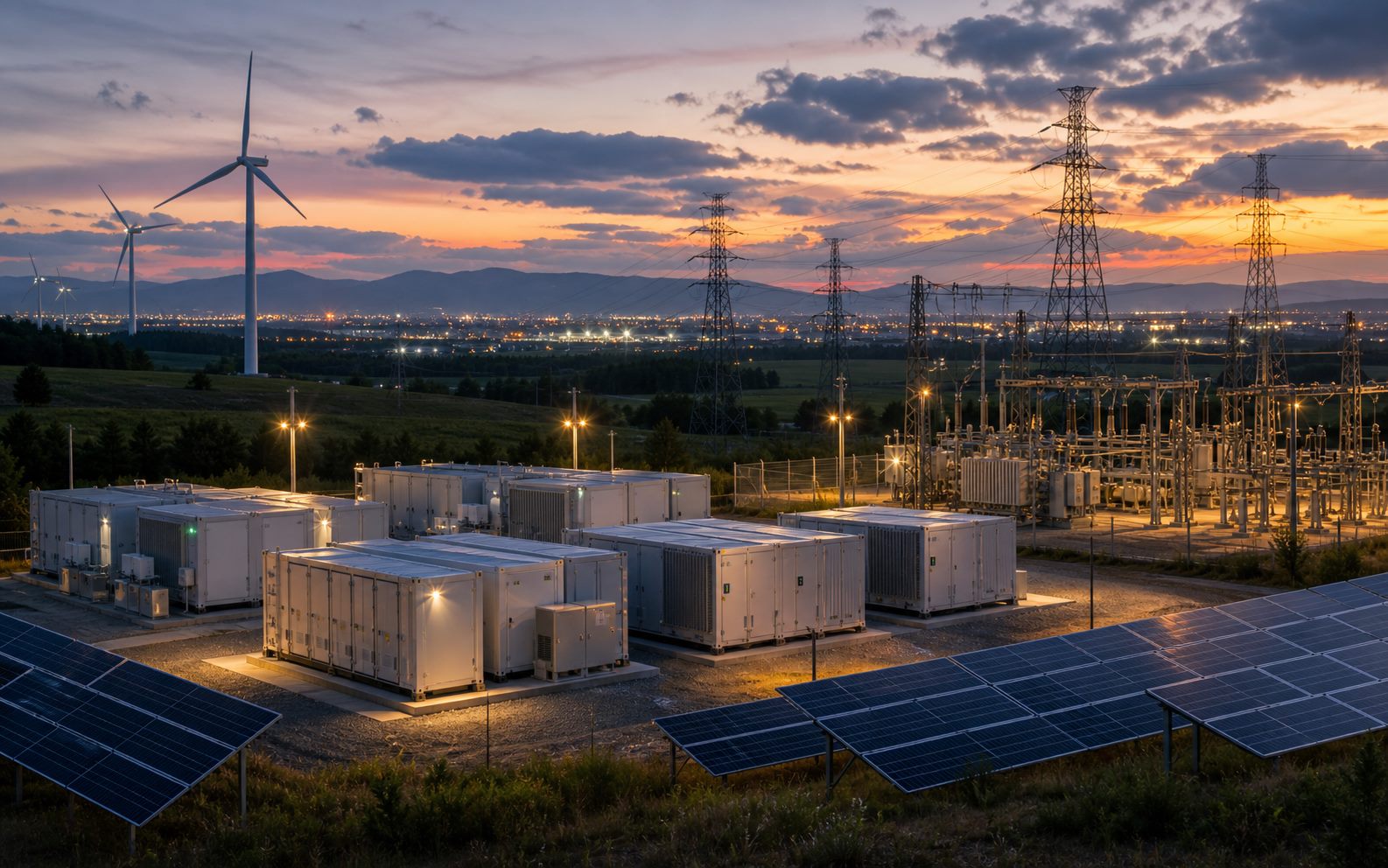
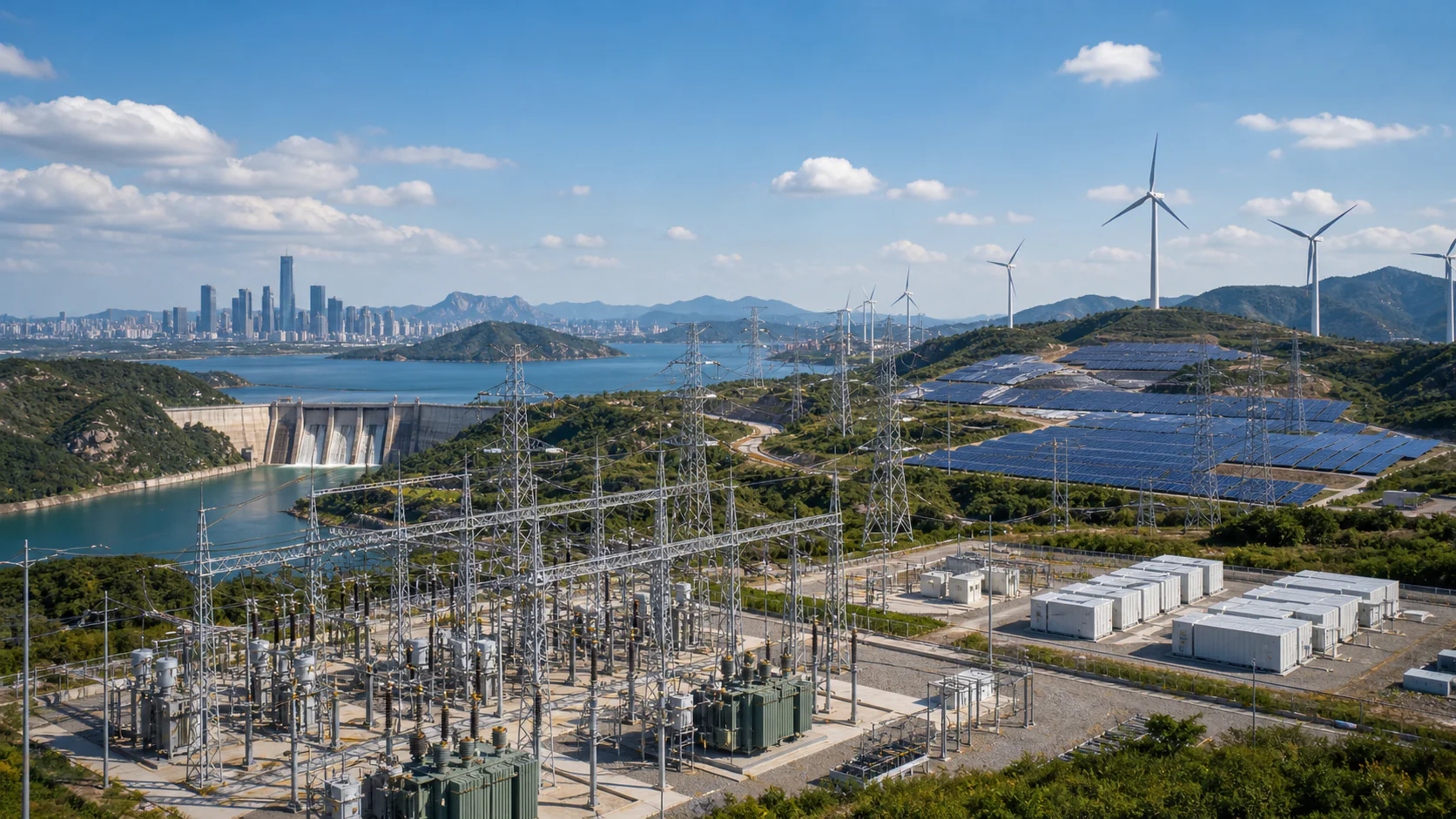
A modern power grid links a substation, battery storage, hydropower, solar panels, wind turbines, and a distant city.

Renewables are set to overtake coal as electricity demand accelerates

The International Energy Agency's Electricity Mid-Year Update 2026 projects global electricity demand growth of 3.6% in 2026 and 3.8% in 2027, driven by industry, air conditioning, electric vehicles, and data centers. The IEA says renewables are on track to overtake coal as the world's largest source of electricity in 2026, with solar generation alone growing by roughly 600 terawatt-hours that year. These are forecasts rather than guarantees; grid buildout, storage, fuel markets, and weather will shape the outcome.

Original reporting: International Energy Agency

Read the ACC brief
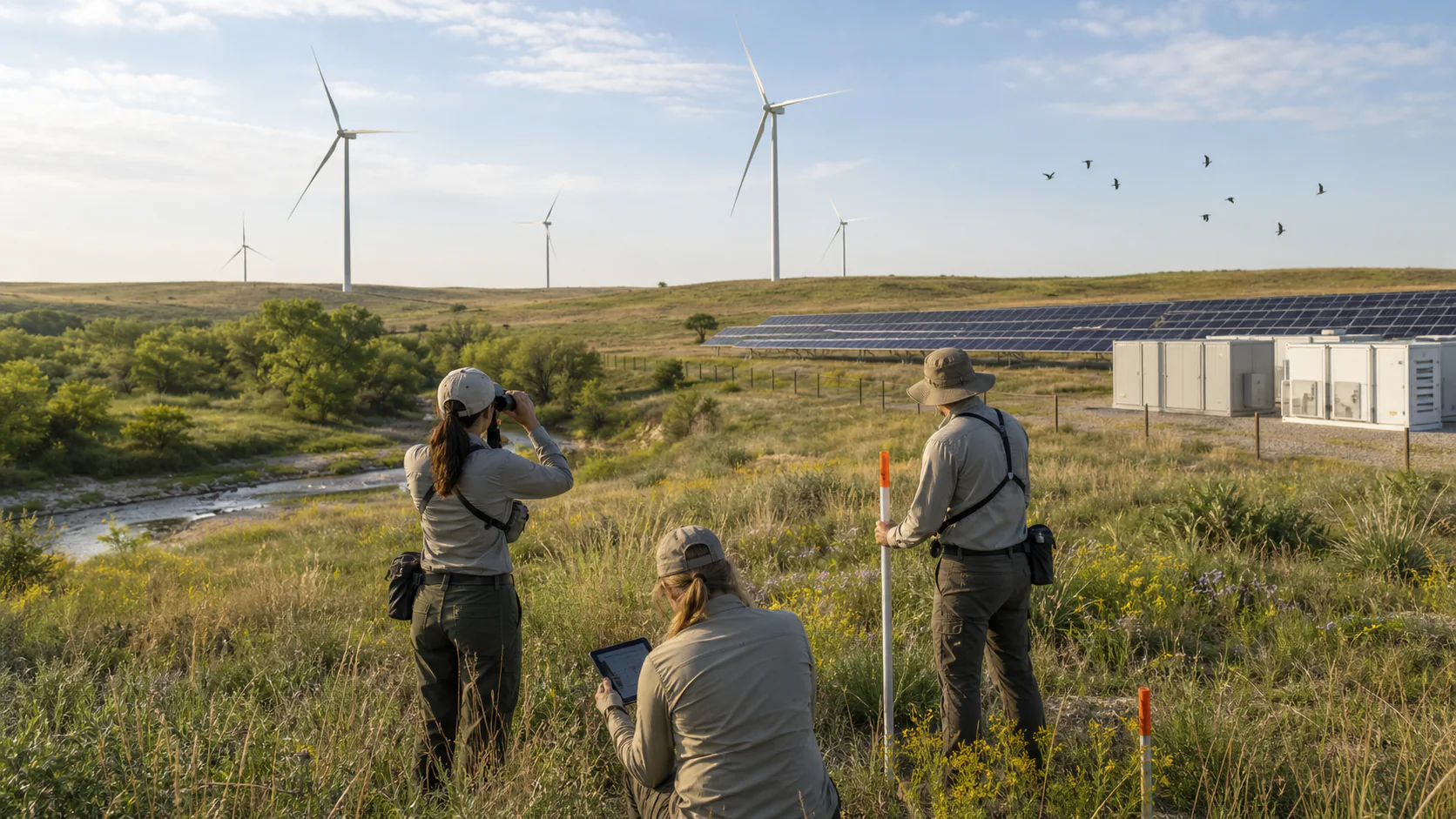
A field team surveys birds and native prairie near wind turbines, solar panels, battery storage, and a Texas creek corridor.

Texas report urges science-based renewable siting amid conservation fights

Inside Climate News examined how conservation arguments are being used in Texas efforts to restrict wind and solar development. The article highlights recommendations from Environment Texas Research & Policy Center and Frontier Group for clear, timely, science-based siting rules, more scrutiny for higher-risk sites, and greater use of lower-conflict locations such as rooftops and parking areas. ACC notes that the report comes from environmental advocacy organizations; its proposals should be weighed alongside independent wildlife science, landowner rights, grid needs, and meaningful local consultation.

Original reporting: Inside Climate News

Read the ACC brief
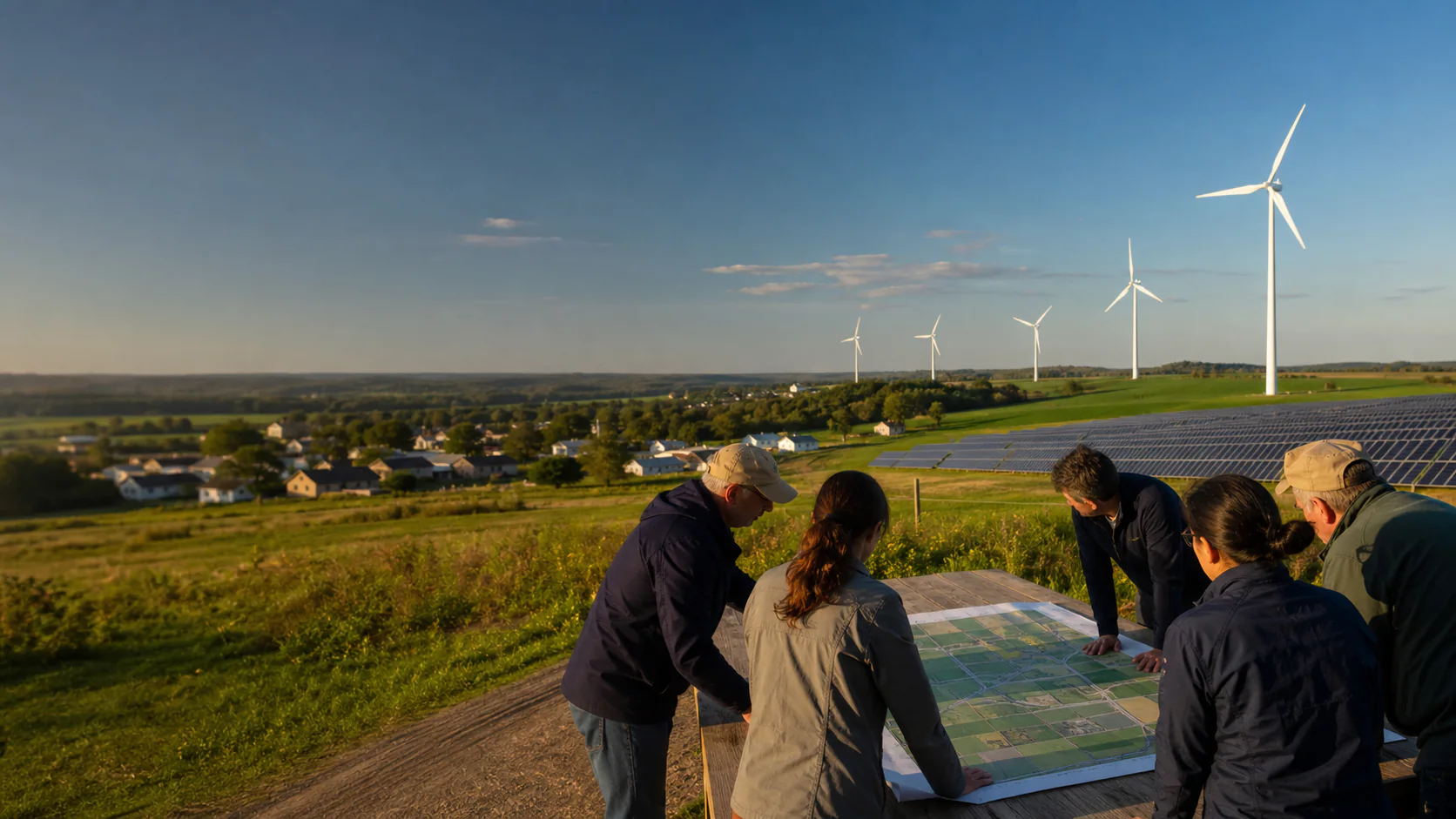
Community planners review a clean-energy siting map beside farmland, solar panels, and wind turbines.

State clean-energy siting bills turned less restrictive in 2026

Canary Media reported that state clean-energy permitting policy has become more balanced in 2026 than in 2025, citing Siting Solutions Project tracking of more than 200 bills in over 40 states. The article says only one of 86 restrictive solar, wind, and battery siting bills had become law so far, while several states passed policies meant to streamline or clarify project approvals. ACC notes the constraint: easier siting rules help only if they still respect community concerns and lead to actual projects being built.

Original reporting: Canary Media

Read the ACC brief
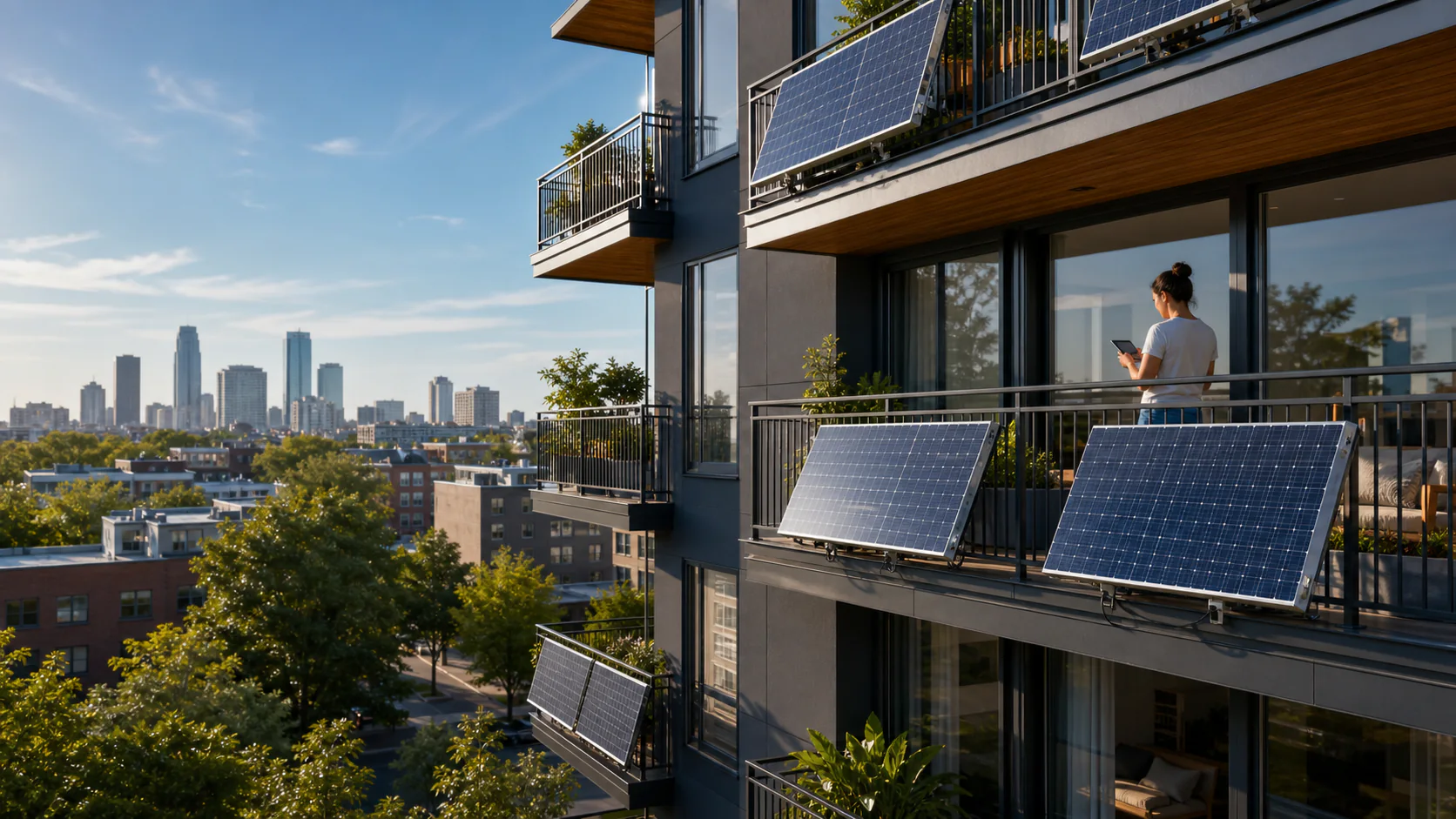
Balcony-mounted solar panels line a modern U.S. apartment building in bright morning light.

Balcony solar is moving from curiosity to U.S. consumer market

Canary Media reported that balcony solar is gaining U.S. attention as consumer interest grows and state legislators consider rules for plug-in solar. The article focuses on who is actually selling the equipment and how the market is still early compared with Europe. ACC frames the story as practical clean-energy access: small systems can help renters and apartment residents participate, but policy, safety rules, interconnection standards, and truthful savings claims still matter.

Original reporting: Canary Media

Read the ACC brief
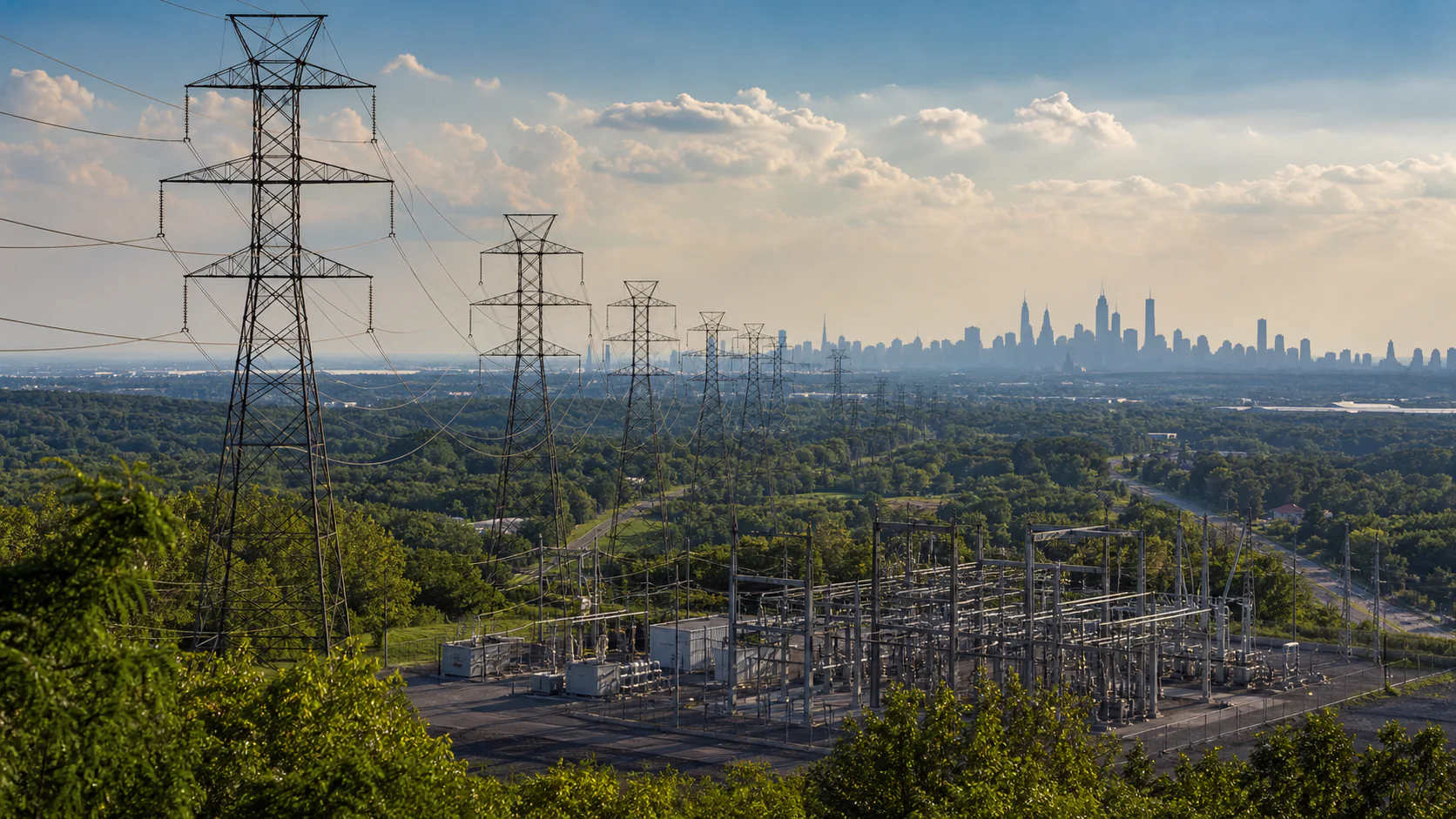
Representative high-voltage transmission towers and a substation extend toward a distant New York skyline during a hot summer afternoon.

New York-Canada transmission supported the grid during July heat

The U.S. Energy Information Administration reported that New York imported 52 gigawatthours of electricity from Canada on July 3, the highest daily trade between the two areas since January 2025, as a heat wave pushed New York's peak load to 31,097 megawatts on July 2. Canadian imports supplied 9% of New York demand on July 3, and EIA said the new 1,250-megawatt Champlain Hudson Power Express was fully used that day. The line also experienced outages in June and July, while drought can constrain Canadian hydropower, so this was a useful resilience test rather than proof of uninterrupted supply.

Original reporting: U.S. Energy Information Administration

Read the ACC brief
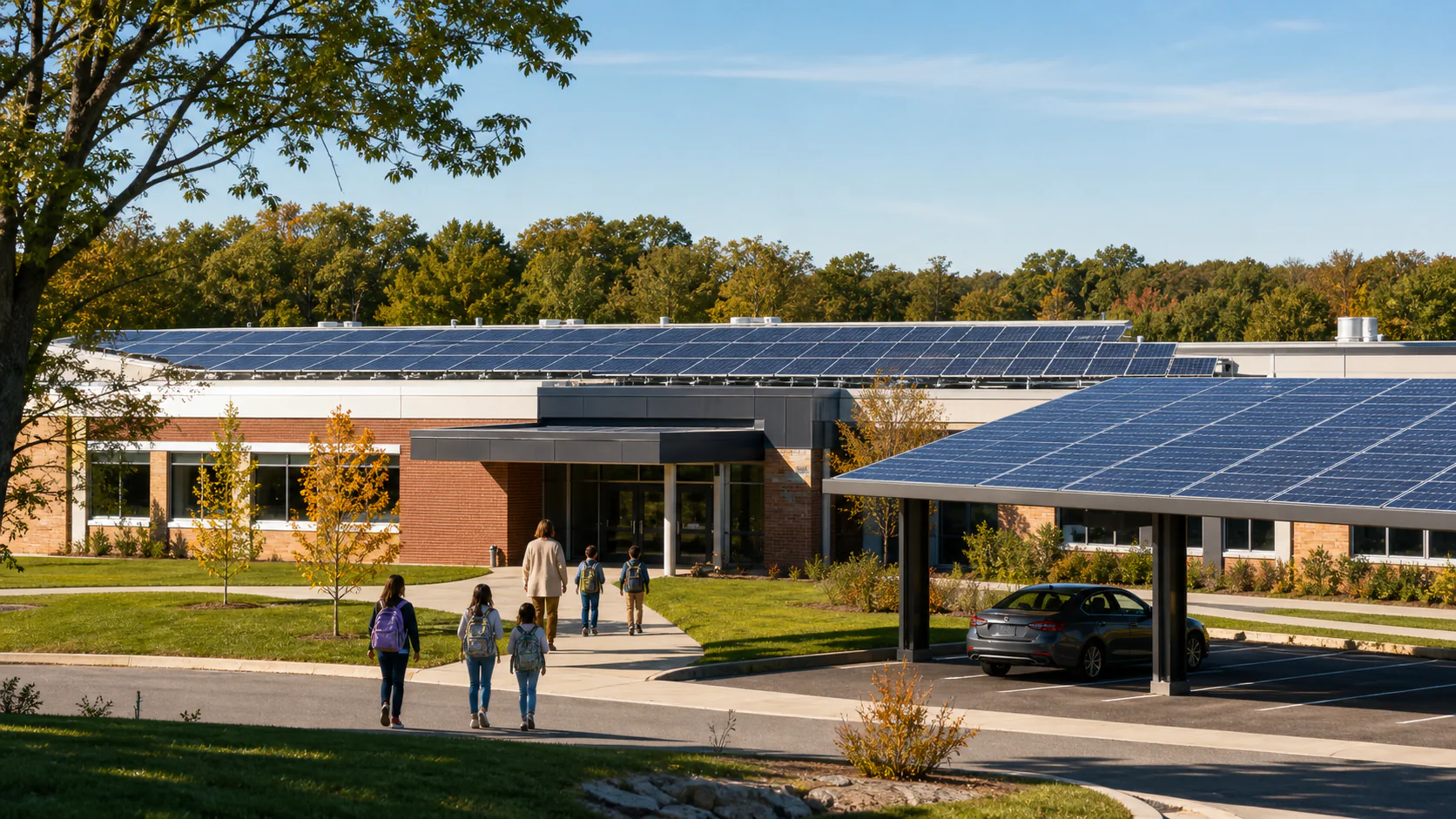
Students and a teacher walk toward a representative Pennsylvania public school with operating rooftop solar panels and a solar-panel carport on a clear morning.

Pennsylvania renews $25 million Solar for Schools fund

Pennsylvania's enacted 2026-27 budget includes $25 million for Solar for Schools, renewing a state grant program that helps eligible public education institutions pay for solar projects. The state reported in May that the program had already invested $23.15 million across 78 schools. The new appropriation is real funding for another round, not evidence that new panels are already installed, so the next proof points will be awards, construction, energy output, and verified savings.

Original reporting: Pennsylvania Capital-Star

Read the ACC brief
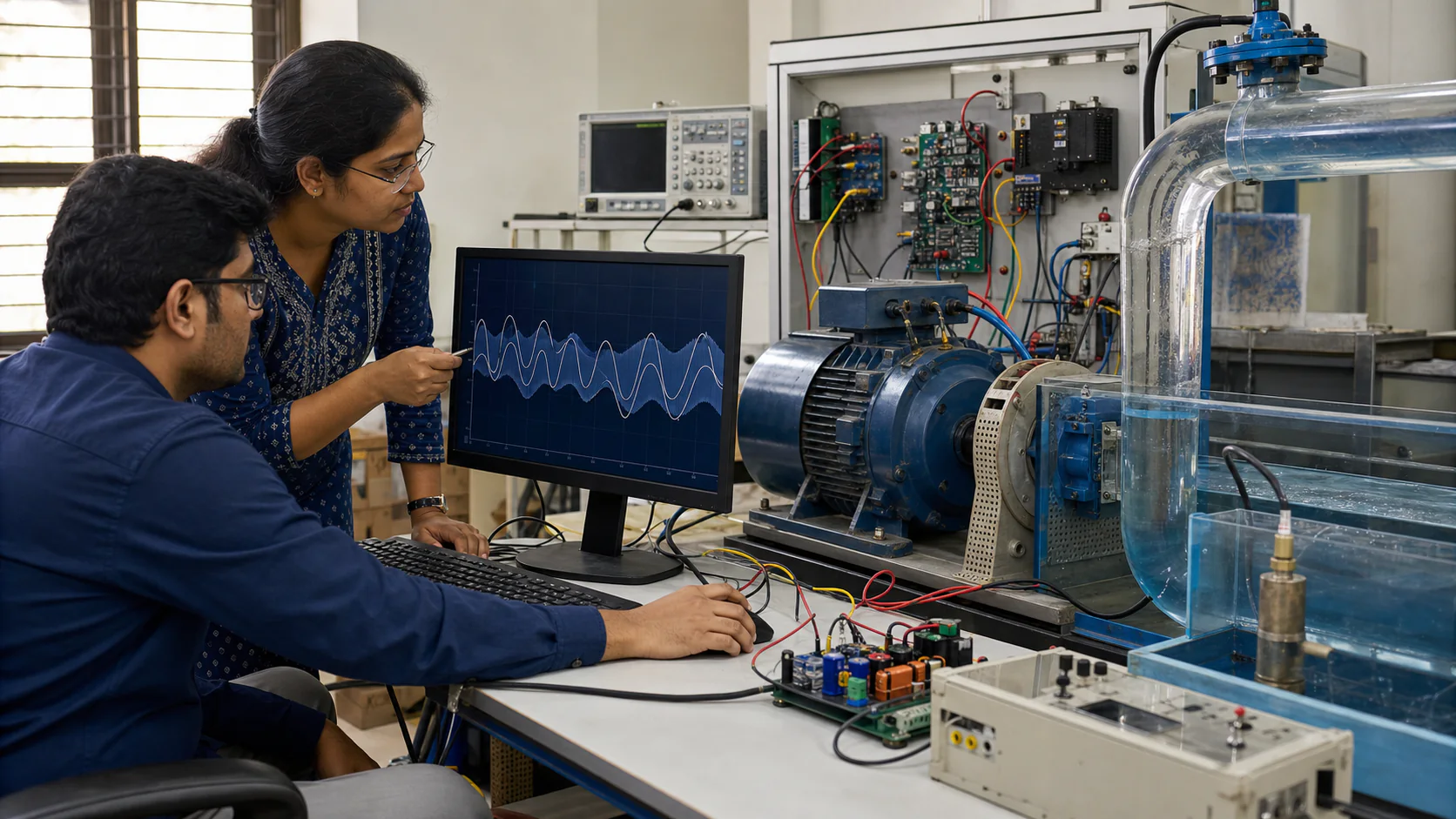
Two electrical researchers study predicted voltage waveforms beside a compact laboratory micro-hydro generator, electronic controller, sensors, and water-flow test loop.

Lab model predicts voltage swings in off-grid micro-hydro systems

A peer-reviewed study gathered real-time data from a 2.2-kilowatt, 415-volt laboratory generator and electronic load controller designed to represent an off-grid micro-hydro system. A stacking ensemble using load power, dump power, and switching events reported an R-squared value of 0.997 for predicting point-of-common-coupling voltage during sudden load changes. This is prediction on one laboratory apparatus?not evidence of better voltage regulation, reliability, or energy access in an operating rural microgrid.

Original reporting: Scientific Reports

Read the ACC brief
Grid planners compare candidate battery locations on a network display beside quantum-computing research hardware, a substation, and utility battery containers.

Hybrid quantum-classical method tests where grid batteries should go

An Oak Ridge National Laboratory and IonQ team described a two-stage planning method in Scientific Reports. Quantum sampling screens possible battery-storage locations, then classical convex optimization sizes and operates selected systems under network constraints. Tests on IonQ Forte matched industry-standard classical solvers at grid-standard accuracy, while the authors said current quantum-hardware latency still limits practical performance.

Original reporting: Scientific Reports

Read the ACC brief
Researchers monitor a glowing high-temperature solid oxide electrolysis test cell with ceramic components and gas lines in a clean-energy laboratory.

Single-atom catalyst improves high-temperature CO2 electrolysis in a lab cell

Nature Communications researchers reported a strong metal-support interaction that kept high-valent iridium single atoms stable on a lanthanum-strontium-ferrite cathode in a solid oxide electrolysis cell. In laboratory tests, the modified cathode increased CO2-to-CO current density by 80.8% versus the unmodified material, reached 3.02 A/cm2 at 800 C and 1.5 V, and maintained nearly 100% Faradaic efficiency with stability beyond 600 hours.

Original reporting: Nature Communications

Read the ACC brief
An LNG terminal and tanker infrastructure illustrate record global liquefied natural gas trade.

Global LNG trade reached a record high in 2025

The U. S. Energy Information Administration reported that global LNG trade rose 5. 4 percent to a record 56. 3 billion cubic feet per day in 2025, driven largely by expanding U. S. export capacity, while 2026 flows have been disrupted by the Strait of Hormuz closure.

Original reporting: U.S. Energy Information Administration

Read the ACC brief
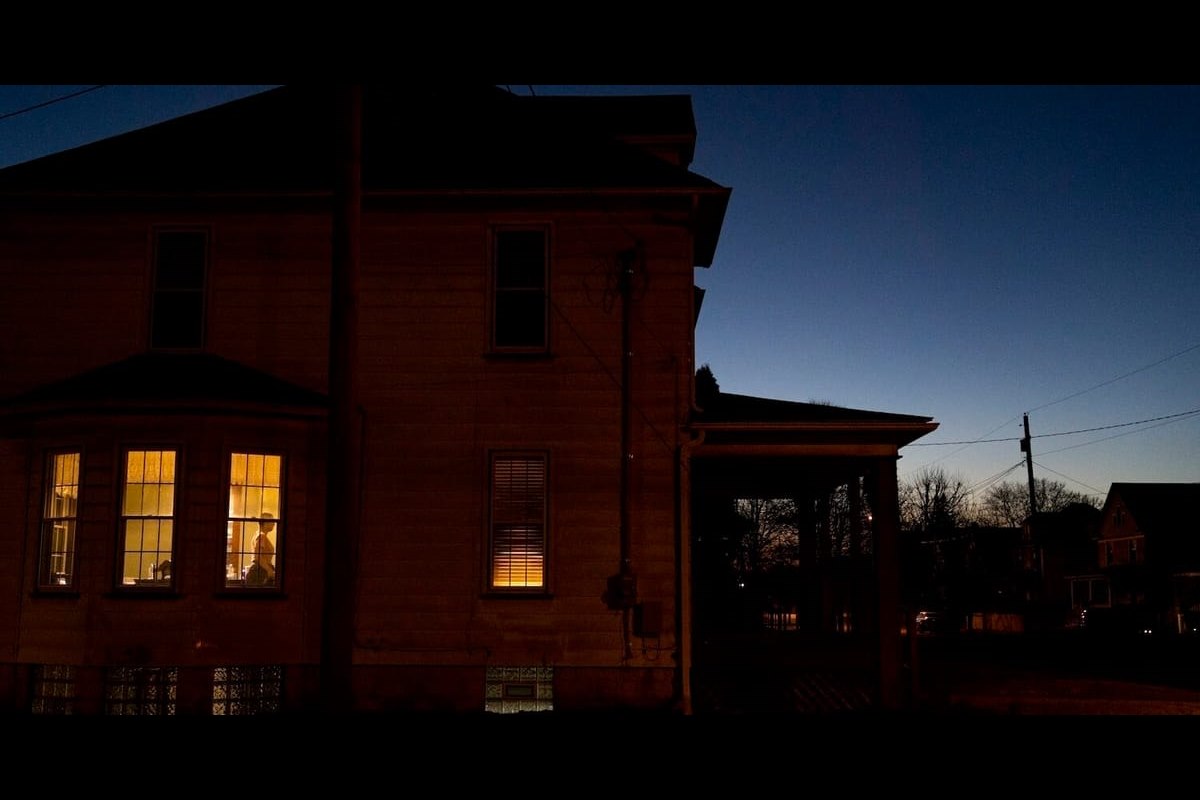
An Ohio neighborhood and electric meter convey household power shutoff and energy-affordability risk.

Ohio power shutoffs rise as energy costs strain households

Canary Media reported that Ohio utility filings show an average 7. 7 percent of regulated electric-utility customers had power shut off for past-due bills in the latest reporting year, with nearly 345,000 disconnections and larger unpaid balances than the year before.

Original reporting: Canary Media

Read the ACC brief
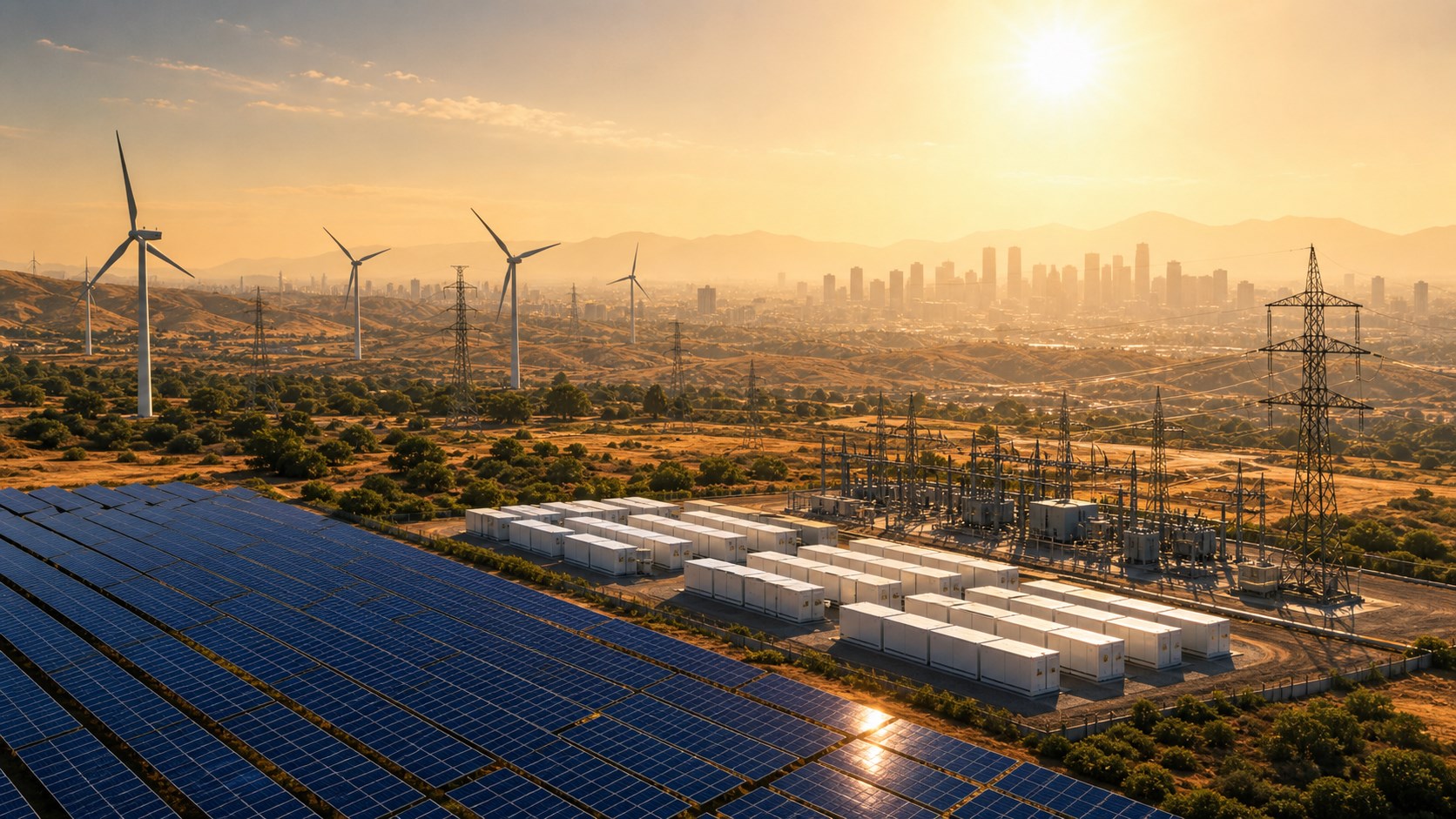
Solar panels, wind turbines, batteries, and transmission support a city during extreme heat.

Clean energy helped grids withstand a major heat-wave test

Canary Media reported that U. S. grids leaned on recent clean-energy additions during last week's heat wave, with solar helping Texas meet a July peak-demand record, offshore wind supporting New England, and hydropower imports helping some regions.

Original reporting: Canary Media

Read the ACC brief
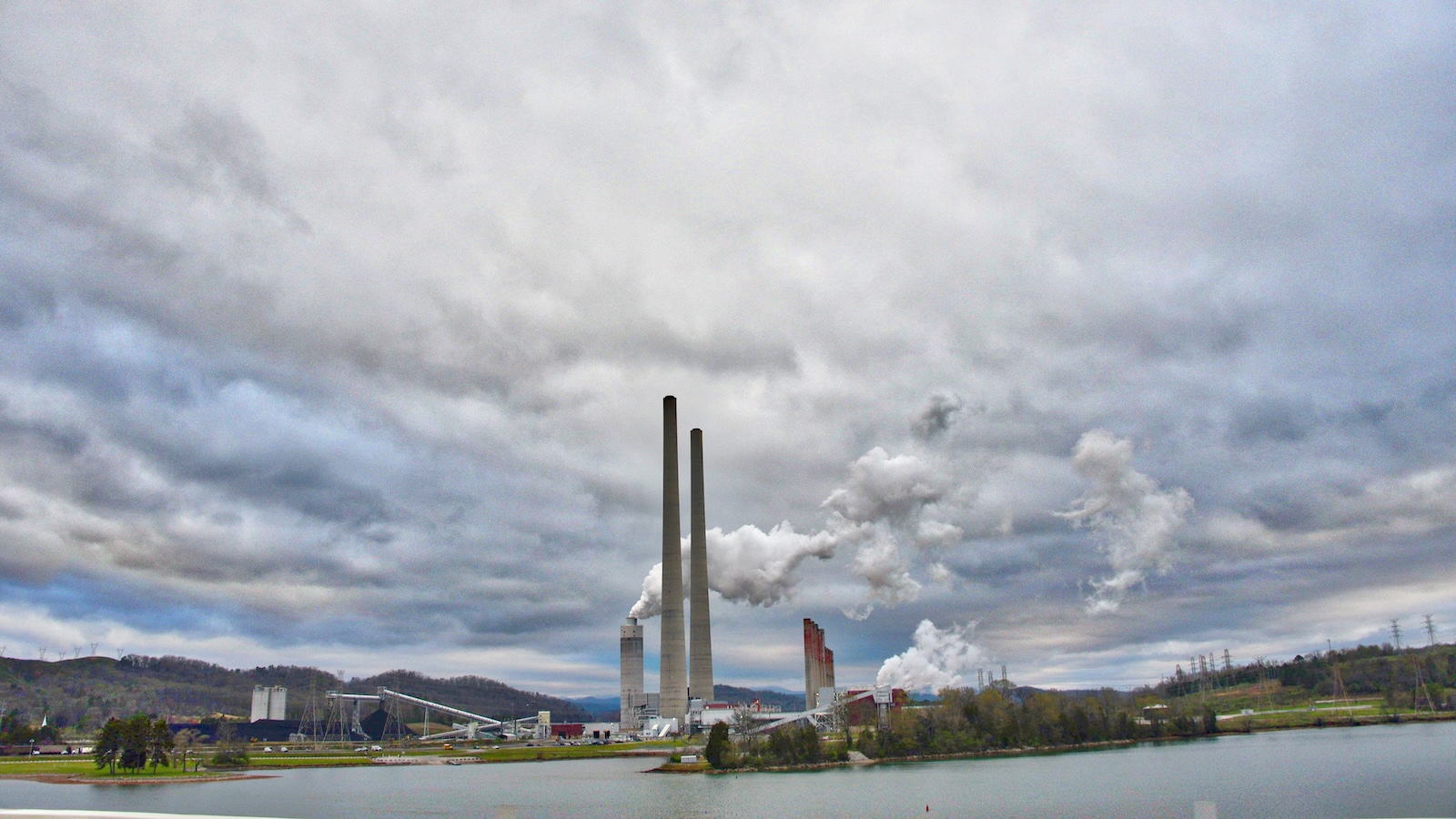
TVA coal-fired power plant beneath a cloudy sky.

TVA plan leans toward coal, gas, and nuclear

Grist reported that the Tennessee Valley Authority's revised energy planning is moving away from a faster wind and solar buildout and toward keeping fossil plants running while adding gas and nuclear capacity.

Original reporting: Grist

Read the ACC brief
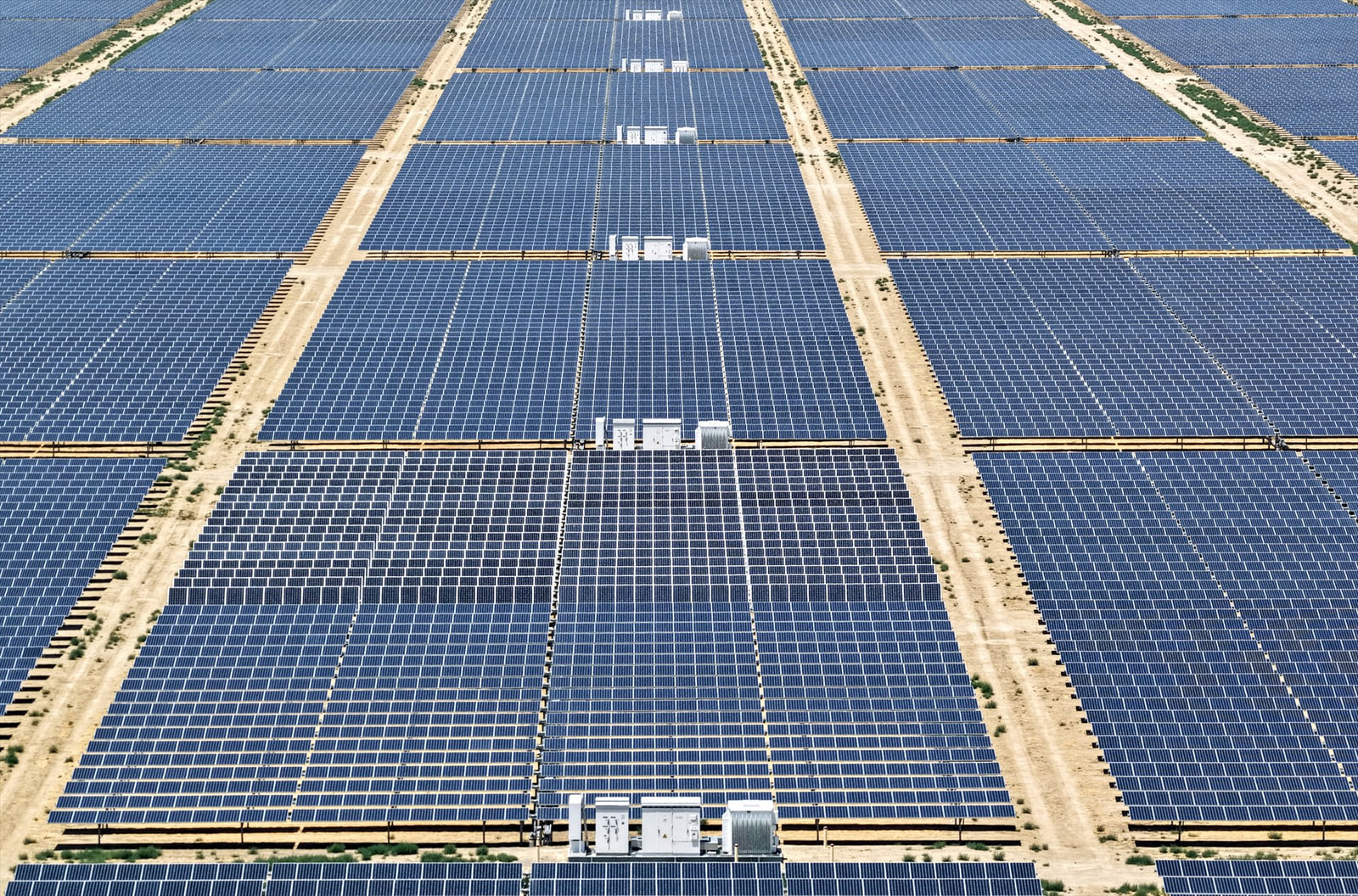
Aerial view of a large utility-scale solar farm in California.

Utility-scale solar keeps growing despite policy headwinds

Inside Climate News reported that U. S. utility-scale solar remains on a strong growth path even with tariffs and changing tax-credit rules, because projects are relatively quick to build and low-cost power is valuable as electricity demand rises.

Original reporting: Inside Climate News

Read the ACC brief
Liquefied natural gas carrier at sea.

IEA sees global gas demand contracting in 2026

The International Energy Agency said global natural gas demand is expected to fall by 0. 5 percent this year as tight supply, elevated prices, and disruptions to LNG trade weigh on power and industrial use.

Original reporting: International Energy Agency

Read the ACC brief
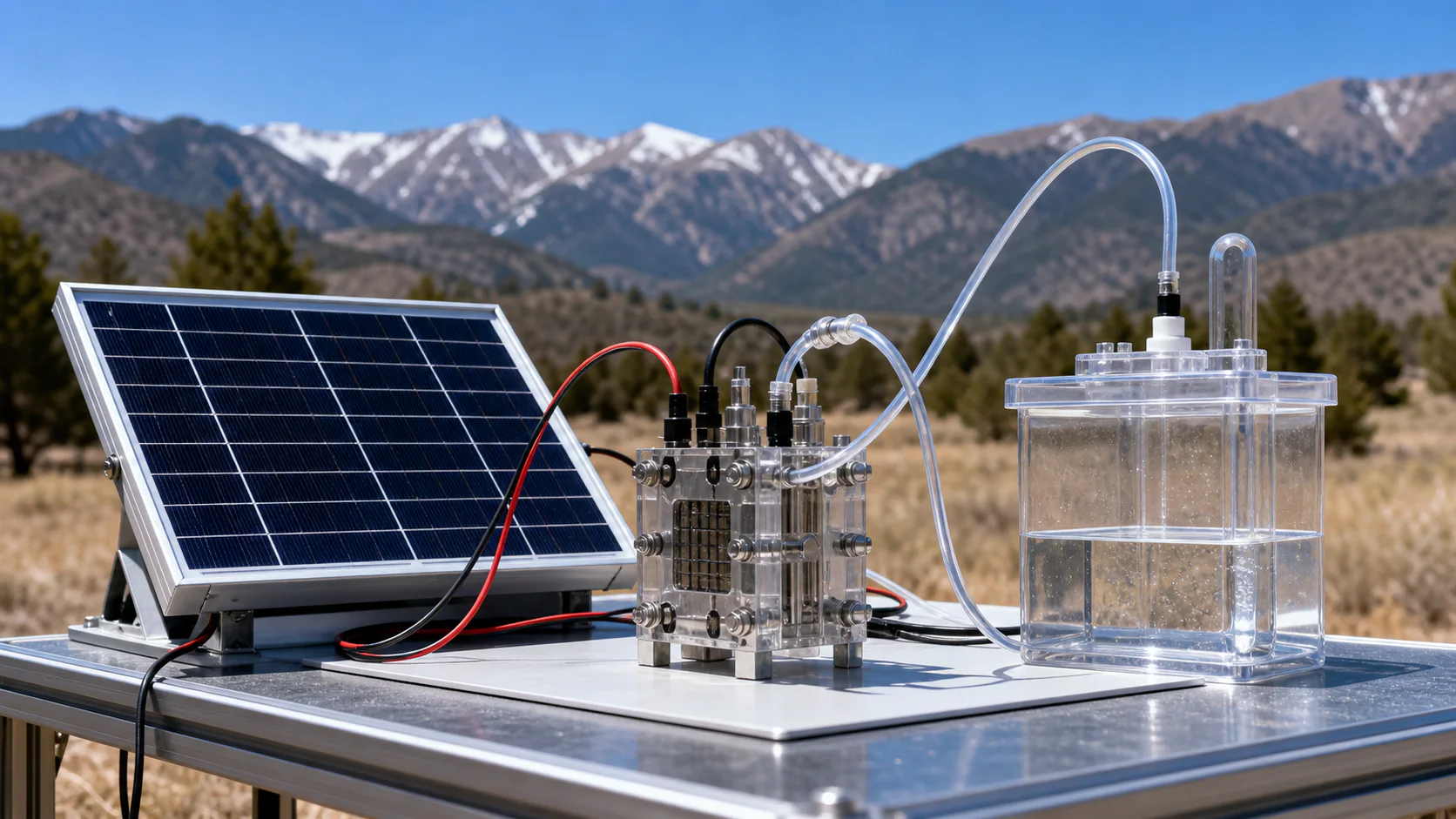
A small outdoor research rig pairs a silicon solar mini-module with a transparent water-fed electrolyzer and reservoir against Colorado foothills.

Solar-powered hydrogen prototype completes an 11-day outdoor test

Researchers at the National Laboratory of the Rockies directly coupled an 84-square-centimeter commercial silicon mini-module to a water-fed anion-exchange-membrane electrolyzer and tested the system outdoors for 11 days. The best configuration averaged 6.6 percent solar-to-hydrogen efficiency, with minimal measured corrosion and no efficiency loss across the observed day-night cycles; the authors present this as a proof of concept, not commercial hydrogen production.

Original reporting: ACS Applied Energy Materials

Read the ACC brief
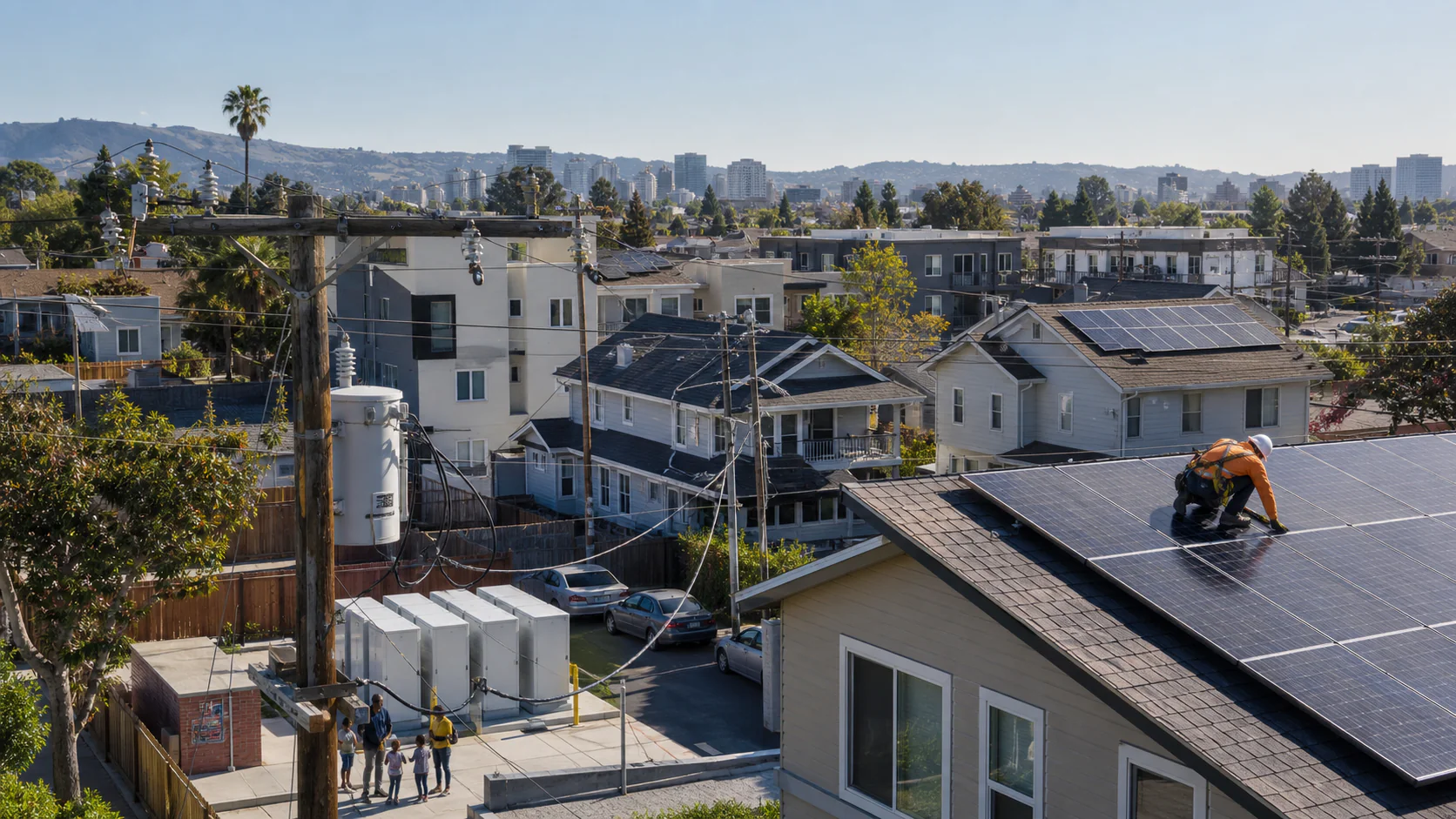
A technician works on neighborhood rooftop solar beside distribution poles, transformers, apartment buildings, and community battery cabinets.

Rooftop solar's real-world potential depends on grids, finance and access

A peer-reviewed review finds that physically available rooftops could technically generate more than half of current global electricity demand, but estimates vary widely with mapping methods, data resolution, building inventories, and assumptions. The financially viable and grid-connectable shares are much smaller and remain poorly quantified, so the headline describes a technical resource rather than likely generation or installed capacity.

Original reporting: Nature Reviews Clean Technology

Read the ACC brief
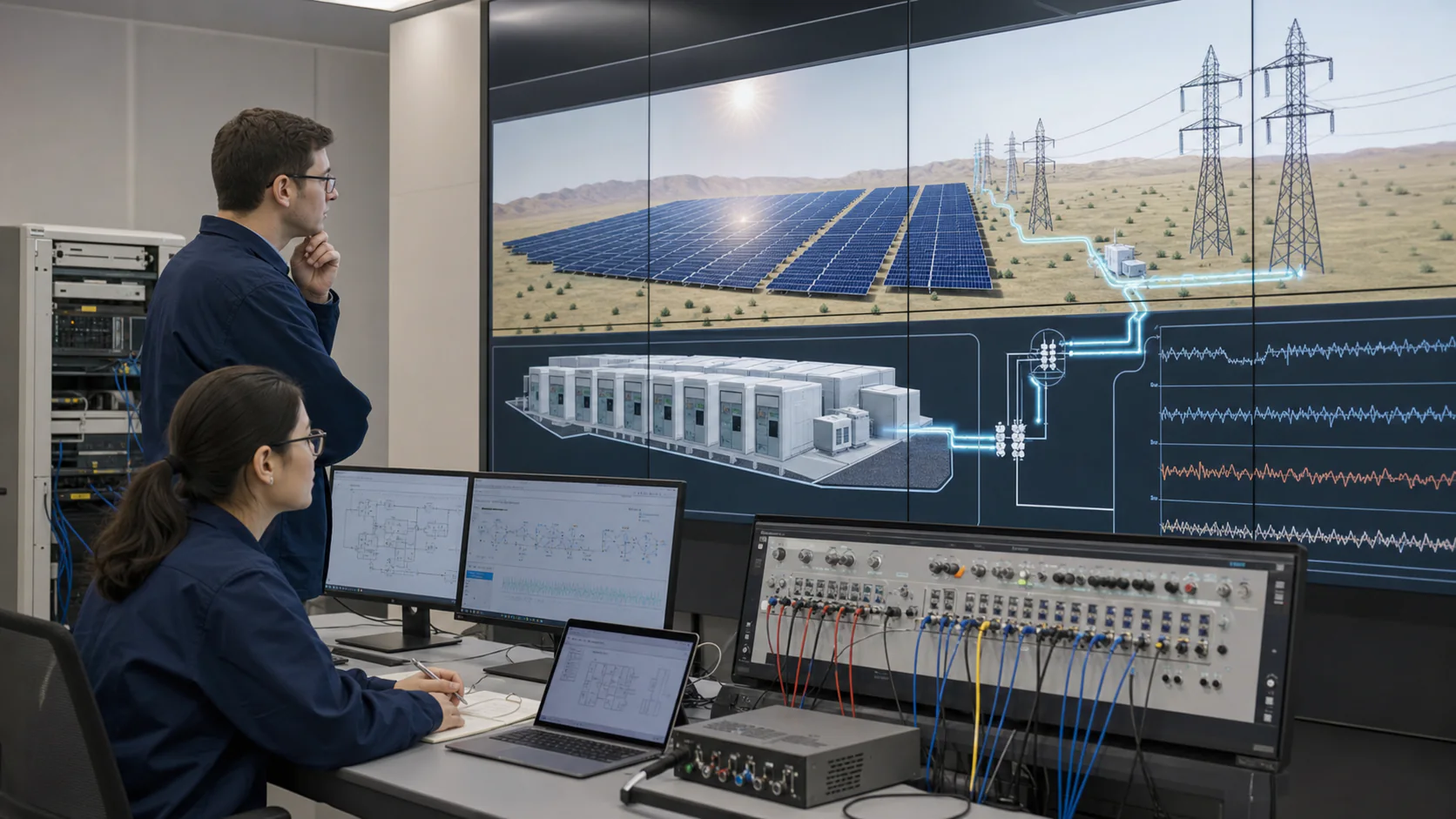
Engineers use a laboratory console and digital twin to test a modeled solar plant, battery system, transmission grid, and disturbance traces.

Grid-forming battery controls stabilize a simulated solar plant

A peer-reviewed time-domain simulation paired a 100-megawatt solar plant with a 35-megawatt, 60-megawatt-hour battery and tested grid-forming controls during solar fluctuations, load steps, outages, faults, and changes in grid strength. The modeled battery supplied fast active and reactive power, reduced voltage sag, and met the study's IEEE 2800 ride-through tests across the evaluated scenarios.

Original reporting: Scientific Reports

Read the ACC brief
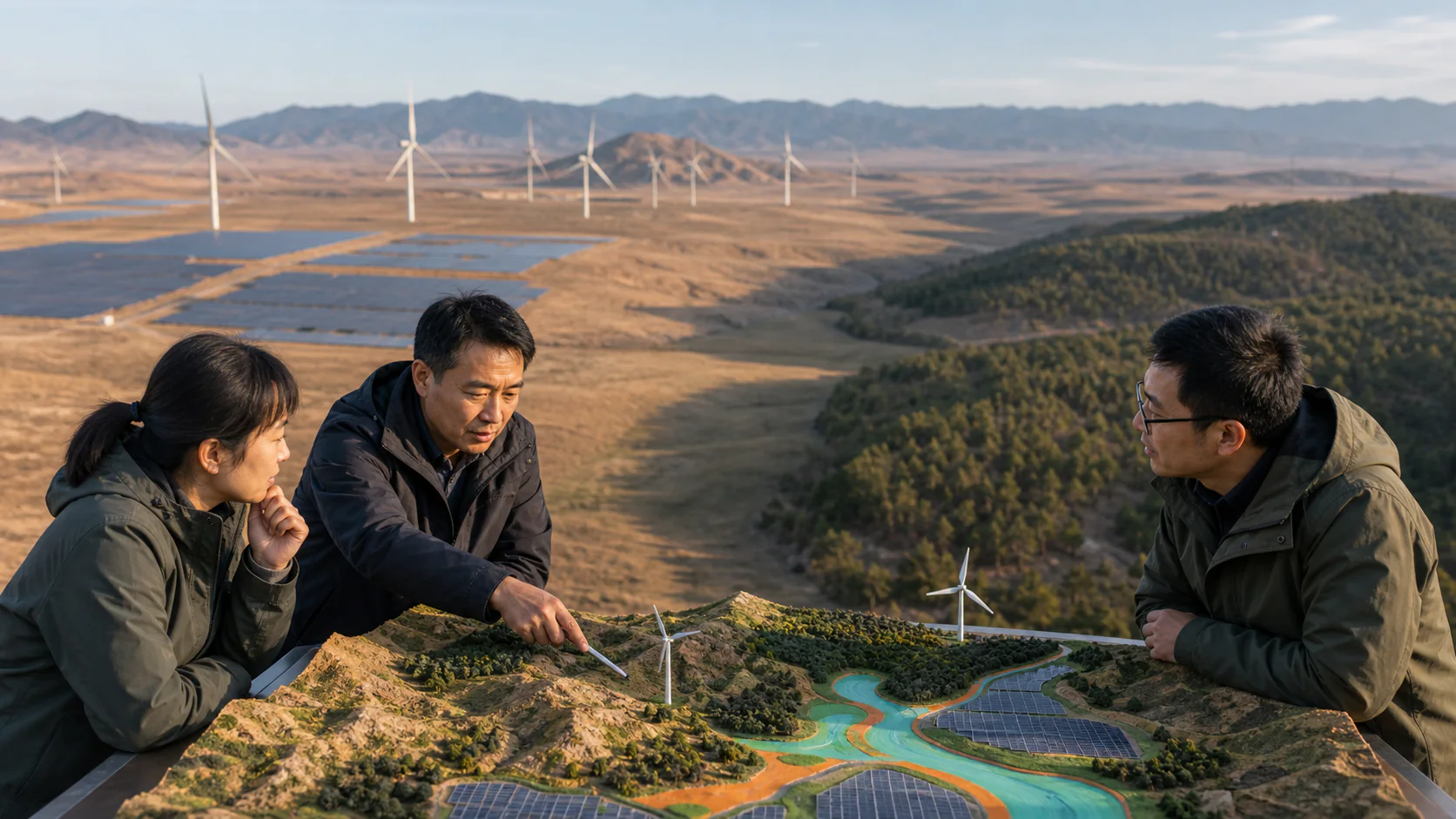
Energy and conservation planners compare a terrain model with wind and solar development beside a preserved corridor between dry and forested habitats in China.

Renewable planning scale changes which habitats face pressure

Researchers modeled Chinese wind and solar expansion through 2060 under national and provincial planning scenarios. National siting produced 4 to 7 percent less conflict with species-richness priorities and overlapped 11 to 33 percent fewer species on average, but it created greater modeled conflicts with functional diversity and open or dry biomes. The results are planning scenarios, not observed project impacts, and neither governance scale protected every biodiversity measure.

Original reporting: Nature Ecology & Evolution

Read the ACC brief
Gloved researchers inspect a small tandem solar test cell on a precision bench in a daylight-filled materials laboratory operating in ordinary room air.

Ambient processing clears a tandem-solar manufacturing hurdle

A peer-reviewed laboratory study developed a three-part molecular contact that let small perovskite cells and perovskite-silicon tandems be fabricated in ordinary ambient conditions. A one-square-centimeter wide-bandgap cell reached 21.20 percent efficiency, and the ambient-fabricated tandem reached 31.72 percent, with 31.36 percent independently certified. These are research cells, not commercial modules or field deployments.

Original reporting: Nature Photonics

Read the ACC brief
Maritime analysts study a port model above a working container terminal while considering whole-lifecycle fuel and infrastructure choices.

Shipping policy can shift pollution upstream unless it counts whole fuel lifecycles

A peer-reviewed sector-coupled model evaluated six global shipping-policy designs across ten regions and eight ship segments, then applied life-cycle impact accounting. It found that a levy plus fuel-intensity standard accelerated modeled low-carbon fuel adoption, while exhaust-only pricing could favor grey ammonia and shift methane, land, mineral, and pollution burdens upstream. The results are long-term cost-optimization scenarios under SSP2?not a forecast or proof that an ammonia network is operating.

Original reporting: Nature Energy

Read the ACC brief
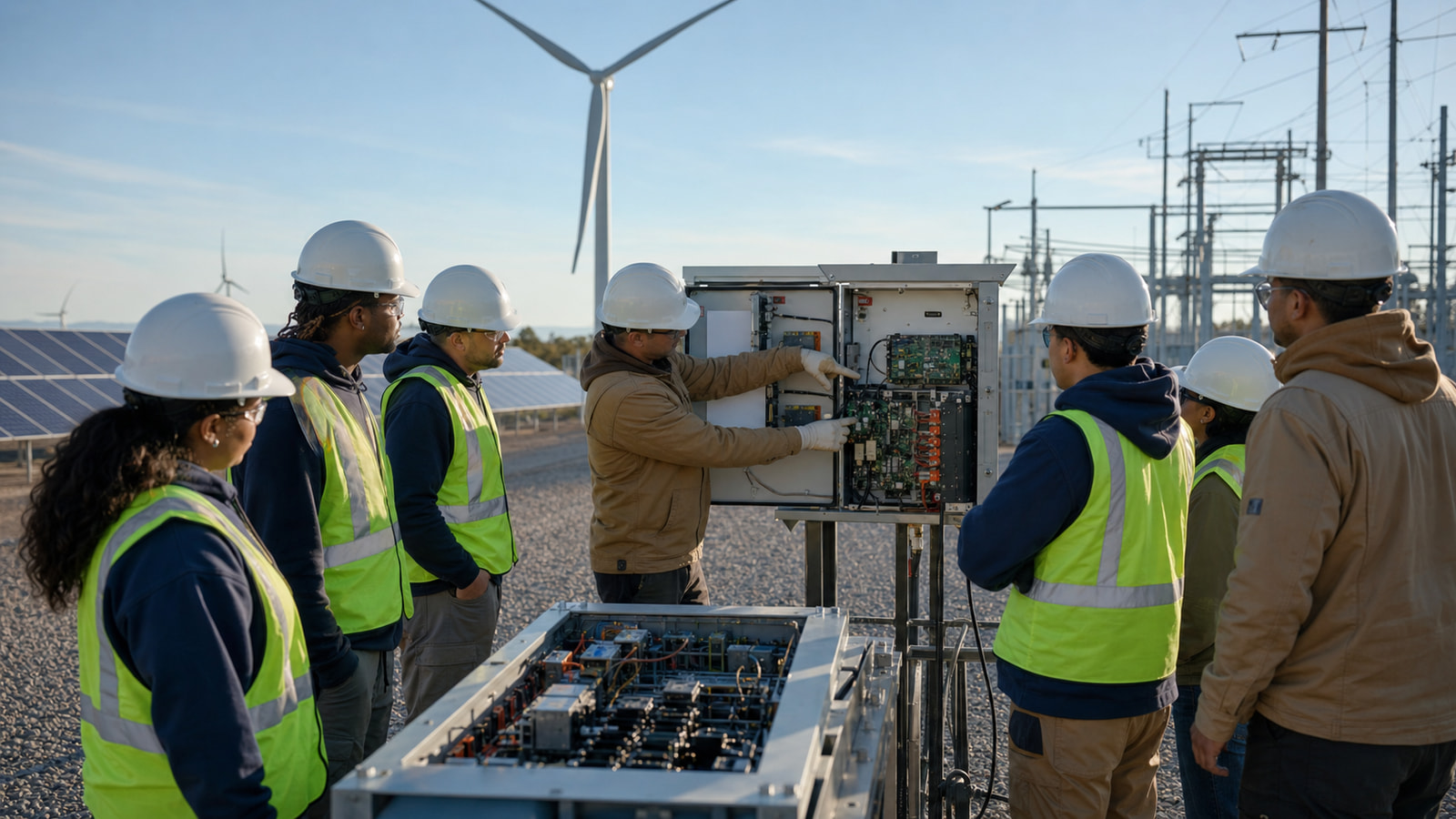
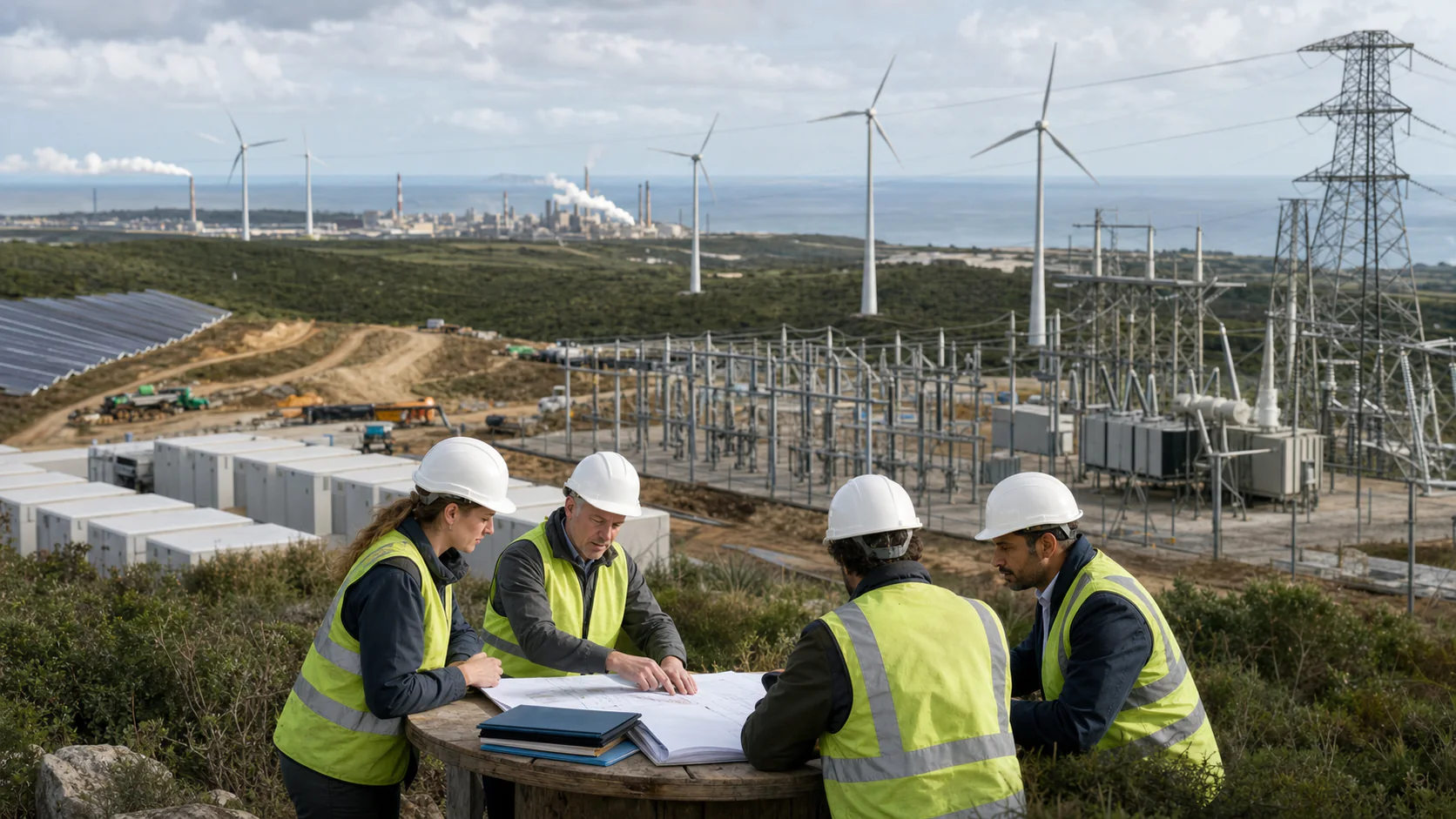
Engineers review construction plans above a new substation, battery storage, wind and solar infrastructure, with fossil facilities in the distance.

IEA projects clean-energy investment at nearly twice fossil spending

The International Energy Agency's first full-year estimate puts global 2026 energy investment at $3.4 trillion: about $2.2 trillion for renewables, grids, storage, nuclear, low-emissions fuels, efficiency, and electrification, versus $1.2 trillion for oil, gas, and coal. It projects roughly $665 billion in renewable power, nearly $550 billion for grids, and more than $100 billion for battery storage, while natural-gas and coal investment remain substantial. These are capital-spending estimates and projections, not commissioned capacity or guaranteed emissions cuts.

Original reporting: International Energy Agency

Read the ACC brief
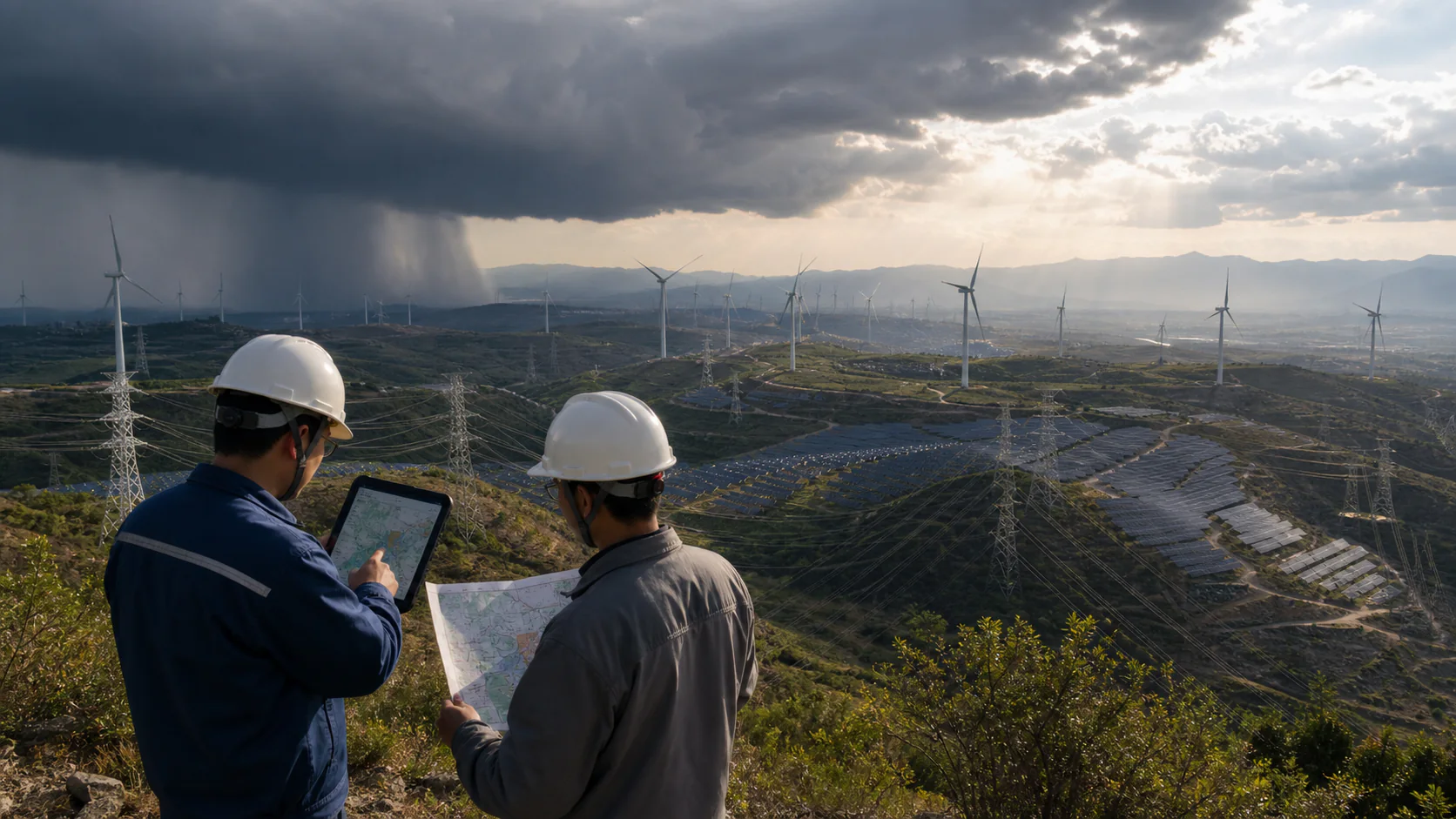
Grid engineers review a regional network map above wind, solar, and transmission infrastructure split between a storm front and clear sky.

Climate stress tests show why renewable grids need regional coordination

A peer-reviewed integrated assessment combined 5-kilometer, hourly meteorology with electricity-demand projections and regional system optimization for China. Under SSP5-8.5 in 2040, modeled high-impact weather produced wind-and-solar deficits lasting up to 24 days a year, with output reductions as large as 41.2 percent in inland provinces and 22.7 percent across northern-central grids. The study's 605-gigawatt cross-regional transfer figure is modeled potential, not approved or built infrastructure.

Original reporting: Nature Communications

Read the ACC brief
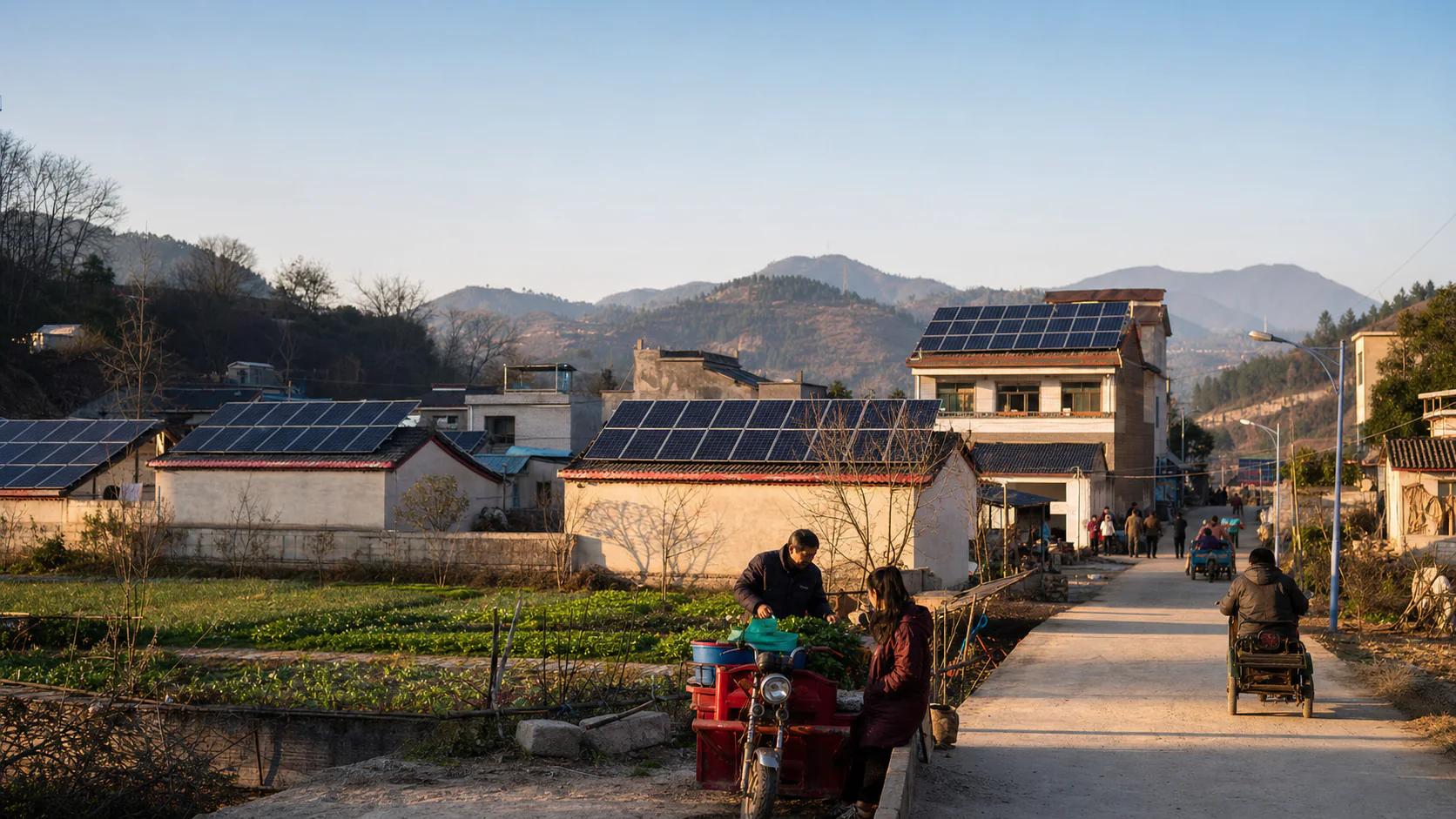
A rural Chinese community uses rooftop solar across homes and small buildings while residents work beside cultivated fields on a clear morning.

Rural solar program linked cleaner air with higher local output

A peer-reviewed natural-experiment study compared Chinese counties covered by the photovoltaic poverty-alleviation program with other counties using 2010?2020 economic records and satellite pollution observations. The authors estimated about 3 percent higher county GDP and roughly 4 micrograms per cubic meter lower sulfur dioxide in program counties. These are county-level quasi-experimental estimates?not direct measurements of household income, health, or every solar project's performance.

Original reporting: Communications Sustainability

Read the ACC brief
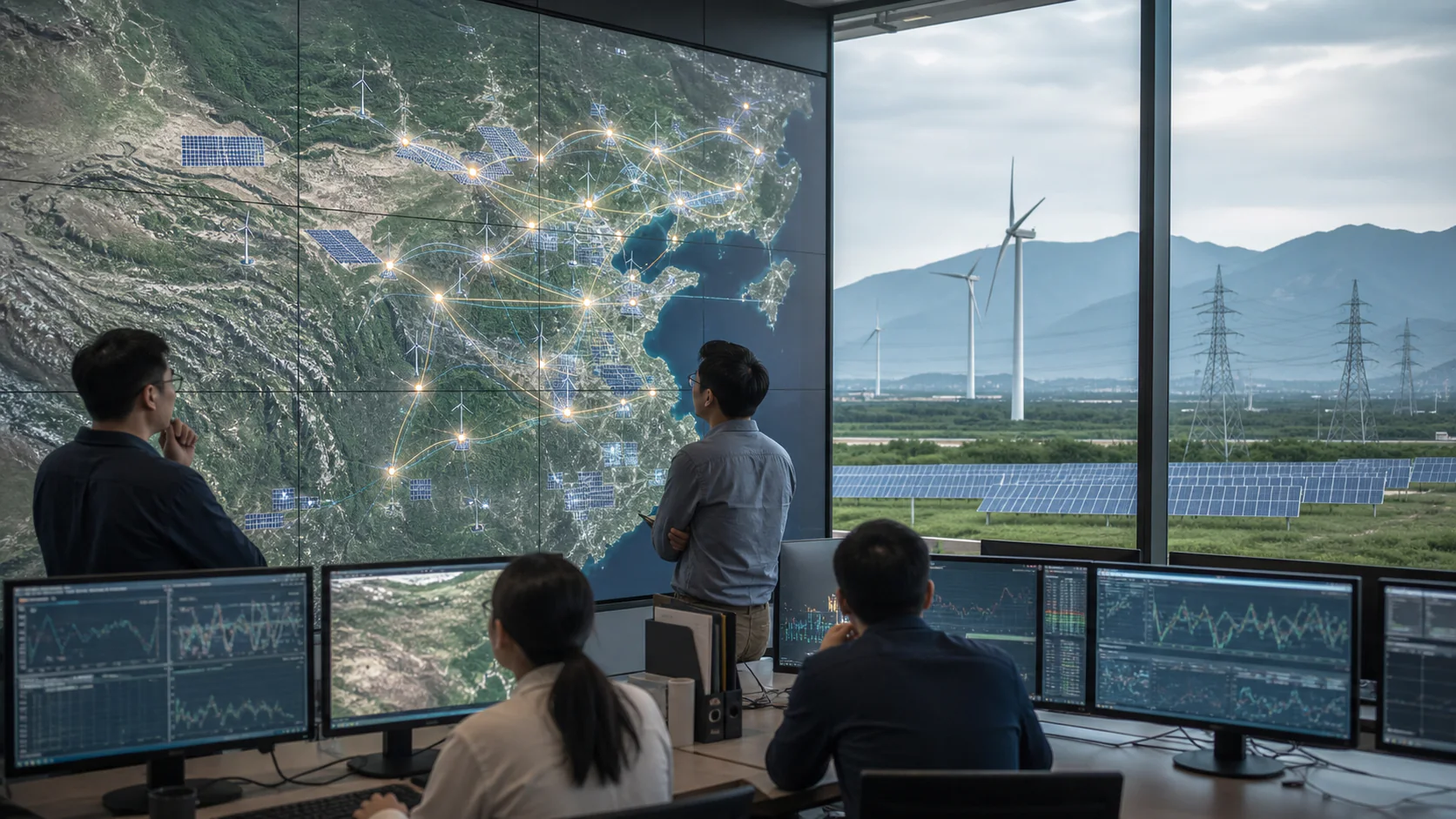
Grid analysts review a satellite-scale solar and wind network across China with real power infrastructure visible beyond the control room.

China's wind and solar can balance each other better across regions

Researchers used sub-meter satellite imagery and deep learning to build a 2022 inventory of 319,972 solar facilities and 91,609 wind turbines across China. Their power-system analysis found that wind and solar variability falls as coordination expands geographically. Under an assumed system with 80% dispatchable flexibility, modeled nationwide interprovincial coordination raised effective renewable penetration by 99.88 terawatt-hours - 9.1% of mapped wind and solar generation, or about 120 hours of average national load. The infrastructure inventory is observed; the grid benefit is a counterfactual model result, not measured dispatch performance.

Original reporting: Nature

Read the ACC brief
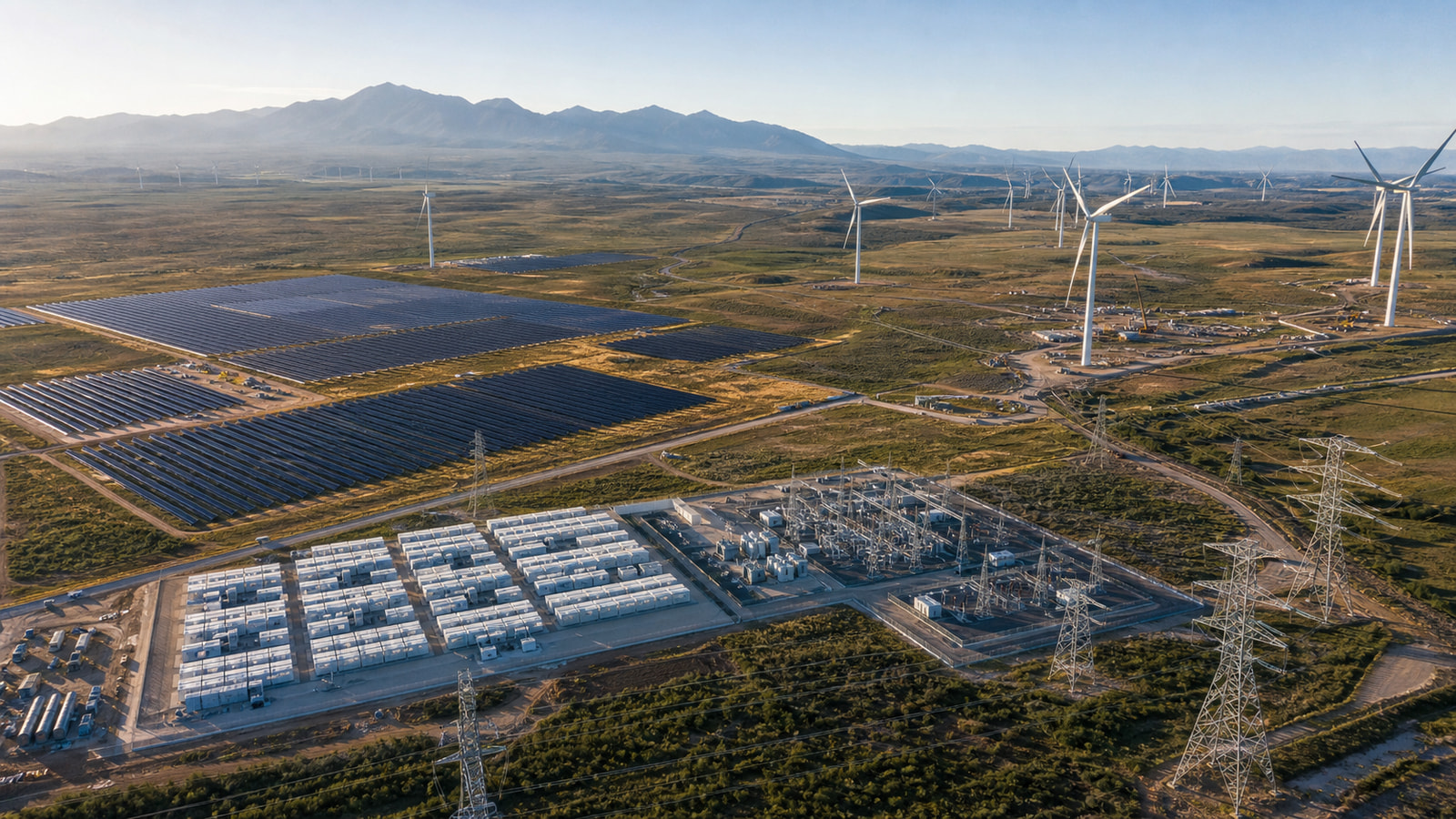
Large solar and wind installations connect to expanding transmission infrastructure across multiple landscapes.

IRENA records a 692-gigawatt surge in renewable capacity

The International Renewable Energy Agency reported that the world added 692 gigawatts of renewable power capacity in 2025, lifting the total to 5,149 gigawatts and accounting for 85. 6 percent of all new power capacity. The 15.

Original reporting: International Renewable Energy Agency

Read the ACC brief

Keep exploring

See the full climate newsroom.

Search every ACC news brief by date, source, region, or topic.

Browse the complete archive